- Category
- Herbs and spices
- State
- Dry
- Usual unit
- teaspoon
What it is
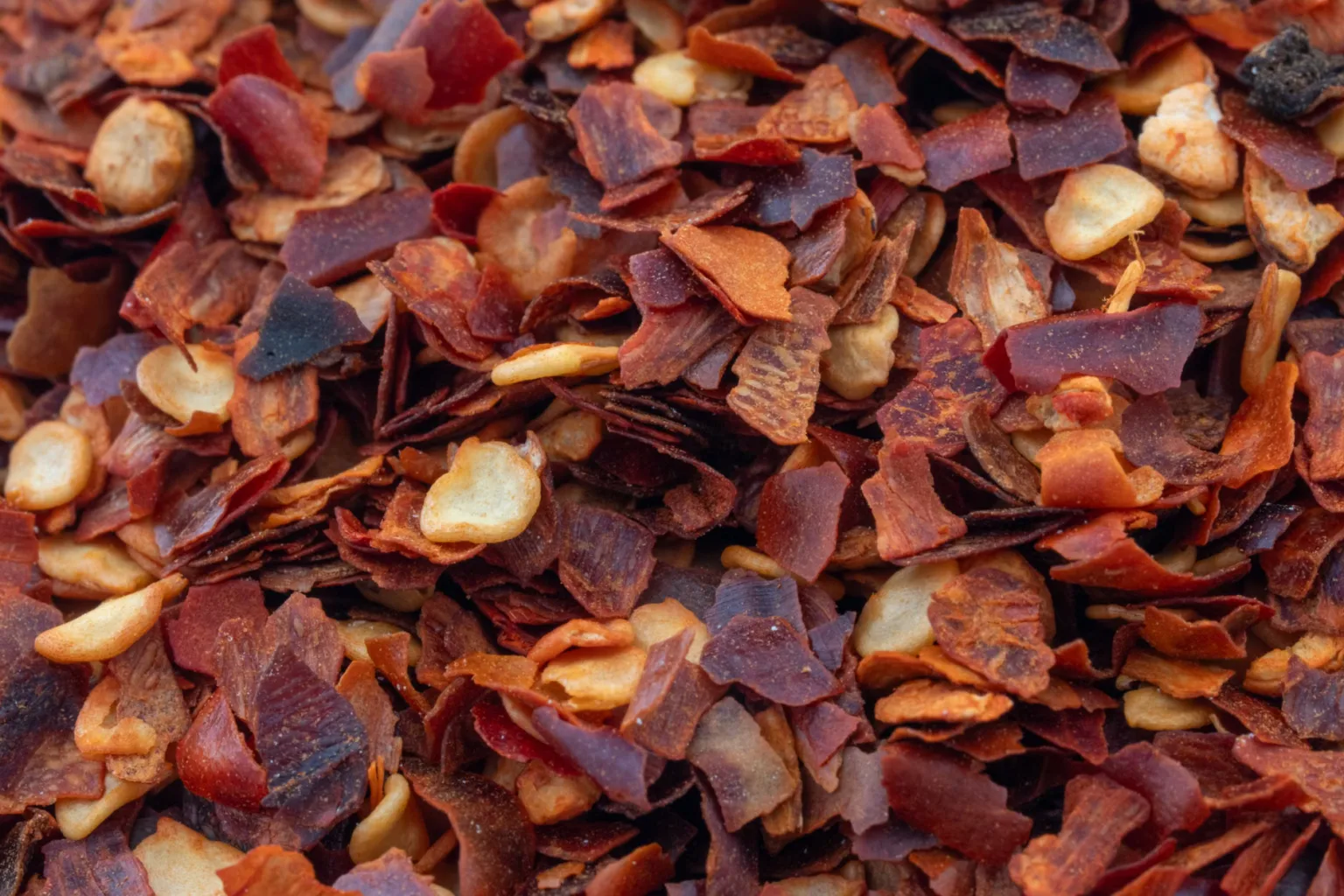
Crushed red pepper flakes are dried red peppers broken into small pieces and used as a seasoning. They are also called crushed red pepper or chili flakes. Their heat is not identical from one product to another: it can depend on the type of pepper and the proportion of seeds. That means a teaspoon will not always bring the same level of heat. The flakes are sold dry and ready to sprinkle over food or stir into a dish. They are not the same as finely ground paprika or chili powder: their defining form is small, visible flakes rather than a fine powder.
When to use it
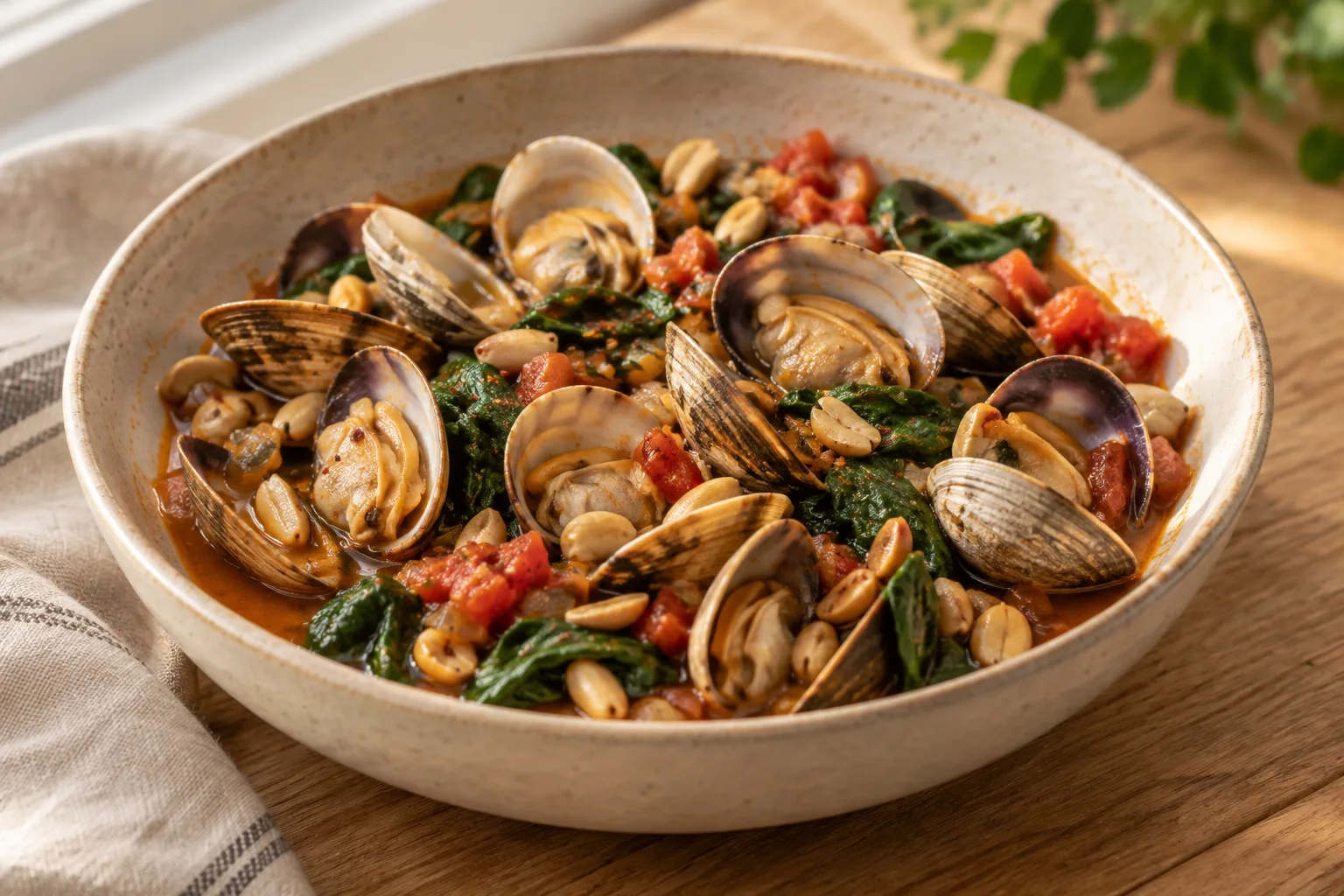
Use them when you want to add a noticeable touch of heat without changing a dish into something else. They can be sprinkled over pasta or pizza, or added to cooked dishes such as stews, curries, egg dishes, meat, or seafood. Since heat can vary with the type of pepper, begin with a pinch and taste before adding more. Serving the flakes at the table is another way to let each person adjust the heat of their own portion.
How to use it
Sprinkle a small amount over pasta or pizza, or add the flakes while cooking so their heat is distributed through the dish. For stews, curries, egg dishes, meat, or seafood, stir them in gradually and taste before increasing the amount. You can grind the flakes if a recipe calls for a finer texture, though they will no longer have their usual flake form. To make flakes from dried peppers, grind or crush the peppers, bearing in mind that the heat depends on the type you choose. Start small: it is easier to add more than to correct a dish that has become too hot.
Flavour and texture
The flakes bring pepper heat and a chili flavor, with a dry, fragmented texture that remains noticeable when sprinkled over food. Their intensity is not uniform: it varies with the type of pepper and may be affected by the proportion of seeds. Try a small amount before seasoning a whole dish so you can gauge the heat of that particular product.
How to choose it
Choose a product clearly identified as dried red pepper or chili flakes. If the package names the pepper type or describes its heat, that information can help you choose an intensity that suits your dish. Remember that heat varies with the pepper used; do not assume that the same measured amount will give the same result across different products.
Storage
Follow the storage directions on the package, since one shelf life cannot be applied to every product. Keep the package closed as directed and check its label for instructions after opening. Do not assume that all flakes have the same usable life or require a particular preservation method.
Substitutions
Cayenne powder can replace the flakes, but begin with less and adjust gradually. You can also crush dried peppers to make flakes; the heat will depend on the pepper chosen. Chili powder is another option, although its flavor and composition may differ, so add it a little at a time.
Common mistakes
A common mistake is to add the same amount of a new product as you would of one you already know. Heat depends on the type of pepper and can vary. Start with a pinch, mix or taste the dish, and add more only if needed. When substituting cayenne powder, use it cautiously and increase gradually.
Safety and allergens
Heat can vary from one product to another. Start with a small amount and add more only after tasting the dish, so it does not become hotter than you want.
Culinary uses
- Hot seasoning
- Finishing garnish
Recommended techniques
- Sprinkle over food
- Stir into a dish
- Grind dried peppers into flakes
Pairs well with
- Pasta
- Pizza
- Stews
- Egg dishes
Frequently asked questions
What are crushed red pepper flakes made from?
They are made from dried red peppers that have been crushed or broken into flakes. The type of pepper contributes to how hot they are.
Can I use cayenne powder instead?
Yes. Start with less cayenne than flakes and adjust gradually, since the result may be hotter.
How can I make flakes if I do not have any?
Crush dried peppers to make flakes. Choose the pepper with its variable heat in mind.
Ingredient allergens
Allergen listThere are no verified associations for these ingredients yet.
Sources and review
Automatically researched, cross-checked and validated content. Sources consulted:
- ¿Por qué la muerte es origen de miedos y tabúes? doi.org/10.64628/aao.fccyk3qj3
- Sal común - Wikipedia, la enciclopedia libre es.wikipedia.org/wiki/Sal_com%C3%BAn
- The Essential Glossary of Cooking Terms for the Culinary Arts - Escoffier www.escoffier.edu/blog/culinary-arts/the-essential-glossary-of-cooking-terms-for-the-culinar…
- El pimiento rojo:¿ una verdura o un condimento? - Grupo Gastronómico El Almirez ggelalmirez.com/el-pimiento-rojo-una-verdura-o-un-condimento/
- Pimiento rojo Km 0 de Lleida dulce, jugoso y cultivado en huerto propio para ensaladas, salsas y conservas - Km0 km0andanifruits.com/pimiento-rojo-propiedades-y-beneficios-para-la-salud/
- Gastronomía de México - Wikipedia, la enciclopedia libre es.wikipedia.org/wiki/Gastronom%C3%ADa_de_M%C3%A9xico
- Qué es (y qué no es) la estadística, usos y abusos de una disciplina clave en la vida de los países y las personas | Estudios económicos doi.org/10.52292/j.estudecon.2015.740
- Encurtir los Alimentos - Illinois Extension extension.illinois.edu/media/9836/download?inline=
- Pimentón | CreatiVegan.net creativegan.net/archives/pimenton/
- 9 mejores sustitutos de los copos de pimiento rojo - InternationalDrugMart www.internationaldrugmart.com/es/blog/9-mejores-sustitutos-de-los-copos-de-pimiento-rojo/
- Nutrición www.aesan.gob.es/nutricion
- Receta de pimientos confitados para maridar con vinos: análisis y comparativa de las mejores bebidas alcohólicas adegadatiacarmen.es/receta-pimientos-confitados/
- EAT IT PIMIENTOS DULCES solutions.tennessee.edu/?view_pub_pdf=2303