- Category
- Vegetables
- State
- Fresh
- Usual unit
- unit
What it is
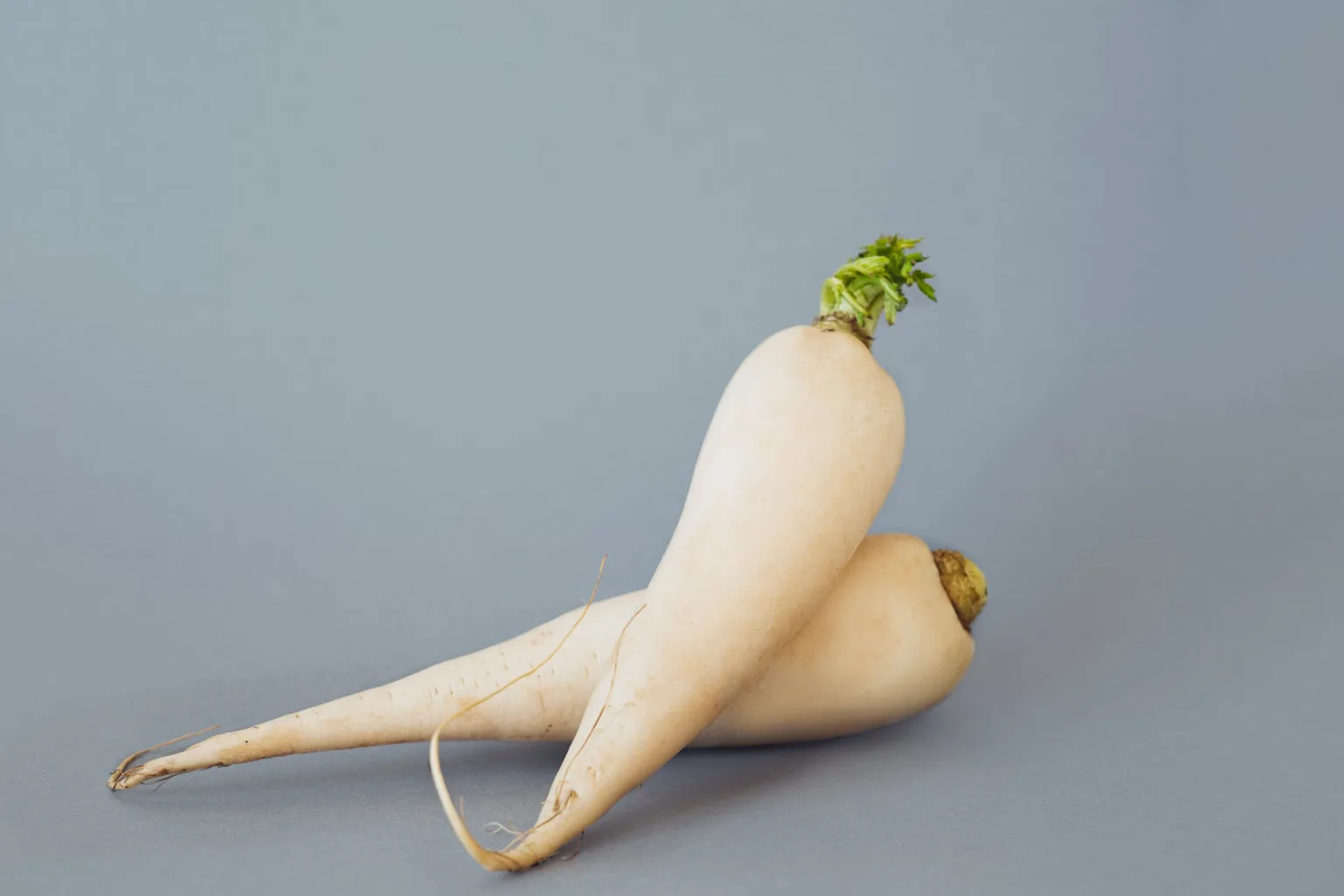
Daikon is an edible root in the radish family, also called Japanese radish or white radish. It is usually larger and longer than small salad radishes, though its shape and size can vary. It can be eaten raw, cooked, or pickled. Wash it well and trim the ends before preparing it; peeling is a practical option, especially if the skin feels rough. Depending on the dish, cut the root into slices, cubes, or strips, or grate it. If the root still has fresh leaves attached, they can also be used in salads or cooked.
When to use it
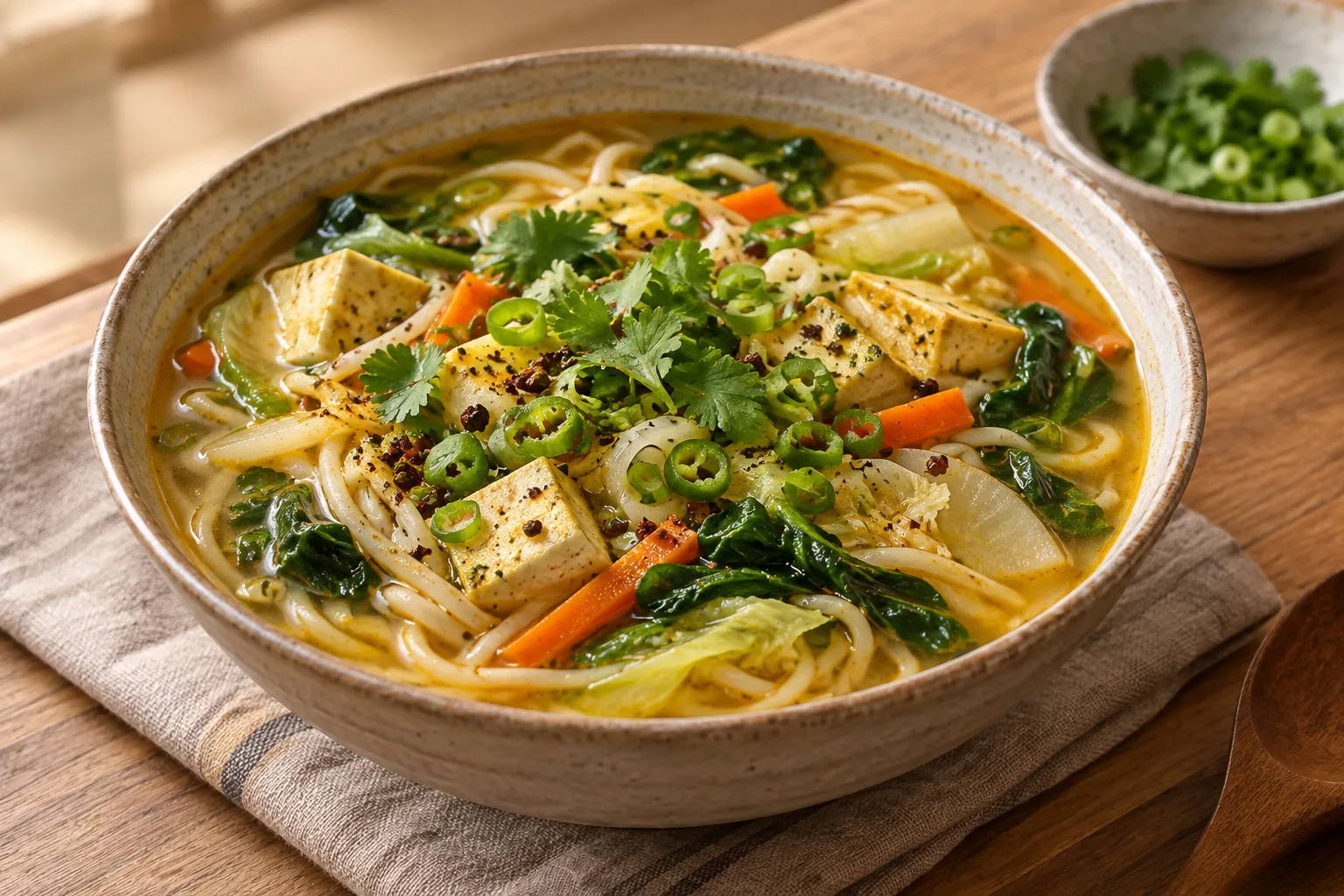
Use raw daikon when you want to add a firm, fresh crunch to a salad, vegetable plate, or sauce. Grated daikon works as an accompaniment to dishes such as tempura, while thin slices or strips add contrast to other vegetables. Choose cooked daikon when you want a tender root with a mild flavor: add cubes or chunks to soups, stews, or rice dishes. It can also be pickled for a tangy, crisp accompaniment. Variety and size affect flavor and texture, so adjust the cut and preparation to suit the root you have.
How to use it
Rinse the root under cool water and scrub away dirt; dry it before cutting. Trim the top and root tip. Peel the daikon if you prefer or if the skin is rough, then slice it thinly, cut it into strips or cubes, or grate it. For a salad, toss it raw with other vegetables and a dressing. Serve it grated as an accompaniment to tempura. For a hot dish, add chunks to soup or stew and cook until tender, or stir it into warm rice. You can also pickle it with vinegar and seasonings and keep it refrigerated. If fresh leaves are attached, wash and use them in a salad or cook them, for example by sautéing.
Flavour and texture
Raw daikon is firm, juicy, and crisp, with a fresh flavor that can be mildly peppery. The intensity varies among roots and varieties. Cooking makes it tender and brings out a milder, slightly sweet flavor. Thin slices or grated daikon have a different texture from larger cubes, so choose the cut to suit the dish—whether you want a light garnish, a crunchy salad, or soft pieces in a stew.
How to choose it
Choose a firm daikon with smooth skin and no cracks or brown patches. It should feel taut rather than soft or wrinkled. If the leaves are attached, look for greens that are fresh and green, not slimy or brown. Shape and size vary, so choose a root that is manageable and suited to the dish you plan to make. A firm root is a good choice for both raw preparations and cooking.
Storage
If the daikon has leaves, separate them from the root and store them apart. Refrigerate the root, preferably in a produce bag, and keep any cut portion cold as well. Rinse it before preparation, and dry it well if you plan to store it after washing. For the best texture, use it while it remains firm; a soft or wrinkled root has lost freshness. Keep pickled daikon refrigerated.
Substitutions
Turnip can replace daikon in soups and stews when the main purpose is to add a cooked root vegetable, although the flavor and texture will not be identical. Another winter radish may also work in similar recipes, but size, pungency, and the time needed to become tender can differ. Adjust the cut and taste as you cook rather than assuming the substitute will behave exactly the same way.
Common mistakes
Do not assume every daikon has exactly the same size, texture, or flavor intensity. Avoid leaving it at room temperature for a long time if you want it to stay firm, and do not skip washing it before cutting. A thick cut will not give the same result as a thin one in a salad or garnish. When cooking, check for tenderness before serving; the time needed depends on the size of the pieces and the preparation.
Safety and allergens
Wash the root under cool water before cutting it, and clean the leaves if you plan to use them. Refrigerate cut daikon and pickles. Discard parts with obvious spoilage and follow usual hygiene practices when handling fresh vegetables.
Culinary uses
- Raw salad and crunchy vegetable component
- Cooked root vegetable for soups, stews and rice dishes
- Grated condiment or accompaniment
- Pickled vegetable
Recommended techniques
- Wash and slice, shred or grate for raw dishes
- Peel and simmer in soups or stews
- Cut into thin slices or strips for salads
- Pickle with vinegar and seasonings
Pairs well with
- Tempura dipping sauce
- Warm rice
- Soups and stews
- Salads and other crunchy vegetables
Frequently asked questions
Can daikon be eaten raw?
Yes. Wash it, then slice, shred, or grate it for salads and accompaniments.
Does daikon radish need to be peeled?
Peeling is a useful option before cutting, especially if the skin is rough. You can then slice, cube, strip, or grate the root.
How should fresh daikon be stored?
Keep the root refrigerated and separate any attached leaves. Refrigerate cut portions too, and use the root while it remains firm.
Ingredient allergens
Allergen listThere are no verified associations for these ingredients yet.
Sources and review
Automatically researched, cross-checked and validated content. Sources consulted:
- Client Challenge doi.org/10.2307/jj.27939689.16
- The Essential Glossary of Cooking Terms for the Culinary Arts - Escoffier www.escoffier.edu/blog/culinary-arts/the-essential-glossary-of-cooking-terms-for-the-culinar…
- Paisajes Comestibles-Sostenibles | Integrated Pest Management | College of Agriculture, Health and Natural Resources | University of Connecticut ipm.cahnr.uconn.edu/paisajes-comestibles-sostenibles/
- Sevin 16oz Concentrate Label v20 ucanr.edu/media/278902
- Sevin RTU Gallon Label v14 picol.cahnrs.wsu.edu/DownloadLabel/67239/WA
- Tips for Eating More Radishes | UA Cooperative Extension extension.arizona.edu/publication/tips-eating-more-radishes
- Preparing Radishes | Home Vegetable Gardening | Illinois Extension | Illinois extension.illinois.edu/gardening/preparing-radishes
- Veterans build farming skills and kinship in Douglas County | Servicio de Extensión de OSU extension.oregonstate.edu/es/news/veterans-build-farming-skills-kinship-douglas-county
- Produce Fact Sheets – Extension St. Croix County stcroix.extension.wisc.edu/faqs/
- Daikon: Qué es, uso, nutrición, benificios www.onesupermarket.es/blogs/guias/nabo-daikon?srsltid=AYCX9vKWPO_AZQ9J2j8CpLMQr-ZfY2oFS-2f7I…
- Daikon el rábano japonés esencial - Muy Japones www.muyjapones.com/daikon-el-rabano-japones-esencial/
- Daikon o rábano japonés | Gastronomía & Cía www.gastronomiaycia.com/daikon-o-rabano-japones/
- ¡Y un rábano (daikon)! | CocinaSinReceta.com www.cocinasinreceta.com/tecnicas/y-un-rabano-daikon/