- Category
- Fruit
- State
- Dry
- Usual unit
- tablespoon
What it is
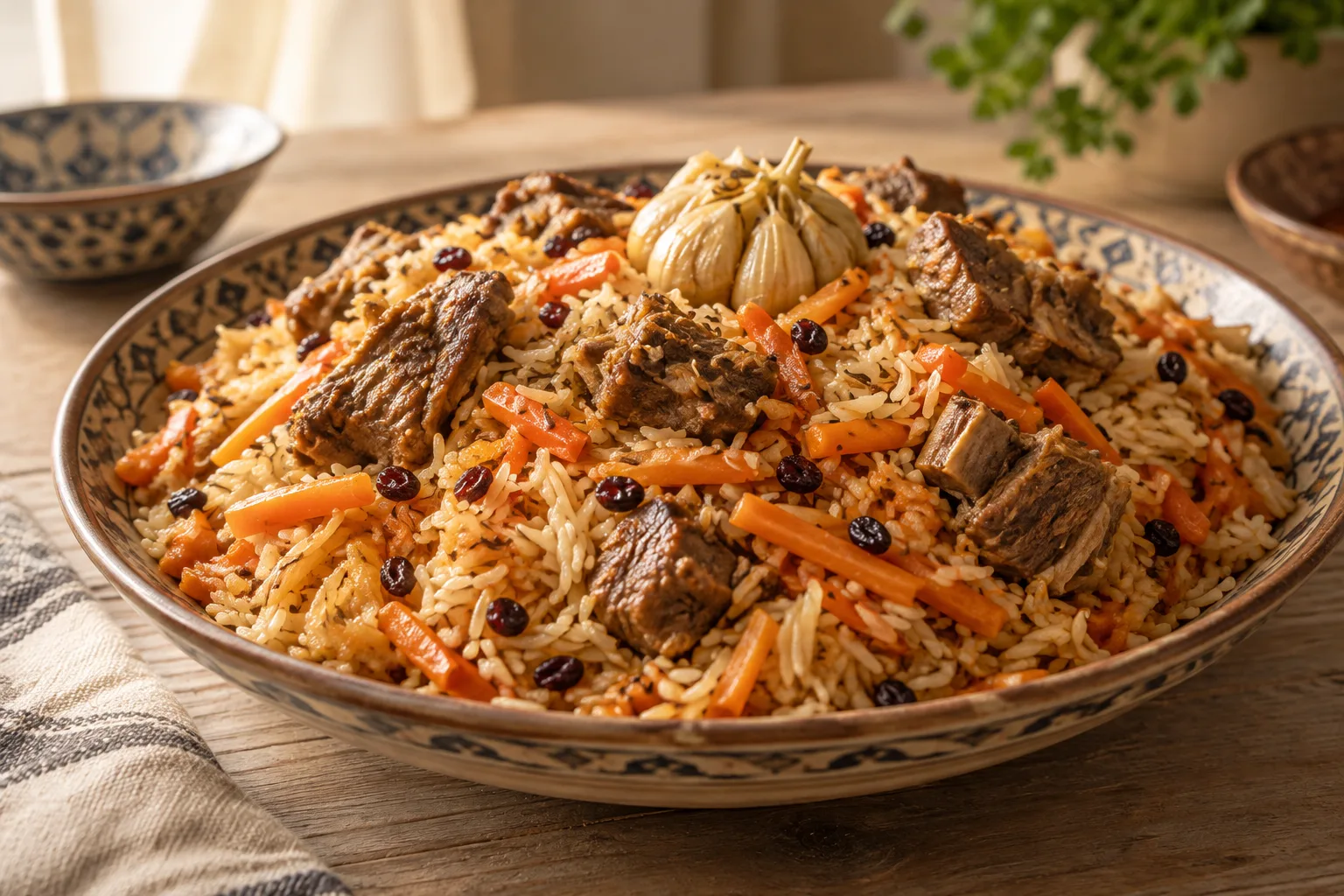
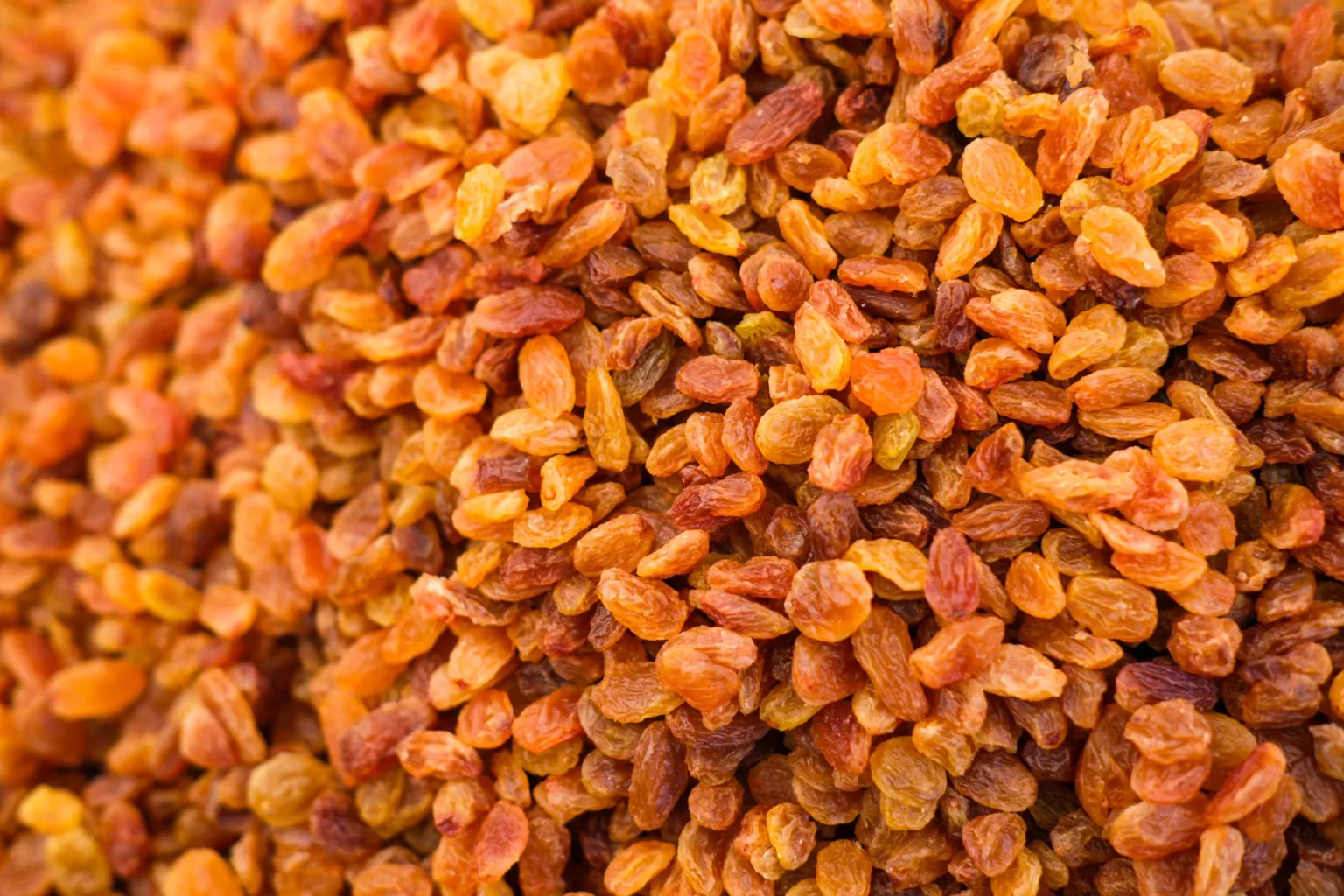
Dried barberries are dehydrated berries from barberry shrubs in the genus Berberis. Sold for culinary use, they are often wrinkled and reddish, and work as a tart, fruity ingredient as well as a garnish. Their small size makes them easy to scatter over a dish or mix with other ingredients. In savory cooking, they are used in rice, couscous, salads, legumes, and meat dishes; in sweet cooking, they appear in jams, cakes, and other baked goods. Their distinctive acidity contrasts with milder or richer ingredients. The name barberry can refer to different Berberis species; the culinary information available identifies Berberis vulgaris as one species used for this product.
When to use it
Use dried barberries when you want a tart, fruity note without turning a dish into a citrus-forward preparation. They work particularly well in rice dishes, including Persian-style combinations with saffron, nuts, or spices, and can add contrast to salads, couscous, legumes, and meats. In sweet recipes, their acidity can balance cake batters, fillings, and preserves. Their flavor is pronounced, so start with a small amount, taste the dish, and add more only if it needs it.
How to use it
Add dried barberries directly to salads, baking mixtures, or cooked grains, distributing them so their tartness comes through in different bites. If you prefer a softer texture, rinse them or soak them briefly in warm water, then drain before adding; the ideal soaking time depends on the texture you want. For rice, you can briefly sauté them in butter or oil and stir them in toward the end of cooking rather than cooking them for a long time. They can also be used whole or chopped in sweet-and-sour sauces, fillings, stews, and desserts. Add them gradually and taste as you go, since their acidity can become prominent quickly. If the dish needs balance, pair them with mild ingredients or a touch of sweetness without masking their flavor.
Flavour and texture
Dried barberries taste tart, sweet-sour, and fruity, with a flavor that stands out even in a small amount. They are wrinkled and chewy when dry; a brief soak makes them softer. Their fruity acidity offers a different note from lemon juice, and their reddish color adds visual contrast to rice, salads, and baked goods.
How to choose it
Choose barberries sold for food use, with a reasonably consistent appearance and no visible signs of mold or deterioration. Color, size, and degree of wrinkling can vary between products, so check the label to confirm that you are buying dried barberry berries. Follow any preparation or storage guidance supplied on the package.
Storage
The available information does not establish a storage period or a specific storage method for dried barberries. Store them according to the package directions and check the label for product-specific advice. Do not use berries that show visible mold or deterioration.
Substitutions
Dried cranberries can replace barberries when you want a tart fruit accent, but the flavor will be different. Fresh pomegranate adds tartness and color but is juicier and changes the texture. Lemon juice works when you need acidity alone; it does not replace the berries' texture or fruity character.
Common mistakes
Adding too many at once can make the dish overly tart. Avoid cooking them for a long time if you want to keep their texture and distinct flavor; add them gradually and taste the result. If you soak them, drain them before mixing so you do not add unintended water to the dish.
Safety and allergens
Use barberries sold for food use and follow the package directions. Discard berries with visible mold or deterioration.
Culinary uses
- Acidic, fruity accent for savory dishes
- Garnish and ingredient for sweet dishes
- Tangy addition to rice and grain dishes
Recommended techniques
- Rinse or briefly soak before use
- Briefly sauté in butter or oil
- Stir into cooked rice or scatter over a finished dish
Pairs well with
- Rice and saffron
- Couscous and lentils
- Chicken and other meats
- Almonds, pistachios, and cumin
Frequently asked questions
Do dried barberries need to be soaked before use?
Not always. You can add them straight to salads, grains, and some other dishes; a brief soak is an option if you prefer a softer texture.
What dishes work well with dried barberries?
They are used in rice, couscous, salads, legumes, meat dishes, and baked goods. They also pair with saffron, nuts, and some spices.
What can I use instead of dried barberries?
Dried cranberries or fresh pomegranate can provide a tart, fruity contrast, though their flavor and texture differ. Lemon adds acidity but does not replace the fruit.
Ingredient allergens
Allergen listThere are no verified associations for these ingredients yet.
Sources and review
Automatically researched, cross-checked and validated content. Sources consulted:
- ¿Por qué la muerte es origen de miedos y tabúes? doi.org/10.64628/aao.fccyk3qj3
- Client Challenge doi.org/10.2307/jj.27939689.16
- El agracejo como especia | El Huerto Urbano www.elhuertourbano.net/el-agracejo-como-especia/
- Agracejo. La especia ácida que transforma arroces, carnes y platos orientales www.abc.es/recetasderechupete/agracejo-la-especia-acida-que-transforma-arroces-carnes-y-plat…
- Agracejos, secos (orgánicos, ¿crudos?) | Fundación G+E www.diet-health.info/es/recetas/ingredientes/in/pv9518-agracejos-secos-organicos-crudos
- Fire-resistant plant profiles: Shrubs | Servicio de Extensión de OSU extension.oregonstate.edu/es/gallery/fire-resistant-plant-profiles-shrubs
- Conocer el Agracejo • sallypepperspices Tienda de especias, chiles y salsas sallypepperspices.com/2021/05/28/conocer-el-agracejo/
- Agracejo | www.cocinista.es www.google.com/goto?url=CAESlwEB6zswFT_fk1WMvR1AO64cijYnND-V0701LhUeYbtJx71HF3EAnEvzePZNgsAS…
- GASTRONOMÍA Y SALUD EN AL-ÁNDALUS (VIII-XV) | OpenAlex openalex.org/W4387612349