- Category
- Grains, flour and pasta
- State
- Dry
- Usual unit
- Variable
What it is
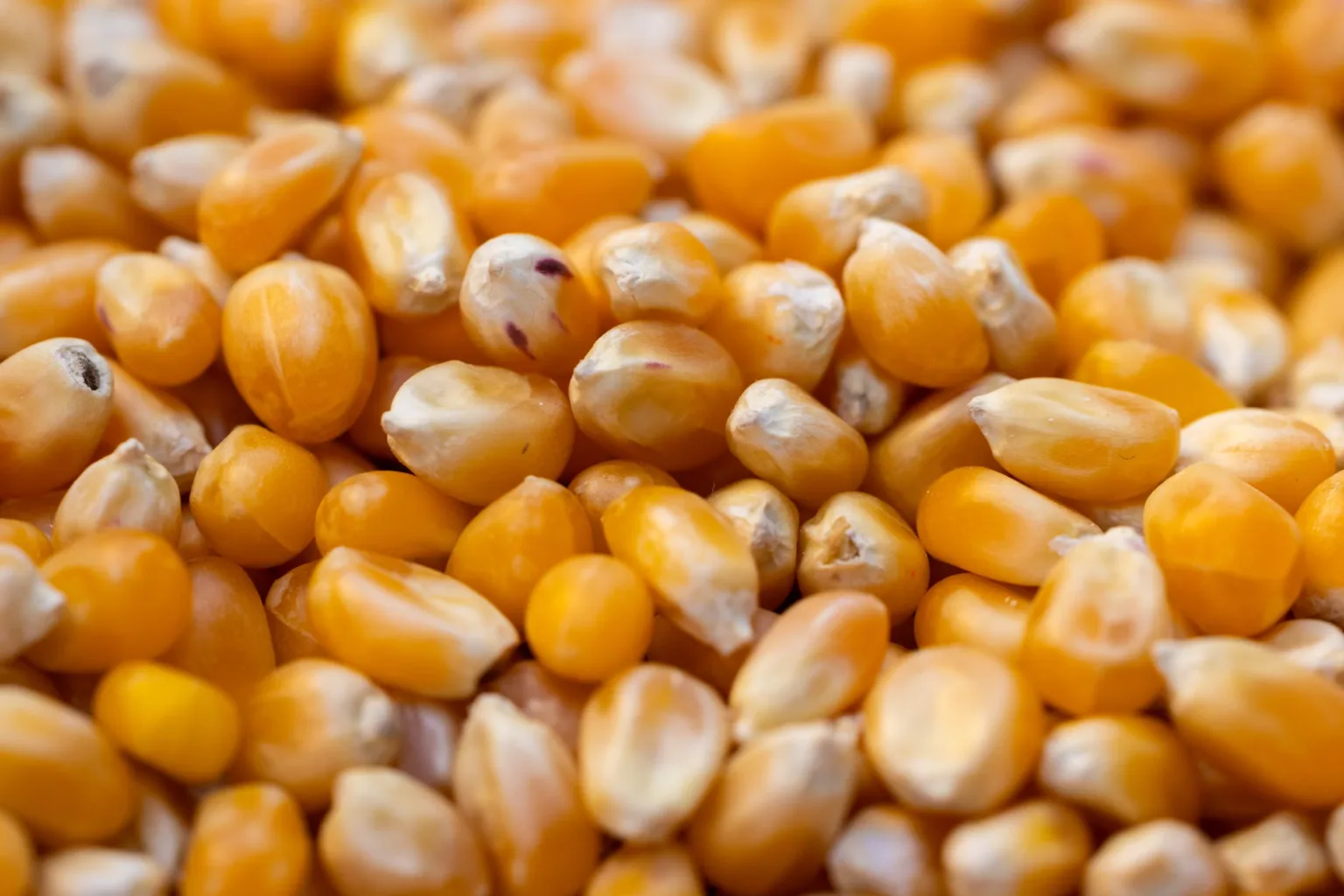
Dried corn is the mature kernel of the corn plant, preserved without the moisture associated with tender fresh corn. It is sold whole or processed into ground products of different textures, including grits, polenta, and cornmeal. These forms are not interchangeable: whole kernels retain a distinct bite, while ground corn is used as a base or for making doughs. In some traditional preparations, kernels are cooked in limewater and washed before grinding. This process produces nixtamal, which can be made into masa for dishes such as tortillas and tamales.
When to use it
Choose whole dried corn when you want distinct kernels in a cooked dish or when a recipe specifically calls for that form. Grits and polenta are better suited to dishes made with ground corn, while fine cornmeal is used in other batters and doughs. For tortillas, tamales, and similar foods, check whether the recipe calls for nixtamalized corn or nixtamalized corn flour; untreated dried corn is not automatically equivalent. Corn intended for popcorn is another specific use and requires the appropriate type of kernel.
How to use it
First identify whether you have whole kernels, grits, polenta, or cornmeal, then follow the package or recipe directions because each form needs a different treatment. To cook whole kernels, remove any stones or visibly damaged kernels and cook them in water using the method specified for that product; cooking time can vary and should not be guessed without product directions. For nixtamal, a traditional preparation cooks kernels in limewater and rinses them before grinding. Grits can be cooked as a polenta-style base, while cornmeal belongs in suitable doughs and batters. Do not swap a ground form for whole kernels without adapting the recipe.
Flavour and texture
Corn has a distinctive cereal-like flavor, while the color and variety of the kernels can differ. Whole dried corn gives cooked dishes a more defined, firm kernel texture. Once ground, corn ranges from coarse grits to fine meal, producing different mouthfeels and consistencies. Lime treatment also changes the qualities of the kernels and the resulting dough, so it is useful to match the corn product to the preparation specified in the recipe.
How to choose it
Buy the form named in the recipe: whole kernels, popcorn corn, grits, polenta, and cornmeal are not always interchangeable. Check that the package is intact and that the product looks dry and clean, with no visible signs of moisture, insects, or spoilage. For tortillas or tamales, look specifically for nixtamalized corn or corn flour if the recipe requires it. Color can vary among products and, by itself, does not determine the right culinary use.
Storage
Keep dried corn in a clean, tightly closed container in a dry place, and follow any product-specific storage directions on the package. Keep moisture out and inspect the product before use. There is no single storage period that applies to every form, since packaging, processing, and storage conditions differ. After opening, reseal the package or transfer the corn to a suitable clean container.
Substitutions
Cooked nixtamalized corn may replace whole dried corn in some recipes that call for already-cooked kernels, but it has undergone a different treatment and may have a different texture. Grits or polenta can fill a similar grain-base role, but they do not mimic whole kernels. For tortilla or tamale dough, use the nixtamalized corn product specified by the recipe; replacing it with ordinary cornmeal may change the result.
Common mistakes
Do not treat every dried corn product as the same ingredient: whole kernels, cornmeal, and grits have different uses and preparation needs. Another common mistake is using untreated corn when a recipe requires nixtamalized masa or flour. Avoid assuming there is one universal cooking time; follow product-specific directions and check the texture as it cooks.
Safety and allergens
Keep the product dry and use clean utensils. Follow the package or recipe directions, and do not use kernels with visible moisture, mold, or insects.
Culinary uses
- Whole-grain ingredient for cooked dishes
- Base for ground corn products such as grits, polenta, and cornmeal
Recommended techniques
- Boiling or simmering
- Grinding into a coarse or fine meal
- Cooking in limewater to make nixtamal
Pairs well with
- Beans
- Fresh cheese
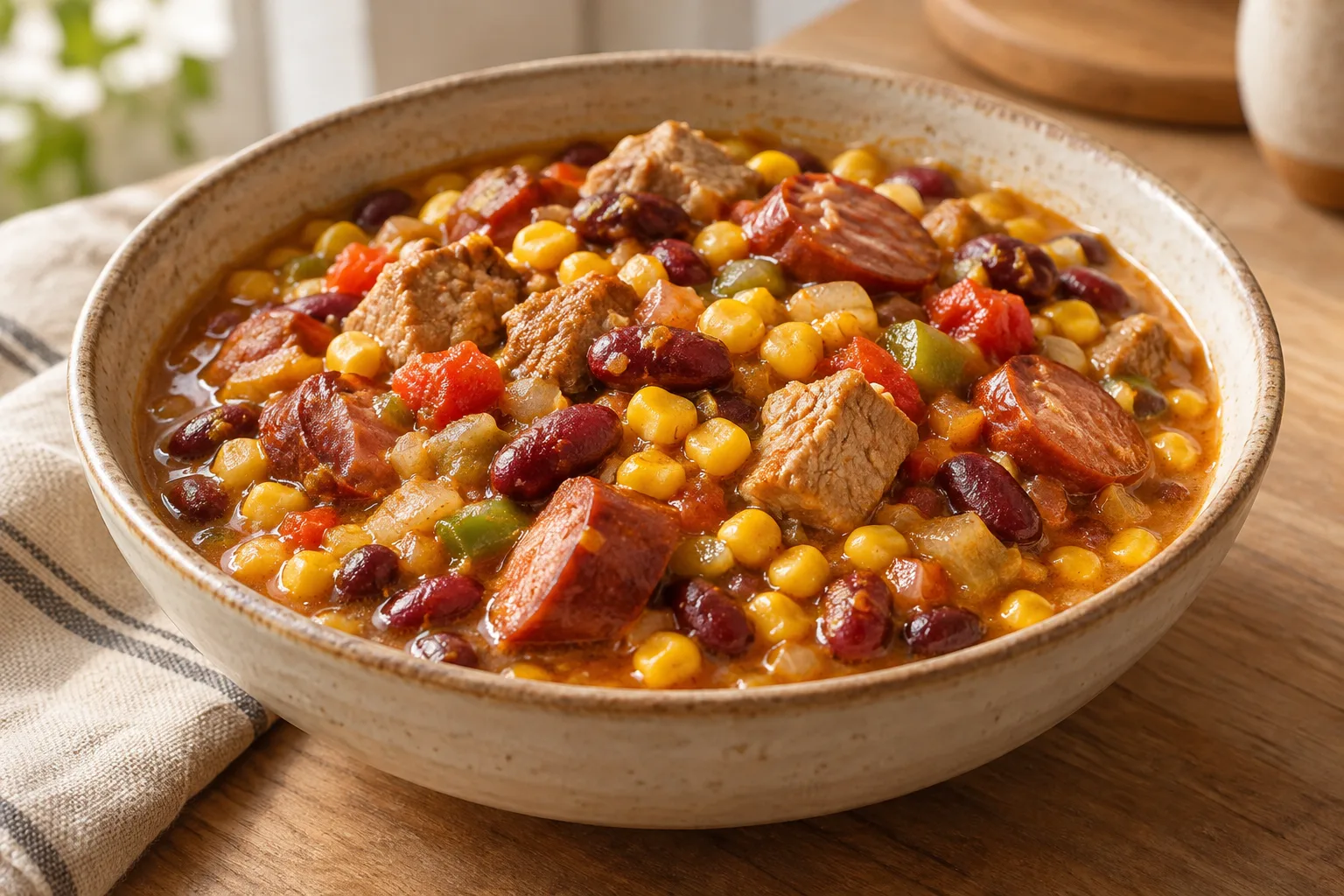
- Chicken or pork
Frequently asked questions
Is dried corn the same as cornmeal?
No. Dried corn may mean whole kernels; cornmeal is ground corn and has a different texture and use.
Can all dried corn be used for popcorn?
No. Popcorn requires the appropriate type of kernel, so do not assume that every dried corn variety will pop in the same way.
What does it mean to nixtamalize corn?
It is a traditional process in which corn is cooked in limewater and then rinsed. The nixtamal can be ground to make masa.
Ingredient allergens
Allergen listThere are no verified associations for these ingredients yet.
Estimated nutrition
- Fat
- 5.22 g
- Saturates
- 0.82 g
- Carbohydrate
- 74.9 g
- Sugars
- 5.38 g
- Protein
- 9.88 g
- Salt
- 0.03 g
Sources and review
Automatically researched, cross-checked and validated content. Sources consulted:
- Client Challenge doi.org/10.2307/jj.27939689.16
- The Essential Glossary of Cooking Terms for the Culinary Arts - Escoffier www.escoffier.edu/blog/culinary-arts/the-essential-glossary-of-cooking-terms-for-the-culinar…
- Storing White Rice | USU extension.usu.edu/preserve-the-harvest/research/storing-white-rice
- Harinas de maíz ¿Cuántos tipos hay y para qué sirven? - Formacion en Gastronomia www.formacionengastronomia.com/cocina-latina/harinas-de-maiz-cuantos-tipos-hay-y-para-que-si…
- Agencia Española de Seguridad Alimentaria y Nutrición www.aesan.gob.es/
- Nutrition After Your Transplant - Health Online healthonline.washington.edu/sites/default/files/record_pdfs/Nutrition-After-Your-Transplant-…
- Building Communication between Serve City and the Hamilton ... etd.ohiolink.edu/acprod/odb_etd/ws/send_file/send?accession=muhonors1114807342&disposition=i…
- | National Center for Home Food Preservation nchfp.uga.edu/how/can/tomatoes-and-tomato-products/
- El maiz en la nutrición humana - Tecnología postcosecha: la elaboración www.fao.org/4/t0395s/T0395S06.htm
- Maíz: qué es, tipos y beneficios bonviveur.com/es/noticias/maiz
- The Nutritional Content of Five Southwestern ... extension.cmn.edu/wp-content/uploads/2026/03/The_Nutritional_Content_of_Five_Southwes.pdf
- Tanzania Food Composition Tables | The Nutrition Source nutritionsource.hsph.harvard.edu/wp-content/uploads/2023/09/Tanzania-Food-Composition-Tables…
- Zea mays - Wikipedia, la enciclopedia libre es.wikipedia.org/wiki/Zea_mays