- Category
- Fish and seafood
- State
- Dry
- Usual unit
- g
What it is
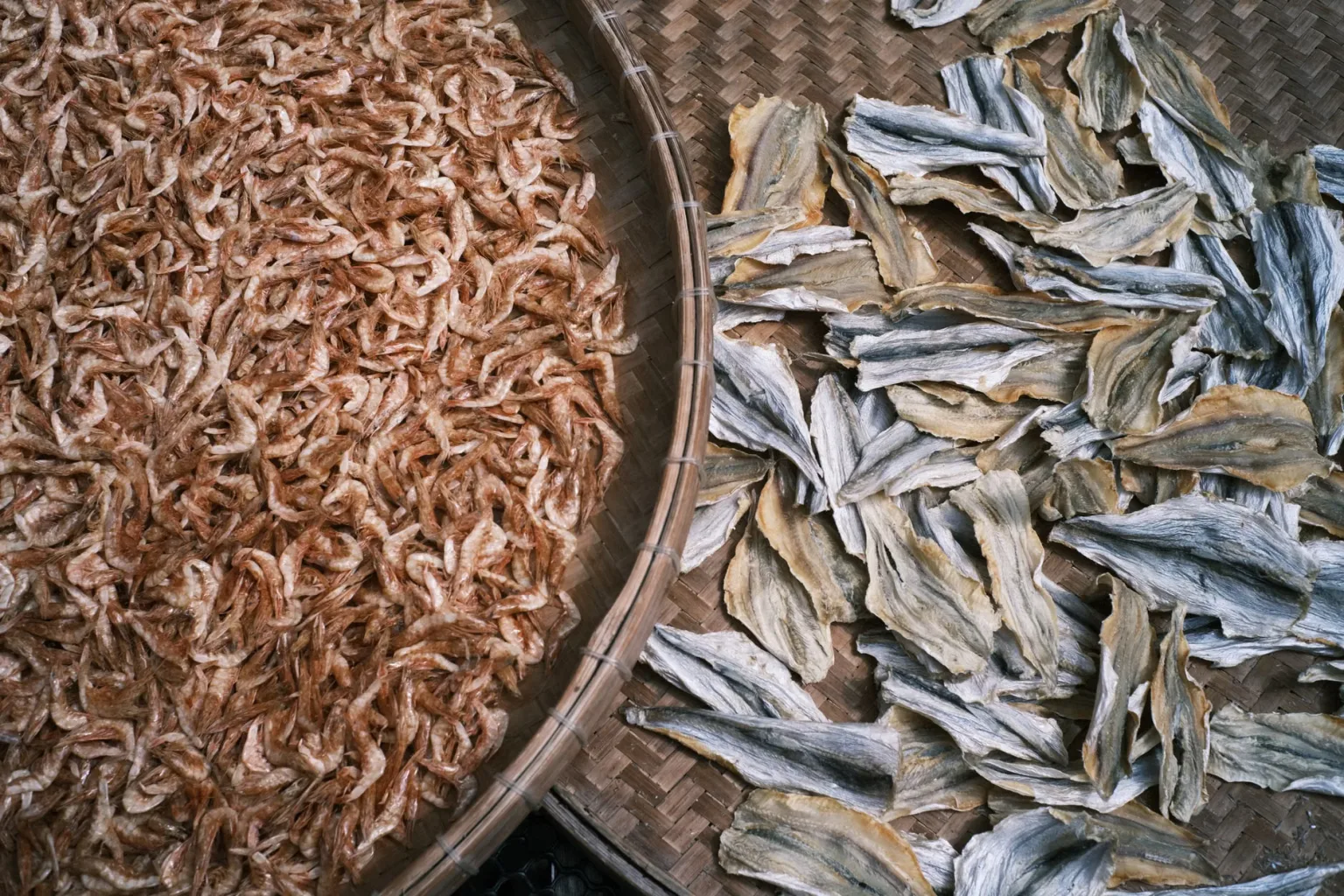
Dried fish is fish preserved by removing some of its moisture. The name covers different products: some are dried without salt, while others are salted before or during drying. Species, cut, degree of drying, and presentation can also vary. As a result, products called dried fish do not all behave alike or require the same preparation. Unsalted dried fish should not automatically be treated as the same ingredient as salted dried fish or smoked fish. Read the product name and directions to identify what you have and how it is meant to be prepared.
When to use it
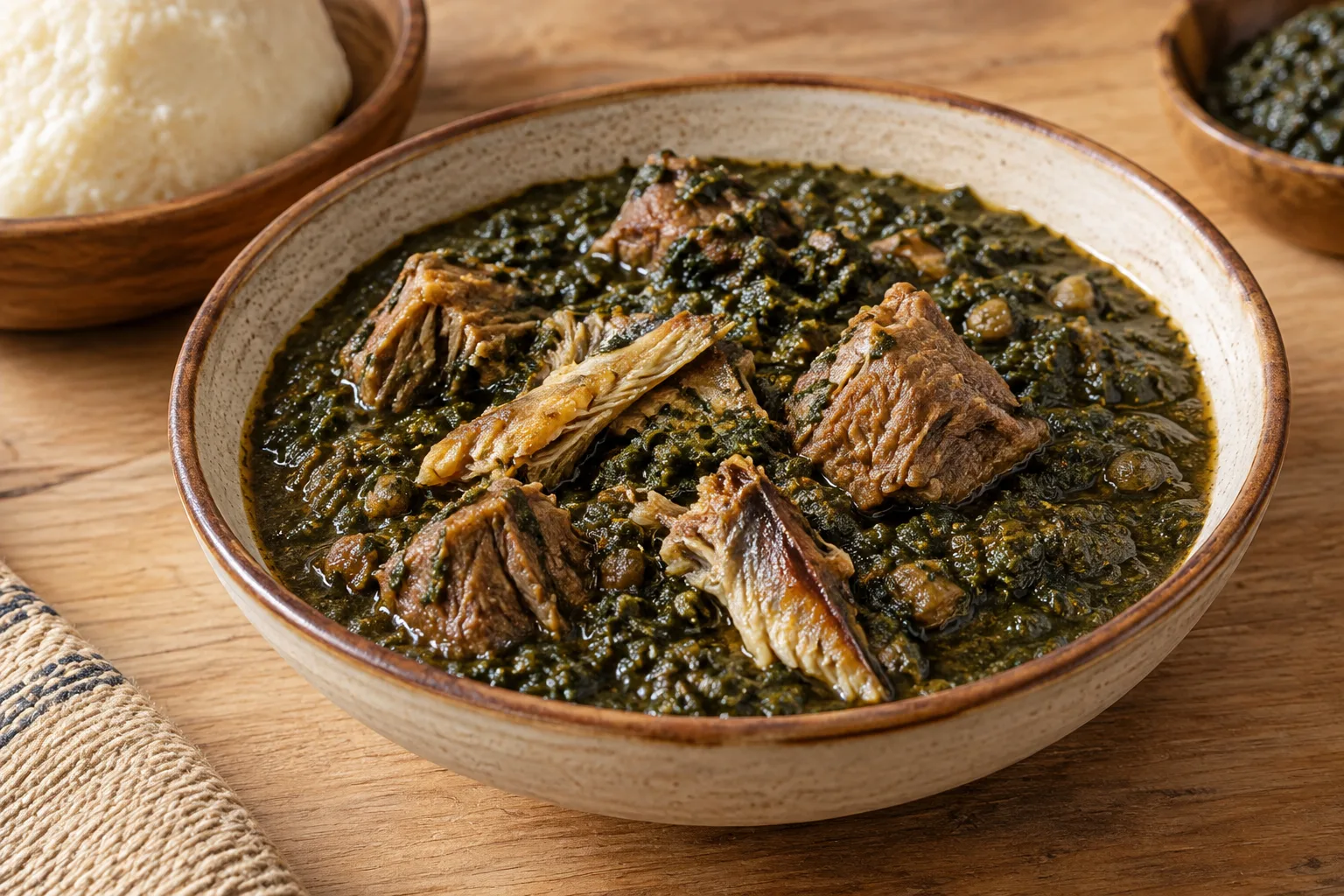
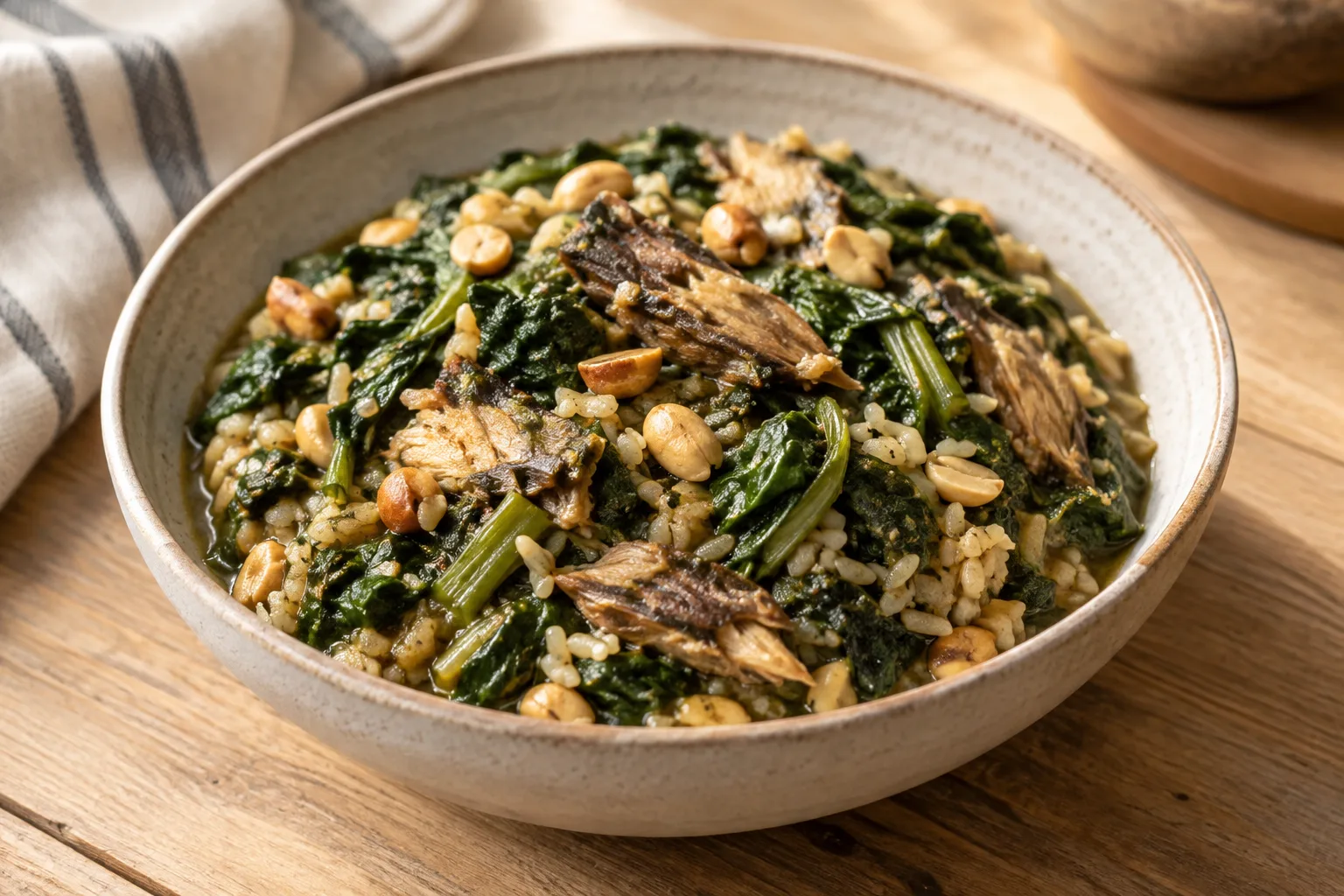
Use dried fish when you want a fish flavor in a soup, stew, or another dish that can be prepared according to the product directions. In some cuisines it is added to soups and dishes served with polenta, fufu, or garri; other products are eaten as snacks. Choose a variety suited to the recipe, and consider whether it is salted, since that can substantially affect seasoning. If a recipe calls for soaking, follow the recipe or product instructions.
How to use it
First identify the product: check the species if listed, whether it is salted, and its use and storage directions. Do not assume every dried fish needs soaking or can be eaten as sold. If the package or recipe says to rehydrate it, follow those directions and discard the soaking water if instructed. Then add it to the intended preparation, such as a soup or stew, or serve it with a suitable accompaniment such as polenta. If it is salted, taste the dish before adding more salt and adjust the other ingredients. Store the product according to its label.
Flavour and texture
Its flavor is often more concentrated than fresh fish, but intensity depends on the species, drying, and salting. Texture can be firm, chewy, or brittle, and may change with soaking or cooking. Salted products can add considerable salt to a dish, while unsalted dried fish has a different profile; do not treat the two as interchangeable without adjusting the recipe.
How to choose it
Look for an intact package and a label that identifies the product and explains storage and use. Check whether it is salted or unsalted, which species is named, and whether soaking or cooking directions are given. For unpackaged fish, ask for its name and relevant handling instructions. Do not infer a safe storage life from its dry appearance alone.
Storage
Follow the storage directions on the package, since requirements can differ by product and presentation. Keep the label information and follow any directions for the product after opening or preparation. If instructions are unclear, ask the seller or food provider; a dry appearance alone does not establish a storage period.
Substitutions
Salted and unsalted dried fish are not identical substitutes: salted fish may require less added salt and product-specific preparation. Fresh fish can work in some recipes, but it will not reproduce dried fish's texture or concentrated flavor. Adjust the method and seasoning rather than replacing it in equal measure without changes.
Common mistakes
Common mistakes include confusing unsalted dried fish with salted fish, assuming every product needs the same soaking treatment, and adding salt before tasting. Do not assume it is ready to eat without cooking; follow the label and recipe. Do not assign it a shelf life simply because it is dry.
Safety and allergens
Fish is an allergen for people with fish allergy. Read the label for product identity, declared allergens, and storage and use directions; follow those directions and do not eat a product if its package or condition raises concerns.
Culinary uses
- Ingredient for soups and stews
- Flavorful component or snack, depending on the product
Recommended techniques
- Drying
- Soaking or rehydrating when required by the product
Pairs well with
- Polenta
- Soups and stews
- Fufu or garri
Frequently asked questions
Is all dried fish salted?
No. Some dried fish is unsalted, while other products are salted before or during drying. Check the product name and ingredient list.
Does dried fish need soaking before cooking?
That depends on the product and recipe. Soak it only when the package or preparation directions call for it.
What dishes go well with dried fish?
It can be added to soups and stews or served in dishes with polenta, fufu, or garri. The right use depends on the variety and how salty it is.
Ingredient allergens
Allergen listThere are no verified associations for these ingredients yet.
Estimated nutrition
- Fat
- 13.4 g
- Saturates
- 2.85 g
- Carbohydrate
- 0 g
- Sugars
- 0 g
- Fibre
- 0 g
- Protein
- 62.4 g
- Salt
- 0.5 g
Sources and review
Automatically researched, cross-checked and validated content. Sources consulted:
- En el etiquetado alimentario hay algunas menciones que son obligatorias eletiquetadocuentamucho.aesan.gob.es/obligatoria.html
- Client Challenge doi.org/10.2307/jj.27939689.16
- Pescado seco - Wikipedia, la enciclopedia libre es.wikipedia.org/wiki/Pescado_seco
- neoliberal multiculturalism in early digital discourse about food. iro.uiowa.edu/view/pdfCoverPage?download=true&filePid=13873804470002771&instCode=01IOWA_INST
- Para la ciudadanía www.aesan.gob.es/para-la-ciudadania
- Cocina Fácil, de la Despensa a la Mesa Enlaces de Nutrición - Número #8 extension.psu.edu/cocina-facil-de-la-despensa-a-la-mesa-enlaces-de-nutricion-numero-8/
- Pescado seco en Semana Santa: por qué se come, significado y receta para prepararlo | EL ESPECTADOR www.elespectador.com/gastronomia-y-recetas/pescado-seco-en-semana-santa-por-que-se-come-sign…
- Pescado seco: de producto olvidado a estrella de la cocina moderna - Europa Azul europa-azul.es/pescado-seco-de-producto-olvidado-a-estrella-de-la-cocina-moderna/
- GASTRONOMÍA DE TODO EL MUNDO/GASTRONOMY FROM ALL AROUND/GASTRONOMIE : DEL PEZ AL PESCADO: CULTURA Y COCINA jaumefabrega.blogspot.com/2008/10/del-pez-al-pescado-cultura-y-cocina.html
- Food allergen labelling and information requirements technical guidance - GOV.UK www.gov.uk/government/publications/food-allergen-labelling-and-information-requirements-tech…