- Category
- Vegetables
- State
- Dry
- Usual unit
- g
What it is
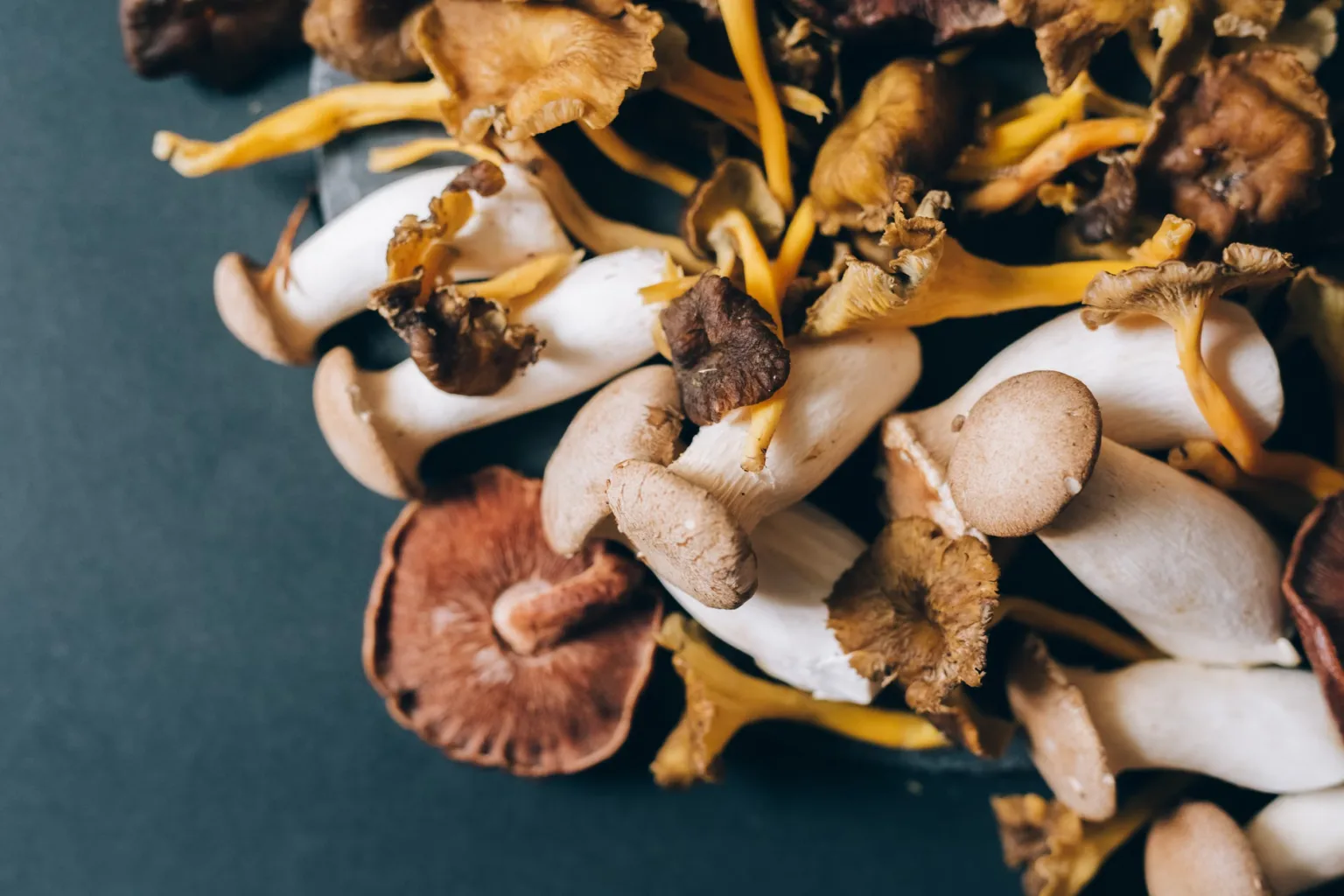
Dried mushrooms are edible mushrooms that have been dehydrated to reduce their water content and make them easier to store. The name does not refer to a single species: it can describe porcini, shiitake, black trumpet mushrooms and other varieties, each with its own characteristics. Many recipes call for soaking them before cooking until they become pliable. They expand as they rehydrate, but their texture is not exactly the same as that of fresh mushrooms. Their flavour and aroma can be more concentrated than in the fresh form, so add them gradually and adjust the dish to taste. Soaking liquid can contain particles, so strain it before using it.
When to use it
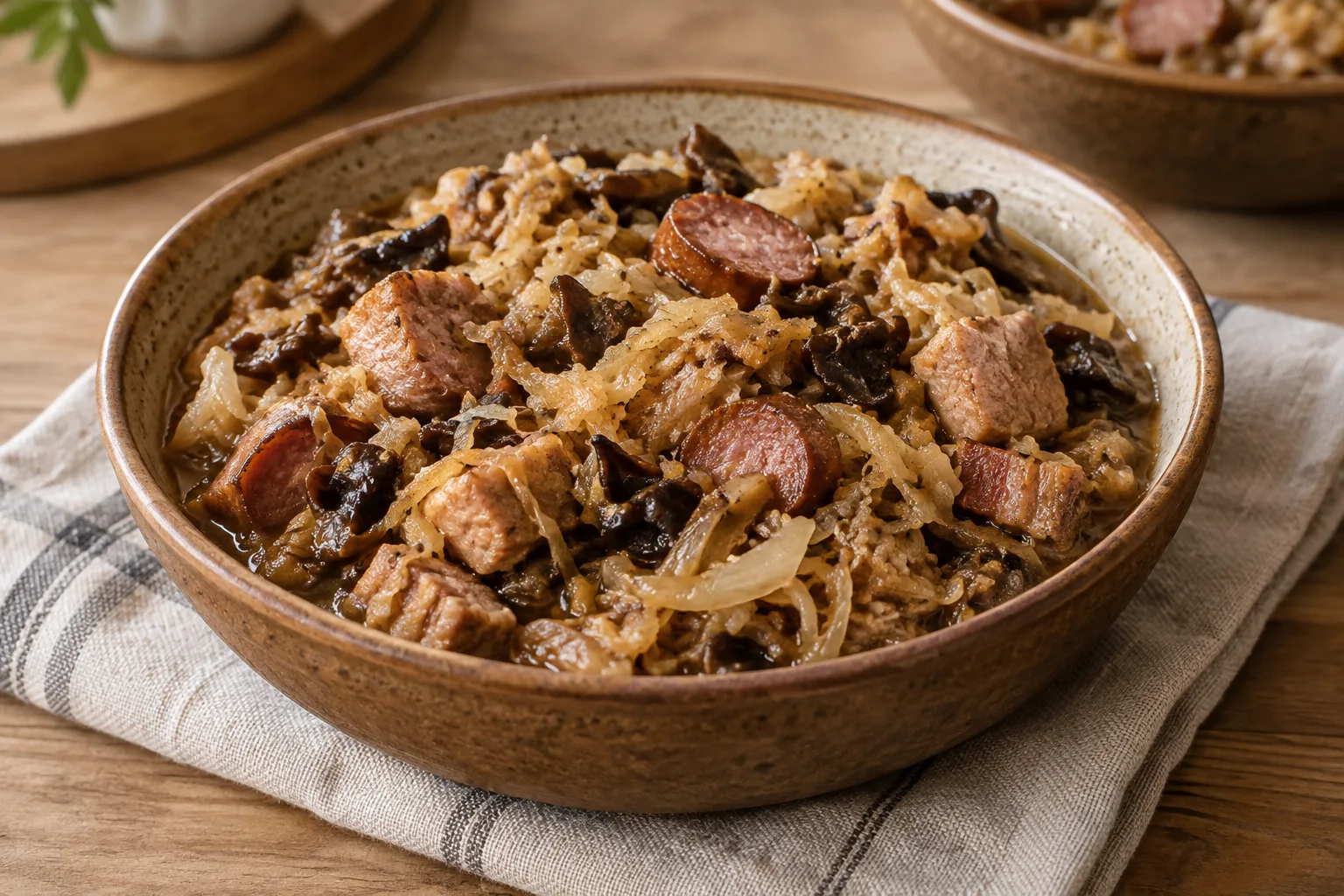
Choose dried mushrooms when you want to keep mushrooms on hand beyond their fresh season or add depth to stock, soup, rice, pasta, stews or sauces. They work especially well in dishes where the overall flavour matters more than a fresh, crisp texture. Dried varieties can have distinct aromas, so choose one with the recipe in mind rather than assuming all types are interchangeable. If a mushroom is meant to stand out for its juiciness or firm texture, a fresh one may be a better fit. For fillings and sauces, rehydrate the mushrooms and chop them to suit the dish.
How to use it
Check the product and follow its package directions, since varieties and sizes differ. If the recipe needs tender pieces, cover the mushrooms with potable cold or slightly warm water and leave them until softened; the time depends on the product, so check the texture instead of relying on one fixed time. Drain them and check for any grit. If you want to use the soaking liquid in stock, soup, rice or sauce, strain it carefully and add it gradually to control the intensity. Chop the rehydrated mushrooms if needed and cook them as part of the dish. Some dried mushrooms can also be ground for seasoning, but add the powder in small amounts because the flavour may be strong.
Flavour and texture
The flavour depends on the species and drying method. In general, dried mushrooms offer concentrated flavour and earthy aromas; some varieties are distinctly savoury and umami-rich. Once rehydrated, they become pliable, but do not exactly reproduce the juiciness and texture of fresh mushrooms. The soaking liquid can also carry flavour, though it should be strained if it contains sediment. Start with a small amount and adjust seasoning to the variety.
How to choose it
Check the package to see which variety you are buying and whether it is sold as an edible food. Species differ in appearance and use, so clear identification helps you choose for a particular recipe. Choose an intact package with legible product details and no visible signs of moisture. If you plan to rehydrate the mushrooms, select a format whose pieces are easy to separate and inspect. Anyone with a food allergy should read the ingredient list and allergen information on packaged products.
Storage
Keep dried mushrooms in a cool, dry place and protect them from moisture; close the package securely after each use and follow any specific storage directions from the manufacturer. Exposure to moisture can affect a dried product, so avoid leaving the package open near steam or liquids. Once rehydrated, treat the mushrooms as prepared food: do not leave them forgotten at room temperature, and follow the storage directions for the recipe or package. No universal storage duration is given here because it depends on the product and its packaging.
Substitutions
Fresh mushrooms can replace rehydrated dried mushrooms in soups, roasts or fillings, but they add more moisture and have a different texture; adjust the recipe liquid accordingly. Another edible dried variety can serve a similar role, though its aroma and intensity will differ. There is no single equivalence for every species: add the substitute gradually and taste before adjusting the seasoning.
Common mistakes
Treating every variety as if it had the same flavour and texture can throw off a recipe. Do not use soaking liquid without checking and straining it, as it may contain sediment. Also, do not measure dried mushrooms as though they will keep the same volume after rehydrating; check their size and texture before finishing the dish.
Safety and allergens
Use only mushrooms identified as edible and follow the package directions. If you have a food allergy, check the product label and contact the manufacturer if the information is unclear.
Culinary uses
- Aportar sabor profundo y notas umami a sopas, caldos, salsas, arroces y guisos.
- Añadir piezas rehidratadas a rellenos, pastas y preparaciones con verduras, carne o tofu.
Recommended techniques
- Rehidratar en agua potable fría o ligeramente tibia hasta que las piezas estén flexibles; el tiempo depende de la variedad y el tamaño.
- Colar el líquido de remojo para retirar posibles restos de tierra y añadirlo gradualmente a sopas, arroces o salsas.
Pairs well with
- Arroz, pasta, sopas y caldos.
- Verduras, tofu y carnes en guisos o salteados.
Frequently asked questions
Do dried mushrooms always need to be rehydrated?
Many recipes rehydrate them to soften the pieces, but the method depends on the variety and dish. Follow the package directions and check the texture before adding them.
Can I use the soaking liquid?
It can add flavour to soups, rice dishes or sauces. Strain it carefully to remove any sediment and add it gradually.
Can all dried mushrooms replace one another?
Not without a change in the result: variety affects flavour, aroma and texture. Adjust the amount and seasoning to suit the dish.
Ingredient allergens
Allergen listThere are no verified associations for these ingredients yet.
Estimated nutrition
- Fat
- 0 g
- Saturates
- 0 g
- Carbohydrate
- 85.7 g
- Sugars
- 0 g
- Fibre
- 57.1 g
- Protein
- 0 g
- Salt
- 0.36 g
Sources and review
Automatically researched, cross-checked and validated content. Sources consulted:
- Clases de setas: variedades comestibles y su uso en la cocina www.boazuhuntings.com/fauna-y-flora/clases-setas-comestibles/
- Comer setas puede salvar el planeta: por qué la micología es clave para una alimentación sostenible doi.org/10.64628/aao.gdmqatdhj
- Las setas deshidratadas en la cocina - Blog Conasi www.conasi.eu/blog/consejos-de-salud/setas-deshidratadas-cocina/
- Agencia Española de Seguridad Alimentaria y Nutrición www.aesan.gob.es/
- Setas y hongos deshidratados vs frescos: Todo lo que debes saber clubdelicatessen.com/setas-y-hongos-deshidratados/
- Food Allergies | FDA www.fda.gov/food/nutrition-food-labeling-and-critical-foods/food-allergies
- Centre for Food Safety www.cfs.gov.hk/english/food_leg/food_leg_lgfa.html
- Food allergen portal | Food Standards Australia New Zealand www.foodstandards.gov.au/consumer/foodallergies/food-allergen-portal
- Food allergen labelling and information requirements technical guidance - GOV.UK www.gov.uk/government/publications/food-allergen-labelling-and-information-requirements-tech…
- Cómo aprovechar al máximo las setas deshidratadas en la cocina www.directoalpaladar.com/ingredientes-y-alimentos/como-aprovechar-al-maximo-las-setas-deshid…
- Setas shiitake: qué son, propiedades y recetas - Oriental Market www.orientalmarket.es/setas-shiitake/?srsltid=AYCX9vLDpJtC0XsfX1kO9LTEPwC5oA3F1vwnVeqDijq_TR…
- Setas Shiitake - Restaurante Chino Gran Muralla de Albacete www.restaurante-chino-granmuralla.com/setas-shiitake/
- ¿Cuáles son los tipos de setas comestibles más comunes y sus usos culinarios? www.naturitas.es/blog/nutricion-y-dietetica/cuales-son-los-tipos-de-setas-comestibles-mas-co…
- PLAN DE NEGOCIOS PARA CODIMAGIC CUBOS DE ESPECIAS SECAS | OpenAlex openalex.org/W7225232432