- Category
- Dairy and eggs
- State
- Fresh
- Usual unit
- unit
What it is
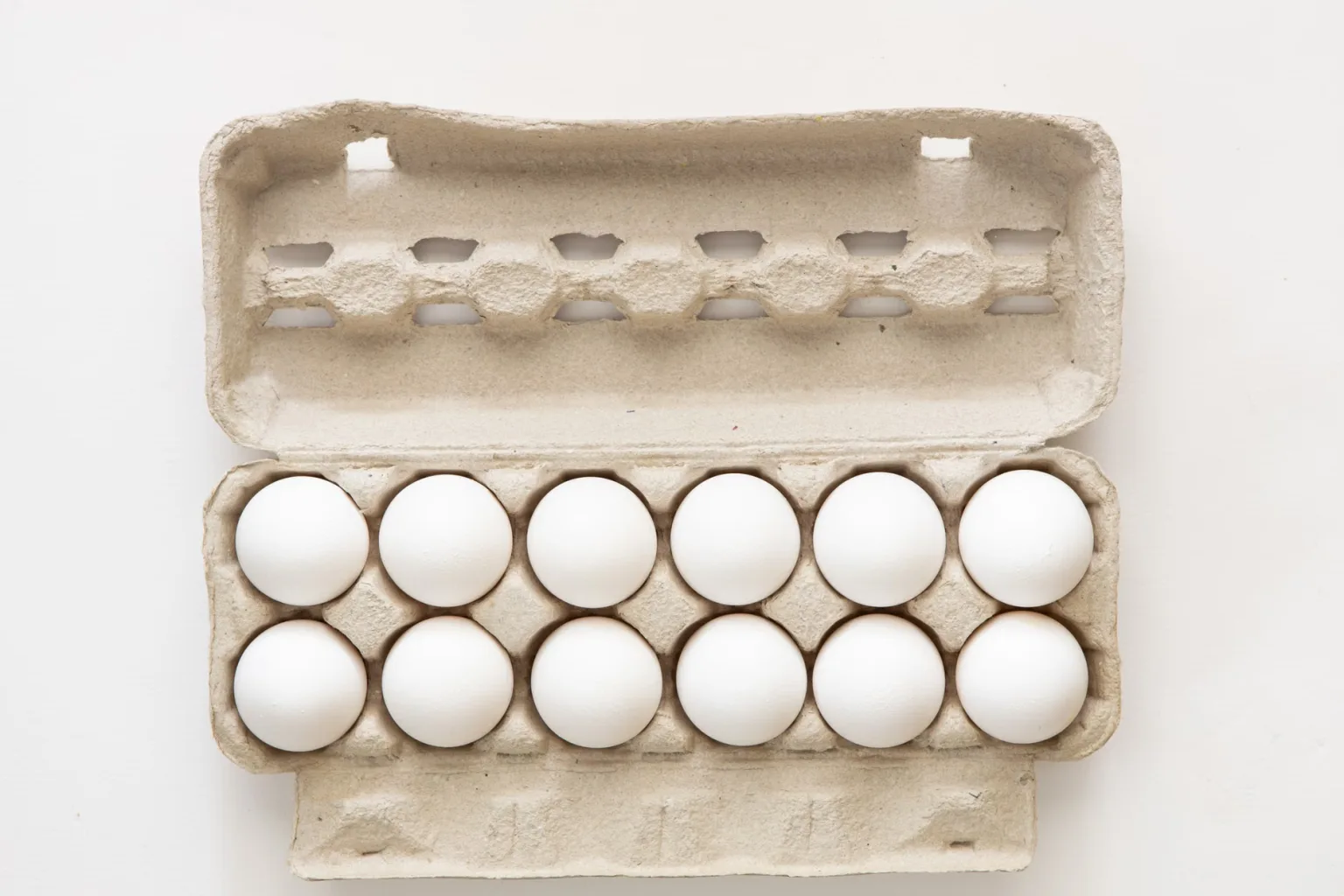
Egg white is the clear, fluid part of an egg that surrounds the yolk. When beaten, it traps air and forms a foam that can add volume and lightness to meringues, mousses, macarons and soufflés. When heated, it turns opaque and sets, helping bind and structure omelettes, baked mixtures and fillings. It can be used on its own or combined with other ingredients; the result depends on whether it is whipped, gently folded in or cooked. Fresh egg white is separated from the yolk at home, and it is also sold as pasteurized liquid or powder. These forms may not behave exactly alike in every recipe, so follow the product instructions and the recipe’s guidance.
When to use it
Use egg white when you want to incorporate air into a mixture, make a sweet or savory foam, or set a dish without adding the yolk. It is commonly used in meringues, mousses, macarons, soufflés and cakes, and can lighten omelettes or fillings. It is also used to clarify stock by trapping particles during cooking. Choose the form that suits the recipe: fresh white is separated from an egg, while pasteurized liquid and powdered egg white are commercial options. If a dish will not be fully cooked, remember that raw egg can pose a Salmonella risk and consider a pasteurized product.
How to use it
Separate the white from the yolk carefully, and keep yolk out of a bowl intended for whipping foam. For meringues and other aerated mixtures, beat to the consistency specified by the recipe, then combine with other ingredients without knocking out more air than necessary. For omelettes, fillings or batters, add the white beaten or unbeaten as directed and cook until set. In a soufflé, foam or cake, fold it in gently when the recipe calls for that technique. Egg white can also be used to clarify stock. If using pasteurized liquid or powdered egg white, follow the package directions because concentration and handling instructions can differ. Wash your hands and utensils after handling raw egg.
Flavour and texture
Fresh egg white has a mild, subtle flavor and a viscous, translucent texture before cooking. When whipped, it forms a light foam that can reach different degrees of firmness; when cooked, it becomes opaque and set. It contributes little flavor on its own, so it works with both sweet and savory ingredients. Its structure changes with the technique and additions: a foam can provide volume, while cooked white can bind or support a preparation.
How to choose it
If buying shell eggs to separate at home, choose a package without cracked eggs and check the date shown. Pasteurized liquid egg white can be convenient when you need a measured amount or are making a dish that will not be fully cooked; check the package instructions. Powdered egg white is another option, but it must be prepared as directed by the manufacturer. Check that the product is clearly identified and that its packaging is intact.
Storage
Store eggs according to the package directions and keep them refrigerated. Once separated, cover egg white, refrigerate it and use it promptly; do not leave it at room temperature for extended periods. Keep utensils that have touched raw egg away from ready-to-eat food, and clean food-contact surfaces. For liquid or powdered egg white, follow the manufacturer’s storage and handling instructions, both before and after opening.
Substitutions
Pasteurized liquid egg white can replace separated fresh white in many preparations, but check the package and recipe because texture and whipping performance can vary. Powdered egg white may also work when reconstituted as directed. Do not assume that every form is interchangeable in every meringue, mousse or batter: check the instructions and use the specified form when a recipe depends on a particular foam.
Common mistakes
A common mistake when whipping egg whites is allowing yolk, grease or residue in the bowl, which can make it harder to achieve a stable foam. Another is stirring an aerated mixture too vigorously and losing volume. Do not assume raw egg white is safe to eat without cooking: Salmonella may be a risk. Follow product directions and take care when handling raw egg.
Safety and allergens
Raw eggs may be contaminated with Salmonella. Refrigerate eggs as directed on the package, avoid cracked eggs, and wash hands and utensils after handling them. For preparations that are not fully cooked, consider pasteurized egg white and follow its storage instructions. Egg is an allergen; disclose its presence where required.
Culinary uses
- Foaming and aerating
- Binding and setting
- Clarifying broths
Recommended techniques
- Whisking to soft or firm peaks
- Folding into batters or mixtures
- Cooking until set
- Clarifying stock
Pairs well with
- Sugar and vanilla in sweet preparations
- Fresh herbs and black pepper in savory dishes
- Lemon in savory dishes and drinks
- Cheese in soufflés
Frequently asked questions
What is egg white used for?
It is used to whip meringues, mousses and soufflés, lighten batters, set omelettes and clarify stock.
Can fresh egg white be replaced with liquid or powdered egg white?
Often, but the result depends on the recipe and product. Follow the package instructions and check whether the recipe needs a particular foam.
Is it safe to eat raw egg white?
Raw egg white may pose a Salmonella risk. For preparations that will not be fully cooked, consider a pasteurized product and follow its directions.
Ingredient allergens
Allergen listThere are no verified associations for these ingredients yet.
Estimated nutrition
- Fat
- 0.17 g
- Saturates
- 0 g
- Carbohydrate
- 0.73 g
- Sugars
- 0.71 g
- Fibre
- 0 g
- Protein
- 10.9 g
- Salt
- 0.42 g
Sources and review
Automatically researched, cross-checked and validated content. Sources consulted:
- En el etiquetado alimentario hay algunas menciones que son obligatorias eletiquetadocuentamucho.aesan.gob.es/obligatoria.html
- Almacenamiento Seguro de Alimentos: - El Refrigerador y el Congelador bookstore.ksre.ksu.edu/download/safe-food-storage-the-refrigerator-and-freezer-spanish_MF313…
- ¿Por qué la muerte es origen de miedos y tabúes? doi.org/10.64628/aao.fccyk3qj3
- The Essential Glossary of Cooking Terms for the Culinary Arts - Escoffier www.escoffier.edu/blog/culinary-arts/the-essential-glossary-of-cooking-terms-for-the-culinar…
- Agencia Española de Seguridad Alimentaria y Nutrición www.aesan.gob.es/
- Eggs • The Nutrition Source nutritionsource.hsph.harvard.edu/food-features/eggs/
- Clara de huevo: beneficios, propiedades y usos en cocina de un alimento rico en proteinas (y 45 recetas para aprovecharlo) www.directoalpaladar.com/ingredientes-y-alimentos/clara-huevo-beneficios-propiedades-usos-co…
- Clara de huevo en polvo: guía práctica de un ingrediente moderno con historia | Gastronomía & Cía www.gastronomiaycia.com/clara-de-huevo-en-polvo-guia-practica-de-un-ingrediente-moderno-con-…
- Alumni destacado: Martin Lowe | Culinary Institute Lenotre culinaryinstitute.edu/es/alumni-destacado-martin-lowe/
- Food & Nutrition | Colorado State University Extension foodsmartcolorado.colostate.edu/tag/rice/
- Clara de huevo frente a espesantes y emulgentes | Bioga www.bioga.org/clara-de-huevo-frente-a-espesantes-y-emulgentes/
- Food allergen labelling and information requirements technical guidance - GOV.UK www.gov.uk/government/publications/food-allergen-labelling-and-information-requirements-tech…