- Category
- Vegetables
- State
- Fresh
- Usual unit
- kg
What it is
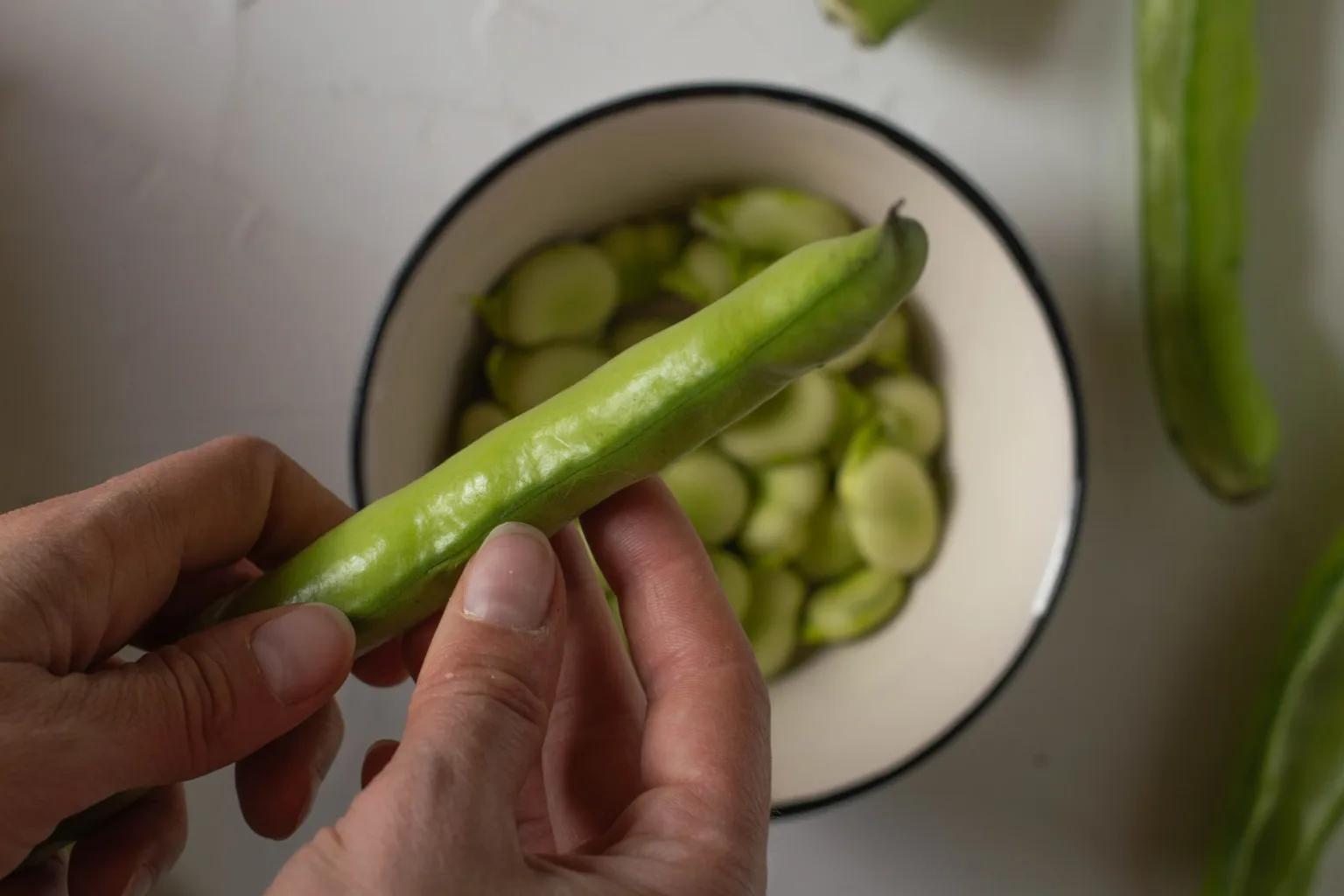
Fresh broad beans are the green seeds of Vicia faba, growing inside elongated pods. They are usually sold in their pods and handled in the kitchen as a tender vegetable, although the plant belongs to the legume family. Seed and pod sizes vary. Small beans are often more tender, while larger ones may have a more noticeable outer skin that can be removed after blanching. The pod can also be cooked when it is young and prepared appropriately. Fresh broad beans should not be confused with dried broad beans: dried beans are mature seeds with a different texture and culinary use. The way you prepare fresh beans can therefore depend on their size, tenderness and whether you plan to use the pod as well as the seeds.
When to use it
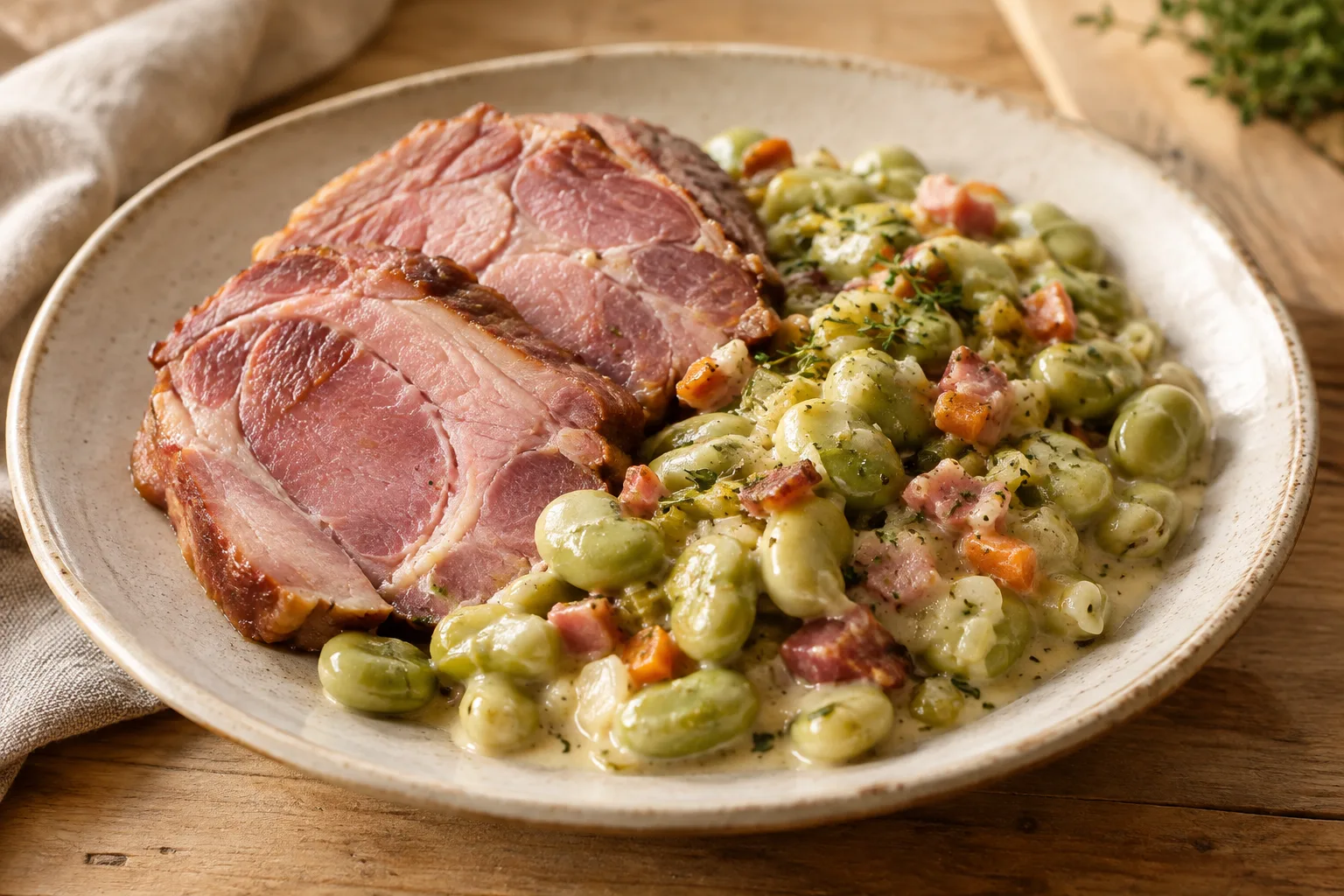
Choose fresh broad beans when you want tender green seeds for a spring meal or a seasonal dish. In some Mediterranean areas, they are mainly available from late winter through spring, though local availability varies. They work in salads, as a side, in sautés and in hearty stews; they also suit dishes featuring ham or mint. If fresh pods are unavailable or you would rather skip shelling, frozen or canned broad beans can be used in recipes that suit those forms.
How to use it
Wash the pods before opening them, then remove the beans by running your fingers along the inside. Small, tender beans may be cooked as they are; if the outer skin seems thick, briefly blanch the beans and cool them promptly to make peeling easier. You can boil, sauté or stew the beans, adjusting the cooking to their size and the texture you want rather than relying on one fixed time. To use the pods, choose young, tender ones, wash them, trim the ends and remove any strings before cooking until pleasant to eat. Pair the beans with onion, mint, ham or rice, or add them to a salad. Cooked broad beans can also be served as a side dish or an appetiser. Check tenderness as you cook, since beans of different sizes may not soften at the same rate.
Flavour and texture
Tender broad beans have a mild, green, slightly sweet flavour and a creamy texture once cooked. Their eating quality varies with size and maturity: small beans can feel more delicate, while larger ones may have a more noticeable outer skin. Young pods, when cooked, bring a different and firmer texture. Blanching can make the skin on larger beans easier to remove, leaving a finer mouthfeel. The result also depends on whether you leave the beans whole, peel them or cook them as part of a stew.
How to choose it
Look for pods that are bright green, firm and clean, without obvious dark blemishes; crisp pods are a useful sign of freshness. Avoid pods that are badly wilted or damaged. Pod size alone does not guarantee the size or tenderness of every bean, so consider the overall condition of the produce. Choose with your recipe in mind: smaller beans are handy for delicate preparations, while larger beans may benefit from peeling. If you plan to cook the pods, look for young, tender examples rather than assuming every pod will be pleasant to eat.
Storage
Fresh broad beans are best enjoyed soon after purchase. Refrigerate them if you are not cooking them right away, and avoid leaving them unused for too long, as pods and beans can lose freshness. Check their condition before preparing them and discard pieces that are clearly damaged or spoiled. Frozen and canned beans are available alternatives for another time; once opened, follow the package directions for storage.
Substitutions
Frozen broad beans can stand in for fresh beans in stews, sautés and other cooked dishes, although they do not provide the fresh pod. Canned broad beans can also suit recipes that accept that form; follow the package instructions and adjust cooking so the beans do not break apart. These options replace the beans, not the texture of young fresh pods used in some dishes.
Common mistakes
Do not assume every broad bean has the same size, tenderness or skin; check the beans and adapt the preparation. If you want small beans to retain their shape, avoid cooking them longer than needed. Another common oversight is forgetting that shelling, and sometimes peeling, takes preparation time. If you plan to cook the pods, do not assume every mature pod will be equally tender or pleasant: choose young pods and check their texture.
Safety and allergens
Wash the pods before opening them. When selecting them, avoid pods that are clearly damaged or spoiled.
Culinary uses
- Fresh vegetable ingredient
- Main ingredient in soups, stews, salads and side dishes
Recommended techniques
- Shelling
- Brief blanching and cooling
- Boiling
- Sautéing
- Stewing
Pairs well with
- Ham
- Mint
- Onion
- Rice
Frequently asked questions
Do fresh broad beans always need peeling?
No. Small, tender beans can be cooked without removing the skin. If the beans are large or the skin feels thick, brief blanching followed by quick cooling can make peeling easier.
Can you cook the pods as well?
Yes, when the pods are young and tender. Wash them, trim the ends, remove any strings, cut them up and cook until the texture is pleasant.
What can I use if fresh broad beans are unavailable?
Frozen or canned broad beans can replace the beans in suitable recipes. They do not replace the texture of fresh pods, and preparation may need to follow the package directions.
Ingredient allergens
Allergen listThere are no verified associations for these ingredients yet.
Sources and review
Automatically researched, cross-checked and validated content. Sources consulted:
- ¿Por qué la muerte es origen de miedos y tabúes? doi.org/10.64628/aao.fccyk3qj3
- Client Challenge doi.org/10.2307/jj.27939689.16
- Gastronomía del Perú - Wikipedia, la enciclopedia libre es.wikipedia.org/wiki/Gastronom%C3%ADa_del_Per%C3%BA
- Vicia faba - Wikipedia, la enciclopedia libre es.wikipedia.org/wiki/Vicia_faba
- Comité Científico www.aesan.gob.es/dam/jcr:ed009337-0085-4c40-8a9d-4941400ca954/comite_cientifico_35.pdf
- Aplicaciones de la Biotecnología en Seguridad Alimentaria aesan.gob.es/dam/jcr:2eecb52a-e252-4339-b93a-db3e3c7faab6/biotecnologia.pdf
- Transnational identity, food and community dr.lib.iastate.edu/bitstreams/89a09b17-bb45-4390-a97d-4319ca795535/download
- Habas frescas | Gastronomía & Cía www.gastronomiaycia.com/habas-frescas/
- Manual para Navegar el Puget Sound Food Hub rvs.umn.edu/Uploads/EducationalMaterials/1f979530-6ec7-44f8-a32d-cb79314abfc3.pdf
- 7 recetas con habas: cocina de forma sencilla las legumbres más tiernas y sabrosas www.google.com/goto?url=CAESaAHrOzAVoJn8xFY198nAVjag--R2boNyROENOCmlSj_qxELgawb1fDyS6CEimNGL…
- Es temporada de habas frescas - LaWebcinera lawebcinera.es/es-temporada-de-habas-frescas/
- - YouTube www.youtube.com/watch?v=egDRrCT6iYo
- Habas tiernas: qué son, cómo se cocinan y cuáles son los beneficios de la vicia faba www.google.com/goto?url=CAESygEB6zswFTgYzlQX2lnQvhlEkzZhxVZakXM3DapV04fN8qGKtxUh1GEoPycRZ4Vd…