- Category
- Vegetables
- State
- Fresh
- Usual unit
- unit
What it is
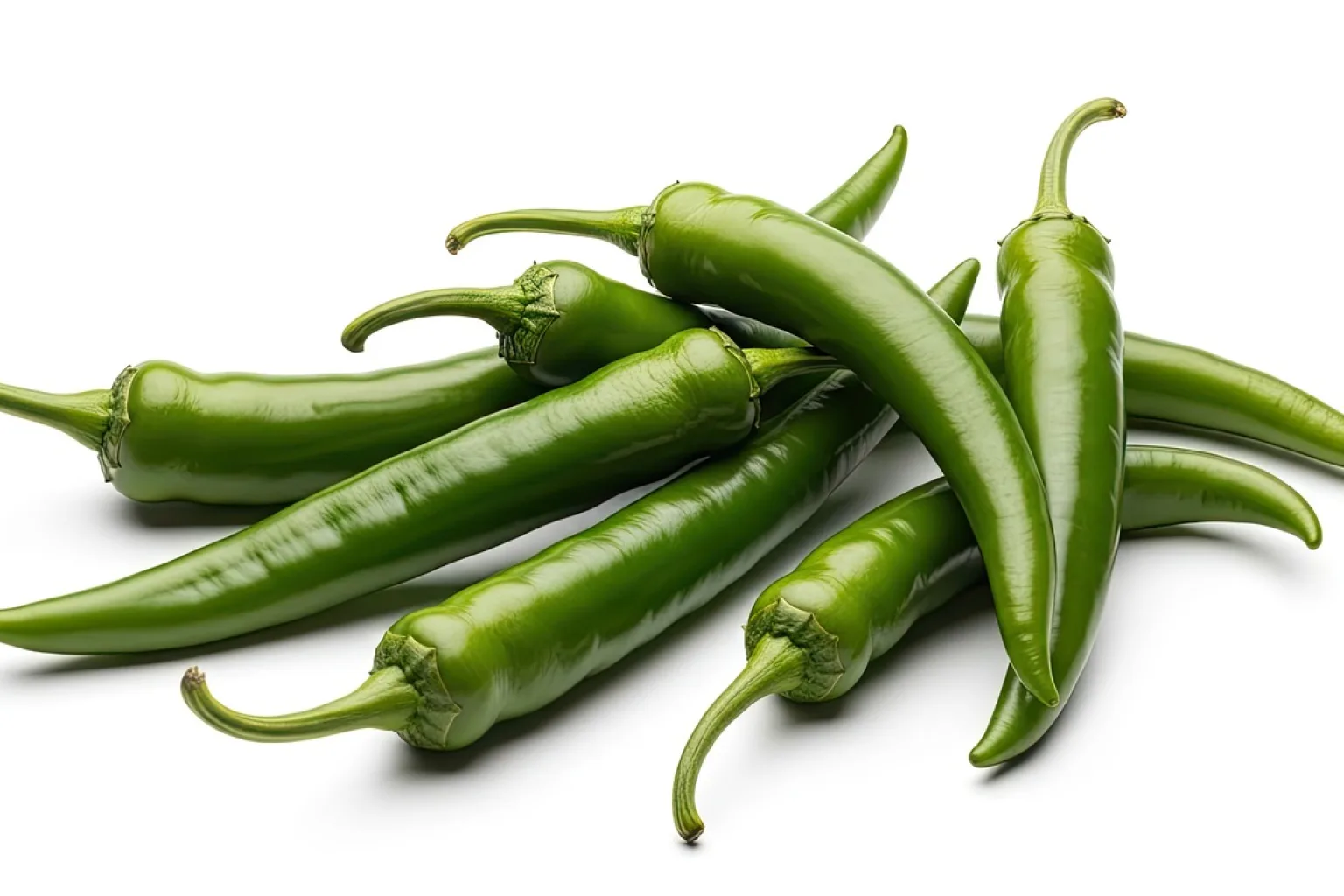
A fresh chili pepper is the fresh fruit of a plant in the Capsicum genus, part of the nightshade family. The term covers many varieties, not a single pepper: size, color and heat differ, and some Capsicum peppers are mild or sweet. Depending on the variety and maturity, a fresh chili may be green or another color. It can be used whole, chopped or roasted. Fresh chiles are distinct from dried chiles, which have a different texture and can give a dish a different flavor profile.
When to use it
Use fresh chili when you want to add heat, a vegetal flavor or a fresh contrast to a dish. Chopped raw chile works in salsa, guacamole and pico de gallo; cooked chile can go into stews, adobos and hot sauces. Since heat varies between varieties and individual peppers, begin with a small amount and taste before adding more. Choose a milder variety for a restrained lift or a hotter one when you want the chile to stand out.
How to use it
Wash and dry the chile before cutting it. For raw use, remove the stem, chop finely and add it gradually to salsa, guacamole or pico de gallo, tasting as you go. To roast it, heat the pepper until the skin blisters, then peel the skin if the recipe calls for it. You can also cook fresh chile into a sauce or stew. Capsaicin is especially concentrated in the inner veins; removing them can reduce the heat, while cooking does not reliably make a chile milder.
Flavour and texture
Flavor can be fresh and vegetal or more pronounced, while heat varies widely with the variety and individual pepper. Fresh flesh is generally firm and juicy; roasting softens it and can blister the skin. Color depends on the variety and maturity, and may include green, red, yellow or other shades. Do not rely on color or size alone to predict how hot a pepper will be.
How to choose it
Choose peppers that are mature for their type, heavy for their size, smooth, firm and crisp. Avoid wrinkled skin, soft spots, bruises, mold or markedly misshapen pods. Variety strongly influences size, color and heat, and individual peppers can still differ. If heat matters to your dish, choose a variety whose intensity you know and taste a small piece before using it throughout the recipe.
Storage
Handle chiles carefully and freeze them if you need to keep them longer. They may be frozen whole or cut, peeled or unpeeled; to keep individual peppers easy to separate, freeze them in a single layer first, then package them for the freezer. Freezing does not reliably reduce heat. For preservation methods other than freezing, follow tested instructions specific to that method.
Substitutions
One fresh chili variety can replace another, but flavor and heat may change substantially; start with less and adjust after tasting. Jalapeño and serrano are fresh options used in salsa preparations, but they are not automatically interchangeable in heat. Dried chile is a possible stand-in only when the recipe can accommodate a different texture and flavor profile.
Common mistakes
Avoid adding a large amount before you know how hot the pepper is: intensity differs by variety and individual pepper. Do not expect cooking or freezing to reliably remove heat. Removing the inner veins can help moderate it. Keep your hands away from your eyes after handling hot chiles, and account for the texture change if replacing fresh chile with dried.
Safety and allergens
Hot chiles can irritate or burn skin and eyes. Wear gloves when handling them, keep your hands away from your eyes, and wash your hands and utensils thoroughly afterward.
Culinary uses
- Aporta picor y sabor a salsas y guisos
- Se sirve crudo o se cocina como ingrediente o acompañamiento
Recommended techniques
- Picar y añadir crudo
- Asar o tatemar para retirar la piel
- Cocinar en salsas y guisos
Pairs well with
- Guacamole
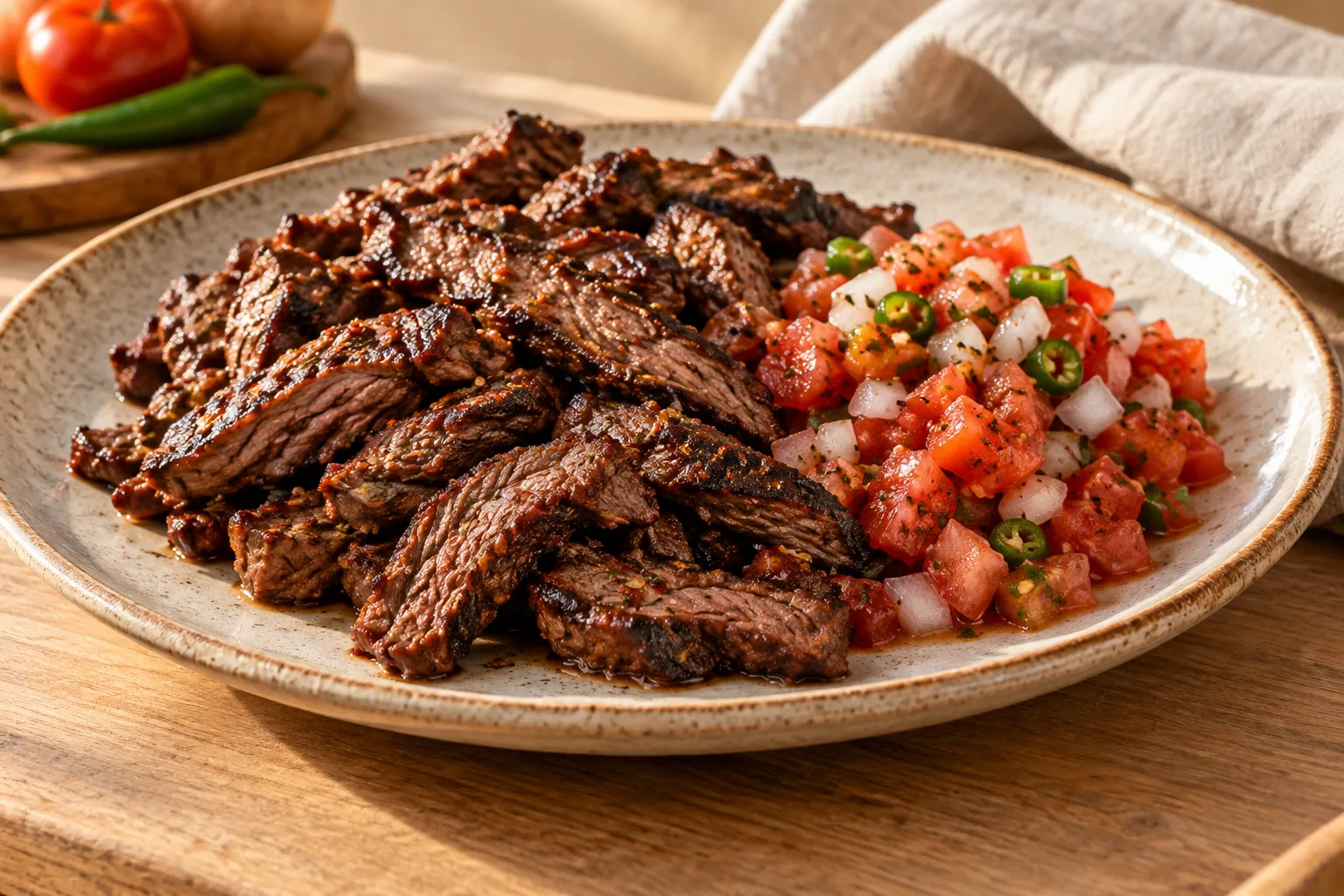
- Salsa verde y pico de gallo
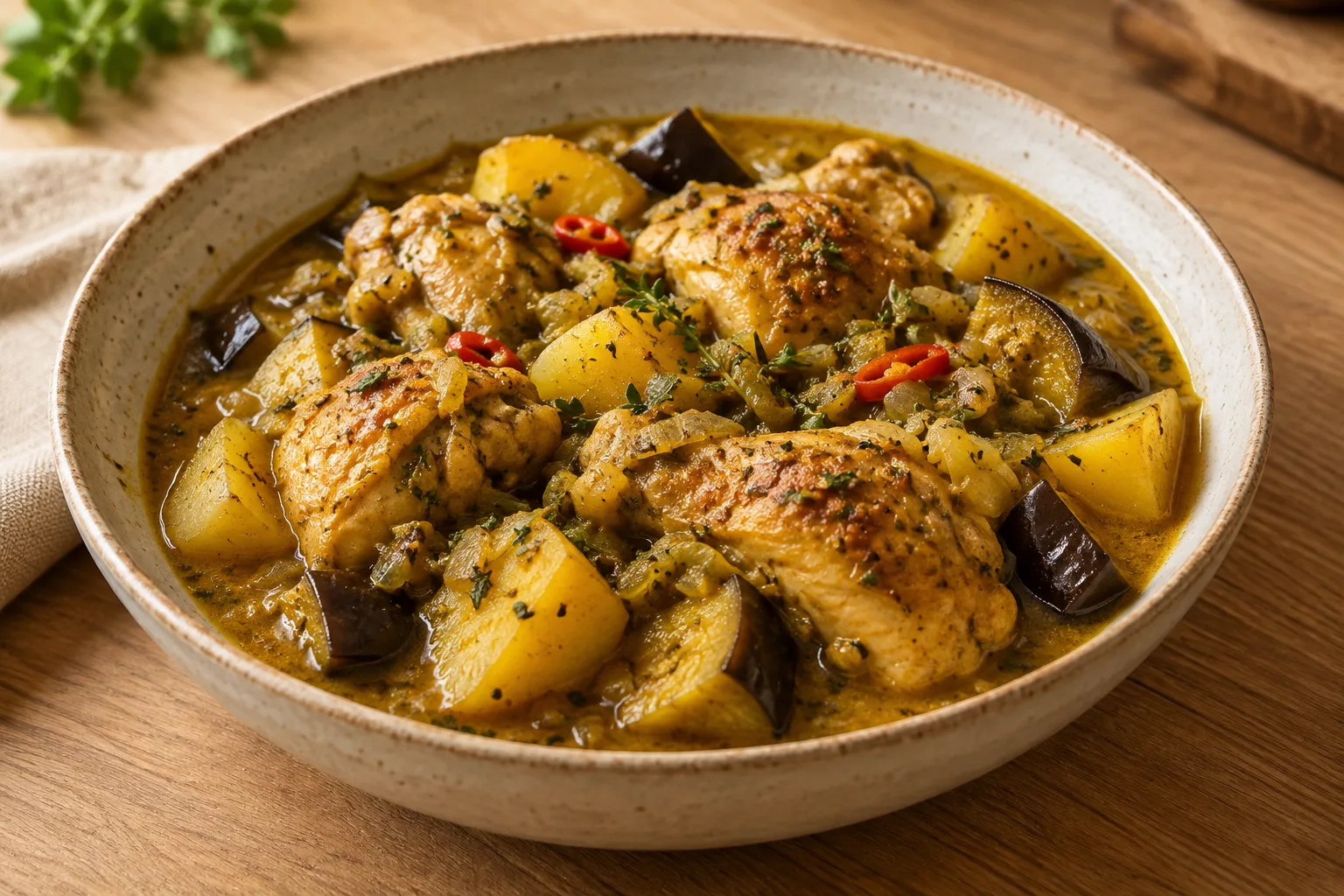
- Guisos y adobos
Frequently asked questions
How can I make a fresh chili less hot?
Remove the inner veins, where capsaicin is especially concentrated, and add the pepper gradually. Heat varies, so taste a small amount before using it throughout the dish.
Do fresh chiles lose heat when cooked or frozen?
Not reliably. Heating and freezing do not reliably reduce a chile's heat; removing the inner veins can moderate it.
How can I keep fresh chiles for longer?
Freeze them whole or cut, peeled or unpeeled. Freezing them in a single layer first makes it easier to separate the pieces before packaging.
Ingredient allergens
Allergen listThere are no verified associations for these ingredients yet.
Estimated nutrition
- Fat
- 0.44 g
- Saturates
- 0.04 g
- Carbohydrate
- 8.81 g
- Sugars
- 5.3 g
- Fibre
- 1.5 g
- Protein
- 1.87 g
- Salt
- 0.02 g
Sources and review
Automatically researched, cross-checked and validated content. Sources consulted:
- Client Challenge doi.org/10.2307/jj.27939689.16
- The Essential Glossary of Cooking Terms for the Culinary Arts - Escoffier www.escoffier.edu/blog/culinary-arts/the-essential-glossary-of-cooking-terms-for-the-culinar…
- Agencia Española de Seguridad Alimentaria y Nutrición www.aesan.gob.es/
- El chile, ingrediente esencial en la cocina de México - Formacion en Gastronomia www.formacionengastronomia.com/cocina-latina/chile/
- How to Preserve Chiles | USU extension.usu.edu/preserve-the-harvest/research/chiles
- El CHILE como alimento amc.edu.mx/revistaciencia/images/revista/66_3/PDF/Chile.pdf
- Assessing Food Access in Oregon's Willamette Valley pdxscholar.library.pdx.edu/cgi/viewcontent.cgi?article=1031&context=geog_fac
- - YouTube www.youtube.com/watch?v=tNjTDLgC6hk
- Chile jalapeño Km 0 de Lleida fresco, picante y cultivado en huerto propio - Km0 km0andanifruits.com/chile-jalapeno-historia-cultivo-y-usos-en-la-cocina-espanola/
- Storing Food for Safety and Quality wpcdn.web.wsu.edu/extension/uploads/sites/45/2017/03/PNW0612-Storing-Food-for-Safety-and-Qua…