- Category
- Herbs and spices
- State
- Fresh
- Usual unit
- Variable
What it is
Fresh chopped cilantro is the cut leaf and often tender stem of Coriandrum sativum, an herb in the Apiaceae family. It is sold fresh and used whole or chopped in many kinds of dishes. It is not the same ingredient as dried coriander seed: the leaves have a fresh, pungent, citrus-like profile, while the seed is used as a spice and tastes different. In some English-speaking regions, cilantro usually means the leaves and coriander the seed; naming varies by place. Chopped cilantro can be mixed into a sauce or used as a fresh finishing herb added just before serving.
When to use it
Use cilantro when you want to add a fresh green aroma and a lively herbal note. It works in uncooked salsa, guacamole, salads, soups, rice, beans and stews, and is used in Latin American, Caribbean and Asian cooking. For a noticeable fresh aroma, stir it in near the end of cooking or scatter it over the finished dish. It can also be blended from the start into a sauce or other uncooked preparation. Its flavor is distinctive and not enjoyed by everyone, so adjust the amount to suit the people eating the dish.
How to use it
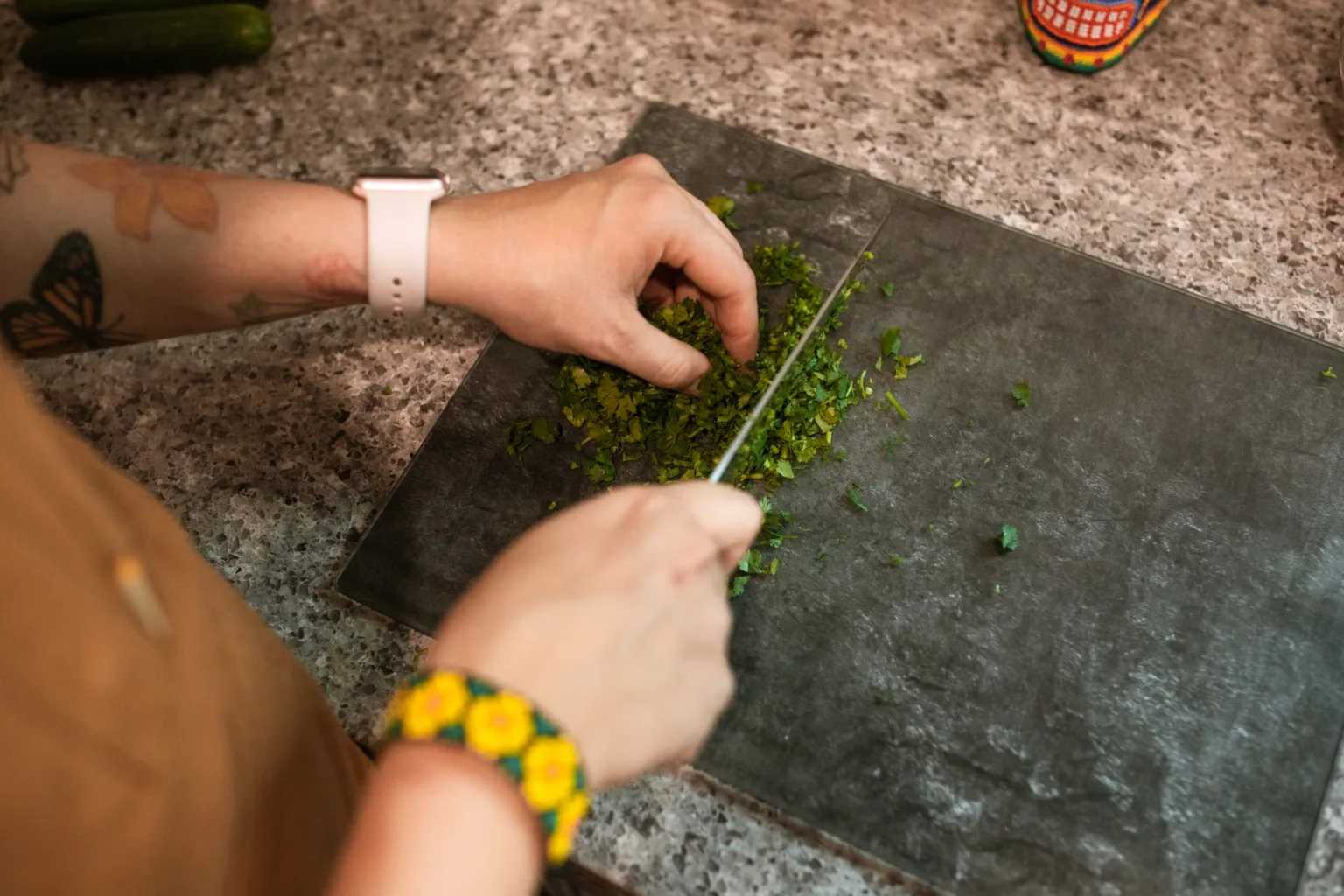
Remove wilted or damaged leaves and separate any stems that are too fibrous for the dish. Chop the leaves and tender stems with a clean knife; a fine cut distributes the herb through sauces, dressings and mixtures. Stir it into pico de gallo, guacamole, salads or dressings, or sprinkle it over soups, beans, rice and stews near the end of cooking. For a smooth sauce, blend it with the other ingredients. Start with a moderate amount and taste before adding more, since its aroma can dominate a dish. Leaves and seeds are not interchangeable in either flavor or quantity.
Flavour and texture
Fresh leaves have a vivid, pungent and distinctive green aroma, with notes often described as fresh and citrus-like. The flavor is intense, and some people perceive it as soapy; individual responses differ. Once chopped, it adds tender flecks and a leafy herbal quality. Dried coriander seed has a different flavor, so it should not be expected to reproduce the taste of fresh leaves.
How to choose it
Choose bunches with green, fresh-looking leaves and no extensive yellow, slimy or wilted patches. Check that the stems are not soft or damaged. Fresh cilantro loses its appearance over time, so buy an amount you expect to use soon. If buying it chopped in a package, check that it is refrigerated and that the package is intact, and follow its label instructions.
Storage
Keep it refrigerated in a clean, covered container; fresh leaves wilt quickly, so use them within a few days. Keep chopped cilantro covered and refrigerated, and avoid leaving it at room temperature unnecessarily. If you buy it whole, chop it close to the time of use to retain more of its aroma and texture. Follow package storage directions when provided.
Substitutions
Flat-leaf parsley can stand in as a green herb, but its flavor is milder and different. Fresh mint or basil may work in some salads and sauces, depending on the other ingredients, but neither reproduces cilantro’s flavor. Choose a substitute to suit the dish rather than automatically replacing the leaves with coriander seed, which has its own distinct taste.
Common mistakes
Treating fresh leaves and dried coriander seed as the same ingredient gives a different result. Using too much cilantro can mask other flavors, while prolonged cooking reduces its fresh impact. Do not mistake it for parsley just because the leaves look similar: their aromas and flavors differ. For a fresh finish, it is often better added near the end.
Safety and allergens
Wash your hands and use clean utensils when preparing fresh herbs. Remove visibly spoiled parts and follow any storage instructions on the package.
Culinary uses
- Fresh finishing herb for brightness and aroma
- Chopped ingredient in sauces, salads, soups, stews and seasonings
Recommended techniques
- Chop shortly before use and add near the end of cooking or just before serving
- Blend or finely chop into uncooked sauces, dressings and herb mixtures
Pairs well with
- Tomato, onion and chile in fresh salsa
- Lime or lemon, avocado and cucumber
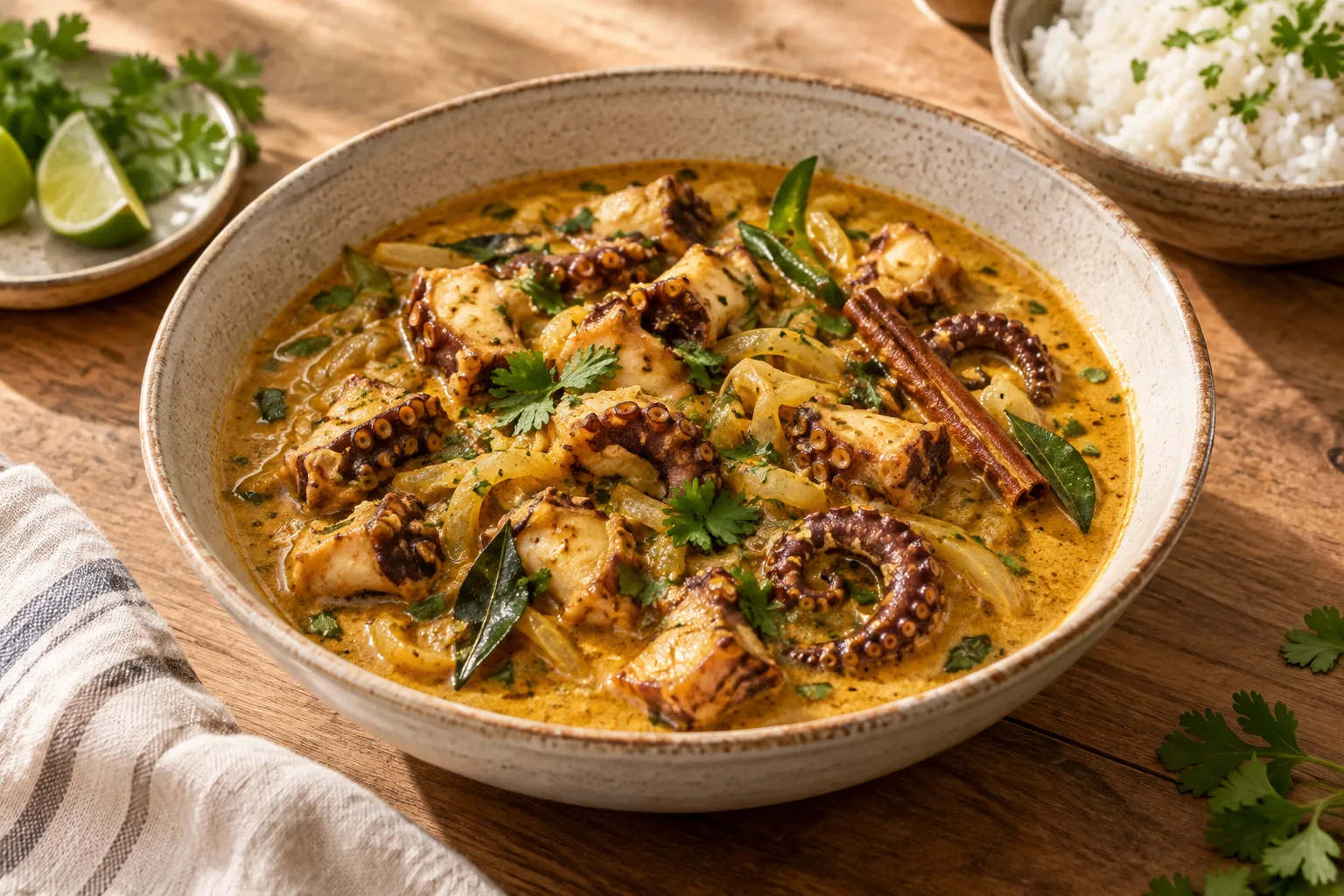
- Beans, rice, soups and curries
Frequently asked questions
Are fresh cilantro and coriander seed the same?
They come from the same plant but are different parts and taste different. The leaves are used fresh; the seeds are used dried or ground as a spice.
When should chopped cilantro go into a stew?
For a fresh aroma, add it near the end of cooking or just before serving. It can also be added earlier when it is part of a cooked sauce or mixture.
What can I use if I do not have cilantro?
Flat-leaf parsley gives a green herbal note but does not taste the same. Mint or basil may suit some dishes; choose according to the other ingredients.
Ingredient allergens
Allergen listThere are no verified associations for these ingredients yet.
Sources and review
Automatically researched, cross-checked and validated content. Sources consulted:
- Client Challenge doi.org/10.2307/jj.27939689.16
- The Essential Glossary of Cooking Terms for the Culinary Arts - Escoffier www.escoffier.edu/blog/culinary-arts/the-essential-glossary-of-cooking-terms-for-the-culinar…
- Sabores de nuestras tierras/recetas - 2024 | Agricultura y Recursos Naturales ucanr.edu/site/agricultura-y-recursos-naturales/sabores-de-nuestras-tierras-recetas-2024
- EFNEP Hispanic Heritage Recipes | Community Nutrition | Extension/College of Agriculture, Health & Natural Resources | University of Connecticut communitynutrition.cahnr.uconn.edu/efnep-hispanic-heritage-recipes/
- El cilantro. ¿Qué es? Beneficios, propiedades y usos en la cocina www.abc.es/recetasderechupete/el-cilantro-que-es-beneficios-propiedades-y-usos-en-la-cocina/…
- Cilantro: qué es, propiedades y usos en la cocina bonviveur.com/es/noticias/cilantro
- Salsa Picante 1985 (Spicy Salsa) - lacocina.utsa.edu/salsa-picante-1985/
- Making Corn Tortillas and Salsa coloradosph.cuanschutz.edu/docs/librariesprovider151/default-document-library/inventasalsa--…
- Coriandrum sativum - Wikipedia, la enciclopedia libre es.wikipedia.org/wiki/Coriandrum_sativum
- Pico de Gallo - CDN nyc.cce.cornell.edu/files/2026/07/5-Pico-de-Gallo-7-15-2022-no-EEO.pdf
- Cilantro: propiedades, orígen y usos en la cocina - Oriental Market www.orientalmarket.es/cilantro/?srsltid=AYCX9vJgqvZ4W_Q6VIST-CuFhYaOLryALYt1mIBRmkAzkMkkLEJy…
- ¿A qué sabe el cilantro? ¿delicia o asquerosidad? | El arte de comer bien | mentta www.mentta.com/blog/a-que-sabe-el-cilantro/?srsltid=AYCX9vIZgjfqAPzD6A_kGNz5O5sW9tI_kxJ7AeK5…
- El cilantro. Su utilización en la cocina www.directoalpaladar.com/ingredientes-y-alimentos/el-cilantro-su-utilizacion-en-la-cocina