- Category
- Vegetables
- State
- Fresh
- Usual unit
- cup
What it is
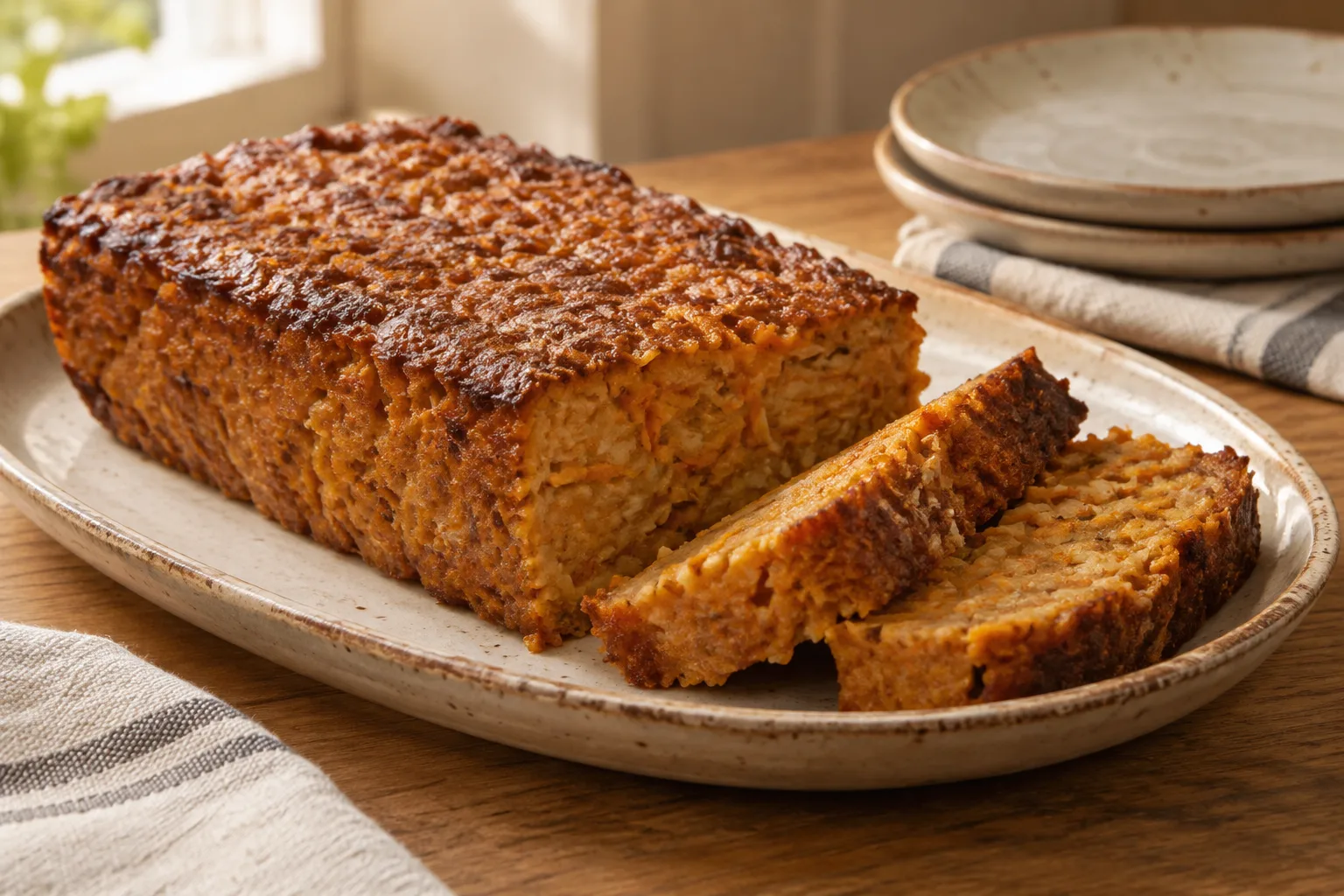
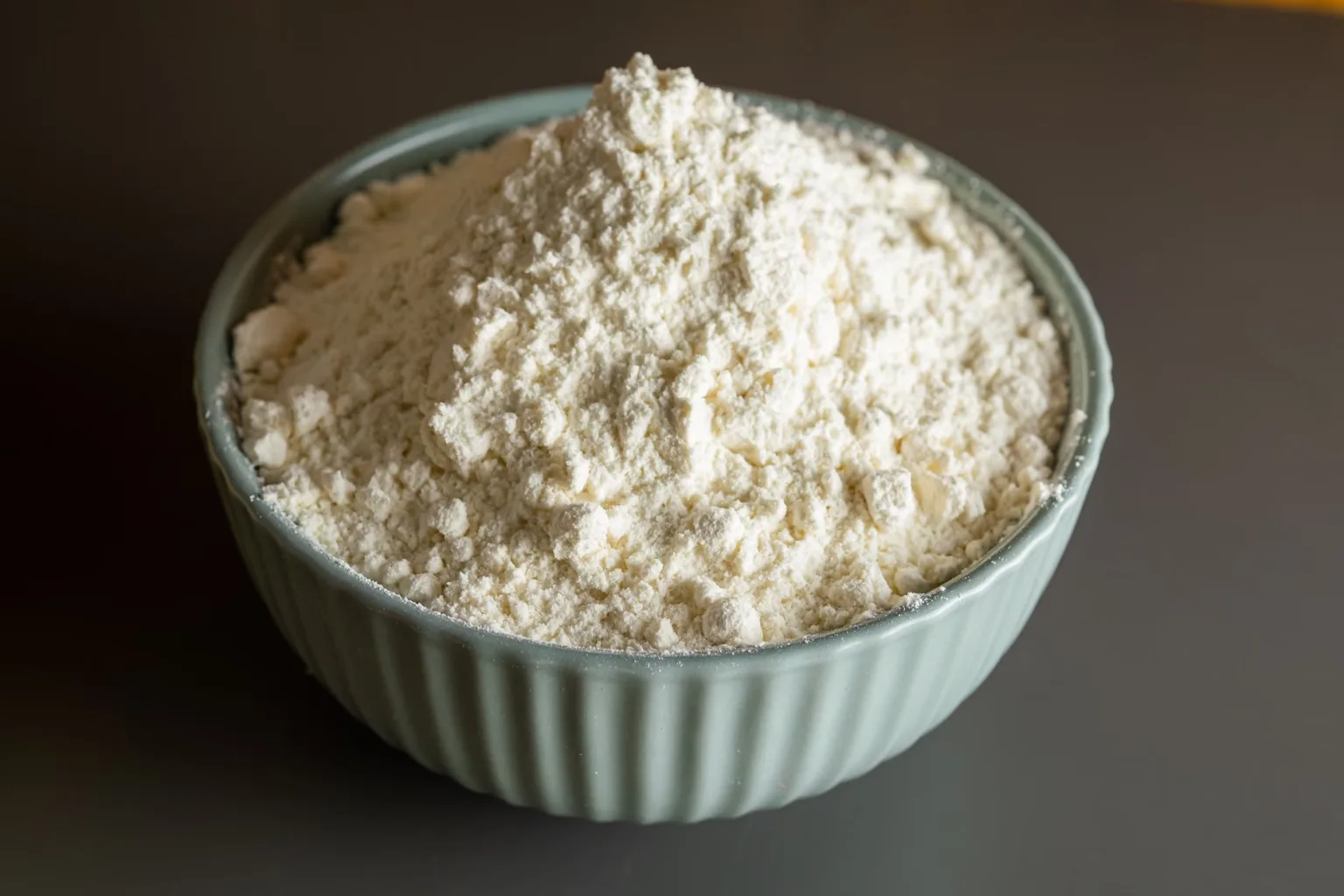
Grated white yam is white-fleshed yam that has been peeled and reduced to fine shreds or small pieces. Yam belongs to the Dioscorea genus, although the common name can cover different varieties. White yam flesh is described as firm and neutral in flavor, while the grated form is ready to mix into a batter or cook as a main ingredient. It is not cassava or sweet potato, even though those tubers can serve similar culinary functions in some dishes. Grating changes how the ingredient is used: it can be mixed into a batter or cooked as part of a main dish. It is used in savory preparations such as fritters, dumplings, cakes and mash, as well as in some sweet recipes.
When to use it
Choose grated white yam when you want the tuber distributed evenly through a dish rather than served in chunks. It is convenient for fritters, dumplings, cakes and batters where yam adds structure and body. Its mild profile works with savory seasonings, cheese, garlic, onion and herbs, and it can also be used in some sweet recipes. If a recipe calls for boiled and mashed yam, grated yam may need to be cooked first or the mixture adjusted; do not assume the two forms behave the same way. Choose a recipe that explains how to cook it and check that the center is done.
How to use it
Peel and grate the yam with a clean grater if it is not already prepared; handle it carefully and keep it away from surfaces or foods that are ready to eat. Fold it into a mixture for fritters, cakes or other cooked preparations with the ingredients specified by your recipe. Since grated yam can hold varying amounts of moisture, add liquid gradually and adjust the consistency before cooking. You can also boil or steam it and mash it for a purée or dough. For fried or baked preparations, portion the mixture evenly and cook until the center is done rather than relying only on the exterior color. Yam is used in both savory dishes and some sweet preparations.
Flavour and texture
White yam has a mild, neutral or slightly sweet flavor and firm flesh. Grated, it adds texture and can give body to mixtures and batters; the finished result varies with the variety, shred size and cooking method. Do not expect it to taste or feel exactly like potato, sweet potato or cassava.
How to choose it
If buying a whole yam to grate, look for a firm tuber without visibly damaged areas, and check that it is identified as white yam because common names can refer to different types. For pre-grated yam, choose an intact package and check the label to confirm the product and read its instructions. White flesh alone does not identify the species with certainty.
Storage
No storage duration is established here for grated yam, so avoid assigning it a shelf life yourself. For a packaged product, follow its label directions and the date shown on the package. For yam grated at home, consult reliable guidance for storing fresh foods and keep it separate from ready-to-eat foods. Directions for a whole tuber do not determine how to store it once grated.
Substitutions
Potato can replace yam in some preparations, but its moisture and texture may change the result; adjust the mixture gradually. Sweet potato or taro may also work as culinary alternatives, although their flavor, color and cooking behavior are not identical. When replacing grated yam with cooked, mashed tuber, adjust the liquid and cooking method.
Common mistakes
Do not assume that every tuber labeled yam is interchangeable, or that grated yam behaves like cooked, mashed yam. Adding all the liquid at once can make a batter too loose. Do not remove a preparation from the heat just because the outside looks cooked; check that the center is done.
Safety and allergens
Use yam sold as food and follow a recipe that explains how to cook it. If you cannot confirm which tuber you have or whether it is suitable for consumption, do not use it. Protect grated yam from contamination and follow package directions for packaged products.
Culinary uses
- Base for fritters, dumplings and other cooked preparations
- Ingredient in batters, cakes, purées and soups
Recommended techniques
- Boiling or steaming
- Grating and incorporating into mixtures for frying or baking
Pairs well with
- Cheese and savory dairy products
- Garlic, onion and aromatic herbs
Frequently asked questions
Can grated white yam be eaten raw?
Use it in preparations that are cooked. The recipes available describe yam in cooked dishes and do not establish that grated yam is intended to be eaten raw.
What can I make with grated yam?
Add it to batters, fritters, dumplings or cakes. You can also cook and mash it for purée or use it as part of a more elaborate dish.
Is yam the same as cassava?
No. They are different tubers. They may have some overlapping culinary uses, but their flavor, texture and cooking behavior are not identical.
Ingredient allergens
Allergen listThere are no verified associations for these ingredients yet.
Sources and review
Automatically researched, cross-checked and validated content. Sources consulted:
- ¿Por qué la muerte es origen de miedos y tabúes? doi.org/10.64628/aao.fccyk3qj3
- Client Challenge doi.org/10.2307/jj.27939689.16
- The Essential Glossary of Cooking Terms for the Culinary Arts - Escoffier www.escoffier.edu/blog/culinary-arts/the-essential-glossary-of-cooking-terms-for-the-culinar…
- Gastronomía de Costa Rica - Wikipedia, la enciclopedia libre es.wikipedia.org/wiki/Gastronom%C3%ADa_de_Costa_Rica
- Manihot esculenta - Wikipedia, la enciclopedia libre es.wikipedia.org/wiki/Manihot_esculenta
- El ñame: Un tesoro nutricional y gastronómico | Blog | MenuDiet ® www.menudiet.es/blog/articulo-el-name-un-tesoro-nutricional-y-gastronomico
- Ñame: el tubérculo que mejora la memoria y las conexiones neuronales www.plataformatierra.es/actualidad/name-tuberculo-que-mejora-la-memoria
- - YouTube www.youtube.com/watch?v=za3sCmdSFEI
- Ñame: impopular, pero delicioso | Recetas Nestlé www.recetasnestle.com.ec/escuela-de-sabor/tips-de-recetas/name