- Category
- Vegetables
- State
- Fresh
- Usual unit
- cup
What it is
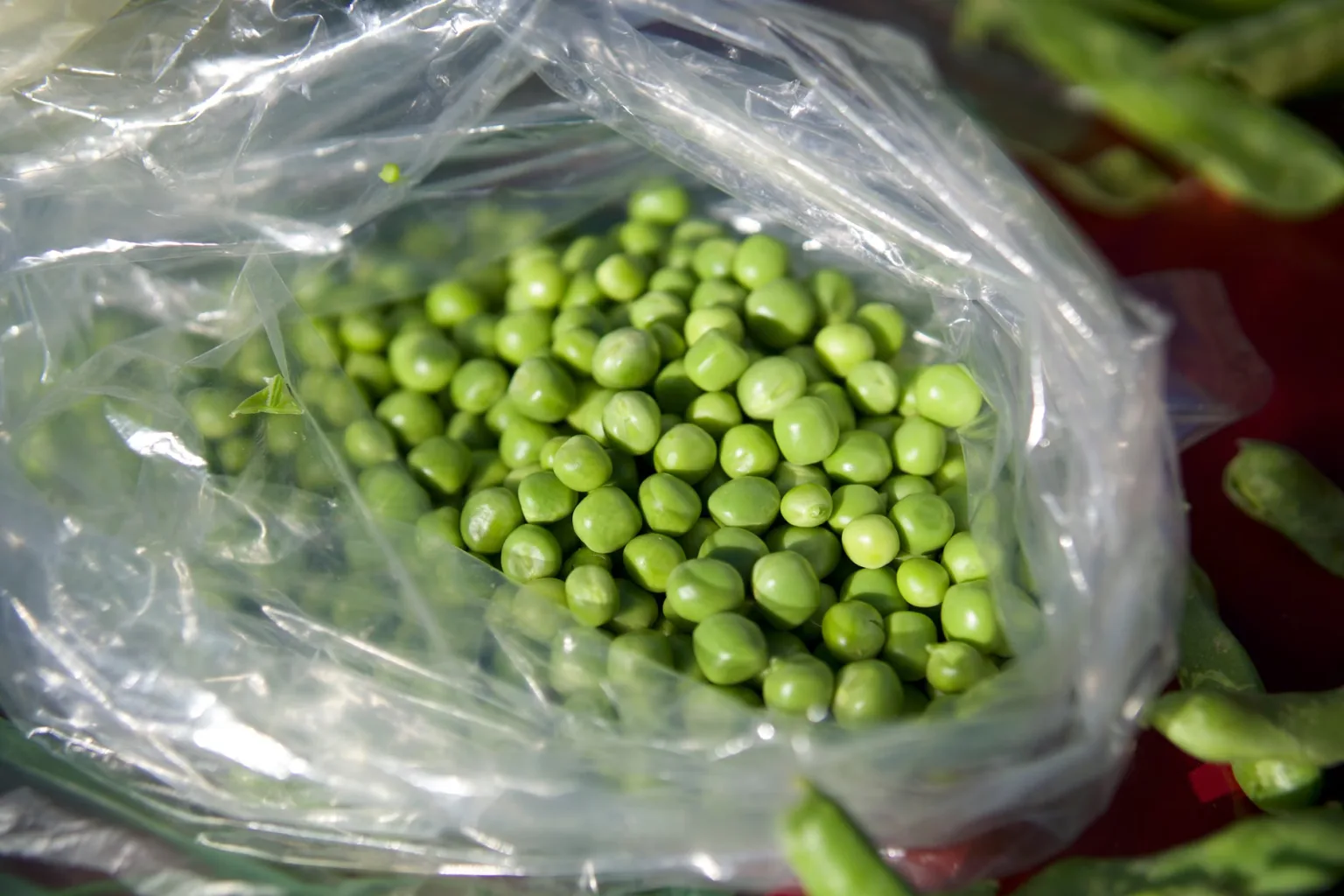
A green pea is the edible seed of a plant in the species Pisum sativum. The seeds grow inside a pod; for the mature green peas commonly sold for shelling, the seeds are usually eaten and the pod may be fibrous. Botanically, peas are legumes, although cooks often use fresh green peas as a vegetable. They are not the same as snow peas or snap peas, whose tender pods are eaten too. This profile describes fresh green peas, not dried split peas.
When to use it
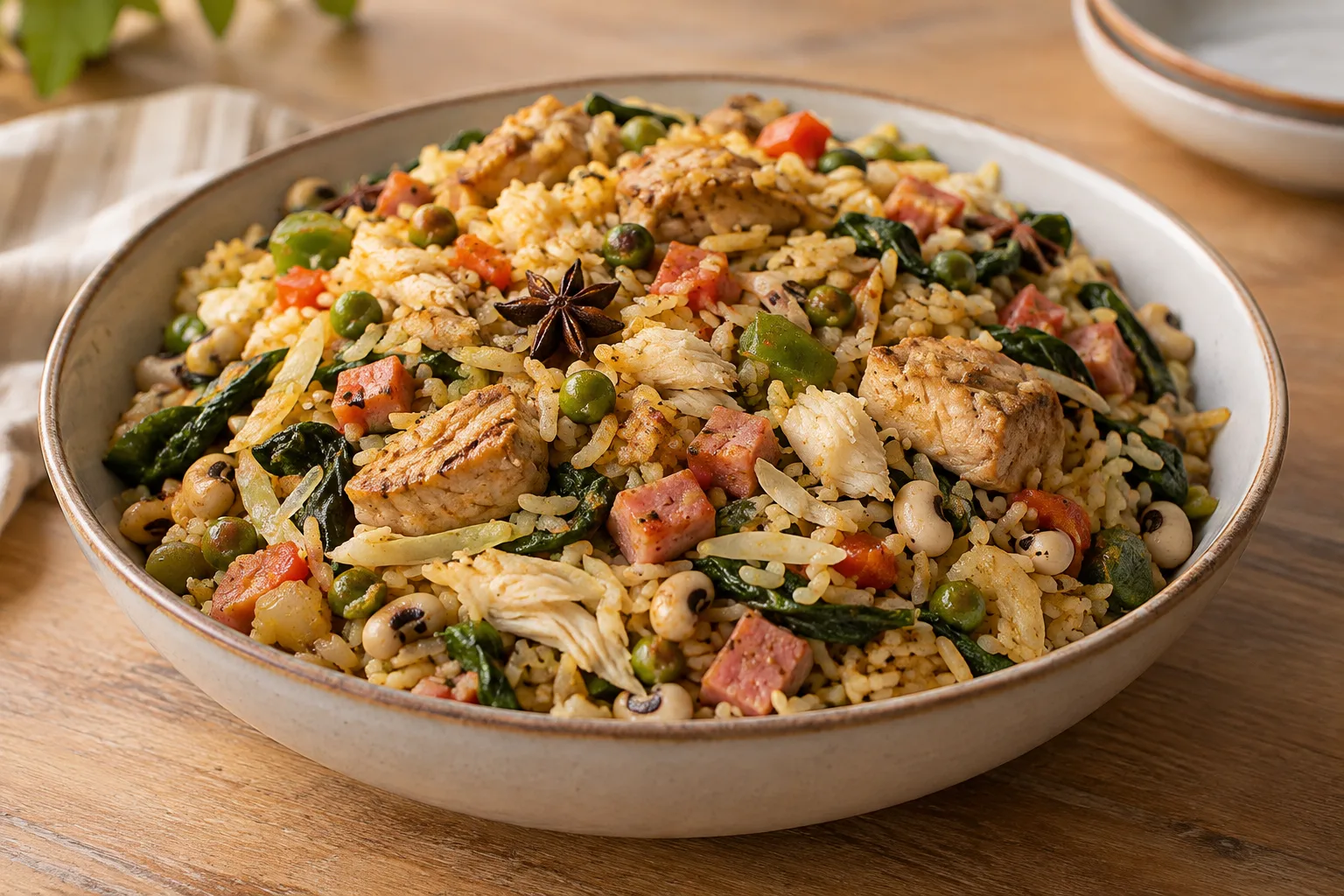
Use fresh green peas when you want a gently sweet, vegetal flavor and a green accent in a meal. They work as a side or as an ingredient in soups, stews, rice dishes, pasta, salads and purées. In Spain, fresh peas are particularly associated with spring, though local availability varies. Frozen or canned peas are alternatives for cooking when fresh peas are out of season; the format changes the texture and the starting point for preparation.
How to use it
Open the pod and shell the peas; for common shelling peas, the fibrous pod is generally not the part used. For a side dish, briefly boil or sauté the peas and season to taste. They can also be blanched and cooled quickly, added toward the end of cooking in soups and stews, or stirred into rice and pasta. Blend them into a purée or cream soup. Adjust preparation to the peas’ size and format: fresh, frozen and canned peas do not start in the same condition, and canned peas are often softer. Follow the package directions for packaged products.
Flavour and texture
Fresh green peas are commonly described as sweet and vegetal, with a tender texture that can retain some firmness. Maturity and the time elapsed after harvest can affect sweetness and texture: peas kept longer before use may be less sweet and more floury. Frozen and canned peas can differ from fresh peas; canned peas are often softer.
How to choose it
For fresh peas in pods, look for firm, green pods without obvious blemishes, with seeds that feel developed inside. The pod helps you assess the product, although the seeds are usually what you eat with common shelling peas. For shelled peas, check that they look sound and are properly refrigerated. Frozen and canned peas offer alternatives when fresh peas are not in season.
Storage
Storage depends on whether you buy fresh, frozen or canned peas. For frozen or packaged products, follow the storage directions on the package. The available information does not establish a specific storage life for fresh peas, so do not assign a fixed duration; follow local food-safety guidance. Freezing is one way to have peas available outside the fresh season, but use a reliable preservation method.
Substitutions
Frozen peas can replace fresh peas in soups, stews, rice dishes and sides; adjust preparation to the package directions. Canned peas can also work in cooked dishes, but they are often softer and will not give exactly the same result as fresh peas. Do not confuse shelling peas with snow peas or snap peas, whose tender pods are eaten.
Common mistakes
Do not handle every format as though its texture and preparation needs were identical: fresh, frozen and canned peas start in different states. Another common mistake is cooking peas longer than a recipe needs, which can make them lose firmness. With common shelling peas, do not assume the pod is tender and edible; it is often fibrous.
Safety and allergens
Keep hands, utensils and work surfaces clean when preparing food. For frozen or canned peas, follow the package directions and do not use products with damaged packaging or contents that appear spoiled.
Culinary uses
- A vegetable-style ingredient for side dishes
- A green ingredient for soups, stews, rice, pasta, salads and purées
Recommended techniques
- Brief boiling
- Blanching and rapid cooling
- Sautéing
- Steaming
Pairs well with
- Rice and pasta
- Onion and garlic
- Ham
- Meat, poultry and fish
Frequently asked questions
Are peas vegetables or legumes?
Botanically, peas are legumes because their seeds grow in pods. In cooking, fresh green peas are often used as a vegetable.
Can you eat the pod of green peas?
With common shelling peas, people usually eat the seeds, while the pod is often fibrous. Snow peas and snap peas are different: their tender pods are eaten too.
Can frozen peas replace fresh peas?
Yes. Frozen peas can be used in many cooked dishes. Follow the package directions and expect a result that may differ from fresh peas.
Ingredient allergens
Allergen listThere are no verified associations for these ingredients yet.
Estimated nutrition
- Fat
- 0 g
- Saturates
- 0 g
- Carbohydrate
- 12.4 g
- Sugars
- 3.37 g
- Fibre
- 4.5 g
- Protein
- 5.62 g
- Salt
- 0.03 g
Sources and review
Automatically researched, cross-checked and validated content. Sources consulted:
- Guisantes frescos: esa maravilla | CocinaSinReceta.com www.cocinasinreceta.com/tecnicas/manual-de-instrucciones/guisantes-frescos-esa-maravilla/
- ¿Por qué la muerte es origen de miedos y tabúes? doi.org/10.64628/aao.fccyk3qj3
- Client Challenge doi.org/10.2307/jj.27939689.16
- Verdura - Wikipedia, la enciclopedia libre es.wikipedia.org/wiki/Verdura
- Aplicaciones de la Biotecnología en Seguridad Alimentaria aesan.gob.es/dam/jcr:2eecb52a-e252-4339-b93a-db3e3c7faab6/biotecnologia.pdf
- Orientaciones para la elaboración de menús saludables y ... www.aesan.gob.es/dam/jcr:5740aa5f-977f-42b9-ac3e-44253d1885b1/ORIENTACIONES_MAYORES.pdf
- Guisantes: Alegría verde en tu plato - Estudia Hostelería estudiahosteleria.com/blog/gastronomia/guisantes/
- Guisantes frescos: propiedades, cómo se cocinan y recetas para añadir dulzor natural a tus platos www.huleymantel.com/trucos/guisantes-frescos-propiedades-como-se-cocinan_103602_102.html
- La cocina técnico conceptual: origen, significado, características y propuesta gastronómica a partir de 25 productos cultivados, en la provincia del Azuay-Ecuador | OpenAlex openalex.org/W66629700
- Selection polk.extension.wisc.edu/files/2013/09/Sugar-Snap-Peas_Veggie-Bite-Polk-County.pdf
- Chícharo - Anónimo ecuadmin.ecured.cu/Ch%C3%ADcharo
- - YouTube www.youtube.com/watch?v=QXpLZBB1808
- Distintas formas de preparar los guisantes | Consumer www.consumer.es/alimentacion/distintas-formas-de-preparar-los-guisantes.html
- BM: Guisantes, por qué ahora saben mejor (y cómo aprovecharlos de verdad) www.bmsupermercados.es/guisantes-por-que-ahora-saben-mejor-y-como-aprovecharlos-de-verdad.ht…
- Guisantes lagrima temporada: análisis y comparativa de quesos y embutidos para maridar cada plato laovejaquebala.es/guisantes-lagrima-temporada/