- Category
- Vegetables
- State
- Fresh
- Usual unit
- unit
What it is
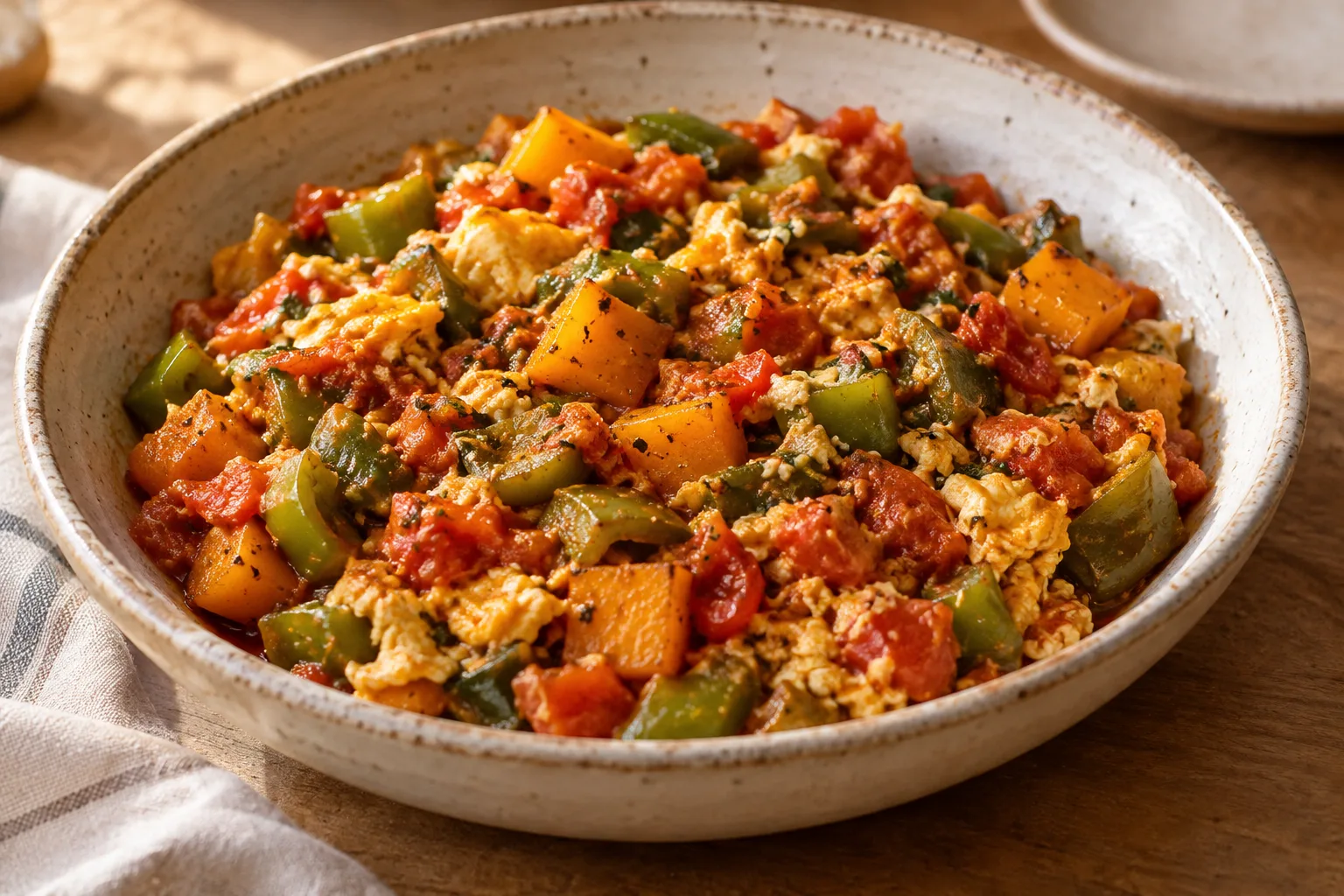
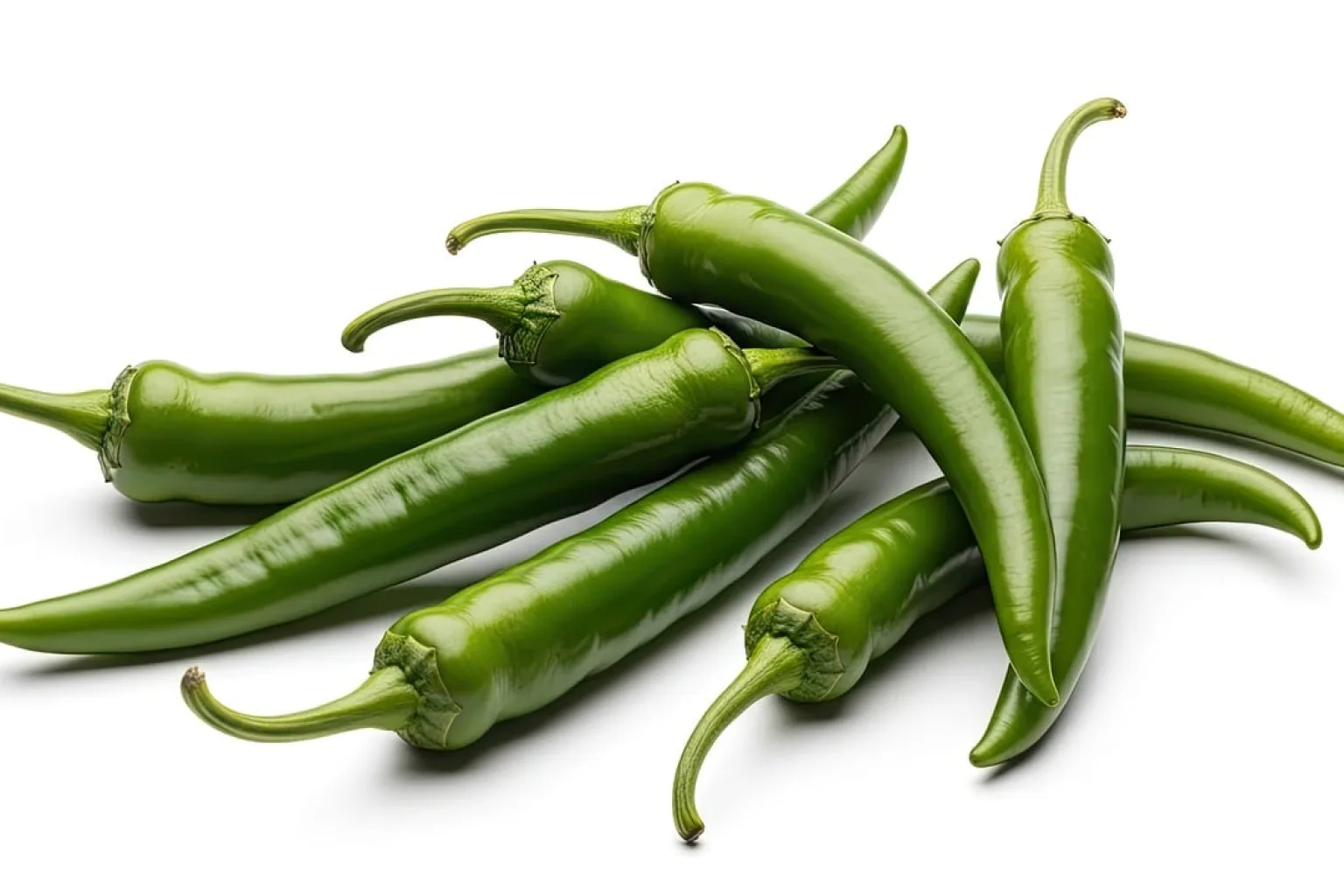
Green peppers and chilies are fresh fruits from plants in the Capsicum genus, used as vegetables in cooking. The name covers different ingredients: a sweet green pepper may be mild and fleshy, while a green chili may be small, aromatic, and hot. Green color alone does not tell you how much heat a chili has; that depends on the variety. For many sweet peppers, green is an earlier stage before the fruit develops yellow, orange, or red coloring, although varieties and their characteristics differ. Distinguishing sweet peppers from hot chilies helps you choose the right ingredient and manage flavor in a dish.
When to use it
Use sweet green peppers when you want a crisp texture and vegetal flavor, with less sweetness than many riper peppers of other colors. They work in salads, sautés, sauces, stews, and side dishes. Choose green chilies when you want to add heat and aroma; adjust the amount to the variety and your preference. A fleshy pepper can be used for stuffing, while small or hot varieties can add character to a sauce or cooked dish.
How to use it
Wash peppers under cold running water before preparing them, and dry them if you are cutting them for a salad or sauté. For a sweet pepper, remove the stem, core, and seeds if desired, then slice or dice it. You can also sauté, fry, roast, grill, steam, or simmer peppers in a stew. Large peppers can be cut and stuffed with rice, couscous, or quinoa and vegetables. When handling hot chilies, start with a small amount and avoid touching your face or eyes; wear gloves or wash your hands thoroughly with soap and water afterward.
Flavour and texture
Sweet green peppers are usually firm and crisp when raw, with a vegetal flavor and less sweetness than yellow, orange, or red peppers. Cooking softens them. Green chilies vary widely in size, flavor, and heat; their color does not promise a particular intensity. Check the variety and add a little at a time to control the result.
How to choose it
Choose firm peppers without soft spots, visible damage, or signs of disease. For a sweet pepper, look for smooth, glossy skin and a fresh-looking stem; firm specimens are a practical choice. Chili heat varies by variety, so choose a type you recognize if you want a particular level of heat, and use it sparingly if you are unsure.
Storage
Keep fresh peppers and chilies in good condition until you are ready to prepare them; wash under running water just before use rather than soaking. To freeze them, wash and dry them, remove stems and seeds, and cut into strips or dice before packing. Freezing can change texture, so frozen peppers are best suited to cooked dishes.
Substitutions
Yellow, orange, or red sweet peppers can replace sweet green peppers in many dishes, but the result will be sweeter and fruitier. To replace a green chili, use another fresh chili with a similar heat level and begin with a small amount. Do not assume a sweet pepper and a hot chili are interchangeable: they can contribute very different levels of heat.
Common mistakes
Do not assume every green pepper is sweet or that every green chili has the same heat; variety matters. Replacing a hot chili with a sweet pepper removes the heat. When handling chilies, avoid touching your eyes or face with unwashed hands. Do not use color alone to judge a chili's intensity.
Safety and allergens
Wash fresh produce under running water before preparing it. When cutting or handling hot chilies, wear gloves if possible and avoid touching your eyes; if you do not wear gloves, wash your hands carefully with soap and water. Peppers are low-acid foods: for home canning, follow a tested preservation recipe and appropriate method rather than improvising processing times or procedures.
Culinary uses
- Fresh, crisp vegetable for salads and snacks
- Flavorful ingredient for sautés, sauces, stews, and side dishes
- Source of adjustable heat when using a hot chili variety
Recommended techniques
- Eat raw, sliced or diced
- Sauté or fry
- Roast or grill
- Steam or simmer in cooked dishes
Pairs well with
- Tomatoes, carrots, zucchini, or broccoli
- Corn, beans, tomatoes, and avocado
- Rice, couscous, or quinoa for stuffed peppers
Frequently asked questions
Are all green peppers hot?
No. Green peppers include sweet varieties and hot chilies. The variety, not color alone, determines how much heat to expect.
Can green peppers be eaten raw?
Yes. Sweet green peppers can be eaten raw in salads or as a crisp snack. Wash them under running water before preparing.
How can I control the heat of a green chili?
Choose a variety whose heat you know and begin with a small amount. Handle it carefully and wash your hands before touching your face or eyes.
Ingredient allergens
Allergen listThere are no verified associations for these ingredients yet.
Estimated nutrition
- Fat
- 11.8 g
- Saturates
- 1.59 g
- Carbohydrate
- 4.22 g
- Sugars
- 2.17 g
- Fibre
- 1.8 g
- Protein
- 0.78 g
- Salt
- 0.04 g
Sources and review
Automatically researched, cross-checked and validated content. Sources consulted:
- Client Challenge doi.org/10.2307/jj.27939689.16
- Pimientos: variedades y usos en cocina - CocinoPedia.com cocinopedia.com/enciclopedia-gastronomica/pimientos-tipos-y-usos/
- El Pimiento Verde. Un ingrediente tradicional - Restaurante La Española restaurantelaespanola.es/el-pimiento-verde-un-ingrediente-tradicional/
- Vamos a Conservar Alimentos: Chiles/Pimientos extension.psu.edu/vamos-a-conservar-alimentos-chiles-pimientos/
- El Pimiento Y Su Importancia En La Gastronomía Española - Restaurante Romero restaurante-romero.es/el-pimiento-y-su-importancia-en-la-gastronomia-espanola/
- El pimiento ecológico: un ingrediente principal en nuestras cocinas www.afuegolento.com/articulo/el-pimiento-ecologico-ingrediente-principal-nuestras-cocinas/51…
- Chiles walworth.extension.wisc.edu/files/2013/01/PM1888S-Chiles.pdf
- Chiles/Pimientos (Spanish) - National Center for Home Food Preservation nchfp.uga.edu/how/can/canning-vegetables-and-vegetable-products/chiles-pimientos-spanish/
- Preserving peppers | Servicio de Extensión de OSU extension.oregonstate.edu/es/catalog/sp-50-454-preserving-peppers
- HILES • PIMIENTOS Y CHILES aggie-horticulture.tamu.edu/wp-content/uploads/sites/10/2013/09/EHT-038S-peppers.pdf
- Tipos de pimientos: todo lo que necesitas saber de este alimento | El arte de comer bien | mentta mentta.com/blog/tipos-de-pimientos-2/?srsltid=AYCX9vKMAgtTHNlm_DSp_aN0Pd_BfCkrVaTN__NzyGsjih…
- Pimientos y chiles: variedades y propiedades www.nuevoestilo.es/recetas-trucos-cocina/a61283784/pimientos-chiles-variedades/
- Pimientos dulces, verdes (¿crudos, orgánicos?) | Fundación G+E www.diet-health.info/es/recetas/ingredientes/in/yr3300-pimiento-verde-crudo