- Category
- Herbs and spices
- State
- Powdered
- Usual unit
- teaspoon
What it is
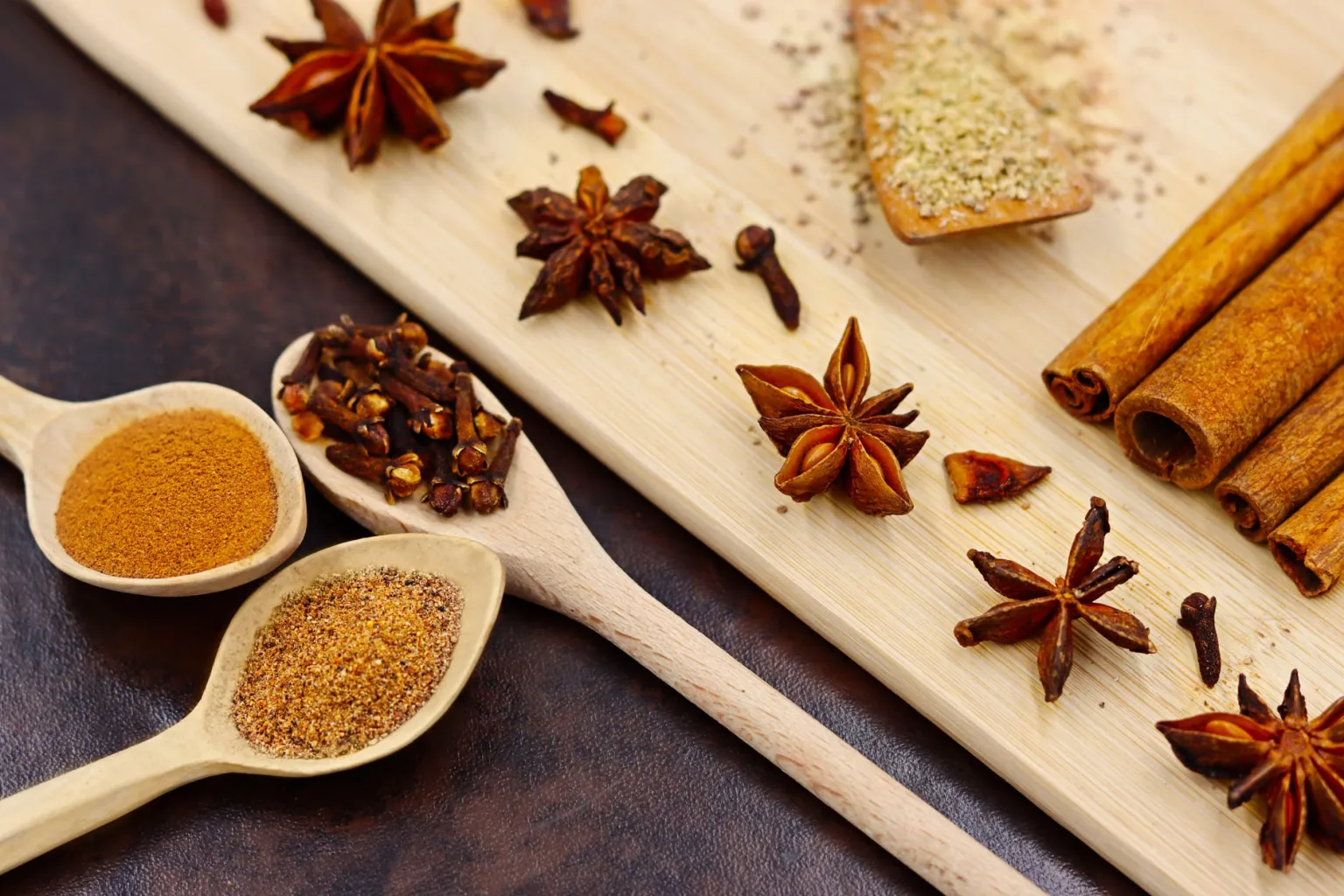
Ground anise is a powdered spice made from dried anise. It adds a pronounced sweet, warm, anise-like aroma to a range of dishes. The word “anise” can also be used for star anise, which comes from a different plant and is not the same spice as common anise; check the product label if the botanical identity matters for your recipe. Ground spice disperses easily and leaves no whole seeds in a dish, but it generally loses its aroma faster than whole spice once opened.
When to use it
Use it when you want an even distribution of anise flavor in dough, desserts, drinks or spice blends. It suits cookies, spiced breads and other baked goods, and can complement fruit such as apples and pears. It can also be added to savory dishes or sauces when you want a sweet, aromatic spice note. Because the powder blends readily, begin with a small amount, taste when appropriate, and increase gradually so the anise does not mask the other flavors.
How to use it
Measure the ground anise called for in the recipe and mix it with the dry ingredients before adding liquids; this helps distribute it more evenly through doughs and baking mixes. For drinks, syrups, sauces or other moist preparations, add a little at a time and stir well to avoid concentrated pockets of flavor. If a recipe calls for whole seeds, remember that powder changes the texture and appearance. Ground anise can also be combined with cinnamon or cloves in aromatic spice blends. Taste and adjust cautiously, since its flavor can become dominant.
Flavour and texture
Ground anise has a strong aroma and a sweet, warm, distinctly anise-like flavor, with notes often associated with licorice. Its fine texture blends into food, unlike whole seeds, which remain noticeable. Strength varies between products, and the flavor can stand out quickly; when a recipe does not specify an amount, a small starting quantity is sensible.
How to choose it
Choose a dry, clearly labeled, tightly sealed package of ground anise. Check the ingredient name, and if you need to distinguish common anise from star anise, look for botanical identification on the label or ask the seller. Choose a product with a recognizable aroma and no visible signs of moisture or deterioration. A smaller package may be practical if you use ground spices only occasionally, as their aroma gradually fades.
Storage
Keep ground anise in a tightly closed container in a cool, dry place, away from direct light and moisture. Avoid storing it beside cooking steam or dipping a wet spoon into the package. Keep it in its original packaging if it seals well, or transfer it to a clean, airtight container. Follow the package directions and check its aroma before use; there is no single storage period that applies to every product.
Substitutions
Crushed anise seeds can replace ground anise if a slightly more noticeable texture is acceptable; grind them finely for a closer match. Ground fennel can provide a similar anise-like note, but its flavor is not identical. Adjust gradually and expect substitutions to change intensity or texture. Do not assume common anise and star anise are interchangeable: they are different spices, even though their aromas can overlap.
Common mistakes
Adding too much ground anise at the start can make its aroma dominate the dish. Measure carefully and increase gradually. Another common mistake is treating common anise and star anise as the same ingredient; check the label when the exact identity matters. Finally, replacing whole seeds with powder changes both texture and how the flavor is distributed.
Safety and allergens
Use only ground anise labeled for food use and follow the package directions. If you have a known food allergy or are unsure about the ingredients in a spice blend, check the label before consuming it.
Culinary uses
- Especia aromática para repostería
- Aromatizante para bebidas y mezclas de especias
Recommended techniques
- Incorporar directamente a masas y mezclas secas
- Añadir poco a poco a líquidos, salsas o preparaciones húmedas
Pairs well with
- Canela y clavo
- Manzana y pera
- Galletas, panes y postres lácteos
Frequently asked questions
Is ground anise the same as star anise?
No. They are different spices, although their aromas can overlap. Check the label if you need to know which one a product contains.
Can I replace anise seeds with ground anise?
Yes. Grind the seeds for a closer match to the powder; the quantity and mouthfeel may differ.
What can I cook with ground anise?
It can flavor cookies, breads, desserts, drinks and spice blends. Add it gradually to control its distinctive taste.
Ingredient allergens
Allergen listThere are no verified associations for these ingredients yet.
Sources and review
Automatically researched, cross-checked and validated content. Sources consulted:
- Client Challenge doi.org/10.2307/jj.27939689.16
- Arroz con leche - Wikipedia, la enciclopedia libre es.wikipedia.org/wiki/Arroz_con_leche
- Anís | www.cocinista.es www.cocinista.es/web/es/enciclopedia-cocinista/especias-de-la-a-a-la-z/anis.html
- Anís: la fragante especia de las delicias dulces y el bienestar digestivo – iSpice Foods ispicefoods.com/es/anis-la-fragante-especia-de-las-delicias-dulces-y-el-bienestar-digestivo/
- Galenic Medicine and Women's Recipes in the Early etd.ohiolink.edu/acprod/odb_etd/ws/send_file/send?accession=akron1744386918268332&dispositio…
- " El amor en los tiempos del cólera -- [Love in the Time of Cholera]" people.duke.edu/~garci/cibertextos/bilingues/GARCIA-MARQUEZ-G/AMOR-TIEMPOS-COLERA/AMOR-TIEMP…
- Anís: propiedades, variedades y usos en la cocina y la industria | FDCM fdcm.eu/es/el-anis-una-especia-aromatica-con-multiples-usos-y-una-larga-tradicion/?srsltid=A…
- ¿Conoces las diferencias entre anís estrellado y matalauva? | El arte de comer bien | mentta www.mentta.com/blog/anis-matalauva-diferencias/?srsltid=AYCX9vJimy1WoCangltbdpH4Ig5yqQ0waRbf…
- Anís estrellado: origen y usos en infusiones | Alveus www.alveus.eu/es/blog/anis-estrellado/
- Anís Molido - Viuda e hijo de Raúl Navarro viudaehijoderaulnavarro.es/anis-molido/
- Bolita de anís: análisis y comparativa de las mejores opciones, ingredientes y utensilios para elaborarlas aliciascake.es/bolita-de-anis/