- Category
- Herbs and spices
- State
- Powdered
- Usual unit
- teaspoon
What it is
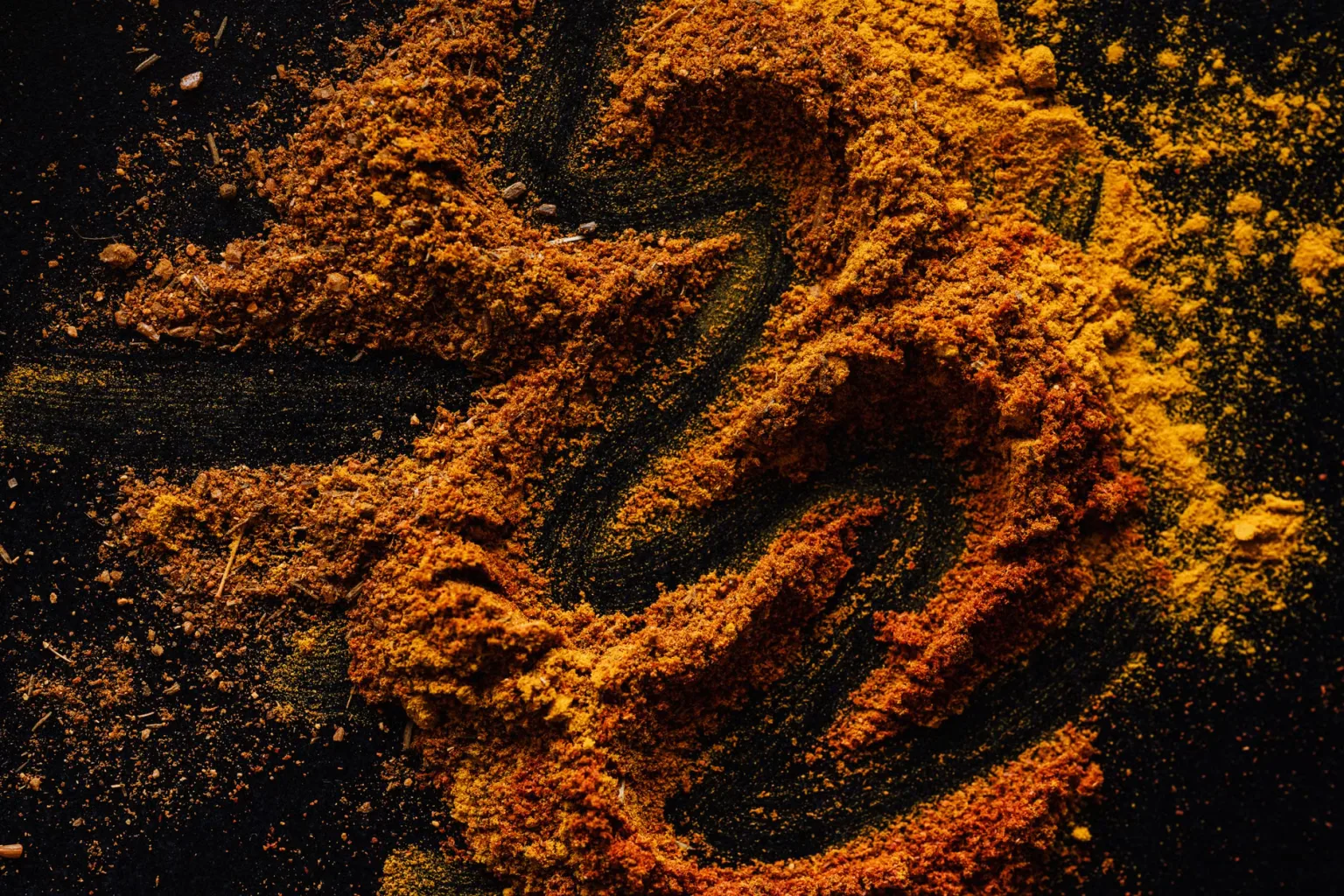
Ground cumin is the powdered form of cumin, an aromatic spice. Its flavor is commonly described as warm, strongly aromatic, slightly bitter and a little pungent. It is used to season savory food, either on its own or alongside other spices. Ground cumin appears in seasoning for turkey, spiced chickpeas and vegetarian chili. Cumin is also used whole, either toasted or untoasted; these forms offer different ways to add the spice, while the ground form is convenient for distributing its flavor through a dish. Its pungent aroma means that a measured amount can make a clear contribution without adding the texture of whole seeds.
When to use it
Use ground cumin when you want a warm, recognizable aroma in savory food without whole seeds. It suits legume dishes such as chili and spiced chickpeas, and can also season rice, vegetables, meat, fish and seafood. In a spice mixture, pair it with ingredients such as chili, garlic or paprika. Because its aroma is pronounced, begin with a modest amount and adjust to taste; the right quantity depends on the recipe and the intensity you want.
How to use it
Measure ground cumin with a dry spoon, then combine it with other seasonings or add it directly to the dish. In hot preparations, add it during cooking so it can mix through the ingredients; recipes for chili and turkey use it alongside other seasonings. It can also season chickpeas before roasting or be blended into spice mixtures for sauces, curries and stews. For another way to use cumin, lightly toast whole seeds and grind them before adding. Add the spice gradually and taste as you go: its flavor is concentrated and can overwhelm a dish if used too generously.
Flavour and texture
Ground cumin has a penetrating aroma and a warm, aromatic flavor that is slightly bitter and mildly pungent. Its fine texture blends readily into seasonings and moist dishes, unlike whole seeds, which remain noticeable in the finished food.
How to choose it
Choose a product clearly labelled ground cumin and check that the package is intact and dry. If you want to control the grinding and toasting yourself, buy whole cumin and grind it at home. Check the label rather than relying on a similar-sounding spice name.
Storage
Keep cumin in a tightly closed container in a cool, dry place, protected from moisture. Available guidance specifies cool, dry storage for whole cumin; for ground cumin, follow the package directions and avoid dipping a wet spoon into the container. No specific storage duration is established here.
Substitutions
To replace ground cumin, grind whole cumin shortly before use. You can also lightly toast the seeds before grinding for a different aromatic profile. These are alternative forms of the same ingredient, not different spices, and the amount may need adjustment to suit their intensity.
Common mistakes
Avoid adding a large amount all at once: cumin’s pronounced aroma can crowd out other flavors. Do not confuse ground cumin with whole seeds or with a different spice, and keep wet spoons out of the container to avoid introducing moisture.
Safety and allergens
Check the ingredient label and package directions, particularly if you need to avoid a particular ingredient for personal reasons. Use clean, dry utensils, and do not use the product if the package is damaged or its contents appear wet or contaminated.
Culinary uses
- Seasoning for savory dishes
- Aromatic component in spice blends and sauces
Recommended techniques
- Stir into a dish while cooking
- Combine with other dry seasonings
- Use ground as-is or toast whole cumin before grinding
Pairs well with
- Beans and chickpeas
- Rice, vegetables, meat, fish and seafood
- Chili, paprika, garlic and other warm spices
Frequently asked questions
Is ground cumin the same as whole cumin?
They are forms of the same ingredient: ground cumin is powdered, while whole cumin retains its seeds. Whole cumin can be toasted and ground before use.
What foods pair well with ground cumin?
It is used in savory foods such as chili, spiced chickpeas, rice, vegetables, meat, fish and seafood. It can also be combined with other spices.
Can I grind whole cumin instead of using ground cumin?
Yes. Grind the seeds shortly before adding them; you can also lightly toast them before grinding.
Ingredient allergens
Allergen listThere are no verified associations for these ingredients yet.
Estimated nutrition
- Fat
- 0 g
- Saturates
- 0 g
- Carbohydrate
- 0 g
- Sugars
- 0 g
- Protein
- 0 g
- Salt
- 0 g
Sources and review
Automatically researched, cross-checked and validated content. Sources consulted:
- Romanica Olomucensia : «¿Qué pinga es esto?». Usos disfemísticos en el español de Cuba doi.org/10.5507/ro.2021.007
- The Essential Glossary of Cooking Terms for the Culinary Arts - Escoffier www.escoffier.edu/blog/culinary-arts/the-essential-glossary-of-cooking-terms-for-the-culinar…
- Washington State Food Access English-Spanish Glossary wpcdn.web.wsu.edu/wp-snaped/uploads/sites/2/2025/10/Food-Access-Spanish-Glossary.pdf
- Comité Científico aesan.gob.es/dam/jcr:a7c4e553-46f5-4def-9ede-b6d1e19b3948/comite_cientifico_42.pdf
- - **Compactum: “valorado por sus propiedades aromáticas, se usa en cosmética** dspace.espoch.edu.ec/bitstream/123456789/11219/1/84T00489.pdf
- Tacos De Pavo Sabrosos - Expanded Food and Nutrition Education Program efnep.tamu.edu/family-taco-night/
- Vegetarian Chili – Community Nutrition Security Research Group web.uri.edu/community-nutrition/vegetarian-chili/
- Havacado or Two. Study Finds Eating Lots of the Fruit Hass Public Health Import health.ucsd.edu/news/press-releases/2021-11-29-havacado-or-two/
- Garbanzos especiados medschool.cuanschutz.edu/health-and-wellness/communitynutrition/blog/recipes-spanish-garbanz…
- El comino: apreciado en todo el mundo www.afuegolento.com/articulo/el-comino-apreciado-todo-mundo/1207/