- Category
- Meat
- State
- Fresh
- Usual unit
- g
What it is
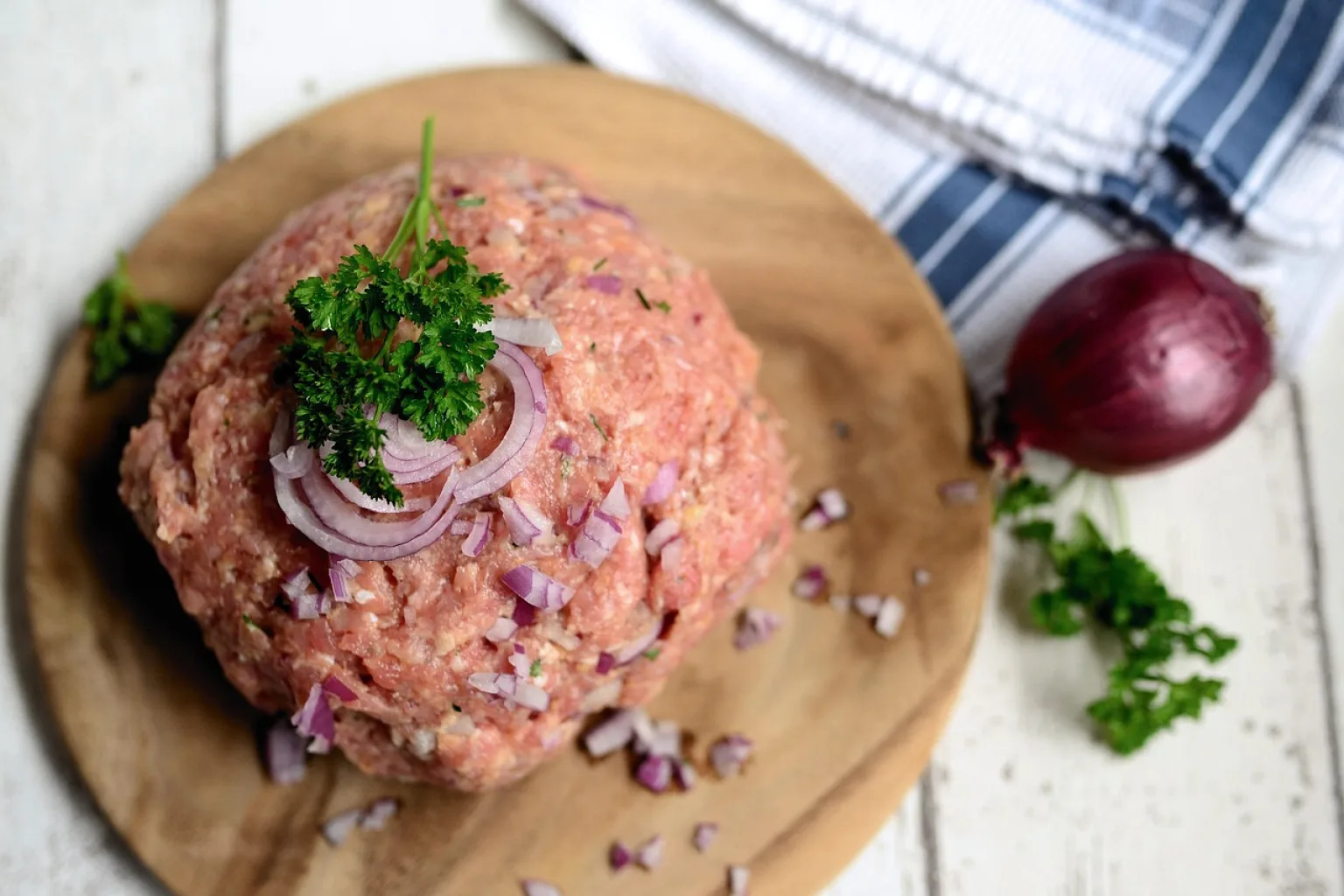
Ground meat is boneless meat cut or minced into small pieces. It can be made from different species, including cattle, pigs, sheep and poultry, so the general name alone does not tell you which animal it comes from. Plain ground meat is not necessarily the same as a prepared meat product, which may contain salt, seasonings or other ingredients. Check the product name and ingredient list to understand what you are buying. Its loose texture makes it easy to mix, shape or break up into a sauce, filling or stew.
When to use it
Choose ground meat when you want an ingredient that mixes readily with other foods or can be shaped into portions. It is useful for burgers and meatballs, as well as fillings for pasta, pastries and vegetables. It can also be broken up into tomato sauces, chilli and stews. The species affects flavour and the result, so choose with the dish in mind and check the label; poultry ground meat, for example, is not the same product as beef ground meat.
How to use it
Before cooking, check the species, ingredient list and storage directions on the package. For a sauce or stew, break up the meat as it cooks in a pan, then combine it with the other ingredients in your recipe. For burgers or meatballs, mix it with the ingredients and seasonings specified by your recipe and shape it without packing it too tightly. You can also use it as a filling for pasta, pastries or vegetables. Follow the product and recipe instructions for handling and cooking, and do not assume that all ground-meat products have the same composition.
Flavour and texture
Flavour and juiciness depend on the species and the proportion of fat, among other factors. Ground meat has a loose texture that breaks apart during cooking, but it can also be mixed and shaped into burgers or meatballs. Added ingredients in some prepared products can change the flavour and texture, so check the label.
How to choose it
Read the product name and ingredient list: a package that looks like ground meat may contain plain ground meat or a prepared product with added ingredients. Check which species it contains and choose a composition suited to your recipe. Also check the date and storage directions on the package.
Storage
Follow the storage conditions and date shown on the package. If you buy loose ground meat, ask the seller how it should be stored and when it should be used. Do not leave it outside the stated conditions, and store any leftovers according to the product instructions.
Substitutions
You can swap one type of ground meat for another, such as beef, pork, lamb or poultry, in burgers, meatballs, sauces and fillings. They are not identical substitutes: flavour, fat and texture can differ, so adjust the seasoning to suit the result you want.
Common mistakes
Do not assume that every product labelled or presented as ground meat contains meat alone: some prepared products include other ingredients. Another common mistake is overlooking the species, which affects flavour. Check the product name, ingredient list and package instructions.
Safety and allergens
Follow the package and recipe instructions for storage and cooking. If the product does not give clear handling information, ask the retailer before using it.
Culinary uses
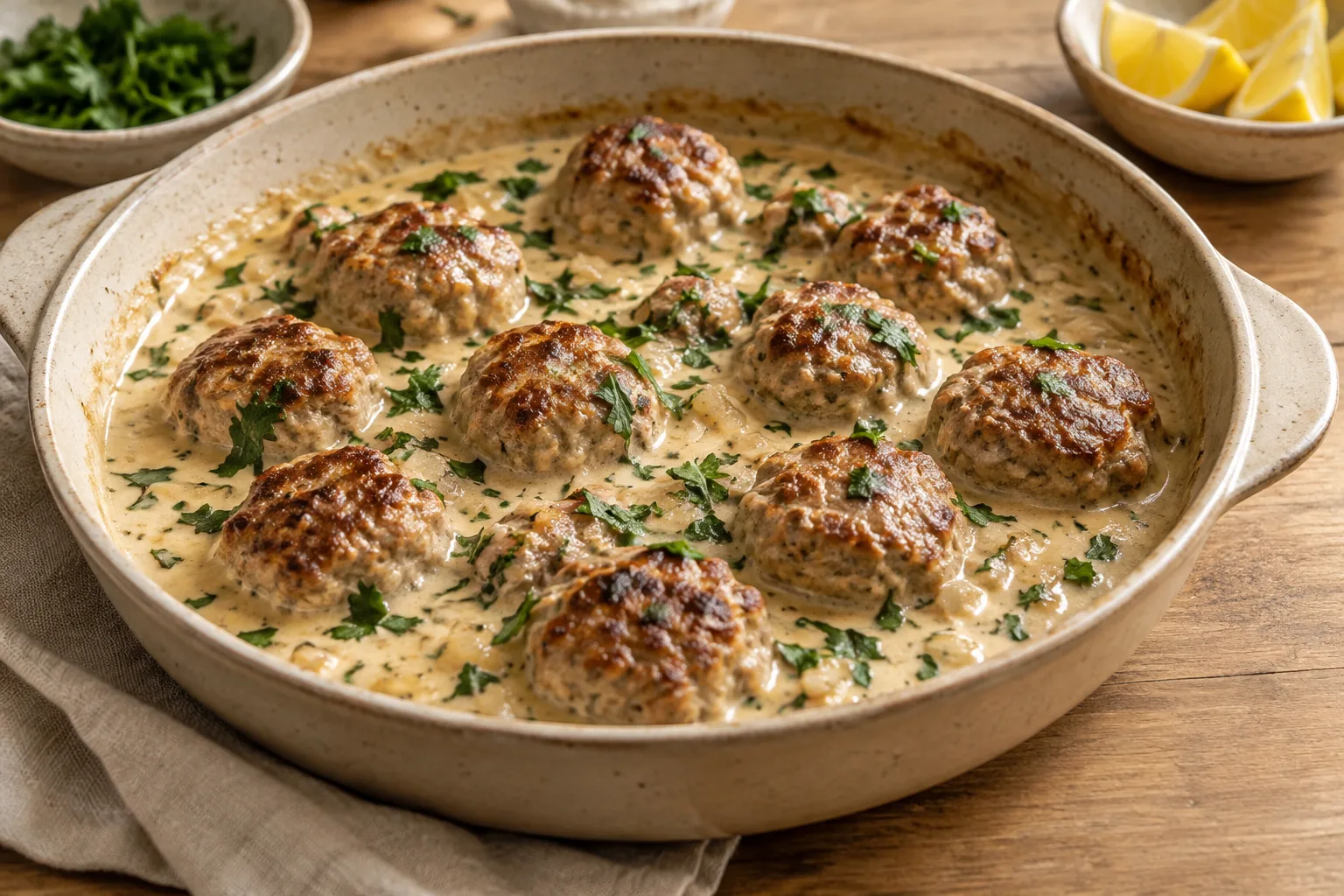
- Base para hamburguesas, albóndigas y otros bocados moldeados
- Relleno para pasta, empanadas, verduras y platos al horno
- Ingrediente para salsas y guisos
Recommended techniques
- Dorar o saltear en sartén
- Formar hamburguesas o albóndigas
- Cocinar desmenuzada en salsa o guiso
Pairs well with
- Tomate, ajo y cebolla
- Pimienta y hierbas aromáticas
- Pasta, arroz o patata
Frequently asked questions
Which meats can be ground?
Ground meat can come from cattle, pigs, sheep or poultry. Check the product name and ingredient list to identify the species.
Is ground meat the same as a prepared ground-meat product?
Not necessarily. Some prepared products may include salt, seasonings or other ingredients, so check the product name and ingredient list.
What can I make with ground meat?
Common uses include burgers, meatballs, sauces, stews and fillings for pasta, pastries or vegetables.
Ingredient allergens
Allergen listThere are no verified associations for these ingredients yet.
Sources and review
Automatically researched, cross-checked and validated content. Sources consulted:
- Client Challenge doi.org/10.2307/jj.27939689.16
- Carne picada - Wikipedia, la enciclopedia libre es.wikipedia.org/wiki/Carne_picada
- 10 recetas con carne picada: descubre todas sus posibilidades con estas ideas bonviveur.com/es/recetas/lista/carne-picada/
- Agencia Española de Seguridad Alimentaria y Nutrición www.aesan.gob.es/
- ¿De qué está hecha la carne picada envasada? | Carnicería Online | Comprar carne a domicilio enmerjosa.com/de-que-esta-hecha-la-carne-picada-envasada/
- Carne picada y aromática usada como sazonador | Umami Madrid www.umami-madrid.com/2017/07/19/carne_picada_con_sabores_sudeste_asiatico/
- ALIMENTOS. Denominaciones sobre carne picada o ... servicio.mapa.gob.es/ricalwebwai/Fichero.aspx?id=ES&idConsulta=156
- Carne picada de ternera: cómo elegirla, cuánta grasa debe tener, conservarla y cocinarla - El Mercado de Origen www.elmercadodeorigen.com/carne-picada-ternera-que-es-como-elegir-cocinar/
- Food Allergies | FDA www.fda.gov/food/nutrition-food-labeling-and-critical-foods/food-allergies
- Food allergen labelling and information requirements technical guidance - GOV.UK www.gov.uk/government/publications/food-allergen-labelling-and-information-requirements-tech…
- Allergens in food | safefood.vic.gov.au www.safefood.vic.gov.au/allergens-in-food
- Food information to consumers - legislation - Food Safety food.ec.europa.eu/food-safety/labelling-and-nutrition/food-information-consumers-legislation…
- Allergen labelling for consumers | Food Standards Australia New Zealand www.foodstandards.gov.au/consumer/labelling/allergen-labelling
- Food Standards Guide: Butchers www.foodstandards.gov.scot/sites/default/files/migration/downloads/Food_Standards_Guidance_-…
- Carne picada, preparado de carne o burger meat | Consumer www.consumer.es/seguridad-alimentaria/parece-carne-picada-pero-no-siempre-lo-es