- Category
- Pulses
- State
- Powdered
- Usual unit
- Variable
What it is
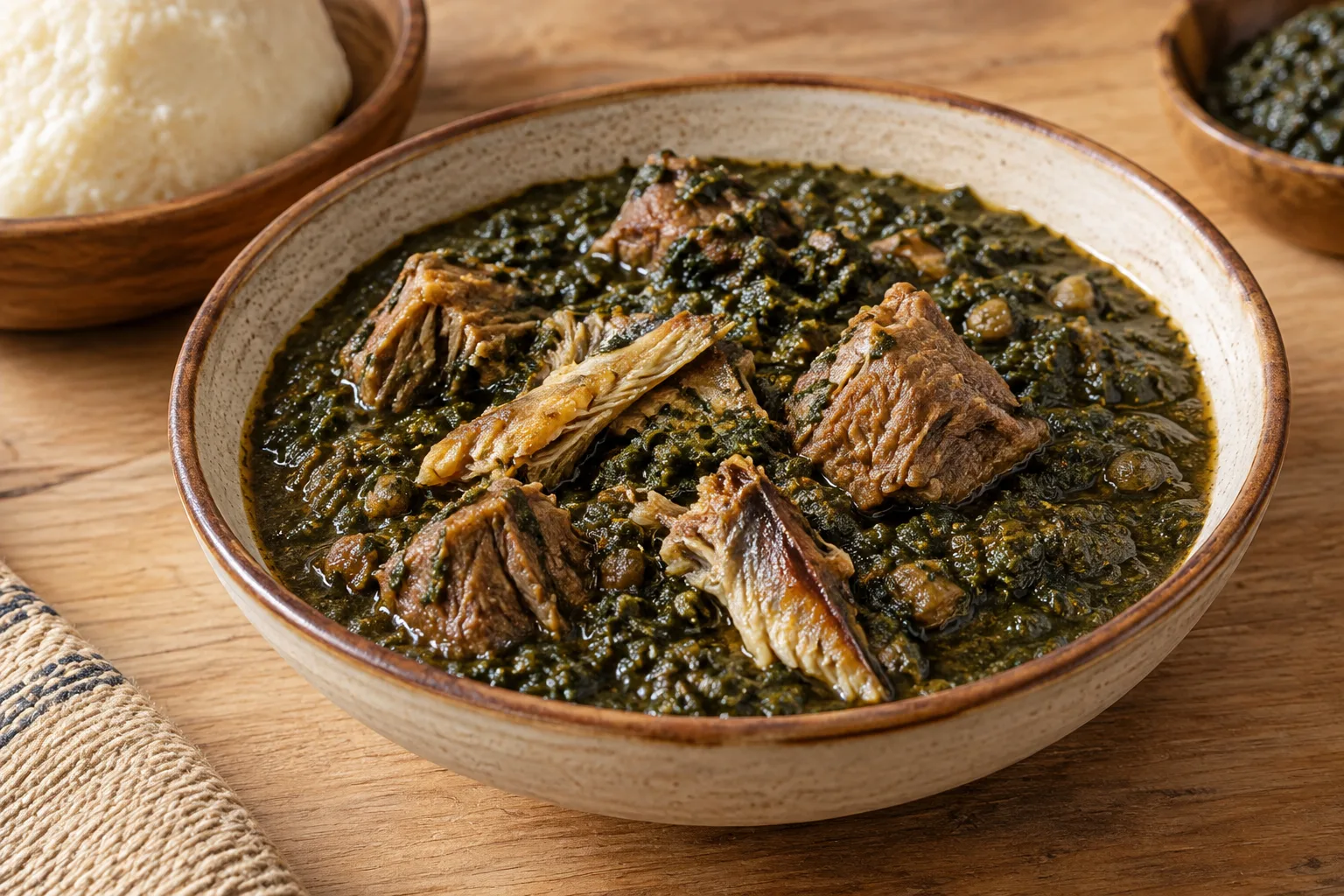
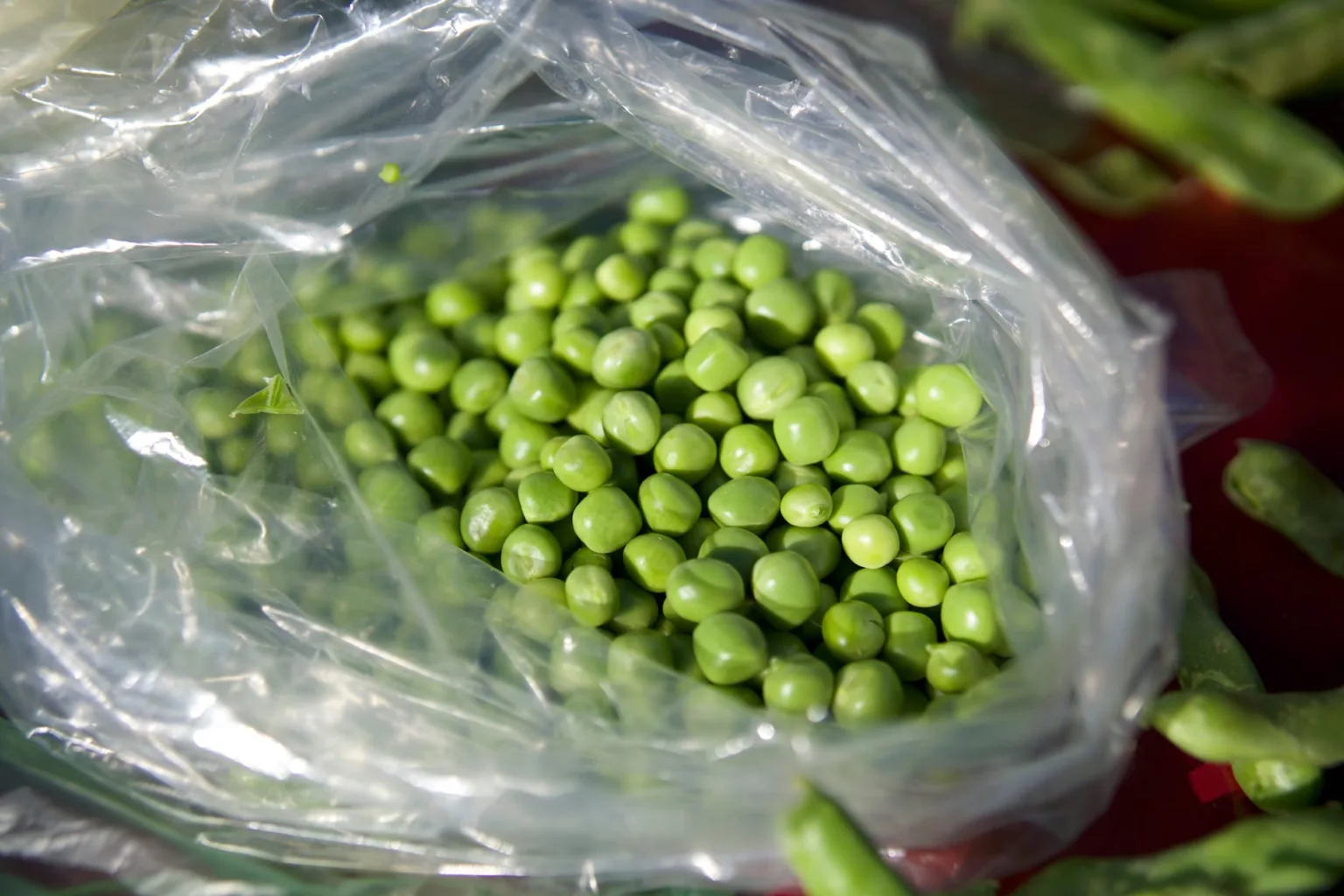
Ground peas are peas reduced to particles by milling. The name alone does not show whether the product is finely milled, contains coarser pieces, or received any treatment before milling. Peas are legumes and are sold in different forms, including dried, fresh, frozen, and canned. The available culinary information describes uses for peas such as soups, stews, salads, and purées, but it does not establish a universal formula for the ground product. Treat it as a pea ingredient and check the package for its composition, grind, and preparation directions. There is no adequate basis here for assigning this product a particular season, standard cooking time, or defined shelf life.
When to use it
Use ground peas when you want to bring pea flavor to a soup, stew, or cream-style purée, bearing in mind that results may differ with the fineness of the product. Peas are also used in rice dishes and paired with fish or ham; these combinations can inspire a dish but do not establish quantities for ground peas. If a recipe calls for whole peas, the ground form will not provide the same shape or texture. For a first use, follow the package directions and assess the result before adding more. The available evidence does not identify a particular season for this ground product.
How to use it
Start by reading the label: check whether the product is described as flour, powder, or a coarser grind, and follow its preparation directions. To use it in a soup, stew, or cream-style dish, incorporate it gradually and stir to distribute it; the required liquid and final result depend on the grind and recipe, so no universal ratio is established here. You can also take inspiration from pea purées, soups, or stews without assuming that ground peas behave like whole peas. If it suits the dish, combine it with ingredients used alongside peas, such as ham, cod, rice, garlic, or parsley. If the package gives no preparation directions, do not invent a cooking time; seek the manufacturer's guidance before serving it.
Flavour and texture
The specific flavor and texture can vary with the pea variety, grind, and product treatment; the available information does not specify these qualities for ground peas. Some culinary descriptions characterize peas as sweet and soft-textured, while dried peas may be less sweet. In a ground product, fineness affects the texture of the finished preparation. Check the package and assess the result in the recipe before adjusting other ingredients.
How to choose it
Choose a package that clearly identifies the ingredient as ground peas and, where possible, states its composition, grind, and preparation directions. The available sources do not establish freshness tests, visual quality criteria, or brands for this product. Check that the package is intact and read the manufacturer's information, particularly if you need to avoid a specific ingredient. Do not infer from the name whether the grind is fine or coarse or whether the product needs preparation first.
Storage
There is not enough information to set a storage duration or specific storage condition for ground peas. Follow the directions printed on the package and observe any date shown there. After opening, reseal it as directed by the manufacturer and protect it from moisture if the label says to do so. Do not assume that a milled product keeps in the same way as whole, fresh, or canned peas; these are different forms.
Substitutions
No direct substitute for ground peas is established here. Cooked, mashed whole peas, or a preparation made with fresh, frozen, or canned peas, may provide pea flavor in a recipe, but they change moisture and texture and are not automatically equivalent to a dry powder. Adjust only in line with the recipe directions and check the result; if the grind has a specific function, look for an alternative specified by the recipe's creator.
Common mistakes
Do not assume all ground peas have the same grind, composition, or preparation requirements. Nor should you replace whole peas with the same amount of ground peas without accounting for changes in moisture and texture. Avoid inventing cooking times or liquid ratios: the available information gives no universal values for this product. Read the label and add it in a controlled way so you can assess the consistency of the dish.
Safety and allergens
Check the package for ingredients and product-specific handling directions. The available information does not establish an allergen declaration for every ground-pea product; do not interpret missing information as confirmation that it is suitable for someone with an allergy.
Culinary uses
- Ingredient for soups and stews
- Ingredient for purées and creams
Recommended techniques
- Stir into a soup or stew
- Blend into a purée or cream
Pairs well with
- Ham
- Cod and other fish
- Rice
- Garlic and parsley
Frequently asked questions
Are ground peas the same as pea flour?
The name alone does not establish how fine the grind is or what term the manufacturer uses. Check the product description and ingredients on the package.
What dishes can I use ground peas in?
They can inspire pea-based preparations such as soups, stews, and purées. Follow the package directions, since no universal use ratio is established for this ground form.
Can I replace whole peas with ground peas?
They are not interchangeable without changes: ground peas alter shape and texture, while whole peas contribute different moisture depending on preparation. Adapt the recipe cautiously.
Ingredient allergens
Allergen listThere are no verified associations for these ingredients yet.
Sources and review
Automatically researched, cross-checked and validated content. Sources consulted:
- Client Challenge doi.org/10.2307/jj.27939689.16
- The Essential Glossary of Cooking Terms for the Culinary Arts - Escoffier www.escoffier.edu/blog/culinary-arts/the-essential-glossary-of-cooking-terms-for-the-culinar…
- El guisante en nuestra gastronomía www.afuegolento.com/articulo/el-guisante-nuestra-gastronomia/1315/
- Mantequilla de cacahuete - Wikipedia, la enciclopedia libre es.wikipedia.org/wiki/Mantequilla_de_cacahuete
- Nutrition After Your Transplant - Health Online healthonline.washington.edu/sites/default/files/record_pdfs/Nutrition-After-Your-Transplant-…
- Guisantes: Alegría verde en tu plato - Estudia Hostelería estudiahosteleria.com/blog/gastronomia/guisantes/
- lemmas.txt downloads.cs.stanford.edu/nlp/data/CoNLL17_Parser_Models/Spanish/Spanish-Parser/lemmas.txt
- Efecto de la harina de fibra de trigo (Triticum aestivum) o ... bdigital.zamorano.edu/bitstreams/af2898b0-bace-4e92-b8c2-99e8cd259acf/download
- Guisantes verdes, su uso en la cocina www.eladerezo.com/la-alacena/guisantes-verdes.html
- Guisantes. Propiedades, beneficios, valor nutricional y usos en la cocina www.abc.es/recetasderechupete/guisantes-propiedades-beneficios-valor-nutricional-y-usos-en-l…
- Incorporando guisantes en tus comidas diarias friolisa.es/es/blog/incorporando-guisantes-en-tus-comidas-diarias.html
- Qué son los guisantes y algunas ideas de receta con ellos - Helios www.helios.es/que-son-los-guisantes-y-algunas-ideas-de-receta-con-ellos/
- Guisantes, el dulce sabor de la huerta desde la antigüedad hasta hoy blog.plantamus.com/guisantes-2/