- Category
- Nuts and seeds
- State
- Powdered
- Usual unit
- g
What it is
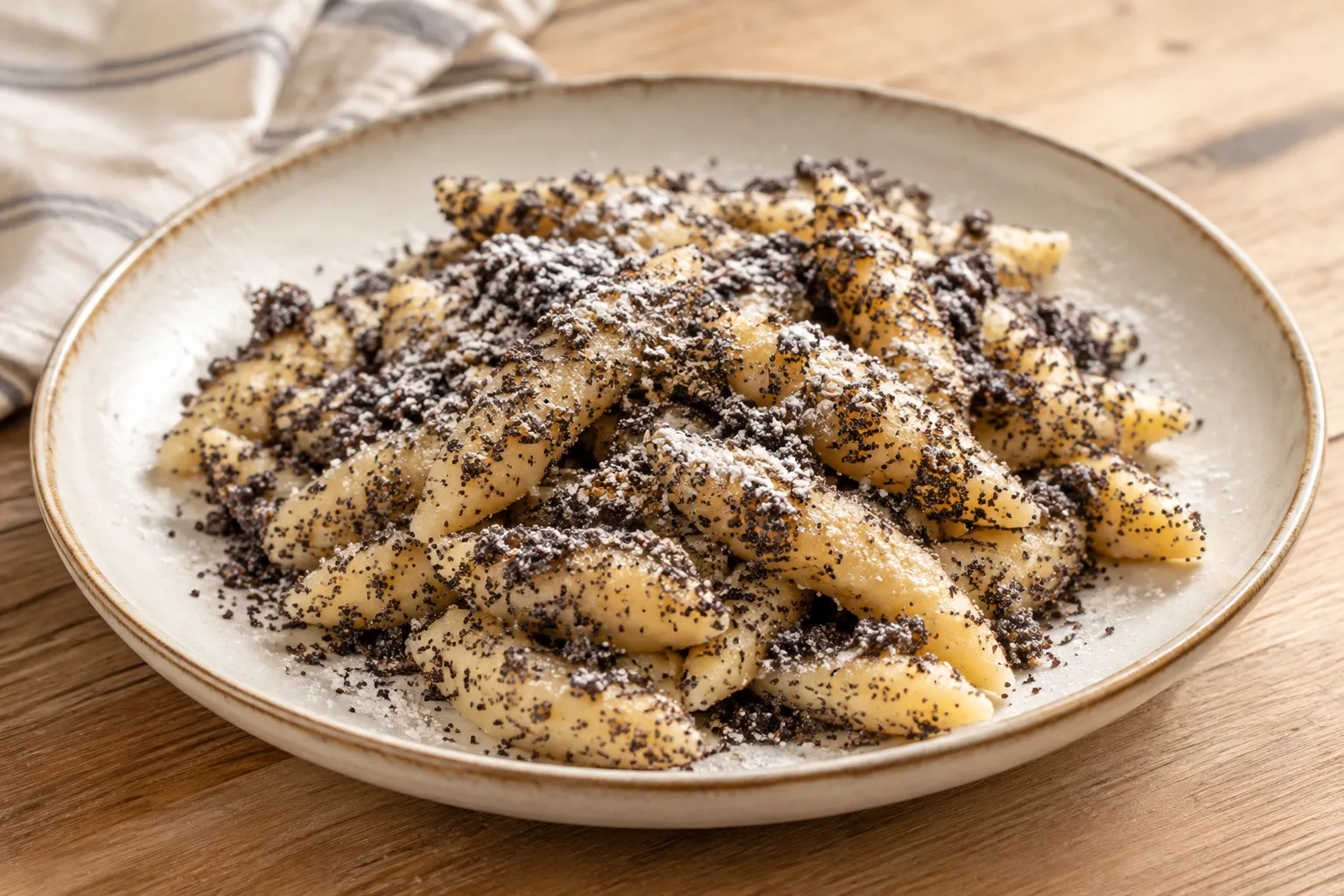
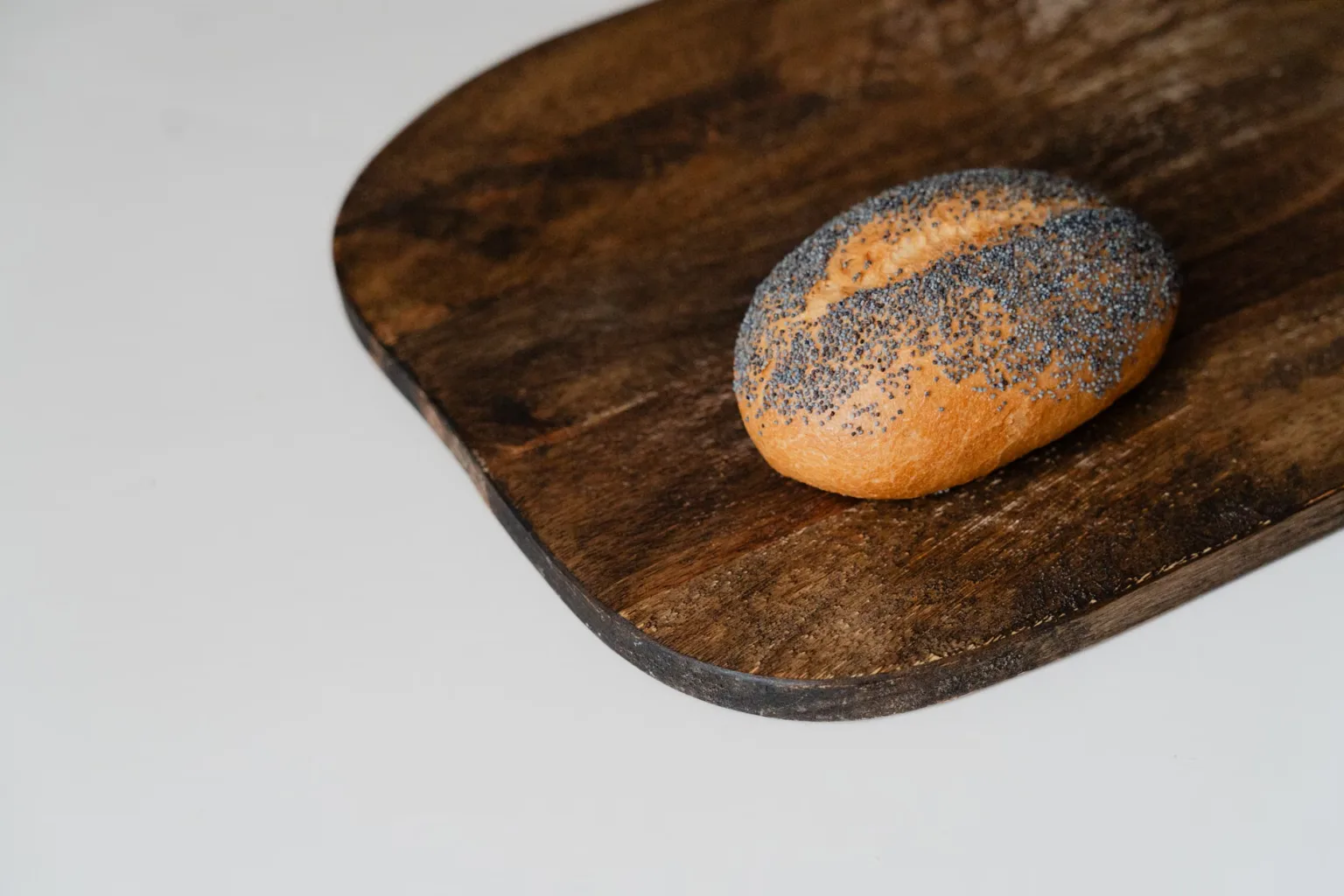
Ground poppy seeds are edible poppy seeds crushed to a finer texture than whole seeds. Whole poppy seeds are tiny, often gray-blue to black, and have a delicate flavor with nut-like notes. Grinding helps them blend more evenly into a dough or filling instead of remaining as small, crunchy grains. They appear in both sweet and savory cooking, including breads, rolls, cakes, cookies, dressings and some sauces. Color and texture can vary with the seed variety and the fineness of the grind. If you need a very fine texture or a moist paste, the result depends on how the seeds were ground and prepared. Ground poppy seeds are therefore useful when a recipe calls for the flavor to be integrated rather than simply sprinkled on top.
When to use it
Choose ground poppy seeds when you want their flavor distributed through a mixture rather than relying only on the crunch of whole seeds. They work in bread dough, rolls, cakes and cookies, as well as in sweet fillings where the seeds contribute substantially to the texture. You can also stir them into dressings or sauces when you want them incorporated rather than used as a topping. They pair well with citrus such as lemon and orange and can add contrast to salads. For a first attempt, use them in a recipe that already calls for poppy seeds and follow its stated amount: ground seeds spread and feel different from whole ones.
How to use it
Add ground poppy seeds to the dry ingredients in a dough, or mix them into the preparation while stirring so they are evenly distributed and do not form clumps. They work especially well with lemon or orange in cakes, cookies and breads. For a sweet filling, combine them with the wet ingredients or with a base such as butter, honey or sugar; when a recipe calls for a paste, soaking the seeds in milk before grinding them wet is one approach used for this kind of preparation. In dressings and sauces, add a little at a time and stir to incorporate. If you want a crisp, decorative finish, whole seeds are usually a better choice for sprinkling on top. Follow the quantity in your recipe, since grinding changes the texture and spreads the ingredient throughout the mixture.
Flavour and texture
The flavor is mild, aromatic and slightly nut-like, with the aroma becoming noticeable in baked dishes. Ground seeds blend into a mixture more readily than whole seeds and give less of a distinct, crunchy-grain sensation. Their color can appear gray, blue-gray or dark, depending on the seeds and grind. When prepared with liquid for a filling, they can form a dense paste rather than a loose powder.
How to choose it
Choose a product sold as a culinary ingredient, and check that the package is intact and clearly labels poppy seeds. Seed color may range from blue-gray to dark, and products can come in different grind sizes. For a cohesive filling, look for a fine grind; for a more noticeable texture, whole seeds may suit your purpose better. Check the date and follow the storage directions on the package.
Storage
Keep the product closed and protected from moisture, following the package directions. After opening, use a clean, airtight container and avoid leaving it exposed to air for long periods. Poppy seeds contain oil and can lose freshness or become rancid over time, so buy an amount you expect to use and watch for an unpleasant change in smell or flavor. There is no universal storage period to give here; it depends on the product and its packaging.
Substitutions
Whole poppy seeds are the closest alternative if you want to keep the same ingredient, but they will provide more texture and will not distribute in the same way as ground seeds. White poppy seeds offer another variety, though they may change the appearance of a dish and can be harder to find. Neither option guarantees the same grind or filling texture, so choose according to the result you want.
Common mistakes
Do not assume ground seeds behave like whole ones: they blend in more and may produce a less crunchy result. If you want to control the consistency of a sauce or filling, avoid adding the whole amount at once; add and stir gradually. Another common error is storing the seeds open or exposed to moisture and air, which can affect freshness. If a recipe calls for a poppy-seed paste, dry ground seeds alone may not provide that texture; a moist preparation may be more suitable.
Safety and allergens
Use poppy seeds sold for culinary use and follow the package directions. Keep the product dry and tightly closed, and do not use seeds from ornamental plants as a substitute for a packaged food ingredient.
Culinary uses
- Aporta sabor suave y textura a panes y productos de repostería.
- Sirve como ingrediente de rellenos dulces y como acabado para platos salados.
Recommended techniques
- Incorporar a masas y mezclas de repostería.
- Espolvorear sobre panes, ensaladas o platos ya preparados.
- Moler para integrar las semillas en rellenos; según la textura buscada, también pueden remojarse antes de molerlas.
Pairs well with
- Limón y naranja en panes, bizcochos y galletas.
- Ensaladas y aliños, especialmente cuando se busca un contraste crujiente.
- Mantequilla, miel o azúcar en rellenos dulces.
Frequently asked questions
What are ground poppy seeds used for?
They can be mixed into breads, rolls, cakes, cookies, sweet fillings, sauces and dressings when you want the flavor distributed more evenly than with whole seeds.
What do ground poppy seeds taste like?
They have a mild, aromatic flavor with nut-like notes. Once ground, they are less noticeable as individual crunchy grains.
Can I replace them with whole poppy seeds?
Yes, if you are happy with a crunchier texture and less even distribution. For a fine filling, whole seeds may need to be ground to approach the texture you want.
Ingredient allergens
Allergen listThere are no verified associations for these ingredients yet.
Sources and review
Automatically researched, cross-checked and validated content. Sources consulted:
- ¿Por qué la muerte es origen de miedos y tabúes? doi.org/10.64628/aao.fccyk3qj3
- Condimento - Wikipedia, la enciclopedia libre es.wikipedia.org/wiki/Condimento
- Qué es (y qué no es) la estadística, usos y abusos de una disciplina clave en la vida de los países y las personas | Estudios económicos doi.org/10.52292/j.estudecon.2015.740
- Las semillas de amapola y su uso en la cocina www.directoalpaladar.com/ingredientes-y-alimentos/las-semillas-de-amapola-y-su-uso-en-la-coc…
- Semillas de Amapola: Propiedades, Beneficios y Usos Medicinales www.koken.es/blog/semillas-amapola-propiedades-beneficios-usos/
- Cocina 15 platos con semillas de amapola | Recetas Nestlé www.recetasnestle.cl/la-cocina-nestle/tips/semillas-amapola
- Semilla de Amapola | PAPRIMUR paprimur.es/productos/amapola/
- Semilla de amapola - Gastronomía Vasca: Escuela de Hostelería Leioa sutondo.hostelerialeioa.net/es/gastro/glossary/semilla-de-amapola
- Semillas de Amapola – Colvin www.thecolvinco.com/blogs/articulos/semillas-de-amapola?srsltid=AYCX9vLUmjUG_tk7BCbZgCYZEUO9…
- RECETA SEMILLAS DE AMAPOLA. – Revista revista.crfptic.es/vida-saludable/nutricion-alimentos-recetas/receta-semillas-de-amapola/
- Caracterización nutricional y aromática de flores comestibles de liliáceas | OpenAlex openalex.org/W4323043912
- Cocina 15 platos con semillas de amapola | Recetas Nestlé www.recetasnestle.com.ec/escuela-de-sabor/tips-recetas/semillas-amapola
- - YouTube www.youtube.com/watch?v=lBM5JEfGCQA
- Semillas de amapola: para qué sirven y cómo usarlas | MundoEspecias mundoespecias.es/blog/semillas-de-amapola-usos/?srsltid=AYCX9vJxHmc3BLjb83waHHVWtsGqOSIvQ9Tx…