- Category
- Sauces and condiments
- State
- Liquid
- Usual unit
- tablespoon
What it is
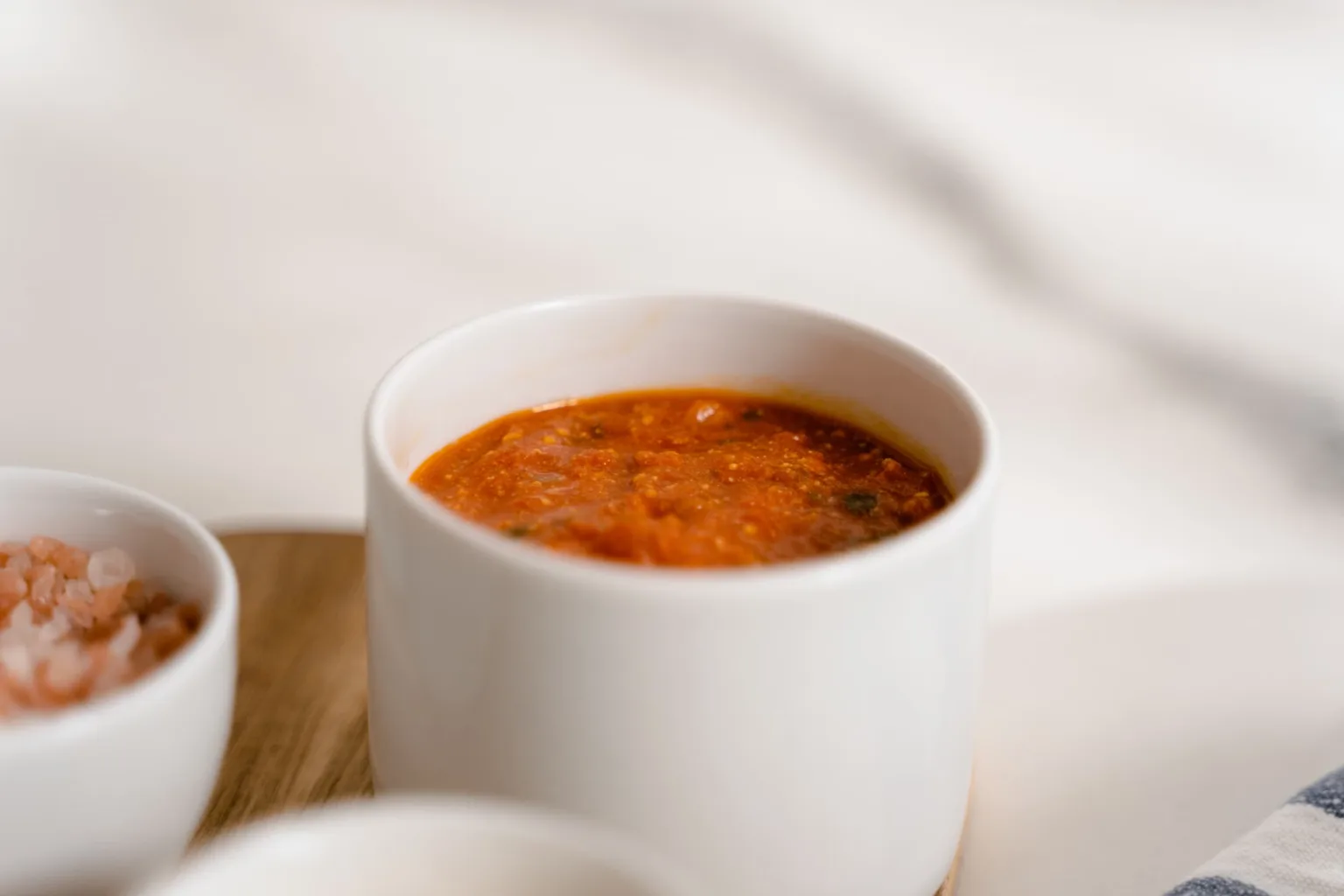
Hot sauce for stew is a liquid condiment used to add heat and, depending on its formula, other flavor notes. There is no single standard recipe: sauces vary in ingredients, texture, and intensity. Some combine chiles with ingredients such as tomatoes, onions, garlic, cilantro, cumin, vinegar, or salt. Some sauces are thin and pourable, while others are thicker; the name alone does not tell you how hot a sauce is or exactly what it contains. Treat it as a seasoning, and check the information for the specific product when its composition matters to you.
When to use it
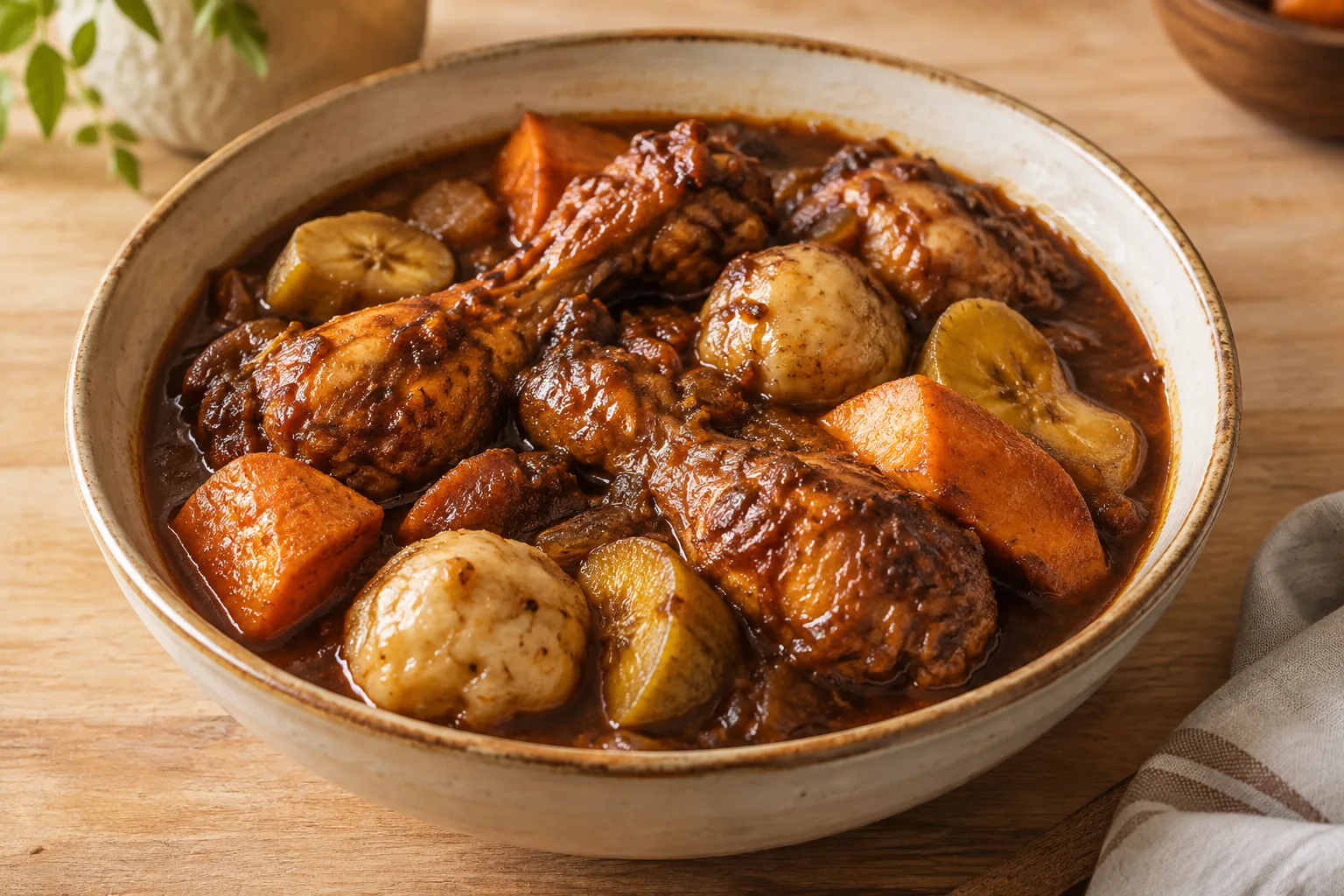
Use it when a stew or soup needs a spicy accent or a stronger contrast. It can also accompany dishes with meat, vegetables, or legumes when their flavors suit a spicy note. If you do not know the sauce, begin with a small amount: heat varies between products, and too much at once can dominate the dish. Another option is to serve it on the side so each person can adjust their portion. If the stew already contains hot or assertive ingredients, taste it before adding more.
How to use it
Start with a small amount or a few drops, stir the sauce into the stew, and mix well. Taste before increasing the quantity, since heat varies considerably between products. If adding it while cooking, do so gradually to distribute the flavor through the dish. For more control at serving time, add a few drops at the end or serve the sauce separately. Do not assume every variety has the same texture or intensity: one may be thinner, thicker, sharper, or hotter than another. Check the information for the specific product when you need to know its ingredients.
Flavour and texture
Heat is the defining feature, but flavor and texture depend on the formula. Some sauces are thin and pourable, while others are thicker; depending on the ingredients, they may add acidic, salty, vegetal, aromatic, or vinegary notes. Intensity also varies, so the words “hot sauce” do not reliably predict how much heat it will bring to a stew.
How to choose it
Read the ingredient list and any stated heat information rather than relying only on the name or color. Compare texture and composition if you want a thinner sauce or a particular flavor profile. Hot sauces do not share one universal formula; check the information for the specific product if its ingredients matter to your preferences or dietary needs.
Storage
Storage depends on the specific product, so there is no single instruction that applies to all hot sauces. Check and follow the directions on the package. Do not assume that storage directions for one variety also apply to another, since formulas and products can differ.
Substitutions
Chopped fresh chile or crushed dried chile can add heat in place of hot sauce, but they will not necessarily reproduce its acidity, saltiness, or texture. Start with very little and adjust after tasting the stew. For a closer flavor, choose a substitute that resembles the original sauce’s ingredients and heat level.
Common mistakes
A common mistake is adding too much sauce before tasting the stew: heat varies by product and can mask other flavors. Color or a product name is not a reliable measure of heat, and sauces do not necessarily share the same ingredients. Add gradually, stir, and taste before serving.
Safety and allergens
Sauce composition varies. Check the information for the specific product if you need to verify its ingredients, and follow the package storage directions. Add the condiment gradually because heat levels can differ considerably between products.
Culinary uses
- Añadir picor y sabor a guisos y sopas
- Condimentar o terminar un plato en la mesa
Recommended techniques
- Incorporar gradualmente y probar antes de añadir más
- Servir aparte para que cada persona ajuste el picor
Pairs well with
- Guisos y sopas
- Platos con carne, verduras o legumbres que admitan un toque picante
Frequently asked questions
When should I add hot sauce to stew?
You can stir it in while cooking or add a few drops at the end to adjust the heat at serving time. Either way, start small and taste before adding more.
Do all hot sauces contain the same ingredients?
No. Formulas vary between products and may include different chiles and other ingredients. Check the product information if you need to know its composition.
What can I use if I do not have hot sauce?
Chopped fresh chile or crushed dried chile can add heat, though they may not provide a sauce’s acidity or texture. Use a small amount and adjust after tasting.
Ingredient allergens
Allergen listThere are no verified associations for these ingredients yet.
Sources and review
Automatically researched, cross-checked and validated content. Sources consulted:
- Client Challenge doi.org/10.2307/j.ctvndv9t9.22
- Salsa (gastronomía) - Wikipedia, la enciclopedia libre es.wikipedia.org/wiki/Salsa_(gastronom%C3%ADa)
- Salsa Tabasco: Ingredientes, Variedades e Historia abarrotes.es/blog/salsa-picante-tabasco-ingredientes-variedades-historia/
- - YouTube www.youtube.com/watch?v=z58qdJRiIfc
- lemmas.txt downloads.cs.stanford.edu/nlp/data/CoNLL17_Parser_Models/Spanish/Spanish-Parser/lemmas.txt
- Cómo utilizar la salsa picante como ingrediente en los menús | Gordon Food Service gfs.com/es-us/ideas/ingrediente-de-la-salsa-picante/
- Salsas | Qué son, variedades y usos culinarios codinafoods.com/salsas-premium/
- De la planta al picante: el origen de la salsa Tabasco – Revista HortoGourmet www.hortogourmet.com/salsas-picantes-el-origen-de-la-salsa-de-tabasco/
- Las 12 mejores recetas de salsas picantes para acompañar tus platos www.directoalpaladar.com/recetario/12-mejores-recetas-salsas-picantes-para-acompanar-tus-pla…
- ¿Conoces el origen y la evolución del uso culinario del picante a lo largo de la historia? - www.salsapicantemartinez.com salsapicantemartinez.com/conoces-el-origen-y-la-evolucion-del-uso-culinario-del-picante-a-lo…
- Tipos de Salsas y sus Características en la Gastronomía ... dialnet.unirioja.es/descarga/articulo/9482039.pdf
- Conoce las mejores salsas para acompañar los platos – Venta Pazo restauranteventapazo.es/conoce-las-mejores-salsas-acompanar-los-platos/