- Category
- Meat
- State
- Fresh
- Usual unit
- g
What it is
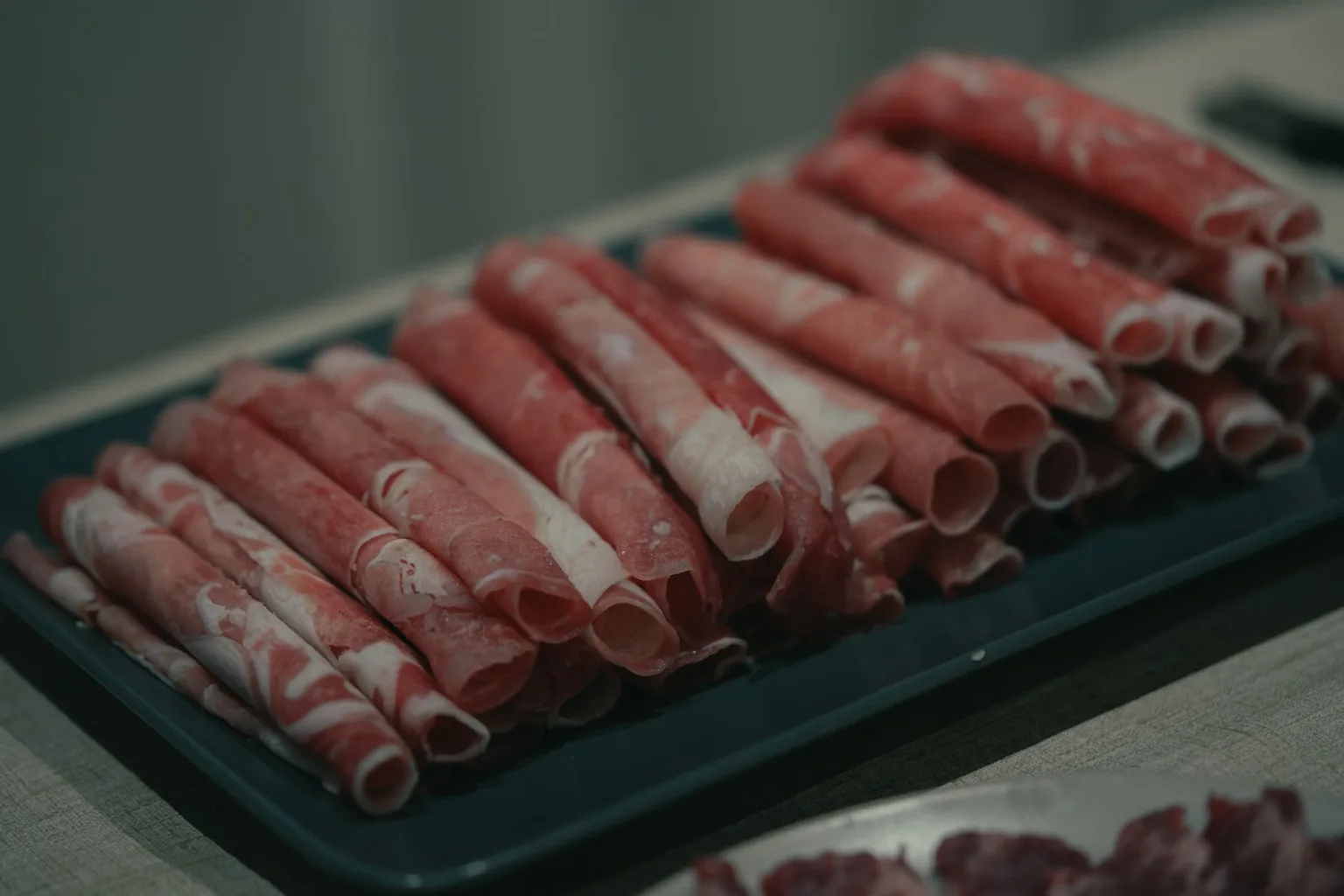
Lamb is meat from a young sheep. It is sold in different cuts, with or without bone, and those cuts are not interchangeable in every recipe. Leg and shoulder are commonly used for roasting; chops work well on a grill or in a pan; and shoulder, neck, or breast/flank can be used in stews. Age can affect the character of the meat: younger animals are associated with a more delicate flavor, while the flavor can become stronger as the animal is older. Knowing the cut and the intended cooking method helps you choose a suitable piece. This profile covers fresh lamb. If the product is frozen, processed, or sold with specific handling directions, follow the information provided with it.
When to use it
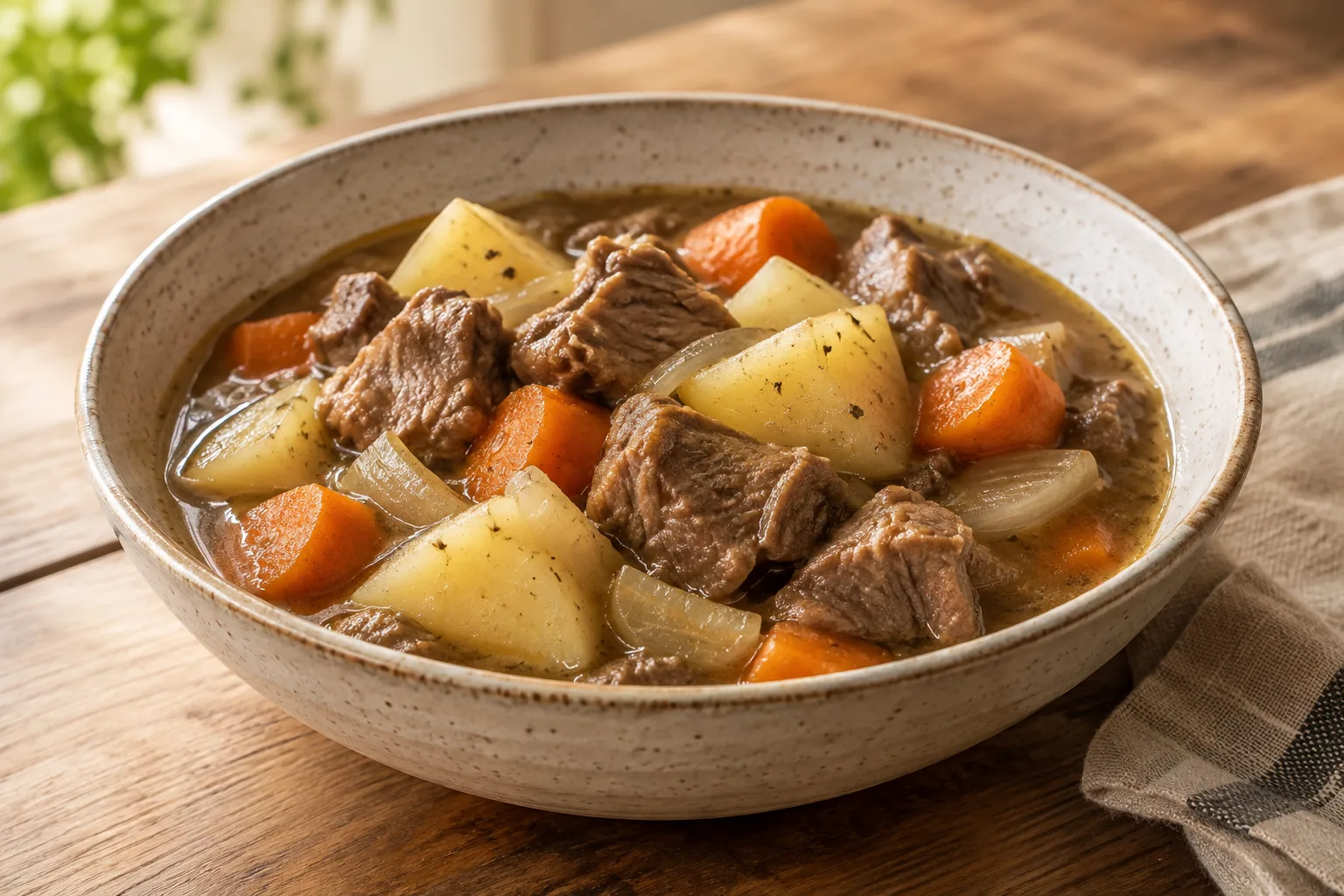
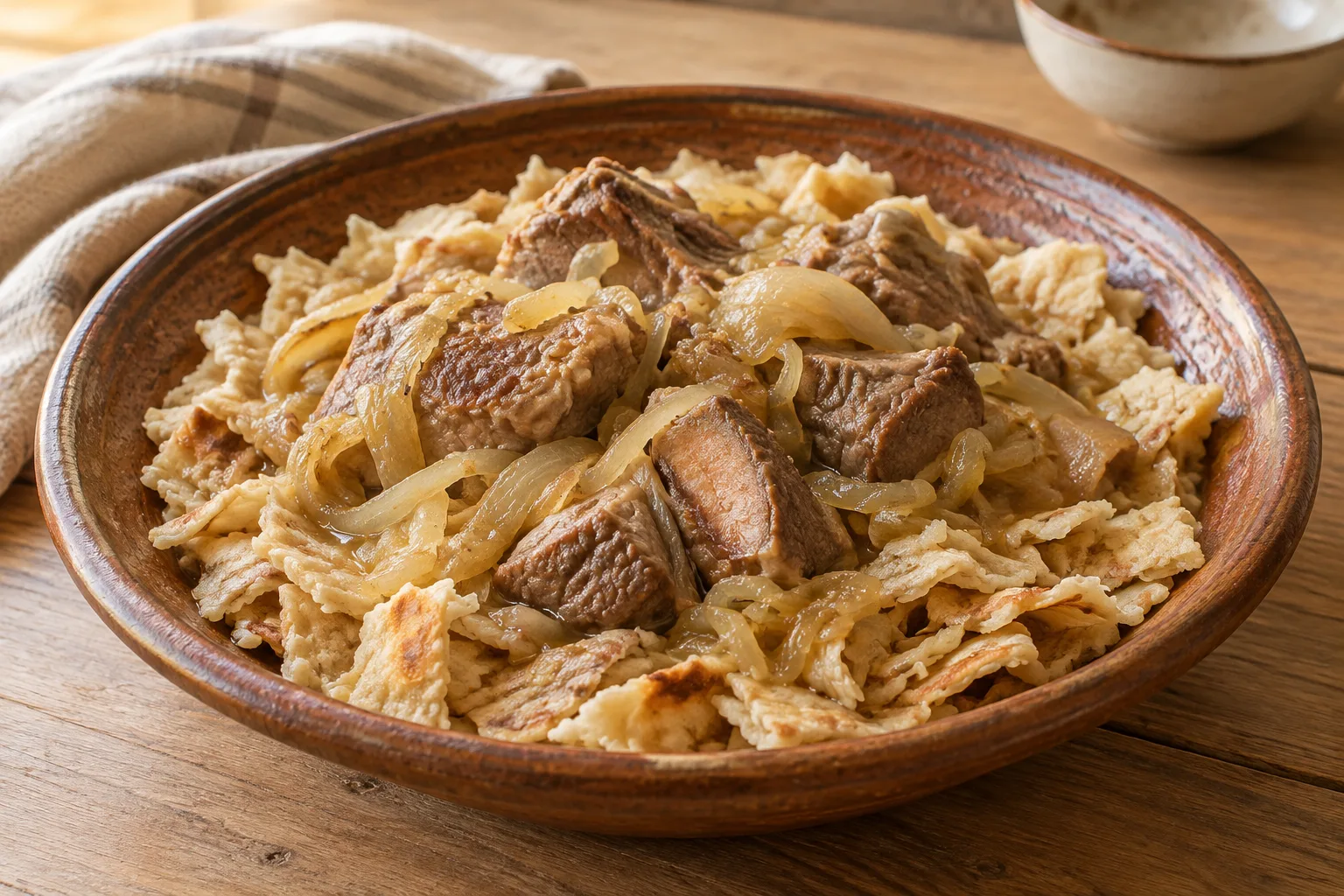
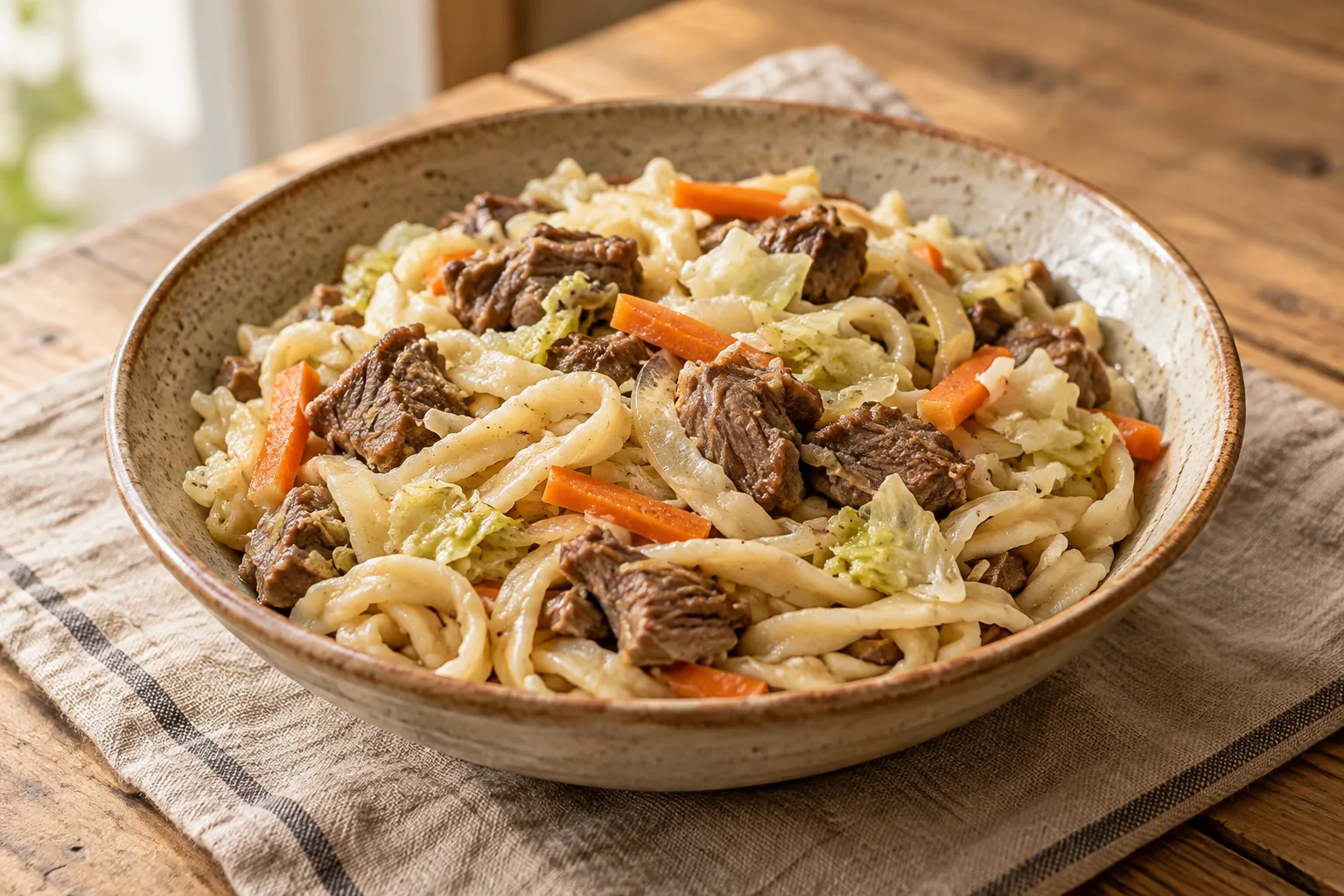
Choose lamb when you want a main dish that can suit several cooking styles. A leg or shoulder can be prepared as a roast; chops are practical for grilling or pan-frying; and pieces such as shoulder, neck, or breast/flank can be cut up for a stew or caldereta. Consider the animal's age if flavor intensity matters to you, since younger lamb is generally described as more delicate and older animals can have a stronger flavor. Serve lamb with vegetables, potatoes, vegetable purée, a legume purée such as hummus, or a sauce. The cut matters: a piece selected for roasting may not give the same result as a bony cut cooked quickly.
How to use it
Start by identifying the cut and choosing a method that suits it: roast, grill, pan-fry, or stew. Leg and shoulder are common roasting choices, while chops are suited to a pan or grill. For a stew, cut suitable pieces such as shoulder, neck, or breast/flank into portions. Pair the cooked lamb with vegetables, potatoes, vegetable purée, legume purée such as hummus, or a sauce. Handle raw lamb carefully: wash your hands, and clean utensils and work surfaces after they touch raw meat. Keep raw-meat juices away from ready-to-eat foods, and use a clean plate for cooked lamb rather than one that held it raw. One food-safety guide gives a minimum internal temperature of 62.8 °C (145 °F) for lamb steaks, roasts, and chops, followed by a four-minute rest before cutting or eating. Follow any additional directions on the package.
Flavour and texture
Lamb's flavor varies with the animal's age and the cut. Meat from younger animals is described as more delicate, while flavor can become more pronounced in older animals. Cuts also differ in bone and connective tissue: shoulder has more bone than leg, and neck contains bone and tendons. These differences help explain why some pieces are suited to slower stewing and others to roasting or grilling. Choose a cut with the cooking method and texture you have in mind.
How to choose it
Check which cut you are buying and match it to your recipe: leg or shoulder for roasting, chops for a pan or grill, and pieces such as neck, breast/flank, or shoulder for stewing. Age can influence flavor intensity, so consider it if you prefer a milder or stronger profile. For packaged lamb, read the product name, date, and storage and use directions. In some circumstances, packaged meat from sheep must provide country-of-origin or place-of-provenance information.
Storage
Keep fresh lamb according to the storage directions on its label or those provided by the retailer, and refrigerate it promptly. Position raw meat so its juices cannot drip onto ready-to-eat foods. For freezing or longer-term preservation, use a reliable, meat-specific guide rather than improvising a home-canning method. Clean work surfaces, boards, and utensils that have touched raw lamb before using them again.
Substitutions
The most practical replacement is often another lamb cut suited to the same method, rather than a cut-for-cut substitute that works in every recipe. For roasting, leg and shoulder can be alternatives depending on the piece available. For stews, choose portions of shoulder, neck, or breast/flank. Cuts differ in bone and structure, so the texture may change; match the replacement to the cooking method instead of assuming every cut cooks alike.
Common mistakes
A common mistake is choosing a cut without considering how it will be cooked: chops, leg, and neck have different structures and uses. It is also a mistake to assume all lamb has the same flavor, since intensity can vary with age. Prevent cross-contamination by keeping raw lamb and its juices away from ready-to-eat food, cleaning tools and surfaces after handling it, and never serving cooked meat on a plate that held it raw.
Safety and allergens
Wash hands and clean surfaces and utensils after handling raw lamb. Keep raw juices separate from ready-to-eat foods. For lamb steaks, chops, and roasts, reach at least 62.8 °C (145 °F) internally and rest for four minutes before eating. Follow the package's storage and use directions.
Culinary uses
- Main course
- Stew and braise ingredient
- Grilled or pan-fried meat
Recommended techniques
- Roasting
- Grilling
- Pan-frying
- Stewing
Pairs well with
- Potatoes
- Vegetables
- Vegetable purées
- Legume purées such as hummus
- Sauces
Frequently asked questions
Which lamb cuts are suitable for roasting?
Leg and shoulder are common roasting cuts. Choose between them based on the piece available and the result you want.
Which lamb cuts can I use in a stew?
Shoulder, neck, and breast/flank are used for stews and calderetas. Choose a piece suited to being cut into portions and cooked as a stew.
Does lamb flavor change with age?
Yes. Meat from younger animals is generally described as more delicate, while the flavor can be stronger in older animals.
Ingredient allergens
Allergen listThere are no verified associations for these ingredients yet.
Estimated nutrition
- Fat
- 20.5 g
- Saturates
- 9.82 g
- Carbohydrate
- 0 g
- Sugars
- 0 g
- Fibre
- 0 g
- Protein
- 17 g
- Salt
- 0.19 g
Sources and review
Automatically researched, cross-checked and validated content. Sources consulted:
- En el etiquetado alimentario hay algunas menciones que son obligatorias eletiquetadocuentamucho.aesan.gob.es/obligatoria.html
- The Essential Glossary of Cooking Terms for the Culinary Arts - Escoffier www.escoffier.edu/blog/culinary-arts/the-essential-glossary-of-cooking-terms-for-the-culinar…
- Washington State Food Access English-Spanish Glossary wpcdn.web.wsu.edu/wp-snaped/uploads/sites/2/2025/10/Food-Access-Spanish-Glossary.pdf
- Cuatro Pasos Simples Para la Seguridad en los Alimentos | Home & Garden Information Center hgic.clemson.edu/factsheet/cuatro-pasos-simples-para-la-seguridad-en-los-alimentos/
- Contributions of Medieval Food Manuals to Spain's ... scholar.uc.edu/downloads/8910jw314?locale=en
- Nutrition After Your Transplant - Health Online healthonline.washington.edu/sites/default/files/record_pdfs/Nutrition-After-Your-Transplant-…
- Vamos a Conservar Alimentos: Carnes extension.psu.edu/vamos-a-conservar-alimentos-carnes/
- Bloque 1: ¿Qué es un dato de carácter personal? [Vídeo] doi.org/10.6035/ppd.2023.1
- El cordero, base de nuestra cultura, gastronomía y economía | Cultura www.restaurantecain.es/cultura/cordero-gastronomia
- El cordero, un auténtico placer gastronómico - La Mesa Habla lamesahabla.com/cordero-placer-gastronomico/
- Culinary Arts - Culinary School with Housing Opportunity coloradomtn.edu/es/programs/culinary-arts/
- Cordero: la tradicional carne de primavera - Gastroactitud. Pasión por la comida www.gastroactitud.com/pista/cordero-la-tradicional-carne-de-primavera/
- Para la ciudadanía www.aesan.gob.es/para-la-ciudadania