- Category
- Fish and seafood
- State
- Fresh
- Usual unit
- fillet
What it is
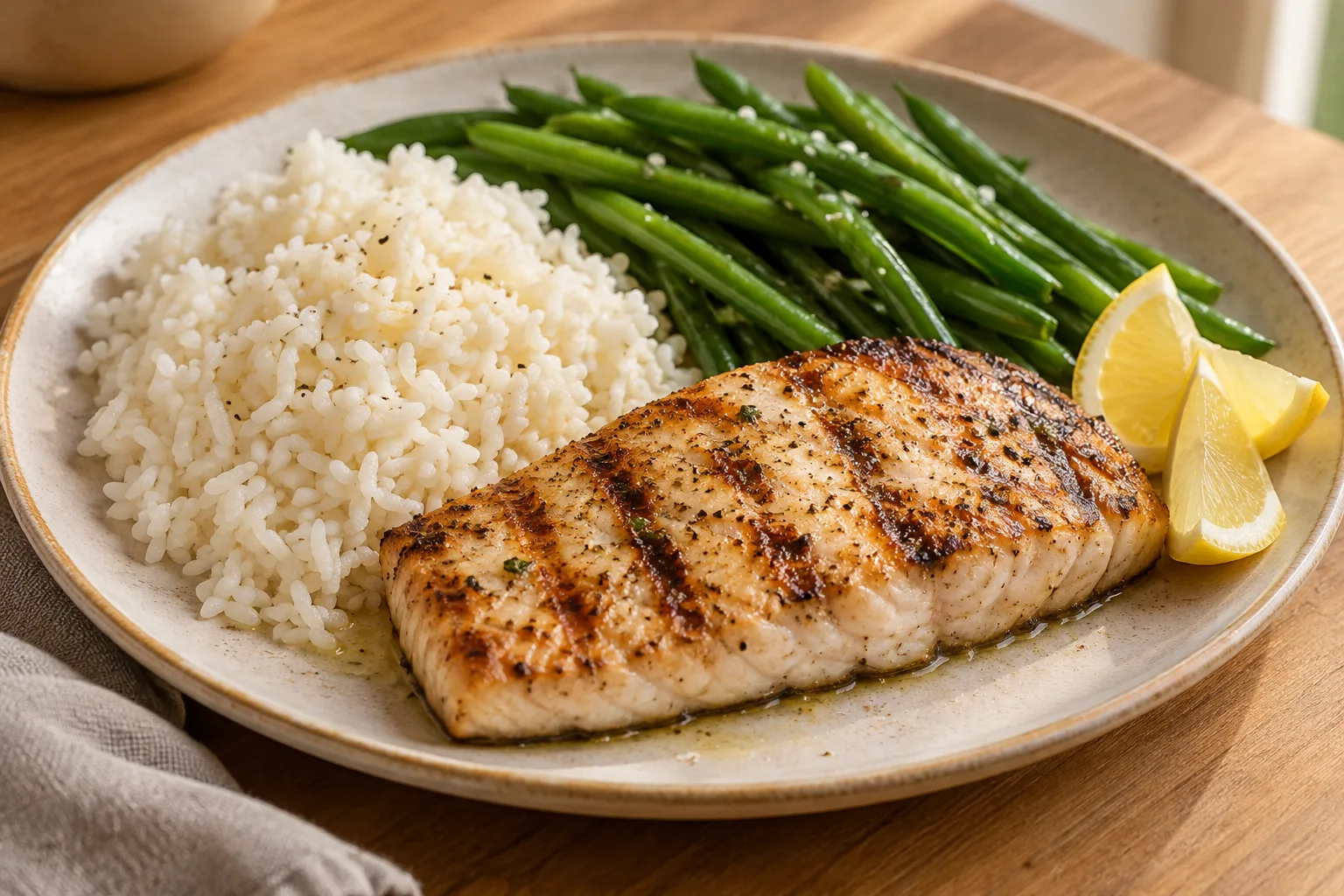
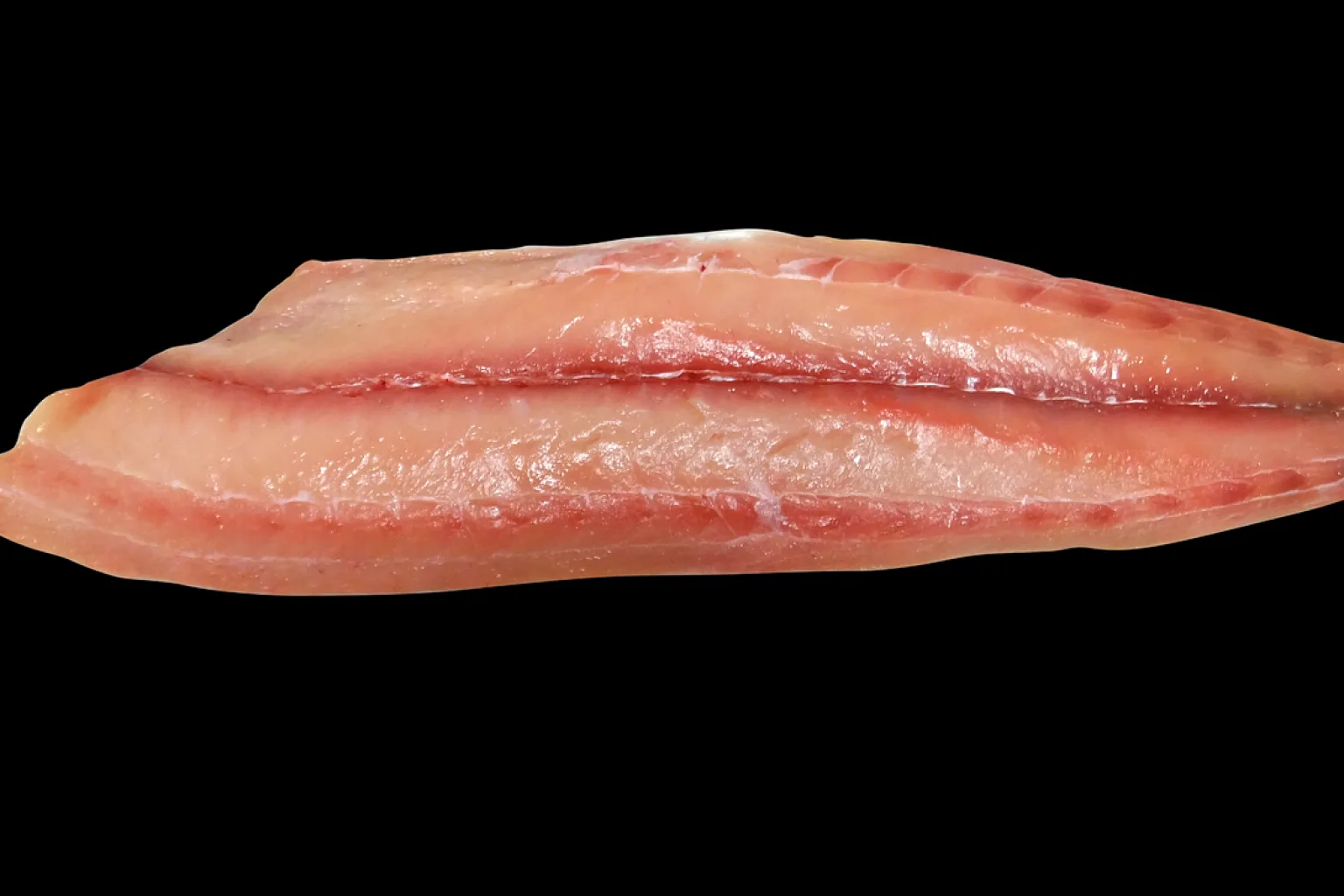
Mahi-mahi is a marine fish identified by the scientific name Coryphaena hippurus. It is sold whole or as fillets, which may be skin-on or skinless and may or may not contain bones, so check the exact product. Its flesh is commonly described as white, mild in flavor, slightly sweet, and firm in texture. Fillets are convenient to cook individually and serve as a main course, or to cut up for tacos. The English name “dolphinfish” refers to a fish, not to a mammal. Commercial mahi-mahi may be sold fresh or frozen; this profile focuses on fresh fillets.
When to use it
Choose mahi-mahi when you want a mild-tasting fish that works with varied seasonings and holds its shape during cooking. Whole fillets are suitable as a main course, pan-seared, grilled, baked, or poached. You can also cut them into pieces for tacos or flake them after cooking. Pair them with lime or lemon, cilantro, and fresh sauces; mango and cabbage appear in taco and side-dish ideas. Account for the thickness of the fillets and watch them as they cook to help prevent dryness.
How to use it
Keep the fillets refrigerated until preparation, and prevent raw fish from touching ready-to-eat foods. Pat the surface dry if it is very damp and season as desired; citrus, spices, and a little oil are simple options. Cook the fillets in a pan, on a grill, in the oven, or by poaching. Handle them carefully on the grill so they do not break apart; a suitable grilling surface can make this easier. For tacos, cut the fish into pieces before cooking or flake it afterward, then serve with tortillas, cabbage slaw, cilantro, and lime. Cook it thoroughly and avoid leaving it over heat for too long, as the flesh can dry out. Refrigerate leftovers promptly in a clean container.
Flavour and texture
Mahi-mahi is described as mild in flavor, sometimes slightly sweet, with firm flesh that flakes when cooked. Its restrained flavor works with citrus, spices, and herbs without overpowering a dish. The firm texture helps fillets hold their shape when seared or grilled, although they can break if handled too roughly. Prolonged cooking can make the flesh dry, so watch it closely and account for fillet thickness.
How to choose it
Check that packaging is intact and that the fish is properly chilled. For packaged fish, read the storage information and date and follow the seller’s instructions. Ask whether the fillets are skin-on or contain bones, since the format varies. If buying frozen fish, avoid open or damaged packages and packages with substantial frost or ice crystals, which can indicate that the fish thawed and was refrozen. Buy an amount you can keep refrigerated and use promptly.
Storage
Refrigerate fresh fillets at 4.4 °C (40 °F) or colder and use them within three days, or sooner if the package or seller specifies a shorter period. If you will not cook them within that time, you can freeze them; wrap and protect the fish to help limit quality loss. Thaw it in the refrigerator or follow the package directions. Keep raw fish separate from ready-to-eat foods, and clean any surfaces and utensils that have touched it.
Substitutions
You can replace mahi-mahi with another firm white fish or a flaky white fish suited to the preparation. Red snapper or grouper are possible options in recipes calling for a firm fillet. Adjust cooking time to the thickness and characteristics of the replacement fish; do not assume every fillet cooks alike. For tacos, a white fish that flakes easily can also work.
Common mistakes
Do not confuse the English name “dolphinfish” with a mammal: mahi-mahi is a fish. Do not assume every fillet is skinless or boneless; check the product and remove any visible bones before cooking. Avoid overcooking, which can dry the flesh, and handle the fillets gently so they do not break. Do not leave raw fish unrefrigerated or thaw it on the counter.
Safety and allergens
Fish is an allergen. Keep raw fillets refrigerated at 4.4 °C (40 °F) or colder, separate from ready-to-eat foods, and use them within the stated storage period. Wash hands and clean utensils and surfaces that have touched raw fish. Cook fish thoroughly; follow any preparation or safety instructions on the package.
Culinary uses
- Main course
- Filling for tacos
Recommended techniques
- Pan-searing
- Grilling
- Baking
- Poaching
Pairs well with
- Lime or lemon
- Cilantro
- Mango salsa
- Cabbage slaw
Frequently asked questions
What do mahi-mahi fillets taste like?
Their flavor is generally described as mild and slightly sweet. The firm flesh works well with citrus, herbs, and a range of seasonings.
How can I cook mahi-mahi fillets?
Pan-sear, grill, bake, or poach them. They also work in tacos; avoid prolonged cooking so the fish does not dry out.
How long do fresh fillets keep in the refrigerator?
One home-storage guide advises refrigerating them at 4.4 °C (40 °F) or colder and using them within three days. Follow any shorter period on the package or from the seller.
Ingredient allergens
Allergen listDocumented presence
-
Fish
Mahi-mahi fillets
Estimated nutrition
- Fat
- 0.59 g
- Saturates
- 0 g
- Carbohydrate
- 0 g
- Sugars
- 0 g
- Fibre
- 0 g
- Protein
- 3.53 g
- Salt
- 0.22 g
Sources and review
Automatically researched, cross-checked and validated content. Sources consulted:
- ¿Por qué la muerte es origen de miedos y tabúes? doi.org/10.64628/aao.fccyk3qj3
- The Essential Glossary of Cooking Terms for the Culinary Arts - Escoffier www.escoffier.edu/blog/culinary-arts/the-essential-glossary-of-cooking-terms-for-the-culinar…
- Publicaciones de Seguridad alimentaria www.aesan.gob.es/AECOSAN/docs/documentos/publicaciones/revistas_comite_cientifico/AMINAS_BIO…
- Preserving Your Catch & Purchase: A Guide to Freezing and Thawing Seafood at Home | NC State Extension Publications content.ces.ncsu.edu/preserving-your-catch-purchase-a-guide-to-freezing-and-thawing-seafood-…
- Easy Mahi-Mahi Tacos – Stirring Up Healthy Recipes blogs.clemson.edu/stirringuphealthyrecipes/easy-mahi-mahi-tacos/
- Nutrition Label menus.princeton.edu/dining/_Foodpro/online-menu/label.aspx?RecNumAndPort=581583%2A5&dtdate=3…
- Fish on the grill | Lincoln Land Community College www.llcc.edu/news/fish-grill
- Mahi Mahi – South Pacific Fish southpf.es/productos/mahi-mahi/
- Mahi Mahi a la Plancha - Adriana's Best Recipes www.adrianasbestrecipes.com/es/mahi-mahi-a-la-plancha/
- Mahi Mahi Sellado a la Sartén (Mantequilla de Limón y Ajo, 25 Min) kelvinskitchen.com/es/recipe/seared-mahi-lemon-garlic-butter/
- Filete de Mahi Mahi: calorías e información nutricional | EatBetter www.eatbetter.app/es/alimento/mahi-mahi-filete
- Mahi Mahi: el pescado tropical que solo puedes probar en un restaurante de Madrid www.telecinco.es/gastronomia/restaurantes/20250820/mahi-mahi-pescado-tropical-avatar-probar-…