- Category
- Meat
- State
- Fresh
- Usual unit
- g
What it is
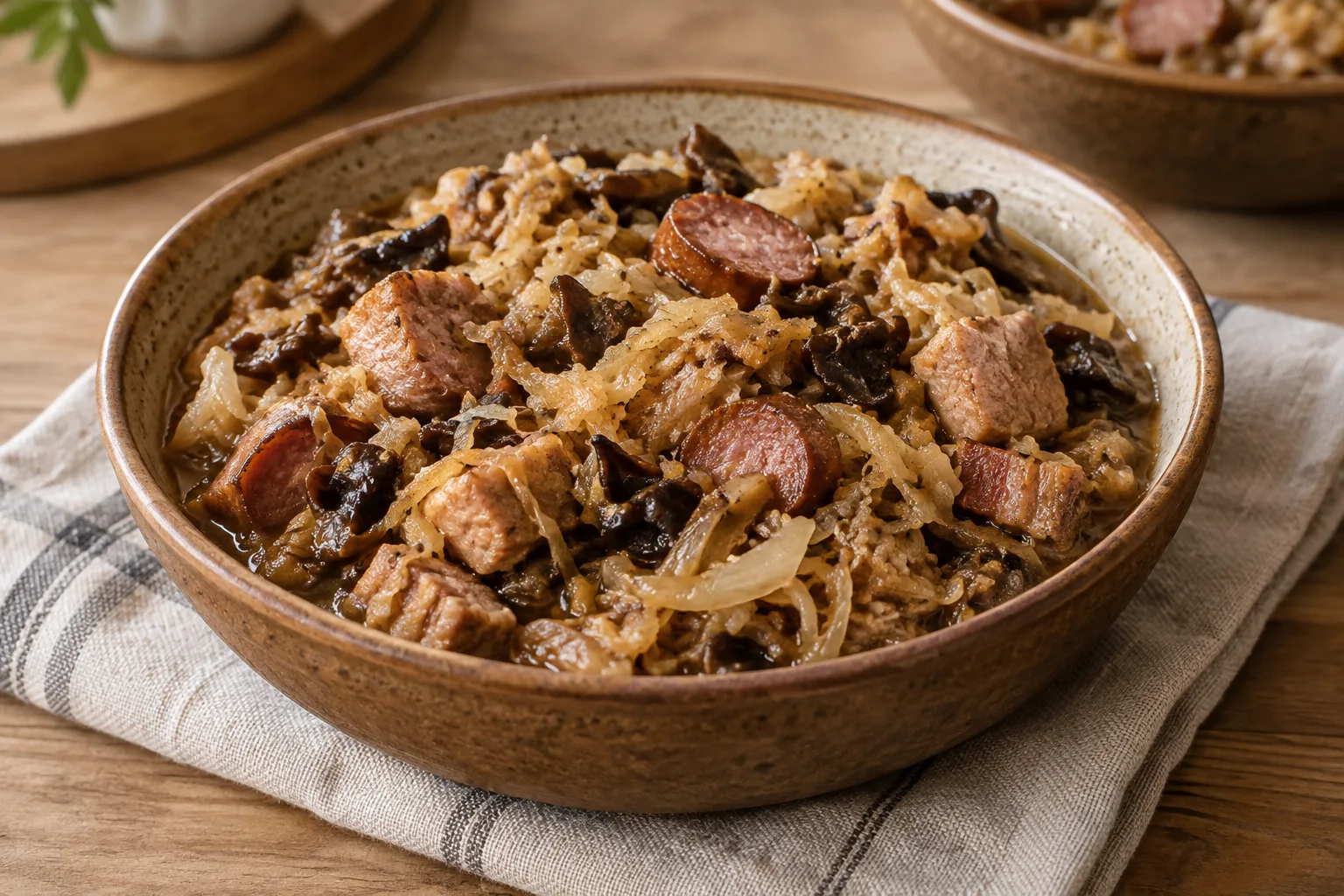
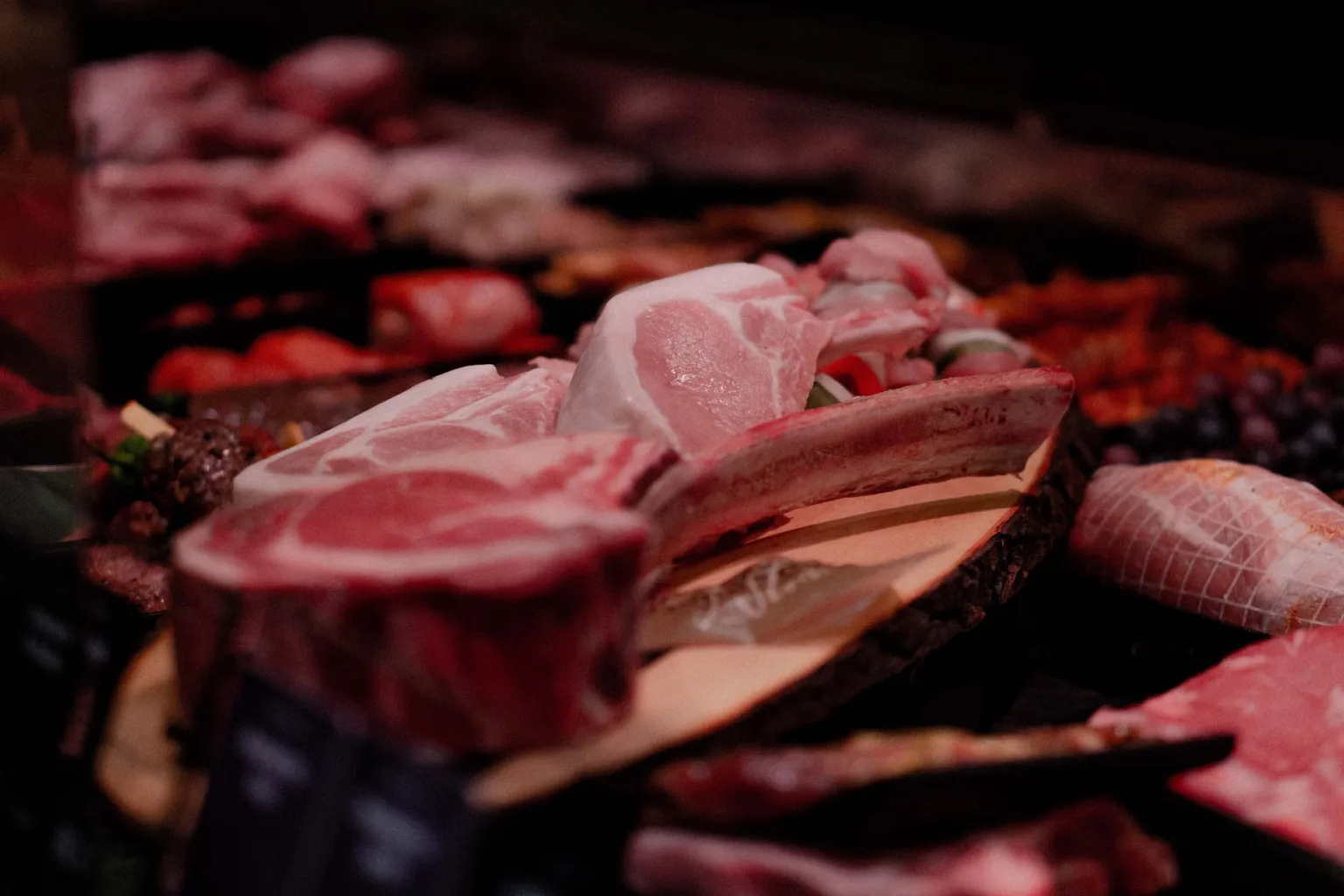
“Meat in pieces” describes meat cut into portions; it does not identify a particular species or cut. Edible meat is generally animal tissue, mainly muscle, and can come from different land animals. The name alone therefore does not tell you whether the pieces are beef, pork, lamb, poultry or another meat, or whether they are tender, fatty, lean or bone-in. These differences affect how the meat cooks: a piece suited to quick cooking may not behave like one intended for a long braise. Before cooking, check which species and cut you have, then match the pieces to the dish. This profile refers to fresh meat in pieces with no further specification; it does not assume a particular animal, flavour profile or single cooking method.
When to use it
Use meat in pieces when you want distinct portions of meat in a stew, sauce or roast. Pieces can also be threaded onto skewers for grilling, provided the cut is suitable for direct heat. If the cut is firm or the dish benefits from a long cook, a slow preparation may be more appropriate than a quick one; the particular cut matters. For a fast-cooking recipe, check that both the cut and the size of the pieces suit that method. Because the name does not identify the animal or cut, do not assume that every technique will work equally well.
How to use it
Start by identifying the species and cut from the label or by asking the seller, since “meat in pieces” does not indicate how it will respond to cooking. Keep the pieces a similar size within a dish to help them cook evenly. Choose a short cooking method for cuts suited to a griddle or grill, and a longer cook in liquid for stews where a tender, yielding texture is wanted. Onion, garlic and spices can season a stew; vegetables and leafy greens can accompany roasted meat. Adjust seasoning to the meat and recipe, and follow the handling and cooking directions for the particular product. Do not assume that the size of the pieces tells you the cut or how long it needs to cook.
Flavour and texture
Flavour and texture are not fixed: they depend on the animal, cut, fat content and cooking method. Meat may turn out firm, tender, juicy or more yielding depending on the piece and how it is cooked. A spiced stew adds its own flavours to the dish, while a simpler preparation gives the meat more prominence. Without the species and cut, there is no single flavour profile to describe.
How to choose it
Look for a label or product description that names the species and cut and clarifies whether the meat is fresh or in another form. Check the product’s appearance and the package directions for use and storage. If your recipe calls for a specific method, such as quick cooking or a long braise, ask whether the cut is suitable. The phrase “meat in pieces” alone does not provide those details.
Storage
Store the meat according to the directions on its package or the seller’s instructions, and observe any use-by date on the label. Do not infer a single storage life from the phrase “meat in pieces”: species, cut and presentation can vary. If clear instructions are missing, ask the retailer who sold it how to store that particular product.
Substitutions
There is no universal replacement for meat that reproduces its flavour and texture in every recipe. For meatballs, textured soy or chopped mushrooms can work as culinary alternatives, but the result differs and may need other ingredients to hold the mixture together. These options are not equivalent in every stew or roast. Check the chosen product’s ingredients and adapt the recipe to how it behaves.
Common mistakes
Treating every piece as though it came from the same animal or cut can lead to an unsuitable cooking method. Do not rely on portion size alone to decide how long to cook it. It is also a mistake to assume a plant-based alternative will exactly reproduce meat’s texture or work in every preparation.
Safety and allergens
The species and presentation are unspecified. Follow the package or seller’s handling, cooking and storage directions; do not apply a time or storage instruction intended for a different meat.
Culinary uses
- Ingrediente principal de guisos, asados y platos a la parrilla
- Base para preparaciones de carne picada, como hamburguesas, albóndigas y rollos
Recommended techniques
- Cocción lenta en guisos o salsas
- Asado al horno o a la parrilla
- Cocción a la plancha, si el corte es adecuado
Pairs well with
- Especias, cebolla y ajo en preparaciones guisadas
- Arroz o pan como acompañamiento de guisos especiados
- Verduras y hojas verdes junto a carnes asadas o a la parrilla
Frequently asked questions
Which species of meat is this?
The name only says that it has been cut into pieces; it does not identify the animal or cut. Check the label or ask the seller.
Can I use it in a stew?
Yes, if the cut is suitable. Cut matters: some pieces are better suited to prolonged cooking than others.
What can replace minced meat in meatballs?
Textured soy or chopped mushrooms can work in some meatball mixtures, but the texture and ingredients needed may differ.
Ingredient allergens
Allergen listThere are no verified associations for these ingredients yet.
Sources and review
Automatically researched, cross-checked and validated content. Sources consulted:
- Romanica Olomucensia : «¿Qué pinga es esto?». Usos disfemísticos en el español de Cuba doi.org/10.5507/ro.2021.007
- Etiquetado de sustancias que causan alergias e intolerancias alimentarias www.aesan.gob.es/seguridad-alimentaria/informacion-alimentaria/etiquetado-sustancias
- Términos culinarios piruletasdejamon.es/terminos-culinarios/
- Carne - Wikipedia, la enciclopedia libre es.wikipedia.org/wiki/Carne
- Food Allergens - International Regulatory Chart | Food Allergy Research & Resource Program | Nebraska farrp.unl.edu/IRChart/
- Reconoce los TIPOS DE CARNE y aprende qué carne es por sus distintas PIEZAS y CORTES. muysibarita.com/conoce-los-tipos-de-carne-y-reconoce-que-carne-por-sus-distintos-tipos-de-co…
- Carne y la cultura gastronómica : Jovencasa jovencasa.com/carne-y-la-cultura-gastronomica/
- Food Allergies | FDA www.fda.gov/food/nutrition-food-labeling-and-critical-foods/food-allergies
- Food allergen labelling and information requirements technical guidance - GOV.UK www.gov.uk/government/publications/food-allergen-labelling-and-information-requirements-tech…
- Food information to consumers - legislation - Food Safety food.ec.europa.eu/food-safety/labelling-and-nutrition/food-information-consumers-legislation…
- 9 platos de carne cruda por el mundo – Gastronoming www.gastronoming.com/9-platos-de-carne-cruda-por-el-mundo/
- 21 recetas de carne: platos principales perfectos para cualquier ocasión bonviveur.com/es/recetas/lista/carnes/
- estudio de las carnes y sus aplicaciones en cocina archivos.csif.es/archivos/andalucia/ensenanza/revistas/iee/Numero_51/JOSEMIGUEL_REQUENA_2.pd…
- 5 tipos de carne vegetal que hay que conocer | Recetas Nestlé www.recetasnestle.com.ar/escuela-de-sabor/ingredientes/carne-vegetal