- Category
- Drinks
- State
- Liquid
- Usual unit
- cup
What it is
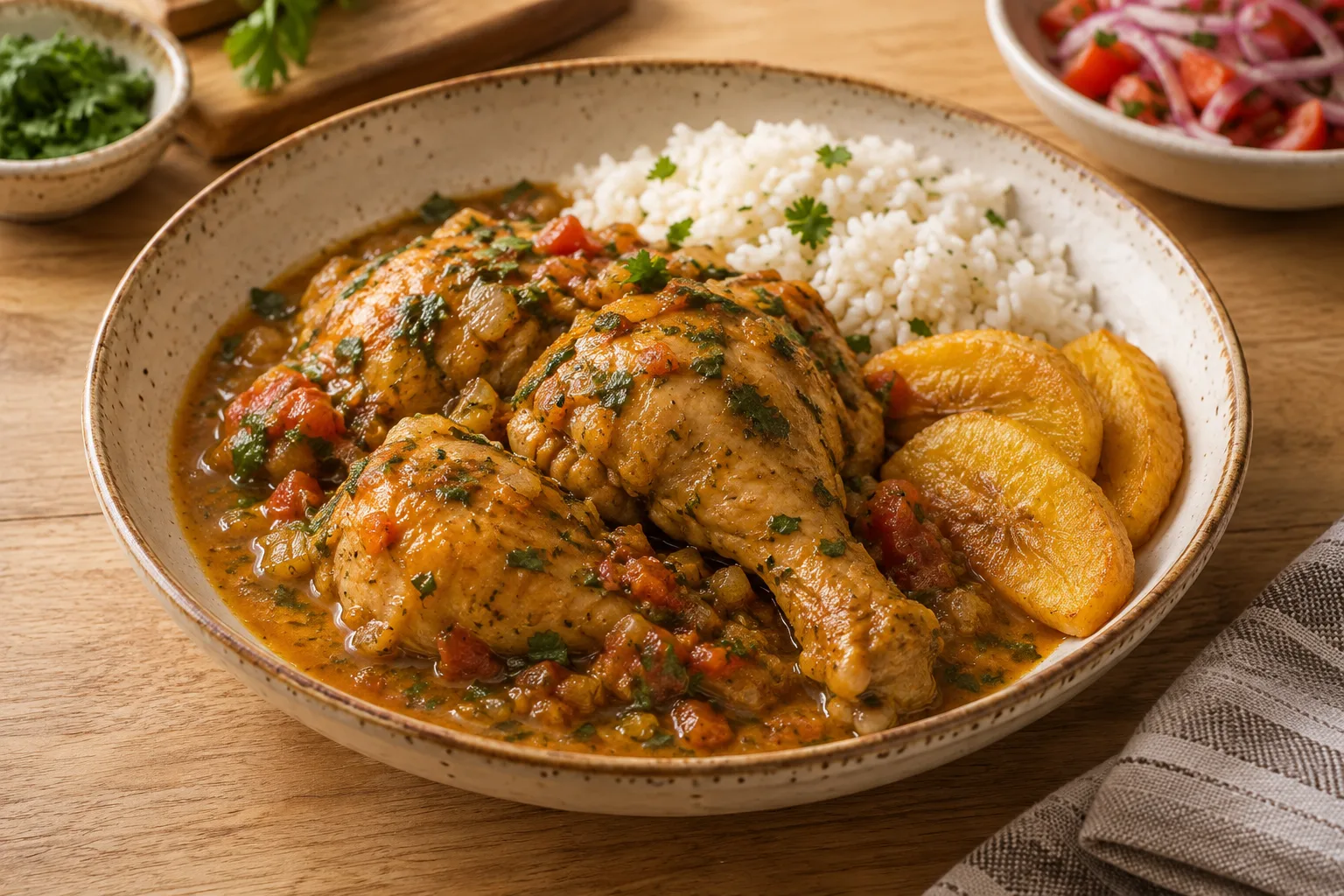
Naranjilla juice is made from the fruit also known as lulo in Colombia. Its profile is notably tart, with an intense fruity flavor that can be balanced with water and a sweetener. One home preparation softens the fruit in water, lets it cool, blends it with some of that water, and strains the mixture to remove the seeds. The result is a liquid drink whose strength and sweetness can be adjusted. Naranjilla is also used in savory cooking, including seco de chivo, a meat dish.
When to use it
Serve this juice when you want a fruit drink with pronounced tartness and a distinctive flavor, adjusting the amount of water and sweetener to suit your preference. Naranjilla can also add a tangy element to savory preparations such as seco de chivo. Straining separates the seeds from the blended fruit, making this method useful when you want a more uniform drink. The available information does not establish a specific buying season or a storage duration.
How to use it
For a home preparation, soften the naranjillas in water and let them cool. Blend the fruit with some of the cooking water; alternatively, use fresh cold water. Add sugar or panela to taste and mix until dissolved. Strain the juice to remove the seeds, then add water gradually until it reaches the strength you want. Taste before adding more sweetener, since the fruit’s acidity can vary. Naranjilla can also be used as a tangy ingredient in savory preparations such as seco de chivo. No single fruit-to-water ratio is specified, so adjust the mixture a little at a time.
Flavour and texture
The juice is notably tart, with an intense, aromatic fruit flavor; despite the name, it does not taste like orange juice. Water makes it lighter. Unstrained juice may contain seeds, while straining gives it a more uniform texture.
How to choose it
Choose ripe naranjillas without visible signs of spoilage. The fruit may be left to ripen at home, but the available information does not establish an ideal color, firmness, or buying season. If buying whole fruit for juice, consider the amount you want to make and how intense you want its flavor to be.
Storage
The described preparation cools the cooked fruit before blending. No specific storage time is established for prepared juice, so avoid assuming a precise shelf life. Use clean containers and potable water when preparing it, and refrigerate the drink if you are not serving it right away.
Substitutions
For sweetness, use sugar or panela; both are described as options for naranjilla juice. They replace one another as sweeteners, not the fruit itself. To change the drink’s intensity, add water gradually rather than replacing the naranjilla with another fruit.
Common mistakes
Do not mistake naranjilla for orange: the juice has a different flavor and can be quite tart. Avoid adding all the water at once or sweetening without tasting; gradual adjustments help preserve the fruit’s character and reach your preferred balance.
Safety and allergens
Use sound fruit, potable water, and clean utensils. No specific warning or storage period for this juice is established in the available information.
Culinary uses
- Bebida de fruta para servir sola o diluida.
- Ingrediente ácido para aportar sabor a preparaciones como el seco de chivo.
Recommended techniques
- Licuar la fruta cocida y enfriada con agua.
- Colar el jugo para retirar las semillas.
Pairs well with
- Agua, para ajustar la concentración del jugo.
- Azúcar o panela, para endulzar al gusto.
Frequently asked questions
Is naranjilla the same as orange?
No. Despite the similar names, naranjilla has its own distinctly tart and aromatic flavor.
How do I remove the seeds from the juice?
Strain the blended mixture to separate the seeds and make the drink more uniform.
Can I sweeten it with panela?
Yes. Use panela or sugar, adjusting the amount to taste.
Ingredient allergens
Allergen listThere are no verified associations for these ingredients yet.
Sources and review
Automatically researched, cross-checked and validated content. Sources consulted:
- ¿Por qué la muerte es origen de miedos y tabúes? doi.org/10.64628/aao.fccyk3qj3
- Gastronomía de Costa Rica - Wikipedia, la enciclopedia libre es.wikipedia.org/wiki/Gastronom%C3%ADa_de_Costa_Rica
- Qué es (y qué no es) la estadística, usos y abusos de una disciplina clave en la vida de los países y las personas | Estudios económicos doi.org/10.52292/j.estudecon.2015.740
- Chicha - Wikipedia, la enciclopedia libre es.wikipedia.org/wiki/Chicha
- Desarrollo de una nueva propuesta gastronómica con base en el uso de palmito en recetas de sal y dulce | OpenAlex openalex.org/W2588337870
- Naranjilla fruta andina con un sabor único | Recetas Nestlé www.recetasnestle.com.ec/escuela-de-sabor/coccion-y-tecnica/naranjilla
- - YouTube www.youtube.com/watch?v=PO4WVIlcPNE
- Gastrolamas: Zumo (jugo) de naranjilla gastrolamas.blogspot.com/2012/07/zumo-jugo-de-naranjilla.html
- La cocina técnico conceptual: origen, significado, características y propuesta gastronómica a partir de 25 productos cultivados, en la provincia del Azuay-Ecuador | OpenAlex openalex.org/W66629700