- Category
- Vegetables
- State
- Fresh
- Usual unit
- cup
What it is
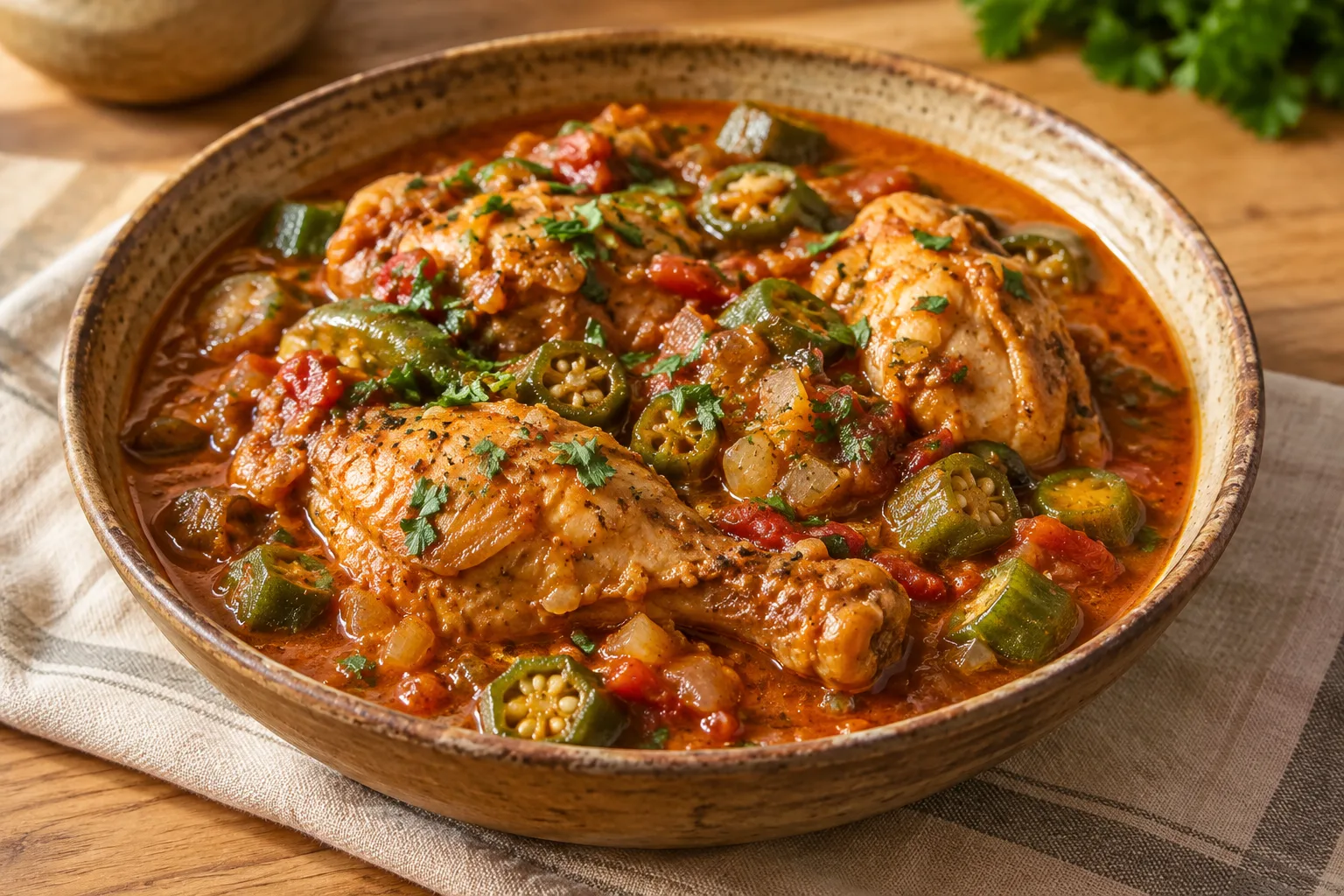
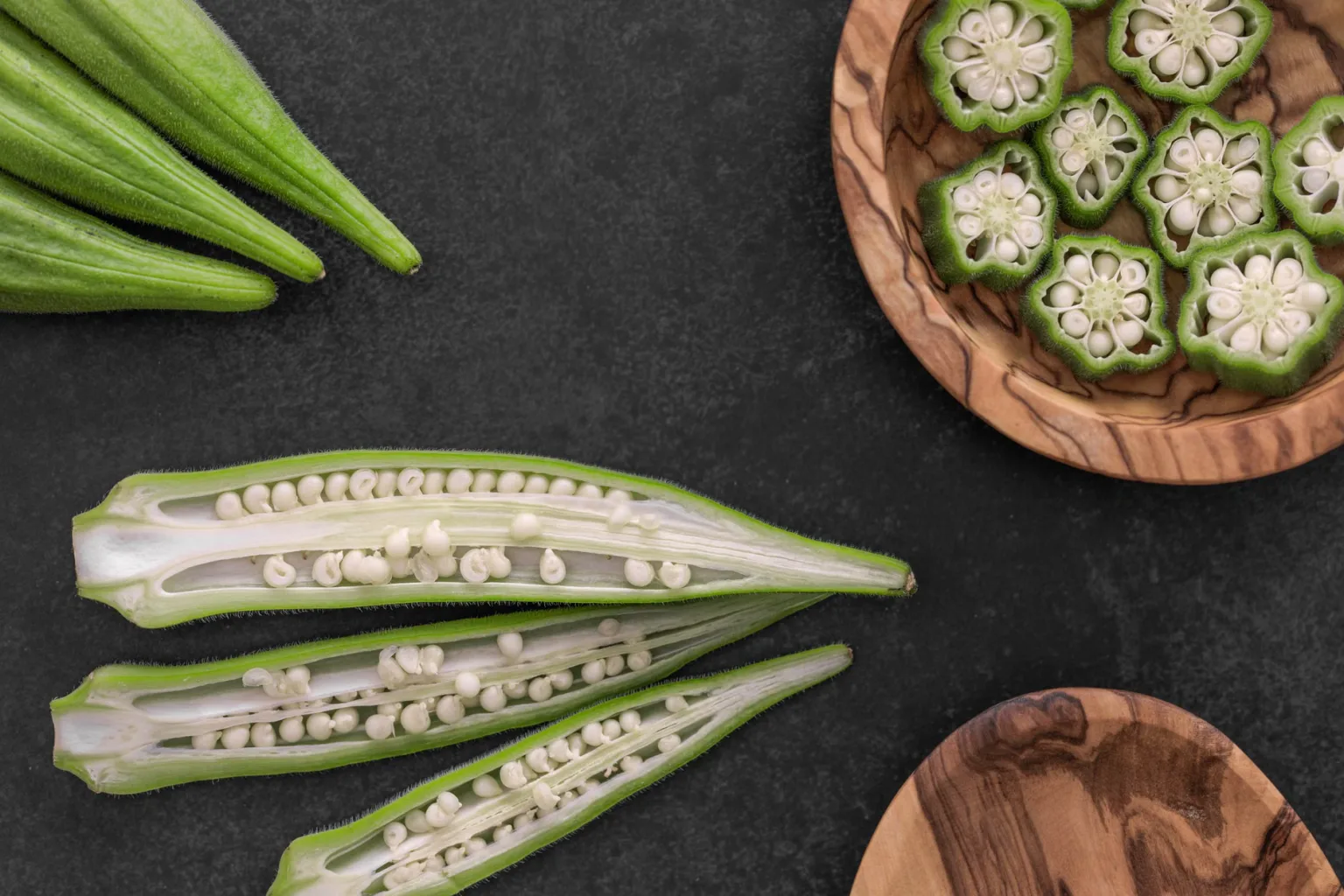
Okra, also called gumbo or gombo in some regions, is the edible pod of a plant in the mallow family. It is used as a vegetable and is generally harvested while the pods are young and tender. The outer skin may feel slightly fuzzy, while the interior contains seeds surrounded by a naturally mucilaginous substance. When the pod is cut and cooked, that substance can thicken soups, broths and stews. Okra can be cooked whole or cut into pieces, and its mild flavor works well with other vegetables and seasonings. It does not need to be peeled: rinse it and trim the stem end if needed for your recipe.
When to use it
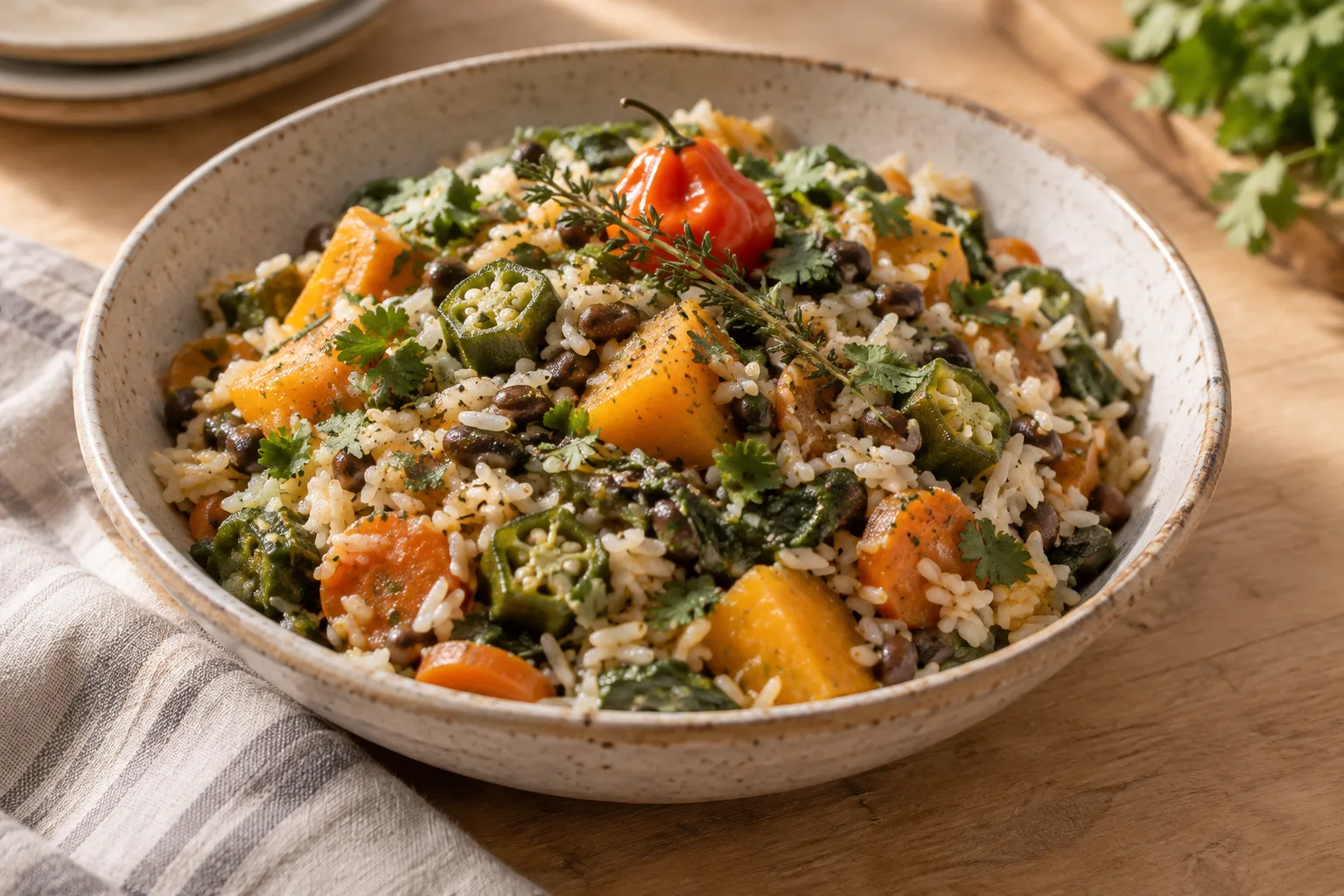
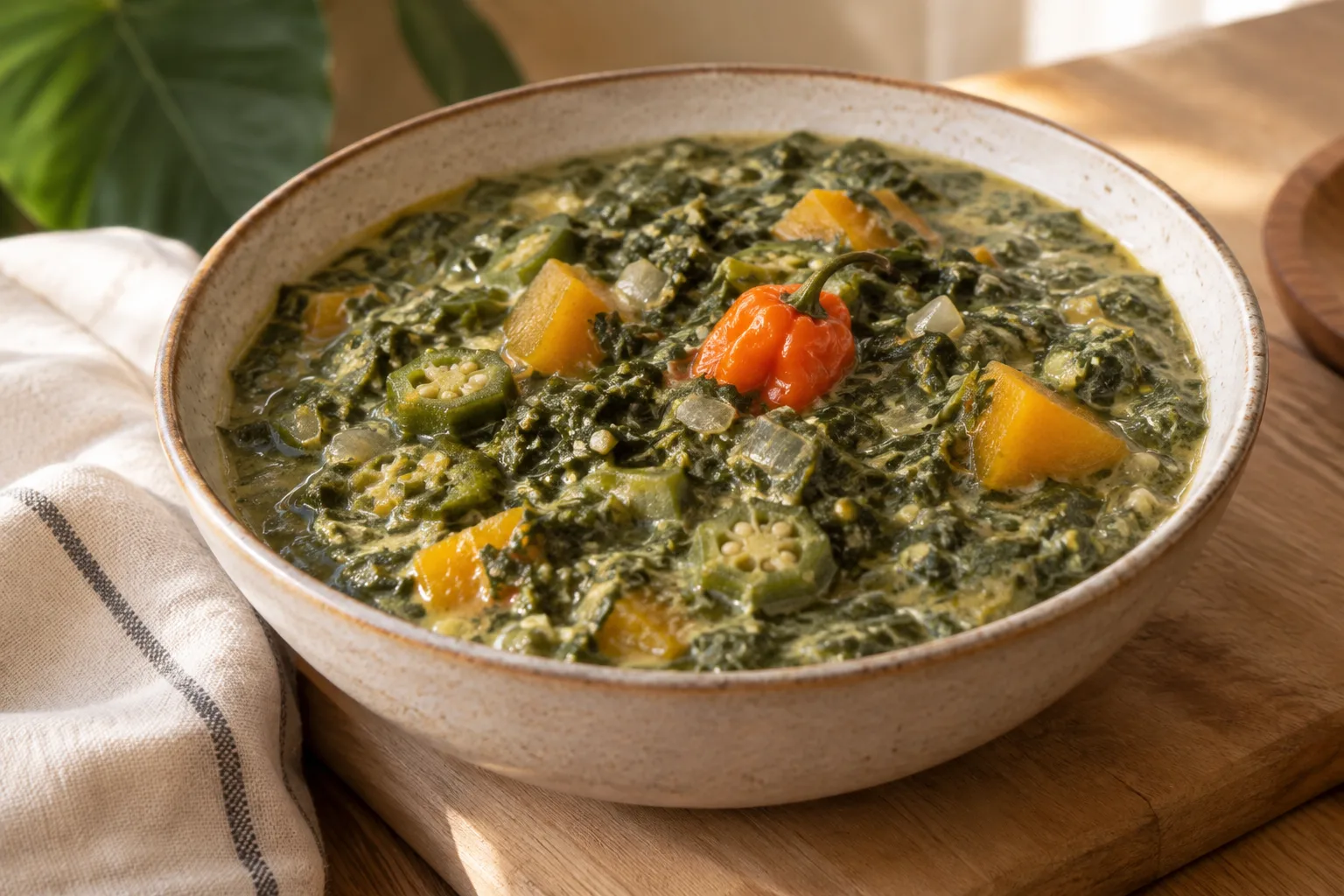
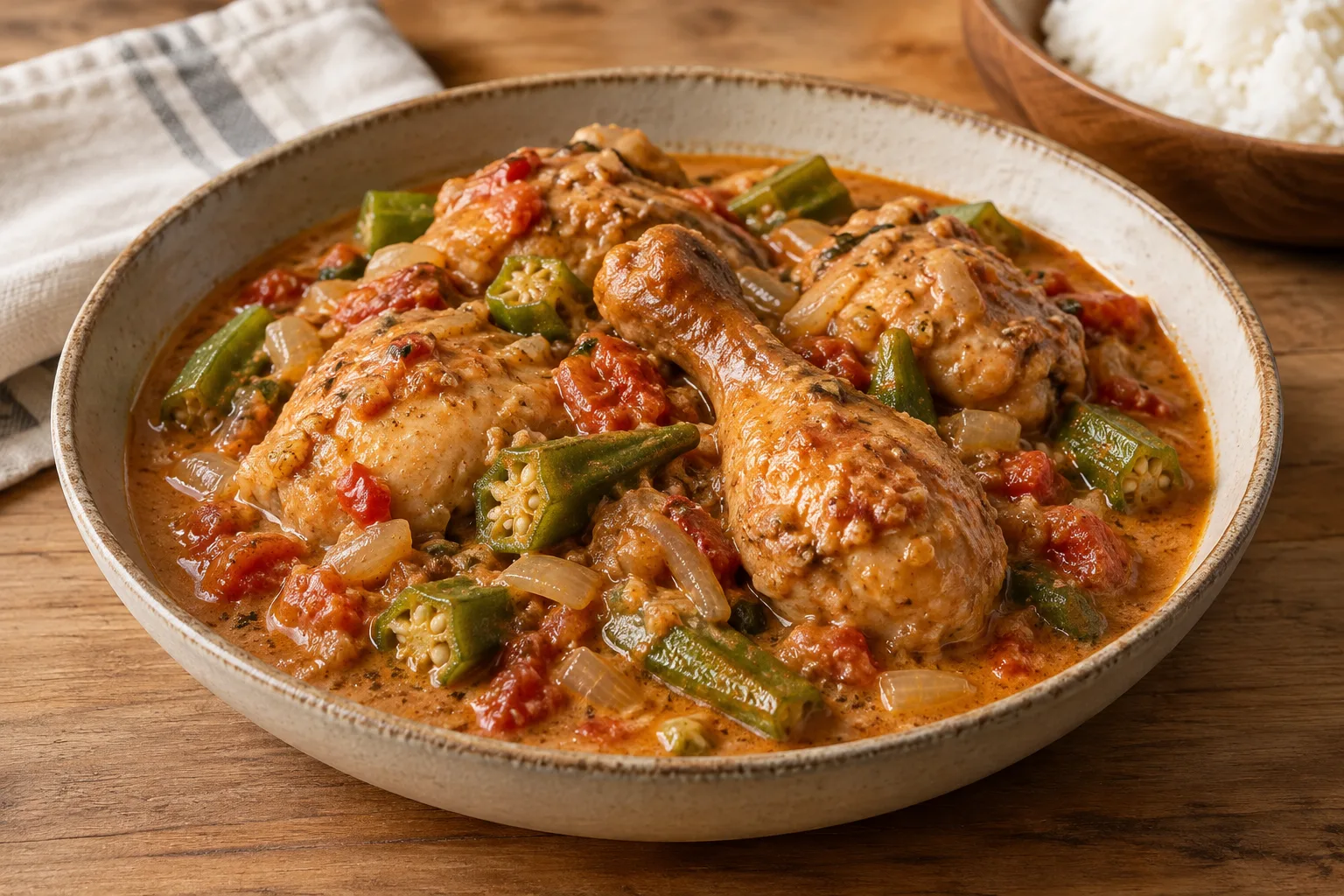
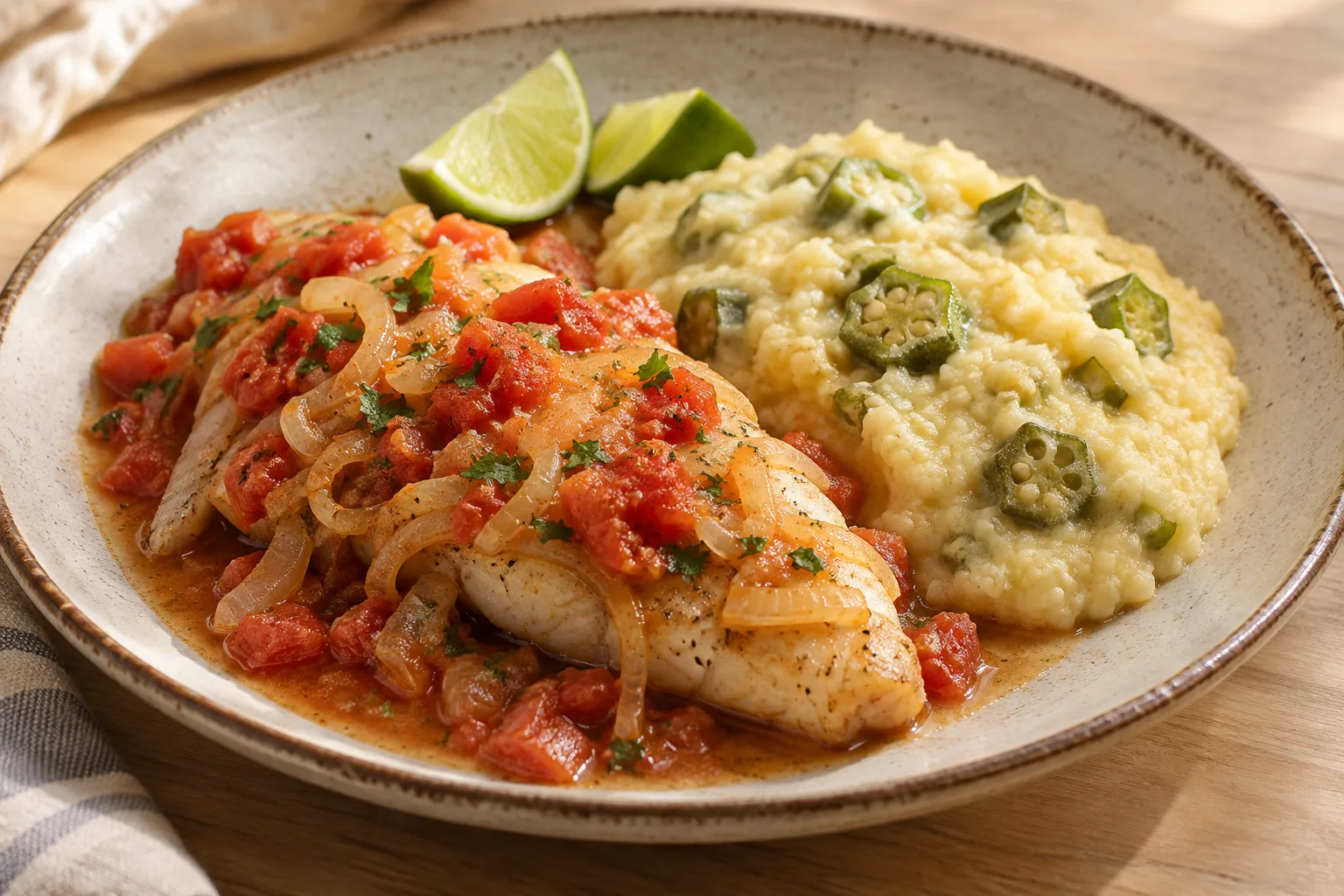
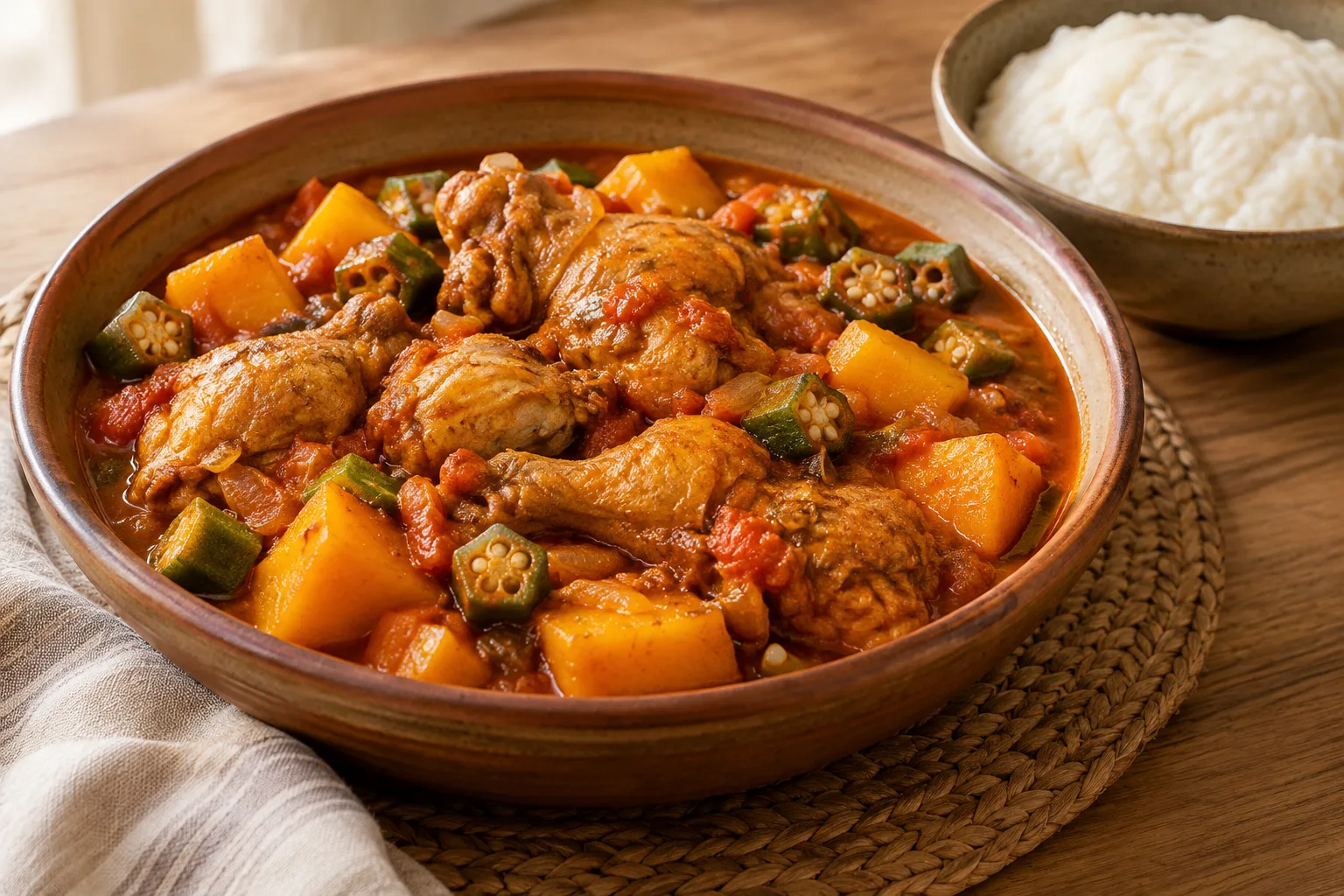
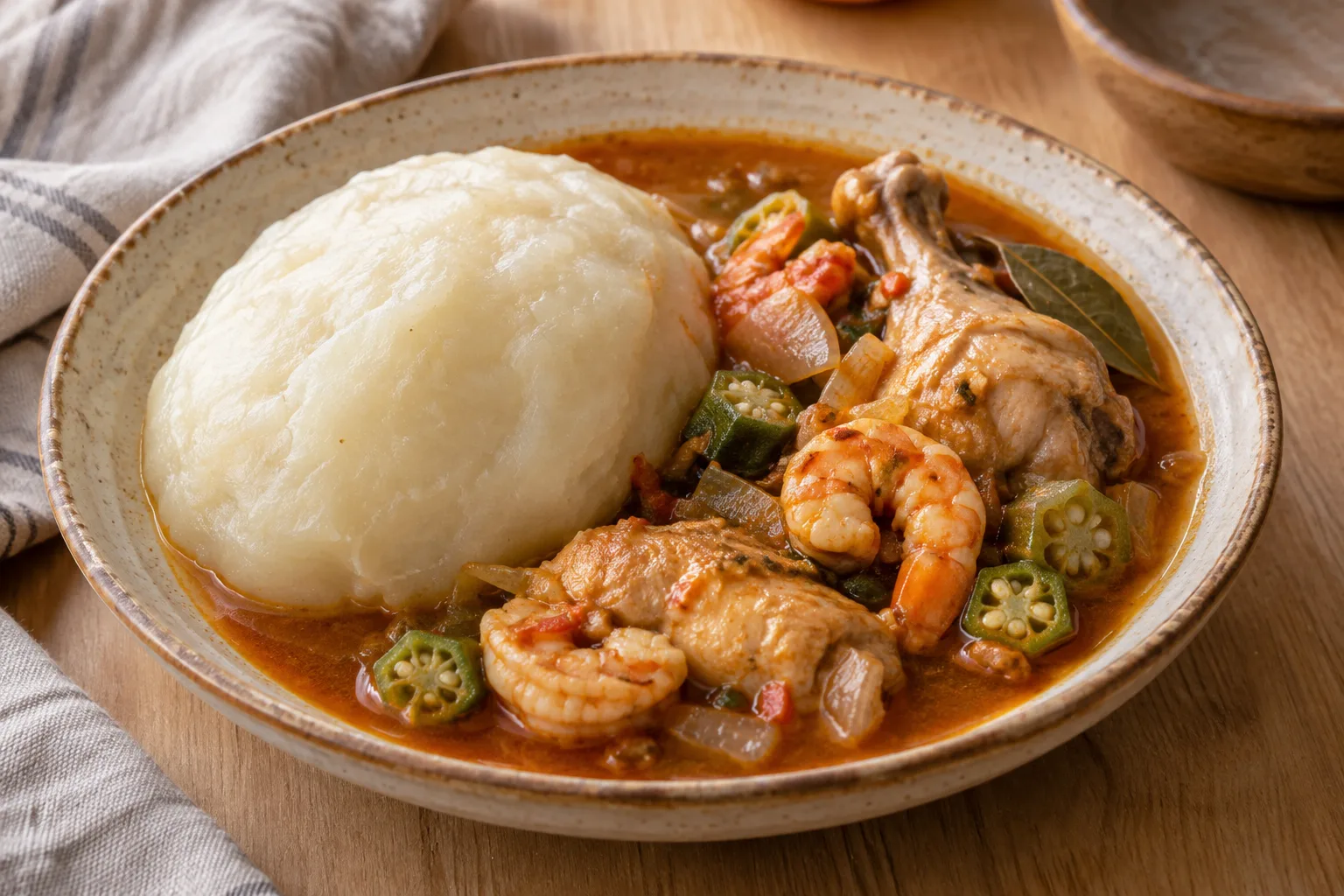
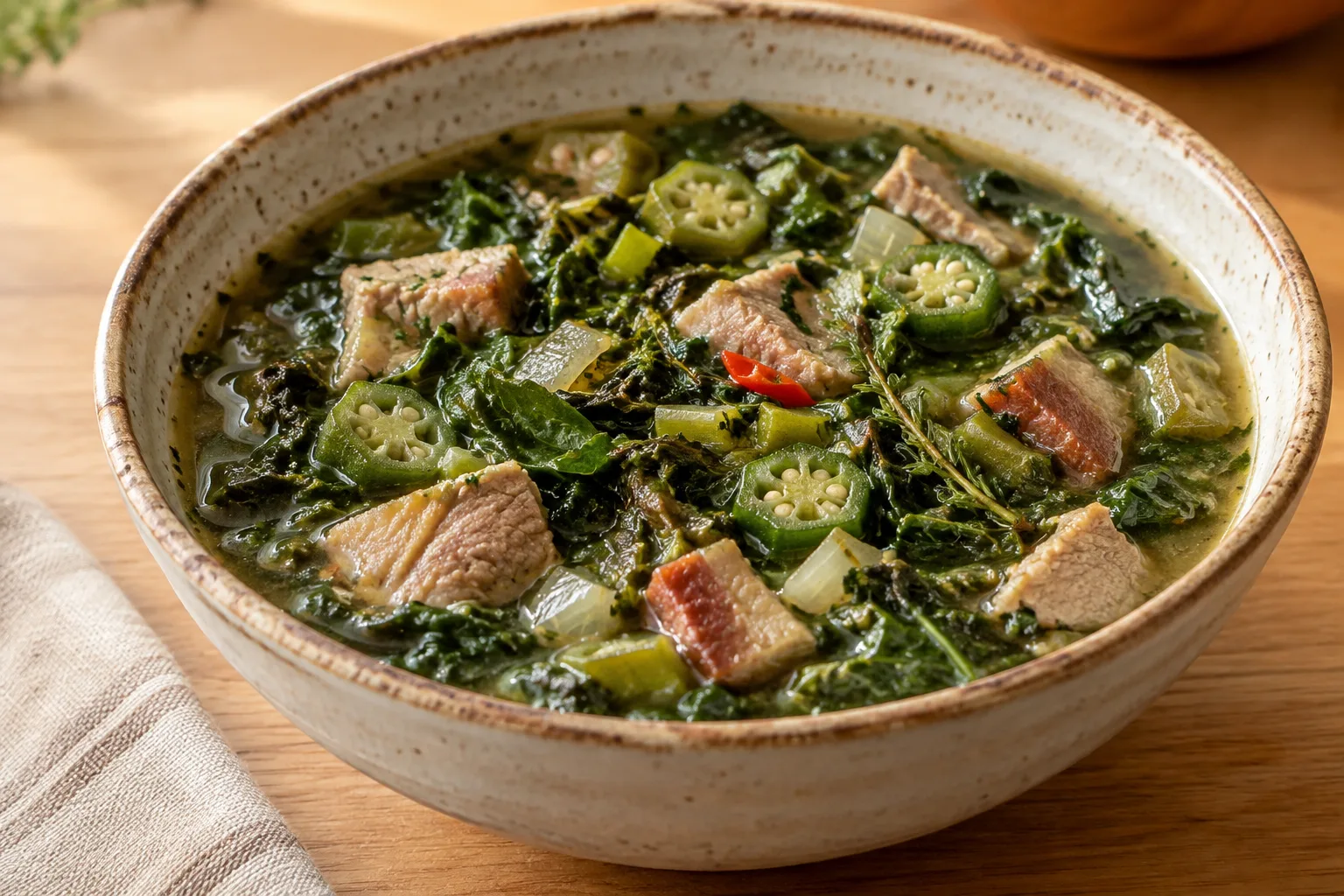
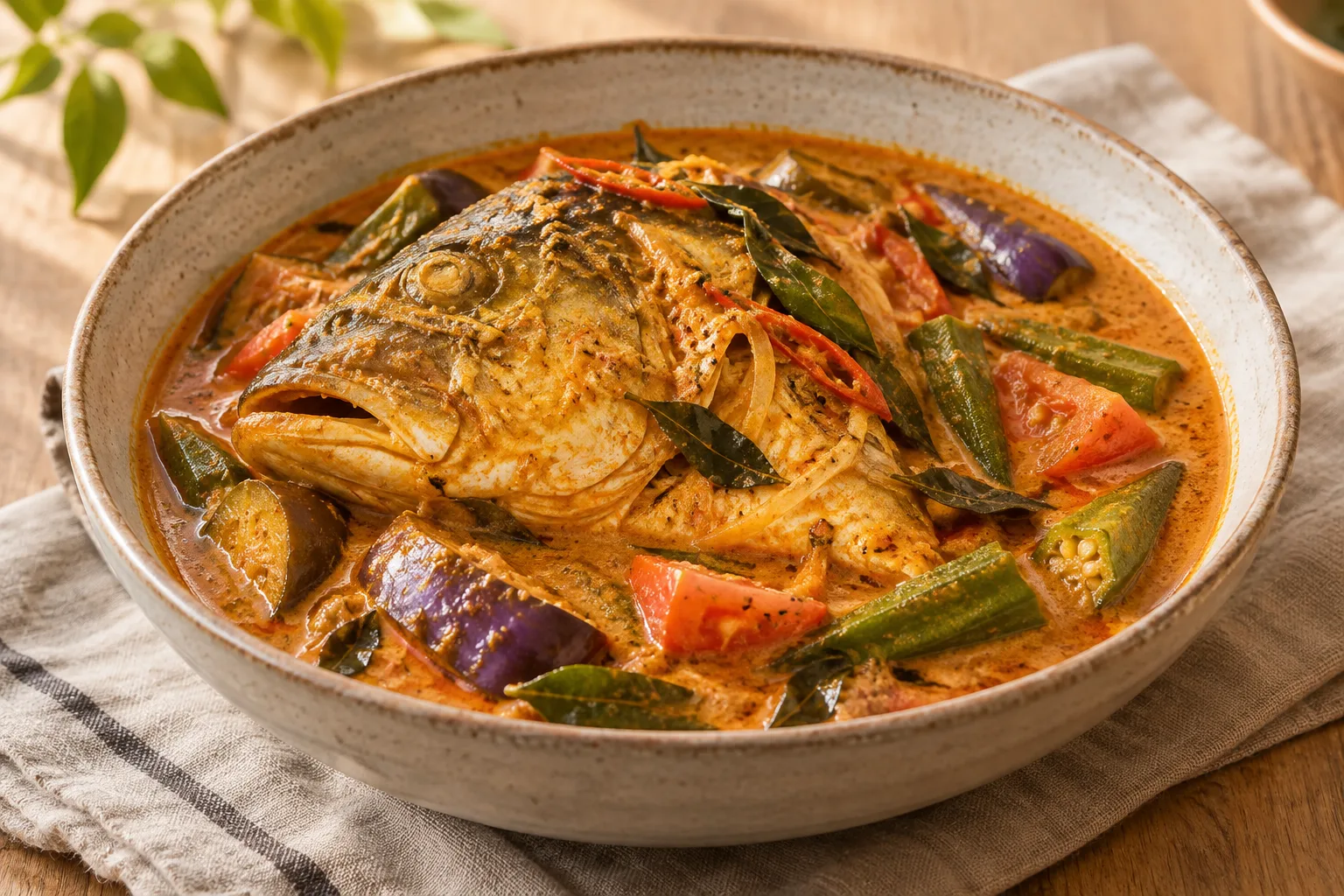
Use okra when you want to add a vegetable to soups, stews, stir-fries or roasted vegetable dishes. Whole pods or pods split lengthwise are well suited to roasting or grilling; sliced okra can go into dishes with tomatoes, onions and peppers. Its interior can thicken cooking liquids, making it useful when you want more body in a broth or stew. If you prefer a less noticeable mucilaginous texture, try a quick cook over high heat and avoid excessive stirring. Choose tender pods for recipes where you want to serve them whole.
How to use it
Rinse the pods carefully under cold water and dry them well. Trim the stem end without cutting too far into the pod if you want to limit the release of mucilage; you can also leave the pods whole. To roast or grill, coat them lightly with oil, season, and cook until browned and tender. To sauté, cut them into pieces and cook with onion, garlic, tomatoes or spices. Add okra to soups and stews when you want it to give the liquid more body. It can also be boiled, baked or fried. A quick cook helps preserve its flavor and keeps it from becoming overly soft. Peeling is unnecessary.
Flavour and texture
Okra has a mild, vegetal flavor, sometimes compared with eggplant, although its texture is different. The skin may feel slightly fuzzy before cooking. When cut, the seeds are surrounded by mucilage that becomes more noticeable as the okra cooks and can make a dish thick or slippery. Roasting, grilling or sautéing over high heat can brown the outside while leaving the pod somewhat firm; in longer-cooked stews, okra softens and thickens the liquid.
How to choose it
Look for small or medium pods that are bright green, firm and tender-looking. Avoid pods that are limp, dried out, moldy or marked with brown streaks or spots. Larger, overmature pods may be tougher and more fibrous, so young pods are a good choice when you plan to cook them whole. Handle them gently and choose specimens with an even appearance and no visible signs of spoilage.
Storage
Fresh okra is perishable, so refrigerate it and aim to use it within two to three days. Keep the pods as dry as possible: place them in a paper bag, or wrap them in a paper towel and put them inside a perforated plastic bag. Moisture can make the surface slimy. Do not wash the pods until you are ready to prepare them; rinse carefully and dry before cooking. For longer storage, okra can be frozen in an airtight container or bag.
Substitutions
Frozen okra can replace fresh okra in soups, stews and other cooked dishes; it may release moisture as it thaws, so drain it if needed. Canned okra can also be used in soups and stews, though it is usually softer. These options replace the ingredient but may not reproduce the firmness of fresh pods served roasted or grilled.
Common mistakes
Do not choose limp, dried, moldy or brown-streaked pods; these are signs of poor quality. Avoid storing okra while wet or keeping it too long, since fresh pods spoil quickly. If you want to limit mucilage, avoid slicing the pods very thin before cooking and do not overcook them; high heat and a short cooking time can help keep the texture less pasty. Do not cook okra in copper, iron or brass cookware, as the pods may discolor.
Safety and allergens
Rinse okra under cold water before cooking and refrigerate fresh pods; aim to use them within two to three days. Discard pods that are moldy, spoiled or suspiciously discolored. For home canning, use only a tested process appropriate for the food; do not improvise processing times or methods.
Culinary uses
- Vegetable for soups, stews and stir-fries
- Thickener for broths and stews through its naturally mucilaginous cut surfaces
Recommended techniques
- Roast or grill whole pods, or cut them lengthwise
- Sauté, boil, bake or add to soups and stews
Pairs well with
- Tomatoes, onions and peppers
- Garlic, coriander, cumin, ginger and turmeric
Frequently asked questions
Does okra need to be peeled?
No. It is generally rinsed and cooked with the skin on. Trim the stem end if your preparation calls for it.
How can I make okra less slippery?
Try cooking the pods whole or in large pieces over high heat for a short time. Tomatoes or vinegar are also used in okra dishes.
How long does fresh okra keep in the refrigerator?
It is perishable. Keep it dry and refrigerated, and aim to use it within two to three days.
Estimated nutrition
- Fat
- 0 g
- Saturates
- 0 g
- Carbohydrate
- 8 g
- Sugars
- 0 g
- Fibre
- 1 g
- Protein
- 3 g
- Salt
- 0.01 g
Sources and review
Automatically researched, cross-checked and validated content. Sources consulted:
- Client Challenge doi.org
- Okra en la alimentación – Botanical-online botanical-online.com
- Okra | UNL Food | Nebraska food.unl.edu
- Okra Storage and Preparation Tips uaex.uada.edu
- HappyHealthy Newsletter: Okra | Mississippi State University Extension Service extension.msstate.edu
- Preserve Smart apps.chhs.colostate.edu
- Okra - National Center for Home Food Preservation nchfp.uga.edu
- ¿Qué es el okra? El curioso fruto africano que llega a la cocina de MasterChef rtve.es
- Okra: qué es, beneficios y cómo usarla bonviveur.com
- La ocra – Blog de Cocinista blogcocinista.wordpress.com
- Okra o Quimbombó: Beneficios, Propiedades y Recetas para Disfrutarla | Hurom hurom.es
- La ocra, famosa en el mundo y desconocida en España, apuntes. cocinayaficiones.com