- Category
- Oils and fats
- State
- Liquid
- Usual unit
- tablespoon
What it is
Olive oil for shrimp is oil made from olives and used as a cooking fat or seasoning. The name alone does not specify whether it is extra virgin, which olive variety it contains, or how pronounced its flavor will be. Profiles range from mild and fruity to more herbal, bitter or peppery. The oil can therefore serve two purposes: helping cook the shrimp and adding aroma when used at the end. A recipe may list the amount in tablespoons, but the quantity should suit the dish and the amount of shrimp being prepared.
When to use it
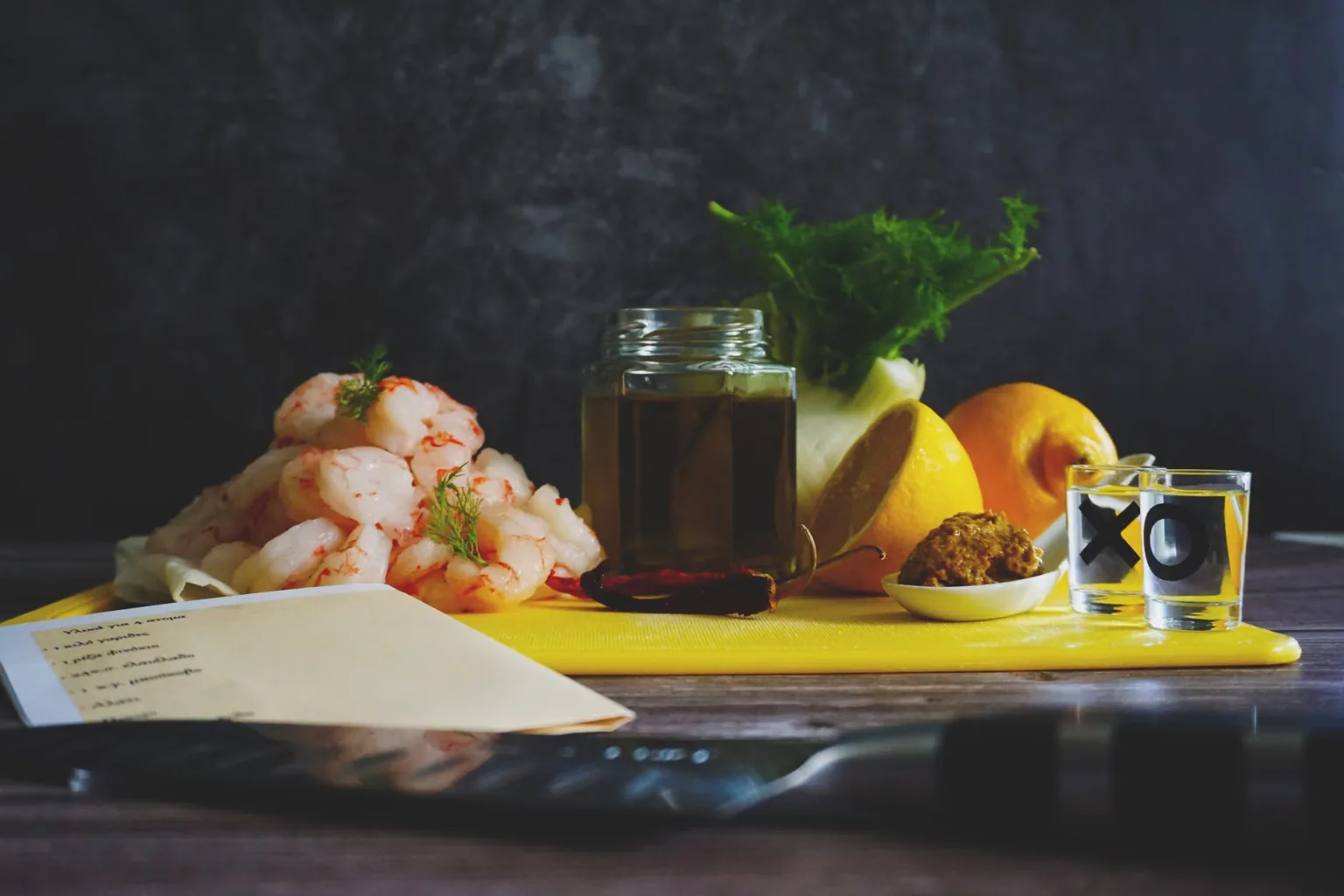
Use it when you want a liquid fat for cooking shrimp, or when you want to add an olive-oil aroma as a finishing touch. A mild, fruity profile can complement delicate seafood without overpowering it; a more intense oil brings stronger notes. You can also pair it with lemon or fresh herbs for a simple dressing. The ingredient name does not identify a specific olive variety, so choose according to the flavor character you want in the finished dish.
How to use it
Add the oil to the pan to cook the shrimp, or use a small amount as a finishing touch after cooking. If you want the seafood flavor to remain prominent, choose a milder, fruitier oil. For a more pronounced flavor, select a variety with herbal, bitter or peppery notes. You can also combine olive oil with a little lemon and fresh herbs to accompany cooked shrimp. Adjust the amount to the size of the dish, and do not assume that every olive oil has the same aroma or intensity.
Flavour and texture
Olive oil is a fluid fat that coats ingredients and contributes flavor. Its profile depends on the variety: it may be mild and fruity or more intense, with herbal, bitter or peppery notes. A delicate variety can let the shrimp's flavor stand out, while a stronger one gives the dish a more noticeable contrast.
How to choose it
Decide whether you want a subtle or more pronounced flavor, then look for a description of the oil's profile on the label. Variety can change its aroma and taste; the generic name “olive oil” does not by itself reveal the variety or intensity. Check the product information to identify the specific type you are buying.
Storage
The available information does not establish a specific shelf life or storage conditions for this product. Check the package and follow the manufacturer's directions for the oil you have bought. Olive oil is liquid; do not assume that every product sold under this name has the same packaging or storage instructions.
Substitutions
For a milder flavor, choose a delicate, fruity olive oil such as Arbequina. If you want more intense, herbal notes, a variety such as Arbosana can give the dish a different character. These options change the flavor; they are not exact equivalents to one another.
Common mistakes
Do not assume all olive oils taste alike: variety can produce mild or intense profiles, with fruity, herbal, bitter or peppery notes. The name “olive oil for shrimp” also does not, on its own, identify a particular variety or grade.
Safety and allergens
Check the label and directions for the product you use. If you have a food allergy, check the information for the specific oil and for the other ingredients in the dish.
Culinary uses
- Cooking fat for shrimp and other seafood
- Flavoring and finishing oil
Recommended techniques
- Sautéing or pan-cooking
- Drizzling over cooked seafood
Pairs well with
- Shrimp and other seafood
- Lemon and fresh herbs
Frequently asked questions
Which olive oil goes well with shrimp?
A mild, fruity oil complements delicate shrimp, while a more intense oil contributes stronger notes.
Can I add olive oil after cooking shrimp?
Yes. It can be used as a finishing touch to add aroma and flavor.
Do all olive oils taste the same?
No. Flavor varies by variety, from mild and fruity to more intense, herbal, bitter or peppery.
Ingredient allergens
Allergen listThere are no verified associations for these ingredients yet.
Sources and review
Automatically researched, cross-checked and validated content. Sources consulted:
- Efectos territoriales de las denominaciones de origen protegidas de aceite de oliva en España | Archivo Digital UPM doi.org/10.20868/upm.thesis.40612
- Mayonesa - Wikipedia, la enciclopedia libre es.wikipedia.org/wiki/Mayonesa
- Agencia Española de Seguridad Alimentaria y Nutrición www.aesan.gob.es/
- 5 usos del aceite de oliva virgen extra en la cocina española orgazmadrid.com/usos-del-aceite-de-oliva-virgen-extra-en-la-cocina-espanola/
- Caracterización nutricional y aromática de flores comestibles de liliáceas | OpenAlex openalex.org/W4323043912
- Food allergen labelling and information requirements technical guidance - GOV.UK www.gov.uk/government/publications/food-allergen-labelling-and-information-requirements-tech…
- Food Safety - Food Safety - European Commission food.ec.europa.eu/index_en
- Estándar nacional recomendado GB/T23347-2021 para ... www.sanidad.gob.es/areas/sanidadExterior/exportacion/operadores/paisesTerceros/docs/China_GB…
- Todo lo que debes saber sobre el aceite de oliva virgen extra www.aceitesdeolivadeespana.com/aceite-de-oliva-virgen-extra/
- 12 técnicas de cocina con aceite de oliva virgen extra | Treurer - Aceite de oliva virgen de Mallorca treurer.com/tecnicas-de-cocina-con-aceite-de-oliva/?srsltid=AYCX9vIkLYm0YHFivH328sZpVRqoSF0T…
- AOVE: Ingrediente único para elaborar alimentos en conserva | La Comunal lacomunal.es/aove-elaboracion-alimentos-en-conserva/
- El mejor aceite de oliva para cada plato (guía por variedad) almazaraartal.com/como-elegir-el-mejor-aceite-de-oliva-para-cada-plato/
- Maridajes ideales con aceite de oliva virgen extra rontonar.com/blog/maridajes-perfectos-con-aceite-de-oliva-virgen-extra?srsltid=AYCX9vKuumi8-…