- Category
- Meat
- State
- Fresh
- Usual unit
- g
What it is
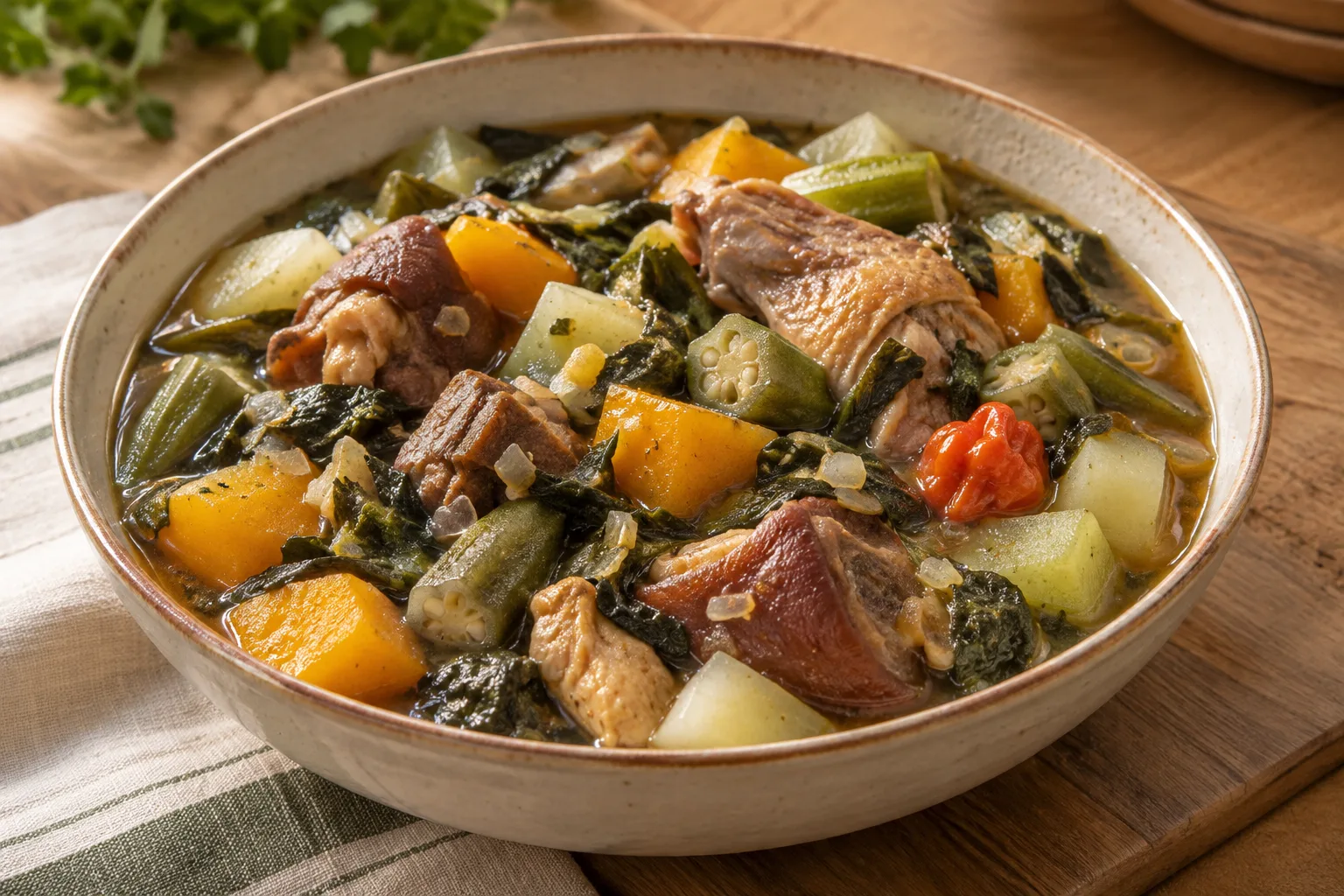
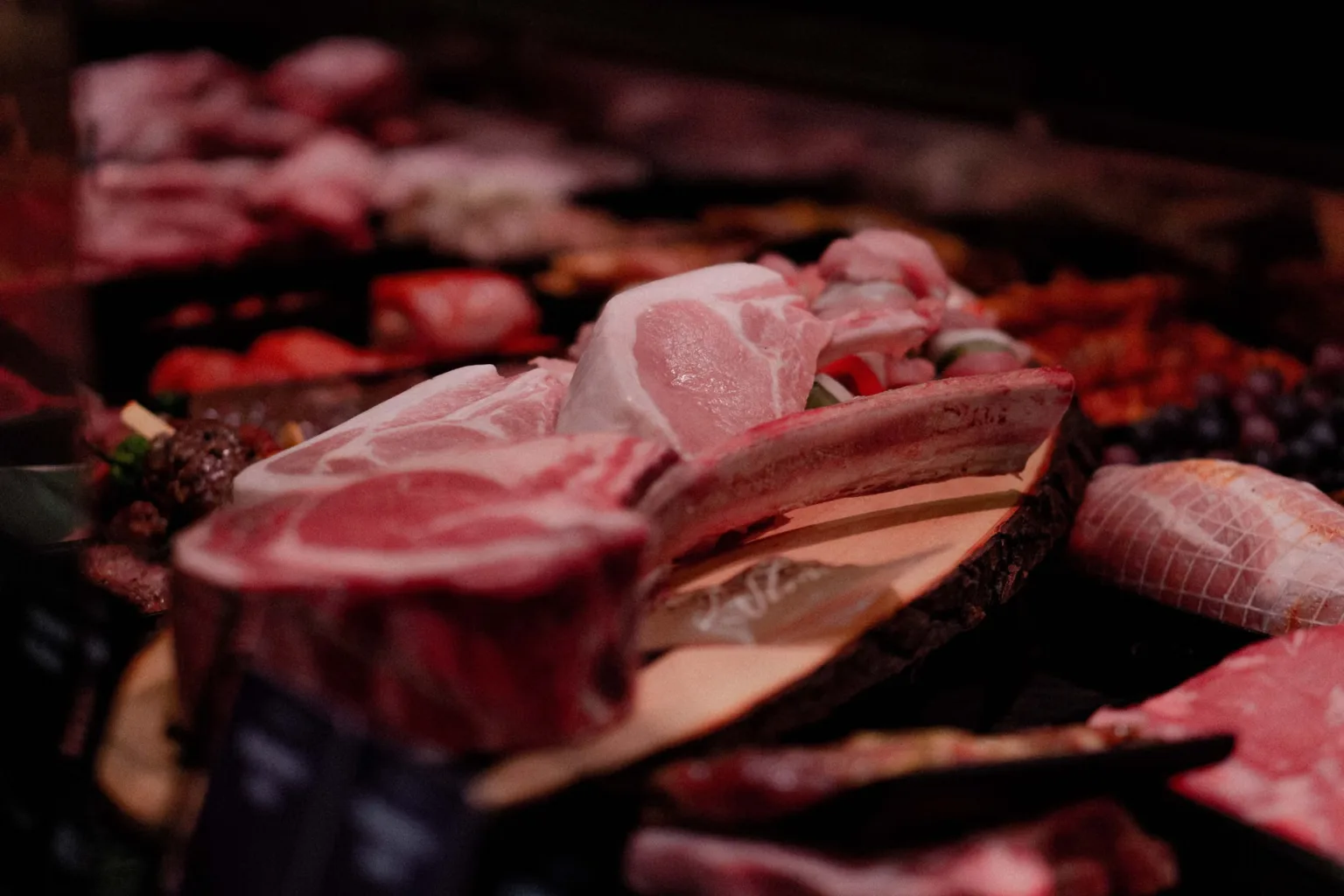
Pork pigtail is the tail of the pig, a bone-in cut that can include gelatinous-textured tissue. Here, the name refers to the salted version. It is commonly cooked in moist preparations, where it contributes flavor and body to broth; it can also be used in stews, legumes and main dishes. The amount of meat and bone can vary from piece to piece, so plan portions around the product you have. The available evidence does not specify a particular salting process or instructions for a specific packaged product, so check the label and follow its preparation directions.
When to use it
Use it when you want to add flavor and a fuller texture to broth or stew, or as part of a dish with beans or lentils. It can also be cooked as a featured ingredient and served with vegetables or rice. This is a bone-in cut with a considerable proportion of bone, so it may contribute more to the cooking liquid than to easily shredded meat. Since it is sold as salted, season cautiously and taste the broth before adding more salt.
How to use it
Check the package before cooking and follow its directions, since salted products can differ in treatment and preparation instructions. For broth or stew, cook the tail with the other ingredients until the dish reaches the texture you want; slow cooking in broths and stews is a common use for this cut. You can also add it to beans or lentils to give the dish more flavor. For a crisp exterior, one described approach for pork tail is to cook it first and fry it afterward; use this technique only if the product and its label are suitable for it. Taste before salting the dish, and serve with care around the bone.
Flavour and texture
Pork tail adds a pronounced savory flavor to cooking liquid and can develop a gelatinous texture when cooked in broth or stew. The amount of meat may be limited compared with the bone. Because this version is salted, its saltiness can affect the finished dish; the available evidence does not establish how salty a particular product will be, so taste before seasoning.
How to choose it
Choose a product clearly identified as salted pork tail or pigtail, and check the label for its condition, preparation directions and storage instructions. Consider how much meat there is relative to the bone, and choose a piece for its intended use: a tail bought to flavor broth may not yield the same portions as one intended to be served at the table. If the package does not explain how to prepare it, ask the seller or choose a product with clear directions.
Storage
The available information does not establish how long each type of salted pigtail keeps or the correct storage method for every product. Follow the package conditions and dates. If it is raw, keep it separate from ready-to-eat foods, and refrigerate or freeze it only as directed by the manufacturer. After opening, use the label’s storage instructions; do not infer shelf life simply because the product is salted.
Substitutions
Pork feet or ears can work in some slow-cooked stews when a gelatinous texture is wanted. They are not identical to tail and may change the amount of meat, bone and texture in the dish. Since the pigtail described here is salted, an unsalted substitute may require different seasoning; taste before adding salt and follow the alternative product’s directions.
Common mistakes
A common mistake is salting the broth at the start without tasting it: this ingredient is sold salted and can affect the dish’s seasoning. It is also easy to estimate portions as though the cut contained lots of meat, even though a tail can include substantial bone. Check the package, plan yield realistically and take care around the bone when serving.
Safety and allergens
If sold raw, handle it as raw meat, keep it separate from ready-to-eat foods and cook it thoroughly. Follow the package directions and take care with bones when serving.
Culinary uses
- A pork cut used to add flavor and body to soups, broths, and stews
- A cooked meat-and-bone ingredient for serving as part of a main dish
Recommended techniques
- Slow simmering in broth or a stew
- Cooking before frying for a crisp exterior
Pairs well with
- Beans or lentils
- Vegetables and plain rice
Frequently asked questions
What is pork pigtail?
It is the pig’s tail. The product described here is salted and is commonly used in broths, stews and dishes with legumes.
Can I cook it with beans or lentils?
Yes. Pork tail is used in dishes with legumes to add flavor and texture. Taste the dish before adding salt.
What can I use instead?
Pork feet or ears can replace it in some slow-cooked dishes when a gelatinous texture is desired, though the result will not be identical.
Ingredient allergens
Allergen listThere are no verified associations for these ingredients yet.
Sources and review
Automatically researched, cross-checked and validated content. Sources consulted:
- ¿Por qué la muerte es origen de miedos y tabúes? doi.org/10.64628/aao.fccyk3qj3
- Cortezas o chicharricos de cerdo: tradición crujiente con sabor a oportunidad - BR Spanish Gourmet www.brspanishgourmet.com/es/blog/354-cortezas-o-chicharricos-de-cerdo-tradicion-crujiente-co…
- Pulled Pork, un ingrediente comodín naturalxef.com/pulled-pork-quinta-gama/
- How Food Shapes Our Culture | Annukhemera-t El | Servicio de Extensión de OSU extension.oregonstate.edu/es/video/how-food-shapes-our-culture-annukhemera-t-el
- Pig-tailed macaque – Wisconsin National Primate Research Center – UW–Madison primate.wisc.edu/primate-info-net/pin-factsheets/pin-factsheet-pig-tailed-macaque/
- The Art and Science of Peinados: Beyond Beauty into Identity www.news.climate.columbia.edu/hairstyling-culture
- Recursos - Upper Midwest Agricultural Safety and Health Center umash.umn.edu/spanish-resources/
- de pimienta negra molida Archives | Dinner Tonight dinnertonight.tamu.edu/ingredient/de-pimienta-negra-molida/
- La sorprendente cola de cerdo: versátil y rica | Recetas Nestlé www.recetasnestle.com.co/blog-del-sabor/ingredientes/cola-cerdo
- - YouTube www.youtube.com/watch?v=owRH2YKm3q0
- Morcilla - Wikipedia, la enciclopedia libre es.wikipedia.org/wiki/Morcilla
- ¿Cuáles son las Partes del Cerdo que se comen? www.gastronomicspain.com/blog/es/partes-del-cerdo-que-se-comen/?srsltid=AYCX9vLCWfq2pHY3n8CF…
- Recetas tradicionales con sabor colombiano | OpenAlex openalex.org/W3094401594