- Category
- Fruit
- State
- Preserved
- Usual unit
- tablespoon
What it is
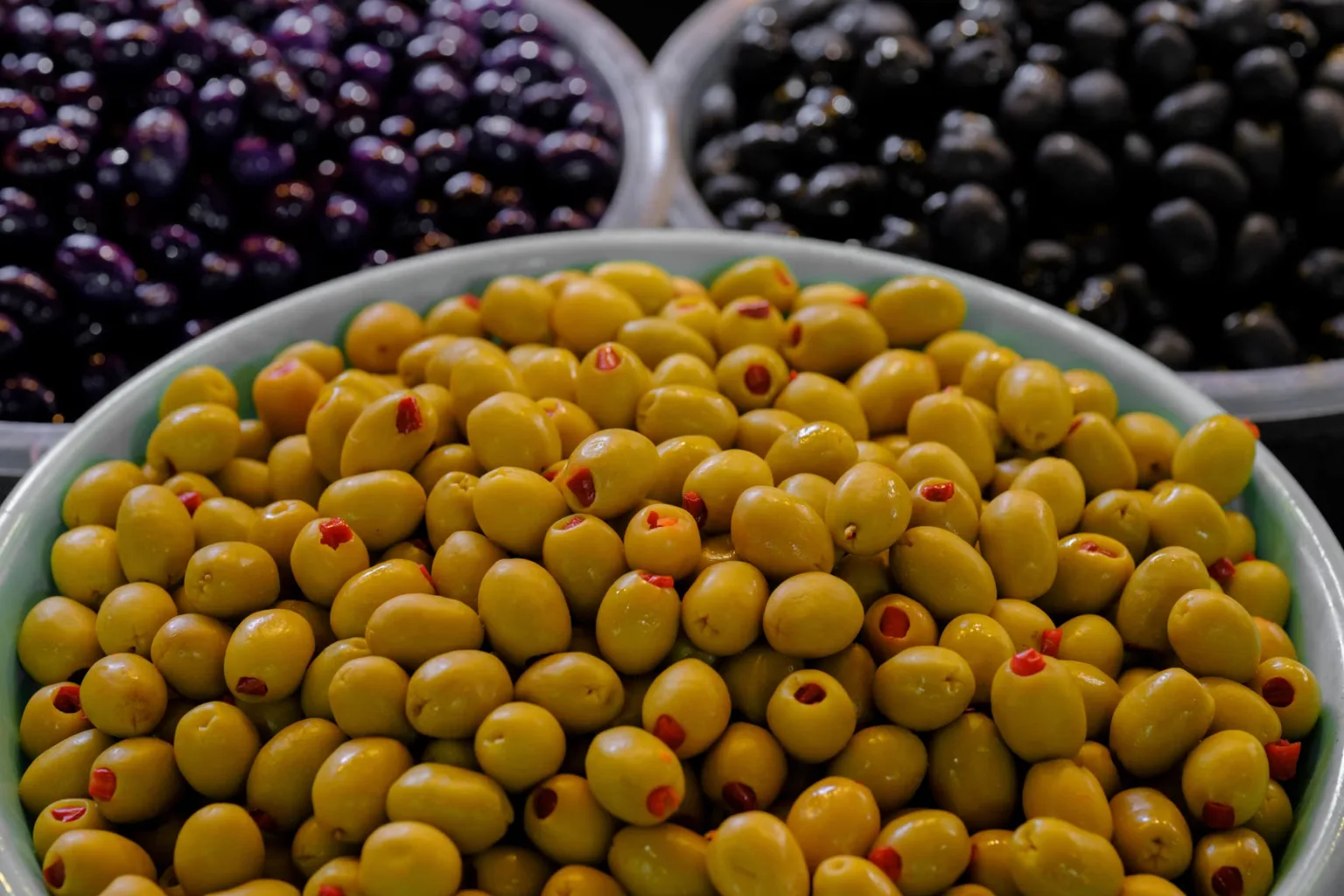
These are green table olives with the pit removed, a convenient format for serving whole or adding directly to a recipe. Packaged olives may be preserved in brine made with water and salt, or sold with other ingredients and seasonings, so saltiness, acidity and flavor can vary by brand. “Pitted” describes the format, but does not guarantee that every olive is completely free of pit fragments: some processed products warn that fragments may remain. Check the package and ingredient list, especially if you want a simple ingredient profile or need to avoid a particular ingredient. Their convenience makes them easy to slice, chop or blend for different savory uses.
When to use it
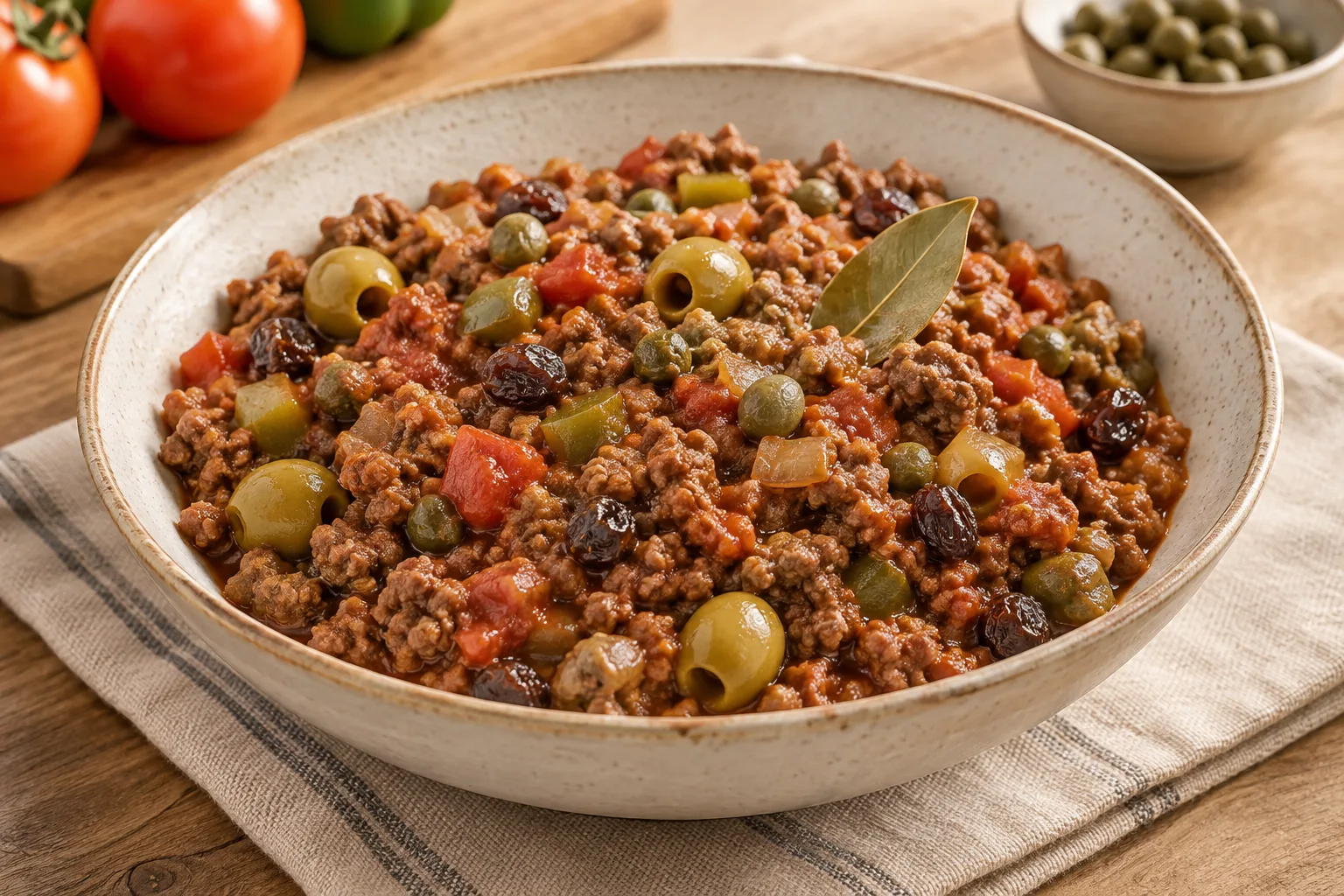
Choose them when you want the salty, green flavor of olives without removing pits at the table. They work as a snack or appetizer and are easy to distribute through salads, pizza and other savory dishes. They can also add a concentrated olive note to sauces and stews; because seasoning varies by brand and marinade, taste the dish before adding more salt. The pitted format is particularly handy when you plan to chop or slice olives and mix them evenly through several portions.
How to use it
Drain the olives before adding them if the recipe does not call for the packing liquid, and taste one to judge its saltiness. Serve them whole as a snack, slice them for salads or pizza, or chop them into sauces and stews. For an olive spread, mash or blend them and combine them with the other ingredients specified in your recipe. They also work on toasted baguette with tomato and goat cheese. Start with a modest amount: the brine or seasoning may contribute salt and acidity, so taste and adjust the rest of the seasoning at the end.
Flavour and texture
Their flavor is typically salty, green and slightly bitter, while marinades can add acidity or aromatic notes. Texture depends on variety and processing and may be firm and crisp or more tender; the color can range from green to yellow-green.
How to choose it
Check that the package identifies the olives as pitted, then read its ingredient and allergen information. Brine, acidulants, flavor enhancers and seasonings vary between products. If you need to avoid traces of an allergen, check the specific label rather than relying on the product name.
Storage
Follow the package directions, which depend on the product and its packaging. After opening, reseal it and store it as directed; some sliced-olive products advise refrigeration after opening. Do not assume that one storage period applies to every brand or format.
Substitutions
Pitted black olives can replace them if a change in color and flavor suits the dish. If pitted olives are unavailable, use whole green olives and remove the pits before serving. Sliced or chopped green olives are also suitable when the recipe can accommodate a different cut.
Common mistakes
Avoid adding your usual amount of salt without tasting first: brine and seasoning can already season the dish. Also, do not assume every pitted olive is entirely free of pit fragments; some packages warn that fragments may be present.
Safety and allergens
Check the label for ingredients, possible traces and storage directions after opening. Some processed olive products warn that pit fragments may remain; inspect the olives and chew carefully, particularly when serving someone who may have difficulty noticing them.
Culinary uses
- aperitivo o tapa
- ingrediente para ensaladas
- ingrediente para pizzas y guisos
- base para salsas y pastas de aceituna
Recommended techniques
- escurrir antes de incorporar
- cortar en rodajas o picar
- triturar o machacar para preparar una pasta
Pairs well with
- quesos frescos, semicurados o curados
- embutidos curados
- pan, tomate y queso de cabra
Frequently asked questions
Should I drain pitted green olives before using them?
Drain them if you do not need the packing liquid. Taste one before seasoning the dish, since saltiness and acidity depend on the product.
Can I cook with them, or are they only for snacks?
They can be sliced or chopped into salads, pizza, sauces and stews, or mashed to make an olive spread.
Can pitted olives still contain pit fragments?
Some processed products warn that fragments may remain. Check the label and inspect the olives before serving.
Ingredient allergens
Allergen listThere are no verified associations for these ingredients yet.
Sources and review
Automatically researched, cross-checked and validated content. Sources consulted:
- Client Challenge doi.org/10.2307/jj.27939689.16
- COMPARACIÓN DE TRATAMIENTO ALCALINO EN PRODUCCIÓN DE ACEITUNAS VERDES FERMENTADAS VARIEDADES MANZANILLA Y SEVILLANA | Ciencia & Desarrollo doi.org/10.33326/26176033.2017.21.738
- Evolución del léxico culinario desde 1932 a 1972 | OpenAlex openalex.org/W2291578502
- Quédate en casa y cocina: #LeCordonBleuAtHome (Baguette con tapenade, tomate y queso de cabra) www.cordonbleu.edu/madrid/quedate-en-casa-y-cocina-lecordonbleuathome-baguette-tapenade-toma…
- Aceitunas verdes deshuesadas en salmuera: precio y venta online www.spaghettiemandolino.it/es/p4753-olive-verdi-denocciolate-in-salamoia-500g
- Tipos de aceitunas de mesa: variedades, formatos y diferencias - Hutesa hutesa.com/aceitunas-de-mesa-variedades-formatos-diferencias/
- **Aceituna Verde: Comparativa de Quesos y Embutidos que Mejor Maridan** laovejaquebala.es/aceituna-verde/
- Aceitunas Verdes Laminadas - Aceitunas Bravo S.L. www.aceitunasbravo.com/aceitunas-laminadas/
- verdes deshuesadas www.sanmer.com/es/acitunas-verdes/aceitunas-verdes-deshuesadas
- Aceitunas Verdes Deshuesadas Marinadas - Borges Professional borgesprofessional.com/producto/aceitunas-verdes-deshuesadas-marinadas-41kg/