- Category
- Oils and fats
- State
- Fresh
- Usual unit
- g
What it is
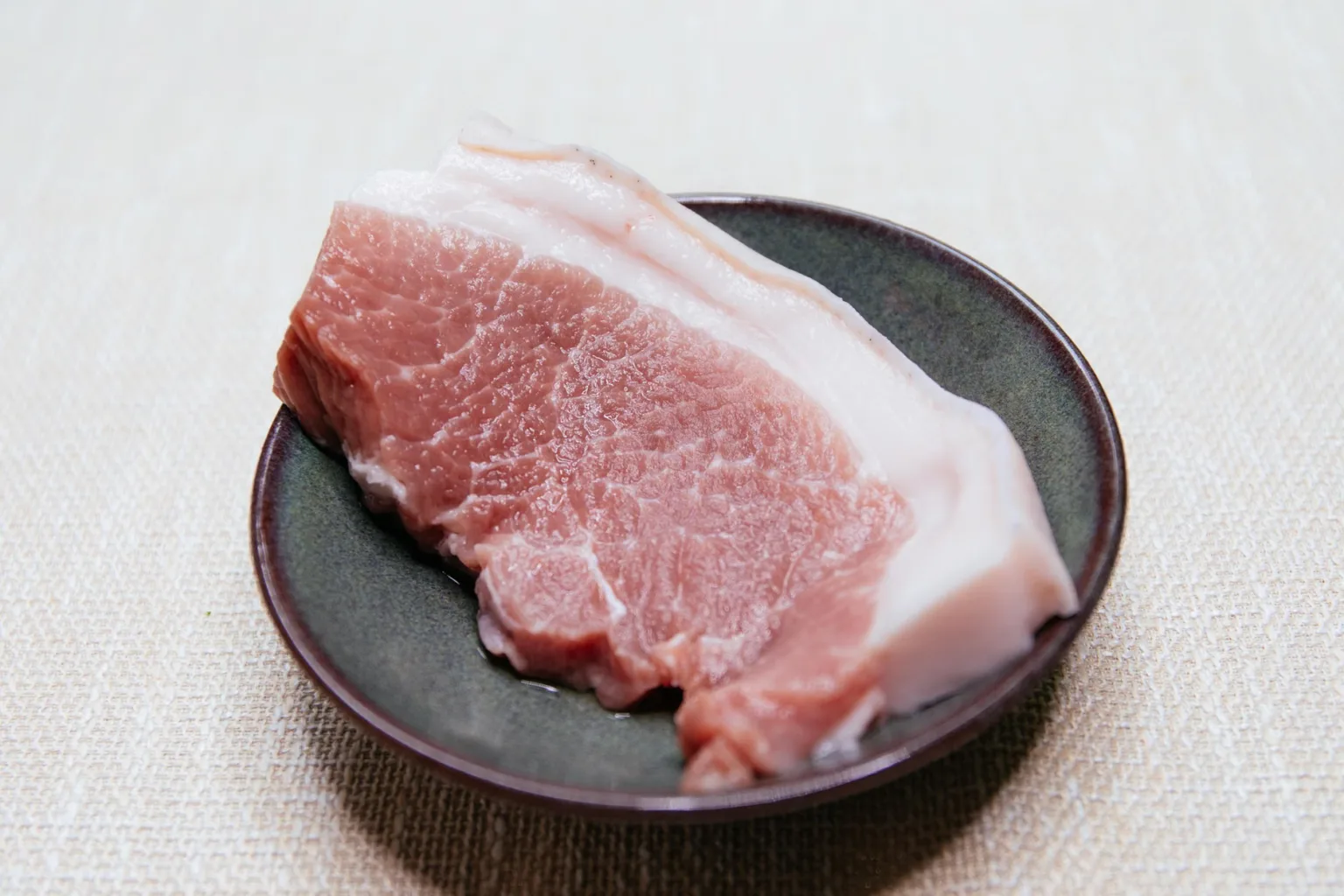
Pork fat is fat from a pig used as a culinary ingredient. The term can refer to fat that has already been rendered and prepared for cooking, although products may also be sold solid or unrendered. It is often solid at room temperature and pale in color, but appearance varies with the product and how it was made. In cooking, it serves as a cooking fat and can be included in some doughs. It is not the same as pork meat: it contributes fat and texture rather than a portion of meat. Check the product label to identify what you are buying and whether it is ready to use or needs preparation.
When to use it
Use it when a recipe calls for pork fat or when you want an animal fat for pan-cooking, frying, or enriching dough. It can also be added to savory preparations for richness. Its flavor and texture may affect the finished dish, so choose it when those qualities suit the recipe. When replacing another fat, consider whether the recipe relies on a solid fat or one that melts during cooking; do not assume all fats produce the same texture.
How to use it
If the pork fat is solid, measure what you need and melt it carefully before adding it to a preparation that calls for liquid fat. You can also add it directly when a dough recipe calls for a solid fat. For pan-cooking, let it melt and coat the surface before adding the ingredients. In dough, incorporate it as directed by the recipe and distribute it evenly. The amount and timing depend on the dish: follow the recipe, and do not assume that any oil or fat can be exchanged in the same proportion.
Flavour and texture
Its flavor may be mild or more distinctive depending on the product and how it was made; rendered fat is often less pronounced than unrendered fat. At room temperature it may be firm, soft, or creamy, and it becomes liquid when heated. In dough, it contributes richness and a texture different from that produced by liquid oils. Appearance, aroma, and consistency are not identical across all varieties.
How to choose it
Choose a product clearly labeled as pork fat or lard, and check the label for its composition and suggested use. The color may be white or slightly yellow, so shade alone does not determine culinary use. If you want a milder flavor, check whether the product is rendered or refined; less processed varieties may have a more pronounced character. Buy an amount suited to your recipes and check that the package is intact.
Storage
Store pork fat according to the package directions and the manufacturer's instructions, since formats and processing can differ. Keep the container closed and avoid introducing dirty utensils or food residues. There is no single storage duration that applies to every product; check the date and specific package directions. If the product shows unusual signs or the package is damaged, do not rely on a general rule to decide whether to use it.
Substitutions
Butter can replace pork fat in some preparations, but it changes flavor and texture. A vegetable fat may work in certain recipes, although liquid oils do not behave like a solid fat. Choose a substitute based on the role pork fat plays—frying, structuring dough, or adding flavor—and adjust the recipe cautiously.
Common mistakes
Do not confuse pork fat with pork meat or assume that every variety has the same flavor and consistency. Avoid automatically replacing it with the same volume of liquid oil in dough, because its physical state can affect texture. Do not assume every product tastes neutral: check the product and consider how it will work with the other ingredients.
Safety and allergens
Follow the package instructions for storage and use. Keep the product protected from contamination, and do not use a damaged package or a product with an unusual appearance or smell.
Culinary uses
- Cooking fat for frying and sautéing
- Fat for enriching savory dishes and doughs
Recommended techniques
- Render gently to melt and separate the fat
- Use melted or softened in cooking and pastry
Pairs well with
- Vegetables and aromatics cooked in a pan
- Flour-based doughs and savory fillings
Frequently asked questions
Is pork fat solid or liquid?
It is often solid or creamy at room temperature and melts when heated, though the format depends on the product.
How is pork fat used in cooking?
It is used as a fat for frying and cooking, and it can also be added to doughs and savory preparations.
Can I replace pork fat with butter?
Sometimes, but the flavor and texture may change. The result depends on the role the fat plays in the preparation.
Ingredient allergens
Allergen listThere are no verified associations for these ingredients yet.
Estimated nutrition
- Fat
- 19.3 g
- Saturates
- 7.31 g
- Carbohydrate
- 2.6 g
- Sugars
- 0 g
- Fibre
- 0 g
- Protein
- 11.5 g
- Salt
- 2.78 g
Sources and review
Automatically researched, cross-checked and validated content. Sources consulted:
- ¿Por qué la muerte es origen de miedos y tabúes? doi.org/10.64628/aao.fccyk3qj3
- The Essential Glossary of Cooking Terms for the Culinary Arts - Escoffier www.escoffier.edu/blog/culinary-arts/the-essential-glossary-of-cooking-terms-for-the-culinar…
- Eating Spain: National Cuisine Since 1900 - UKnowledge uknowledge.uky.edu/context/hisp_etds/article/1031/viewcontent/Eating_Spain_National_Cuisine_…
- Edition Parent Communications Unit 4: Fats in Foods hsph.harvard.edu/wp-content/uploads/2024/10/Parent-Comm-U4.pdf
- Manteca de Cerdo: Origen y Características en Cocina Cubana | Receta Cubana recetacubana.app/glosario/manteca-de-cerdo
- ¿Qué es la manteca de cerdo y por qué vuelve a ser tendencia? chocolatestorras.com/que-es-manteca-cerdo/
- Manteca de cerdo - Wikipedia, la enciclopedia libre es.wikipedia.org/wiki/Manteca_de_cerdo
- El Renacer de la Manteca de Cerdo: Tradición y Versatilidad en la Cocina - Mantecas Ponsmart mantecasponsmart.es/el-renacer-de-la-manteca-de-cerdo-tradicion-y-versatilidad-en-la-cocina/