- Category
- Meat
- State
- Fresh
- Usual unit
- unit
What it is
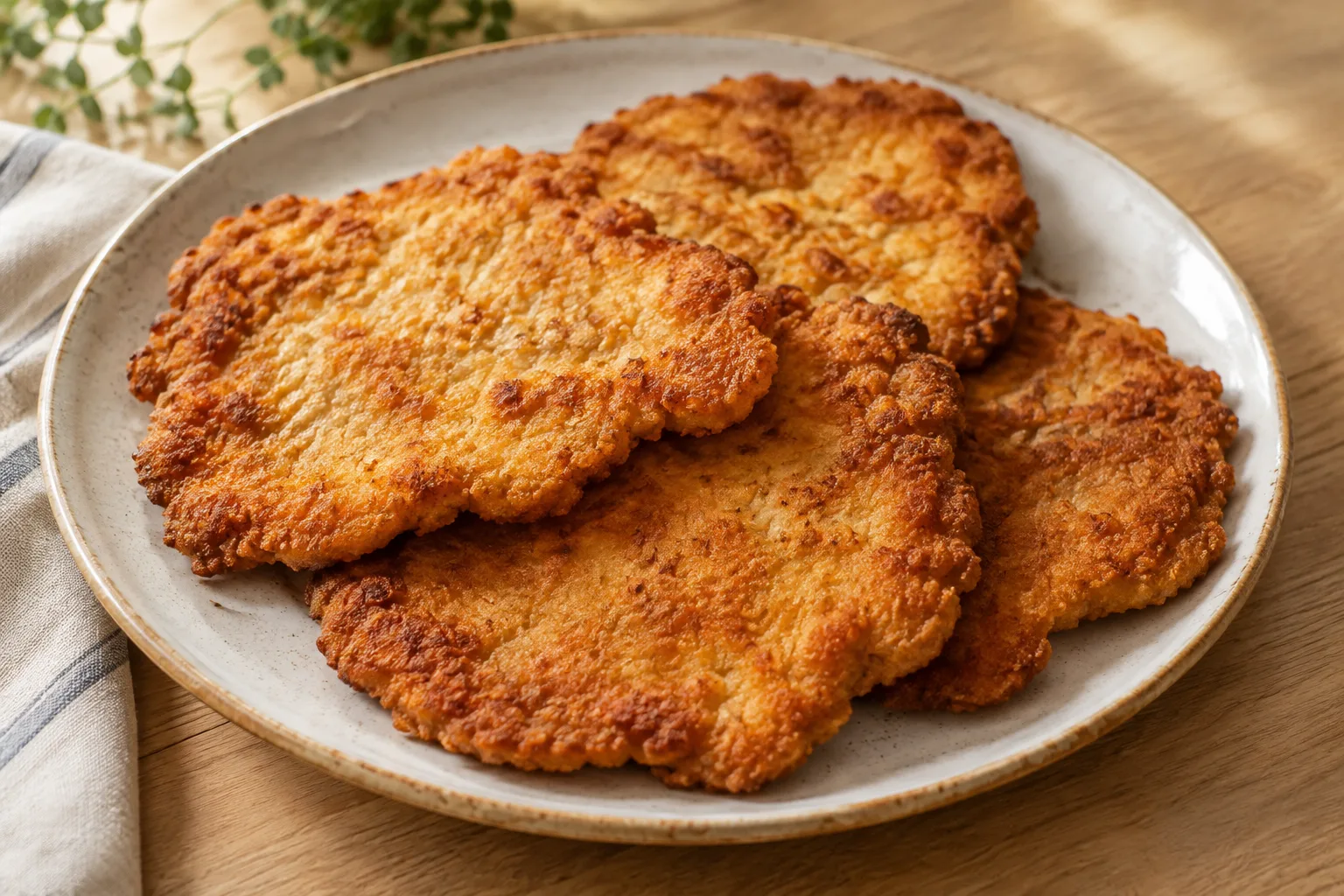
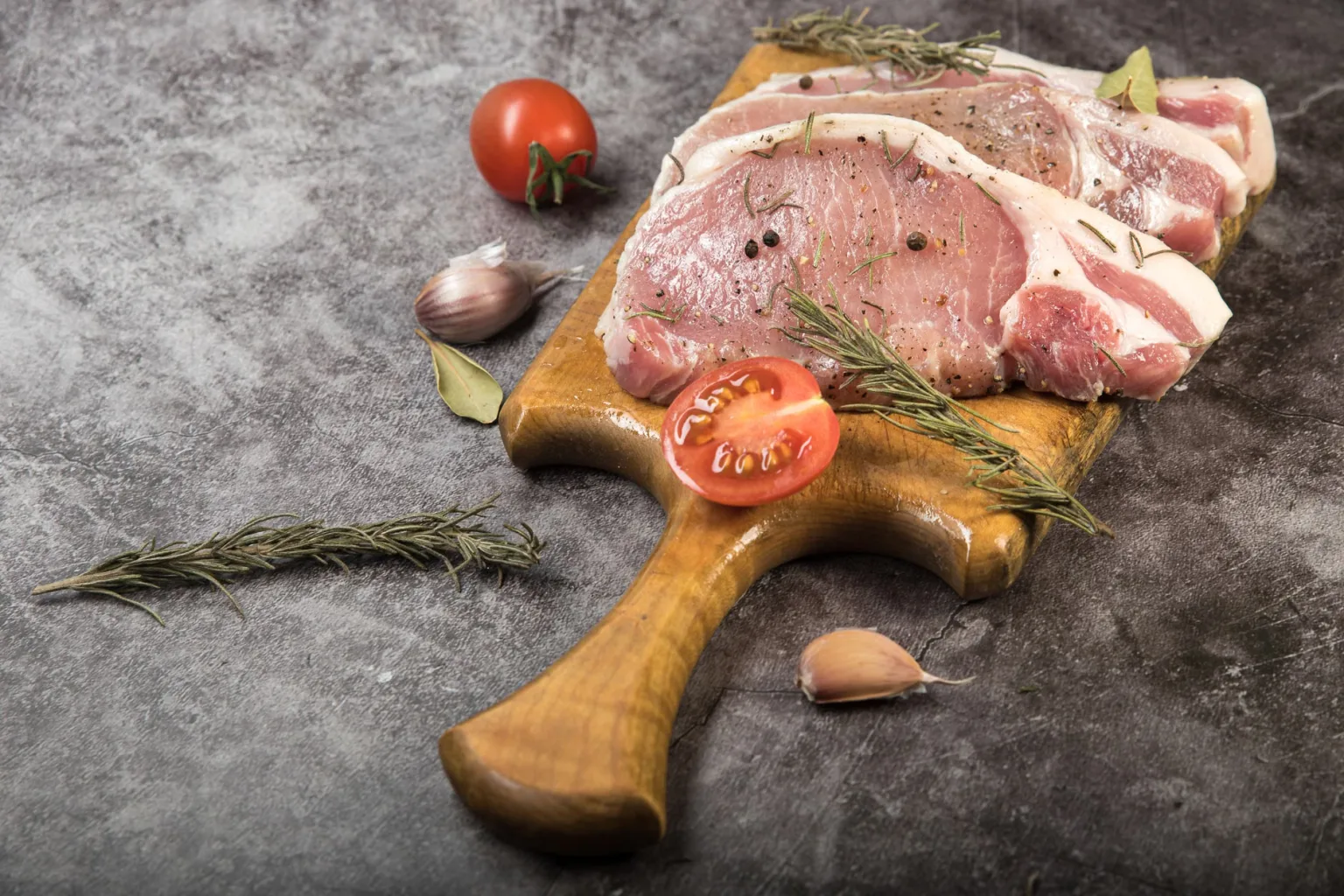
A pork loin chop is a cross-cut portion from the loin, the area running along the animal’s back. It may include bone and, depending on where it is cut, more than one muscle; boneless versions are also sold. Not all pork chops are the same: rib, center, and blade chops come from different areas and can vary in shape, fat distribution, and connective tissue. This guide concerns fresh loin chops, not cured, smoked, or marinated products. The cut is versatile and can be cooked in a pan, on a grill, in the oven, or in a braise. Since chops vary in thickness, adapt the cooking approach to the individual piece rather than assuming every chop needs the same amount of time.
When to use it
Choose loin chops when you want individual portions of pork and can match the cooking method to the thickness and bone of each piece. A thin chop can suit quick cooking, while a thicker one may work better with controlled heat or in the oven. They are also useful for straightforward meals served with potatoes, onions, vegetables, or apples. If a juicy result is important, remember that loin chops can be relatively lean and may dry out if overcooked. For a braise, consider how the chop’s shape, bone, and connective tissue will affect the result; a shoulder or blade chop is a different cut and may need a different approach.
How to use it
Keep the chops refrigerated until preparation and work with a clean board and utensils. Season simply with salt, pepper, and garlic, or add herbs such as thyme, rosemary, or sage. For quick cooking, brown them in a pan or cook them on a grill, adjusting the heat and duration to the thickness; they can also be baked or braised. Do not treat a recipe’s cooking time as universal: thickness, bone, and the structure of the cut affect the result. Serve with potatoes and onions, vegetables, or apples. After handling raw pork, wash hands, boards, utensils, and work surfaces with warm water and soap before using them for other foods. Do not reuse unwashed utensils that have touched raw meat.
Flavour and texture
Pork loin has a mild flavor that works with simple seasonings, marinades, and sweet or tangy accompaniments. Texture depends on the particular chop: loin chops can have little intramuscular fat and more fat around the edge, and some contain more than one muscle. A piece may therefore cook less evenly than another and can become dry if overcooked. Bone, thickness, and fat distribution also affect the eating texture. Fresh chops do not necessarily have the salty or smoky flavor of cured or smoked chops.
How to choose it
Choose refrigerated chops in intact packaging and avoid meat that appears not to have been kept cold. Selecting pieces of similar thickness can help them cook more evenly. Check whether they are bone-in and whether the cut is from the center, rib, or blade area: these are different pieces and may call for different cooking approaches. Loin is often relatively lean; a strip of outer fat is not the same as intramuscular marbling. Buy fresh chops when that is what you need, since marinated, cured, and smoked chops are different products and may behave differently during cooking.
Storage
Keep fresh chops refrigerated and cold until preparation. Pork can be frozen if you will not use it soon; wrap it appropriately to protect it and limit exposure to air. When handling raw meat, use clean surfaces and utensils, and wash hands, boards, utensils, and work surfaces again with warm water and soap afterward. Do not treat general meat-preservation information as a home-canning method for chops: meat is a low-acid food, and canning requires a validated pressure process.
Substitutions
Rib chops and blade chops are also pork cuts, but they are not identical to loin chops. Blade chops may contain more connective tissue and can need a different cooking method; do not automatically transfer the same cooking time. Boneless loin chops can stand in when a portion without bone is wanted, although their thickness and shape may differ. Match the method to the cut you have, and do not treat cured or smoked products as equivalent to fresh chops.
Common mistakes
A common mistake is cooking every chop for the same time even when thickness, bone, and muscle structure differ. Loin can also become dry when overcooked. Do not confuse fresh chops with cured or smoked chops; they are different products. Finally, do not let a board, hands, or utensils that touched raw meat contact ready-to-eat food before they have been washed.
Safety and allergens
Keep raw pork refrigerated and prepare chops on clean surfaces. After handling them, wash hands, boards, utensils, and work surfaces with warm water and soap before using them with other foods. Do not use an improvised home-canning process to preserve meat; meat is low-acid and requires a validated pressure-canning process.
Culinary uses
- Main-course protein
- Grilled, pan-cooked, baked, or braised cut
Recommended techniques
- Pan-searing
- Grilling or broiling
- Baking
- Braising
Pairs well with
- Potatoes and onions
- Apples
- Rosemary, thyme, sage, or garlic
- Tomato and other vegetables
Frequently asked questions
Do pork loin chops always have a bone?
No. They are sold bone-in and boneless. Check the label or the shape of the chop when choosing a recipe.
Can I grill or pan-cook pork loin chops?
Yes. They can also be baked or braised. Match the method to the chop’s thickness and exact cut.
Can fresh pork chops be frozen?
Yes. Pork can be frozen. Wrap it appropriately and keep it refrigerated if it will not be frozen right away.
Ingredient allergens
Allergen listThere are no verified associations for these ingredients yet.
Estimated nutrition
- Fat
- 8.93 g
- Saturates
- 3.12 g
- Carbohydrate
- 0 g
- Sugars
- 0 g
- Fibre
- 0 g
- Protein
- 17.9 g
- Salt
- 0.76 g
Sources and review
Automatically researched, cross-checked and validated content. Sources consulted:
- ¿Por qué la muerte es origen de miedos y tabúes? doi.org/10.64628/aao.fccyk3qj3
- Vamos a Conservar Alimentos: Carnes extension.psu.edu/vamos-a-conservar-alimentos-carnes/
- directrices del grupo de trabajo electrónico “aditivos en derivados de www.aesan.gob.es/dam/jcr:61b6b064-2831-4aaa-b068-2e63b9c9215d/trabajo_electronico.pdf
- Propuesta de elaboración de fermentos naturales a base de frutas del cantón Paute para aplicar a cortes de carne de cerdo | OpenAlex openalex.org/W2892023203
- - YouTube www.youtube.com/watch?v=Z2wQc90ruUQ
- Chuletas de lomo con parmentier - ElPozo Cocina Contigo elpozococina.com/recetas/chuletas-de-cerdo-recetas-lomo-con-cebollitas-confitadas-y-parmenti…
- Características de la chuleta Sajonia - EMBUTIDOS LA GRANJA embutidoslagranja.es/caracteristicas-de-la-chuleta-sajonia/
- Chuleta de cerdo - Wikipedia, la enciclopedia libre es.wikipedia.org/wiki/Chuleta_de_cerdo
- Estas son las mejores chuletas de cerdo que puedes comprar según Karlos Arguiñano www.directoalpaladar.com/ingredientes-y-alimentos/estas-mejores-chuletas-cerdo-que-puedes-co…
- Chuletas de cerdo, preguntas y respuestas sobre la carne más versátil. www.spaghettiemandolino.it/es/blog/688-braciole-di-maiale-ricette.html?srsltid=AYCX9vK4YH7Ii…
- Cómo Cocinar Chuletas de Cerdo - Tia Clara tiaclara.com/es/como-cocinar-chuletas-cerdo/
- - Los Blogs de María -: Chuletas de lomo de cerdo extratiernos de ElPozo, a disfrutar!!! www.losblogsdemaria.com/2012/08/chuletas-de-lomo-de-cerdo-extratiernos.html
- Receta de Chuletas de Cerdo Jugosas al Horno (Tiernas) kelvinskitchen.com/es/recipe/juicy-oven-baked-pork-chops/