- Category
- Meat
- State
- Fresh
- Usual unit
- g
What it is
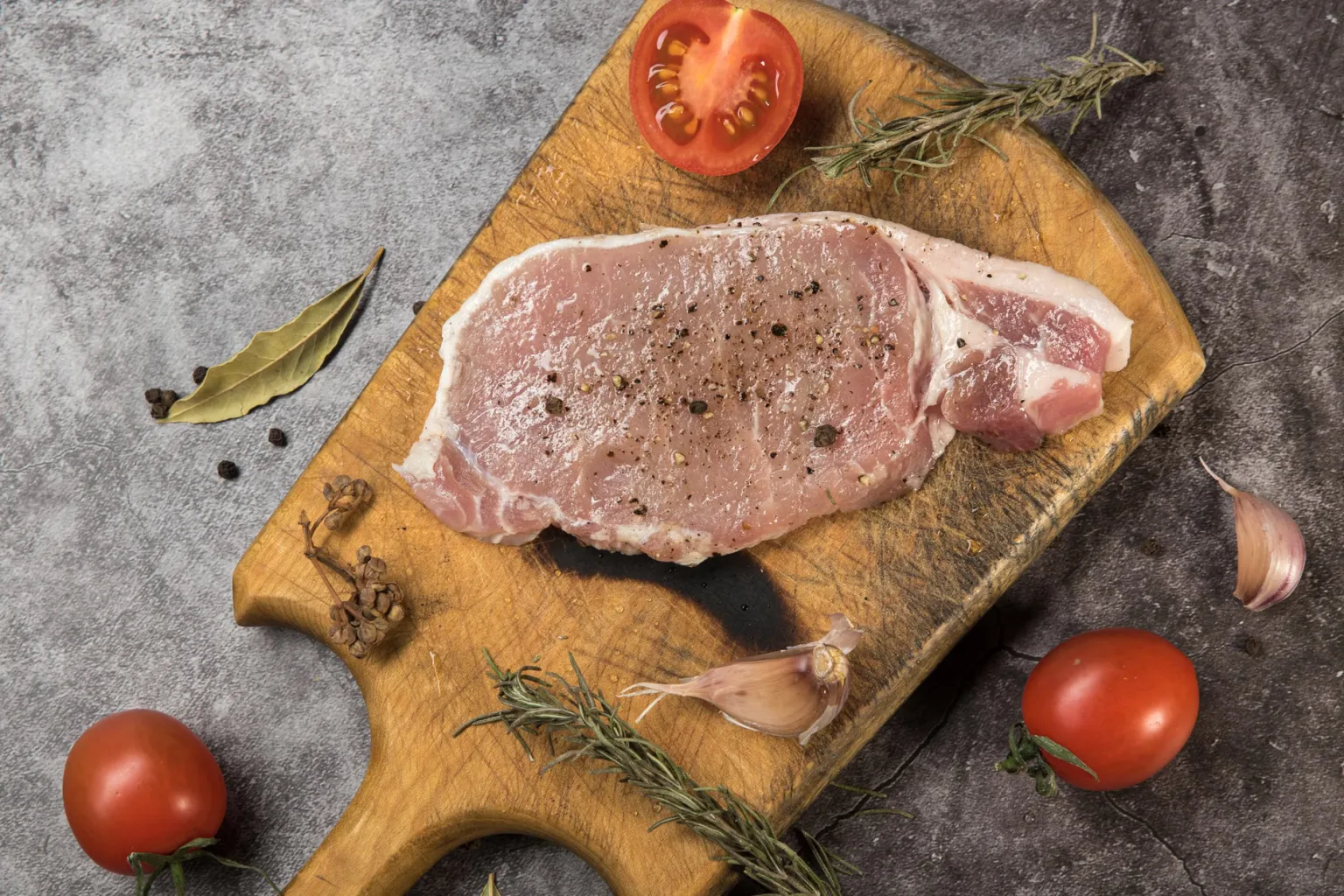
Pork loin cutlets are portions sliced across the loin, a cut that runs along the animal’s back. Sold fresh, they can vary in size and thickness depending on how they are cut. Loin is relatively lean and mild in flavor, making it suitable for simple seasoning as well as more elaborate dishes. It is not the same cut as pork tenderloin, nor is it the fattier belly. Thickness affects how a cutlet cooks: thin slices suit shorter cooking, while thicker ones may need a gentler approach or finishing in a sauce. Check the cut and thickness when buying, then choose a preparation to match. A consistent thickness makes it easier to cook several cutlets evenly. Since the meat is relatively lean, attention to cooking helps preserve a tender result.
When to use it
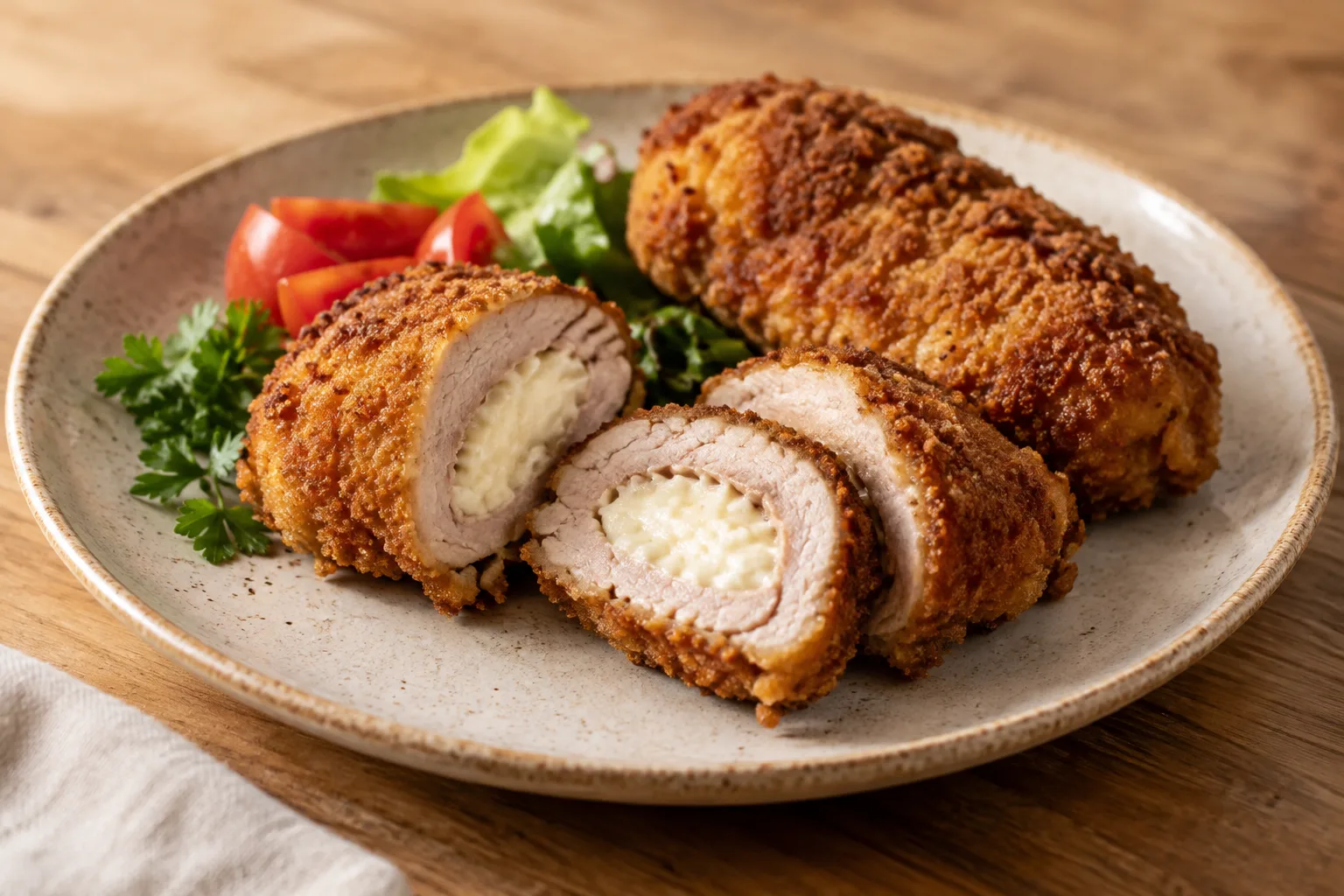
Choose pork loin cutlets when you want individual portions of pork that can be seasoned and cooked separately. They work for everyday meals, breaded cutlets, sandwiches, stuffed preparations and dishes with sauce. Their mild taste pairs well with garlic, parsley, paprika, oregano and other herbs, as well as stronger ingredients such as ham and cheese. For quick cooking, look for slices of similar thickness; if you plan to stuff or roll them, choose pieces sturdy enough to handle without tearing. Loin is relatively lean, so avoid extending the cooking unnecessarily. A moist sauce or accompaniment can be useful when you want a juicier plate. The best method depends on cutlet thickness and the texture you want in the finished dish.
How to use it
Keep raw pork separate from ready-to-eat foods, and wash your hands after handling it. Clean boards, utensils and work surfaces that contacted raw meat with soap and water. Pat the cutlets dry if browning is desired, then season with salt, pepper, garlic or herbs and cook in a pan, on a grill or in the oven. For breaded cutlets, coat them in flour, egg and breadcrumbs; for a stuffed dish, place a suitable filling between pieces and cook until fully done. To make a sauced dish, brown the cutlets and finish them in the sauce without cooking longer than necessary. Match the method to their thickness and check that the meat is fully cooked before serving. Do not reuse utensils or plates that touched raw pork for cooked meat unless they have been washed first.
Flavour and texture
Pork loin has a mild, understated flavor that takes well to marinades, herbs and sauces. It can be tender when cooked with care, but its relatively lean nature means it may become dry if overcooked. Thickness, the exact cut and the cooking method also affect the finished texture. Breading adds a crisp coating, while a sauce or filling contributes moisture and complementary flavor without necessarily masking the meat’s gentle taste.
How to choose it
Buy fresh, refrigerated cutlets from a clean retailer and check the package condition and stated date. Choose slices with a thickness suited to your recipe. Cutlets of similar thickness are easier to cook evenly. Loin is generally lean; if you prefer a juicier result, serve it with sauce or choose a breaded or stuffed preparation. Keep the meat chilled during transport, and prevent its package or juices from contacting foods that will be eaten without cooking.
Storage
Keep raw cutlets refrigerated and follow the package directions for use. If you will not use them soon, they can be frozen; wrap them well or use a freezer-safe container and prevent leakage onto other foods. Thaw safely under refrigeration and cook afterward rather than leaving the meat at room temperature for extended periods. Keep raw pork separate from cooked and ready-to-eat foods. Freezing preserves meat but does not correct poor handling or make an already spoiled product safe.
Substitutions
Sliced pork tenderloin can substitute for loin cutlets if you adjust the method to the different shape and thickness. Chicken or veal cutlets can also work in breaded or sauced dishes, although their flavor and texture will differ. Tenderloin is a distinct cut, and changing the type of meat may call for an adjusted cooking approach so that the replacement is fully cooked and safe.
Common mistakes
Do not mistake pork loin for tenderloin; they are different cuts. Avoid cooking cutlets longer than needed, since the meat is relatively lean and can dry out. Do not put cooked meat on a plate that held raw pork without washing it, or serve with utensils contaminated by raw meat. Cutlets of noticeably different thickness may not finish cooking at the same time.
Safety and allergens
Keep raw pork separate from ready-to-eat foods. Wash hands and clean boards, surfaces and utensils with soap and water after handling it. Cook cutlets fully and follow the package’s storage directions; no specific cooking temperature is provided here.
Culinary uses
- Main protein in a meal
- Sliced meat for quick-cooking dishes
Recommended techniques
- Pan-frying
- Grilling
- Breading and frying
- Baking
Pairs well with
- Garlic and parsley
- Paprika and oregano
- Ham and cheese
- Mushroom sauce
Frequently asked questions
Are pork loin and pork tenderloin the same cut?
No. Loin cutlets come from the loin, while tenderloin is a different cut. Their shape and thickness can differ, so adapt the cooking method.
How can I keep pork loin cutlets from drying out?
Avoid cooking them longer than necessary, match the method to their thickness, and consider serving them with sauce or making a breaded or stuffed version.
Can pork loin cutlets be frozen?
Yes. Wrap them well or place them in a freezer-safe container, and keep raw meat separate from other foods. Freezing does not replace careful handling.
Ingredient allergens
Allergen listThere are no verified associations for these ingredients yet.
Estimated nutrition
- Fat
- 11.1 g
- Saturates
- 3.52 g
- Carbohydrate
- 0 g
- Sugars
- 0 g
- Fibre
- 0 g
- Protein
- 25.6 g
- Salt
- 0.14 g
Sources and review
Automatically researched, cross-checked and validated content. Sources consulted:
- ¿Por qué la muerte es origen de miedos y tabúes? doi.org/10.64628/aao.fccyk3qj3
- ¿Qué es la Iniciativa de Codificación de Textos? - Las variedades de la estructura textual - OpenEdition Press doi.org/10.4000/books.oep.15677
- Gastronomía de Costa Rica - Wikipedia, la enciclopedia libre es.wikipedia.org/wiki/Gastronom%C3%ADa_de_Costa_Rica
- Vamos a Conservar Alimentos: Carnes extension.psu.edu/vamos-a-conservar-alimentos-carnes/
- directrices del grupo de trabajo electrónico “aditivos en derivados de www.aesan.gob.es/dam/jcr:61b6b064-2831-4aaa-b068-2e63b9c9215d/trabajo_electronico.pdf
- Home food preservation | Servicio de Extensión de OSU extension.oregonstate.edu/es/food/preservation
- Revista del comité científico de la aecosan número 24 aesan.gob.es/dam/jcr:979384c0-5bd9-46d4-a29e-ccf5876c769c/RCC_24.pdf
- Asado - Wikipedia, la enciclopedia libre es.wikipedia.org/wiki/Asado
- - YouTube www.youtube.com/watch?v=0Q-DLodVI8w
- 15 recetas con lomo de cerdo: una pieza de carne económica con muchas posibilidades bonviveur.com/es/recetas/lista/lomo-cerdo/
- El lomo de cerdo y sus variedades culinarias - Comidas Don Asado www.donasado.es/el-lomo-de-cerdo/
- El Lomo de Cerdo ▷ Kachopo King www.google.com/goto?url=CAESYwHrOzAVv8q6UhjG6C6xY_-1-FMhWLrvaHmTRTNyDx_nIbttxyGRvdeeMiptXAGd…
- - YouTube www.youtube.com/watch?v=BuZqQ4kBeLw
- El Lomo de Cerdo ▷ Kachopo King www.google.com/goto?url=CAESYwHrOzAVOpiAe1k-iBxqv2BJJ_6aqOzgq_ng0g6pzNGjH9U111ZzEwiim3BKnu2f…