- Category
- Vegetables
- State
- Powdered
- Usual unit
- g
What it is
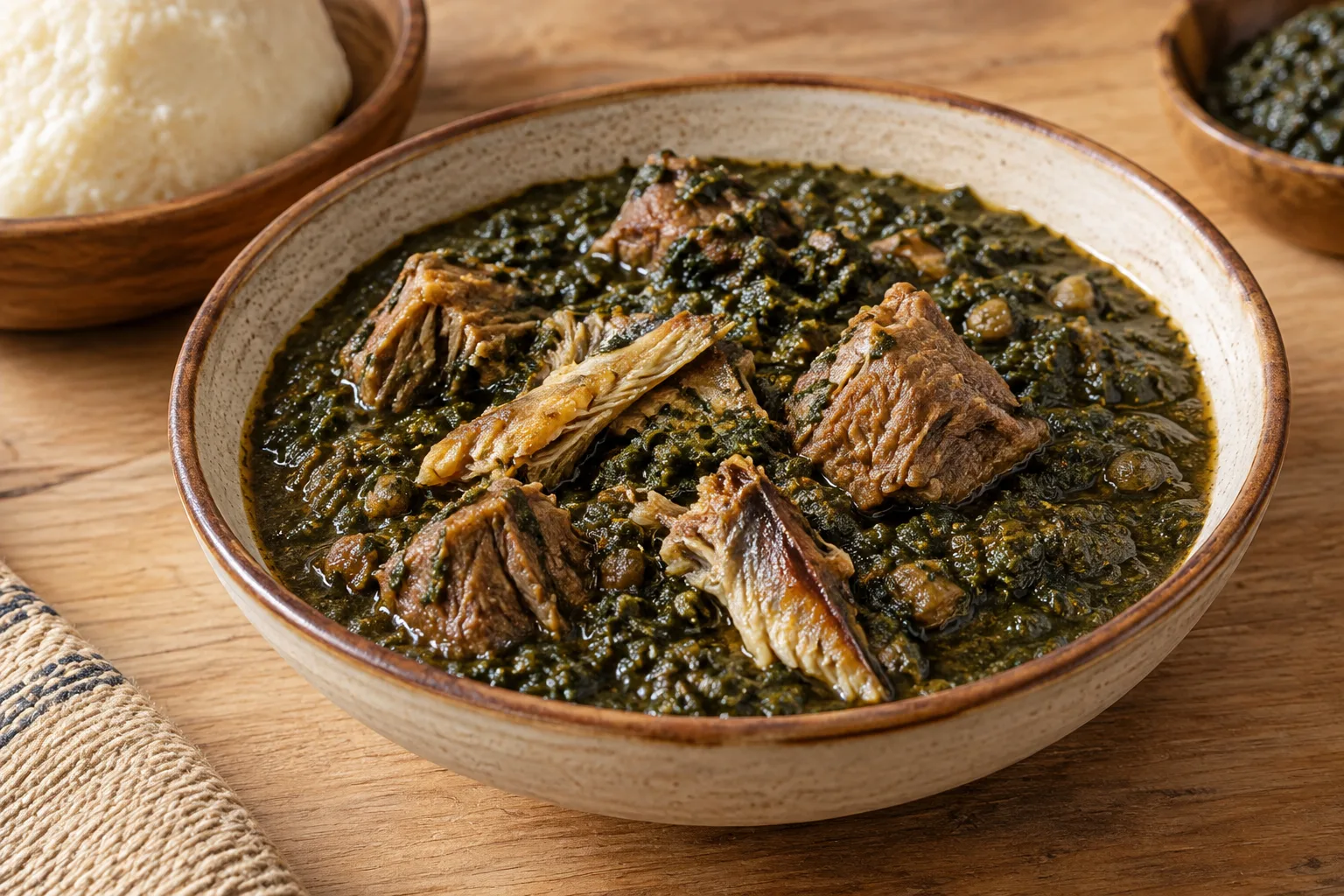
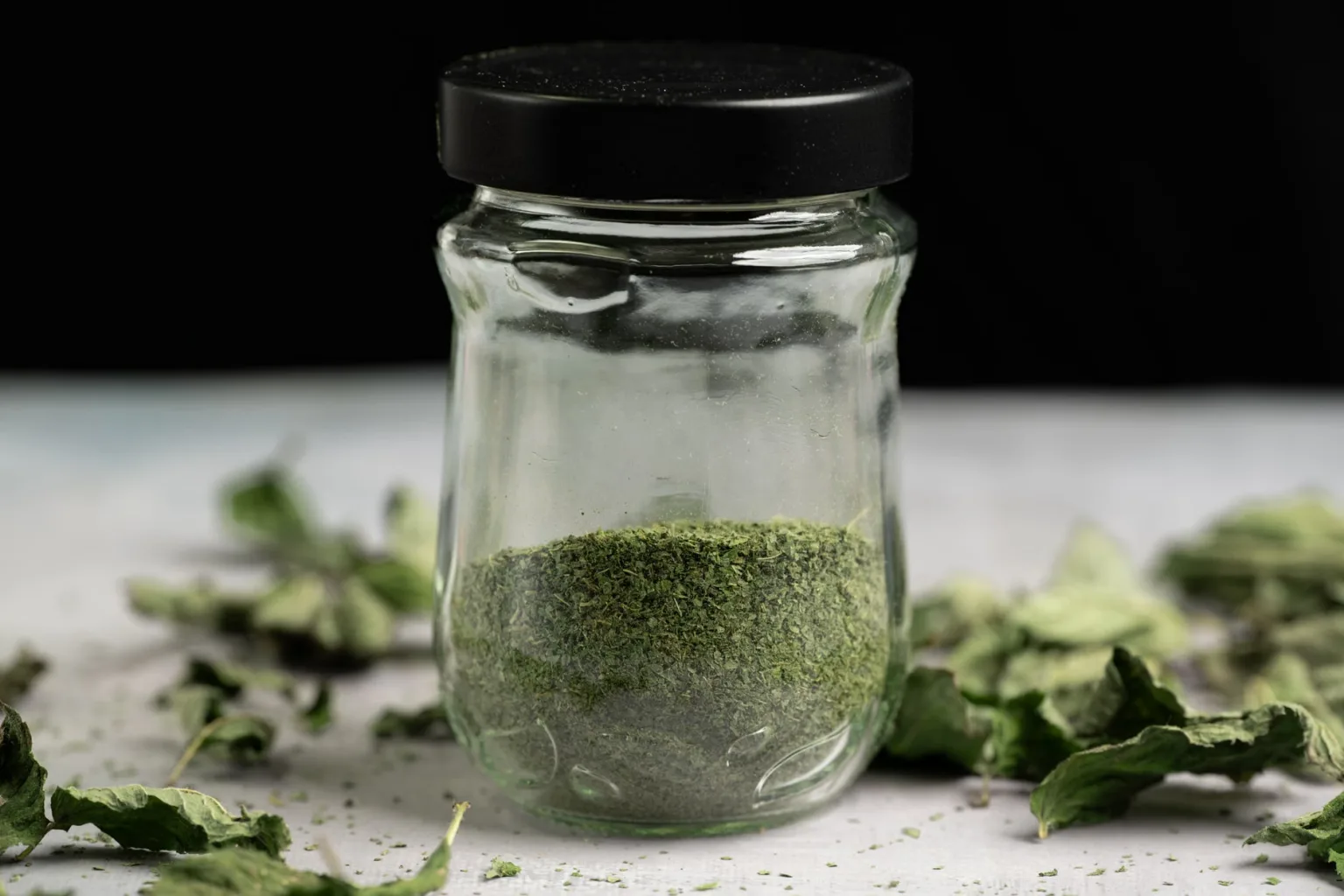
Powdered fakouhoye leaves are presented by name as ground leaves, but the available information does not identify the particular plant or confirm that this product is the same ingredient used in fakoye. This Malian stew is described as a preparation of dried green leaves that are rehydrated and cooked; that description does not establish the species or validate the use of a powder called fakouhoye. Treat the botanical identity and composition of this product as unconfirmed. Its name alone does not establish a plant family, a specific flavor, or a preparation method. Before cooking, check that the package identifies it as food and read its ingredients and directions.
When to use it
The powder may suit a cooked leafy recipe if the package confirms that it is food and explains how to prepare it. The available description of fakoye refers to dried leaves that are rehydrated and cooked, but it gives no quantity, liquid ratio, or method for powdered fakouhoye. Do not automatically use it in place of whole dried leaves or another plant powder. If you prepare a leafy stew using a recipe that is appropriate for the product, you may serve it with millet or rice; these are possible accompaniments and are not necessarily part of the stew.
How to use it
Before cooking, read the package to check the stated product identity, whether it is intended for consumption, and whether it needs particular preparation. The available description of fakoye concerns dried whole or broken leaves that are rehydrated and cooked; it does not explain how to measure, hydrate, or cook this powder. If the manufacturer provides directions, follow them and add the product to a moist preparation as instructed. For a stew, use the liquid and other ingredients in a recipe compatible with the product, then check the texture before serving. Do not infer an amount, water ratio, or cooking time from instructions for whole leaves. Millet or rice may be served separately as an accompaniment.
Flavour and texture
There is no reliable description of the specific flavor or texture of powdered fakouhoye leaves. Fakoye is described as a savory, thick, concentrated stew made with dried leaves, but the plant is not identified and those qualities cannot safely be transferred to this powder. The result may depend on the plant, drying, grinding, and other product ingredients. Check the package's appearance and aroma, and consult the label or a recipe that clearly identifies the ingredient before deciding how to use it.
How to choose it
Choose a product whose label clearly identifies the leaves and confirms that it is food. The available information cannot establish which plant is sold under the name fakouhoye or whether the powder contains only leaves. Check the ingredient list, preparation directions, and declared allergens on the package. If its contents or use are unclear, ask the supplier rather than assuming that it can replace other dried leaves or a different herb powder.
Storage
No specific shelf life or storage conditions have been established here for this product. Follow the manufacturer's storage directions and keep the package accordingly. Keep the label available so you can check the stated identity, ingredients, and use instructions. If the package provides no storage guidance, ask the supplier instead of assuming a particular shelf life or storage method.
Substitutions
No direct substitute has been verified because the plant and product characteristics are not identified. If the recipe allows changes, another dried leafy green or a cooked leafy base may be considered, but flavor and texture may differ. Check that the alternative is suitable for the intended use, and do not substitute the same weight without reviewing the recipe.
Common mistakes
Do not treat powdered fakouhoye as interchangeable with any ground leaf because the name or color seems similar. A description of fakoye stew does not confirm which plant is in a powdered product, and directions for whole dried leaves do not explain how to measure this format. Check the package rather than guessing quantities, water ratios, or cooking times.
Safety and allergens
The available information establishes no product-specific warning and does not conclusively identify the plant. Use only a product labeled as food, check its ingredients and declared allergens, and follow the package directions. If the label does not let you confirm its identity or suitability as food, do not consume it until that is clarified.
Culinary uses
- Powdered leafy ingredient for a cooked preparation, subject to the product label
- Possible component of a leafy stew when the package confirms its food use
Recommended techniques
- Add to a moist preparation only as directed on the package
- Cook as part of a stew when the product instructions and recipe support that use
Pairs well with
- Millet, as a possible accompaniment to a leafy stew
- Rice, as a possible accompaniment to a leafy stew
Frequently asked questions
What are powdered fakouhoye leaves?
The name presents them as ground leaves, but the available information does not precisely identify the plant or confirm the product's composition.
How should I use this powder?
Verified instructions for this format are not available. Check that the package identifies it as food and follow the product-specific directions.
What can accompany a leafy stew?
The description of fakoye mentions millet and rice as possible accompaniments. They do not necessarily belong in the stew itself.
Ingredient allergens
Allergen listThere are no verified associations for these ingredients yet.
Sources and review
Automatically researched, cross-checked and validated content. Sources consulted:
- Hoja de parra - Wikipedia, la enciclopedia libre es.wikipedia.org/wiki/Hoja_de_parra
- Hojas de Olivo en Polvo doi.org/10.31003/uspnf_m9816_01_02
- El polvo blanco: mildiu y oidio en el cultivo de cannabis - detallado | CANNA España www.canna.es/articles/el-polvo-blanco-mildiu-y-oidio-en-el-cultivo-de-cannabis-detallado
- - YouTube www.youtube.com/watch?v=PczBjAanSBQ
- Etiquetas | Energy Feelings energyfeelings.com/etiquetas/
- Hojas de pandan frescas vs. polvo de pandan: las diferencias clave – Maison Pandan maison-pandan.com/es-at/blogs/guia-del-pandan/hojas-pandan-frescas-vs-polvo?srsltid=AYCX9vKY…
- Fakoye: origen, ingredientes y alérgenos www.menuella.com/es/food-wiki/fakoye
- Hojas de Banaba en Polvo doi.org/10.31003/uspnf_m7967_02_02
- - YouTube www.youtube.com/watch?v=JPi3VvsZcdw