- Category
- Pulses
- State
- Dry
- Usual unit
- cup
What it is
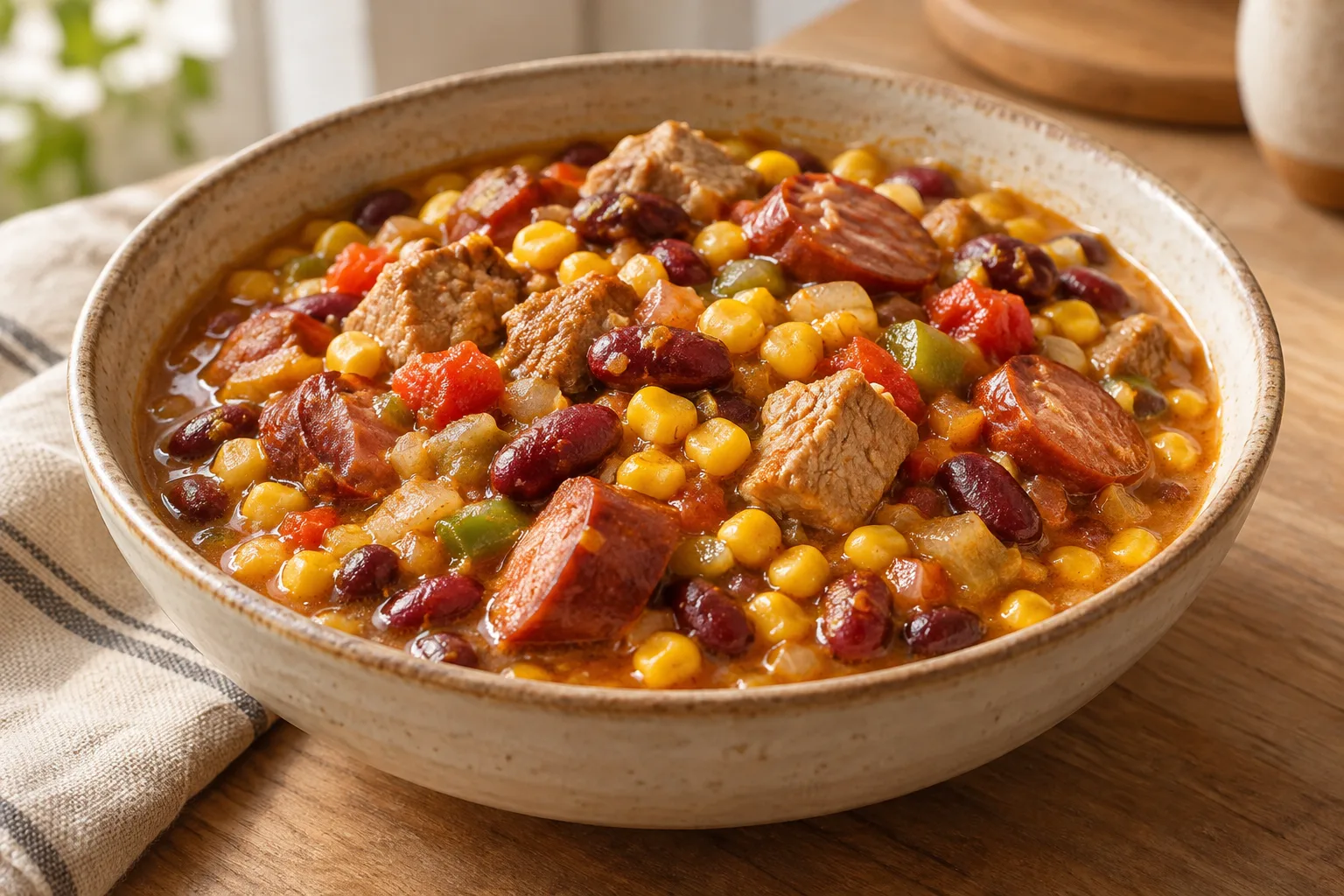
Red beans are edible seeds of a legume. The name can refer to varieties with red or reddish coloring, and their precise size, shape and shade vary with the variety and product. This profile covers mature dried beans, not fresh green beans or red beans that have already been cooked and canned. They can be served whole in stews, soups and rice dishes, or partly mashed for a thicker, creamier result. They are commonly used in long-cooked dishes, though how well they keep their shape depends on the variety and preparation.
When to use it
Choose dried red beans when you want a substantial base for soup, stew or a rice dish, or when you want to add pulses to a vegetable meal. They also suit chili-style dishes and mashed bean sides. Because they are dried, allow time to soak and cook them before adding them to a quick recipe. If you need a meal ready soon, cooked beans may be more convenient; check the label to confirm the product is cooked and adjust the recipe for its texture.
How to use it
Pick out damaged beans or visible debris, rinse the beans, and soak them in water before cooking. Drain them, cover with fresh water and simmer gently until tender; keep them covered with liquid and stir carefully to avoid breaking them. Cooking time varies with the bean and the product, so check tenderness rather than relying on a fixed time. Add the beans to a stew with vegetables, tomato, onion or garlic, or combine them with rice and seasonings. For a thicker dish, mash some of the beans and stir them back into the rest.
Flavour and texture
Cooked red beans tend to have a distinct, earthy flavor and tender centers, while their skins may retain some firmness. Flavor intensity, size and texture vary by variety and cooking method. In long-cooked dishes they take on the character of the broth and seasonings; mashing some produces a creamier consistency.
How to choose it
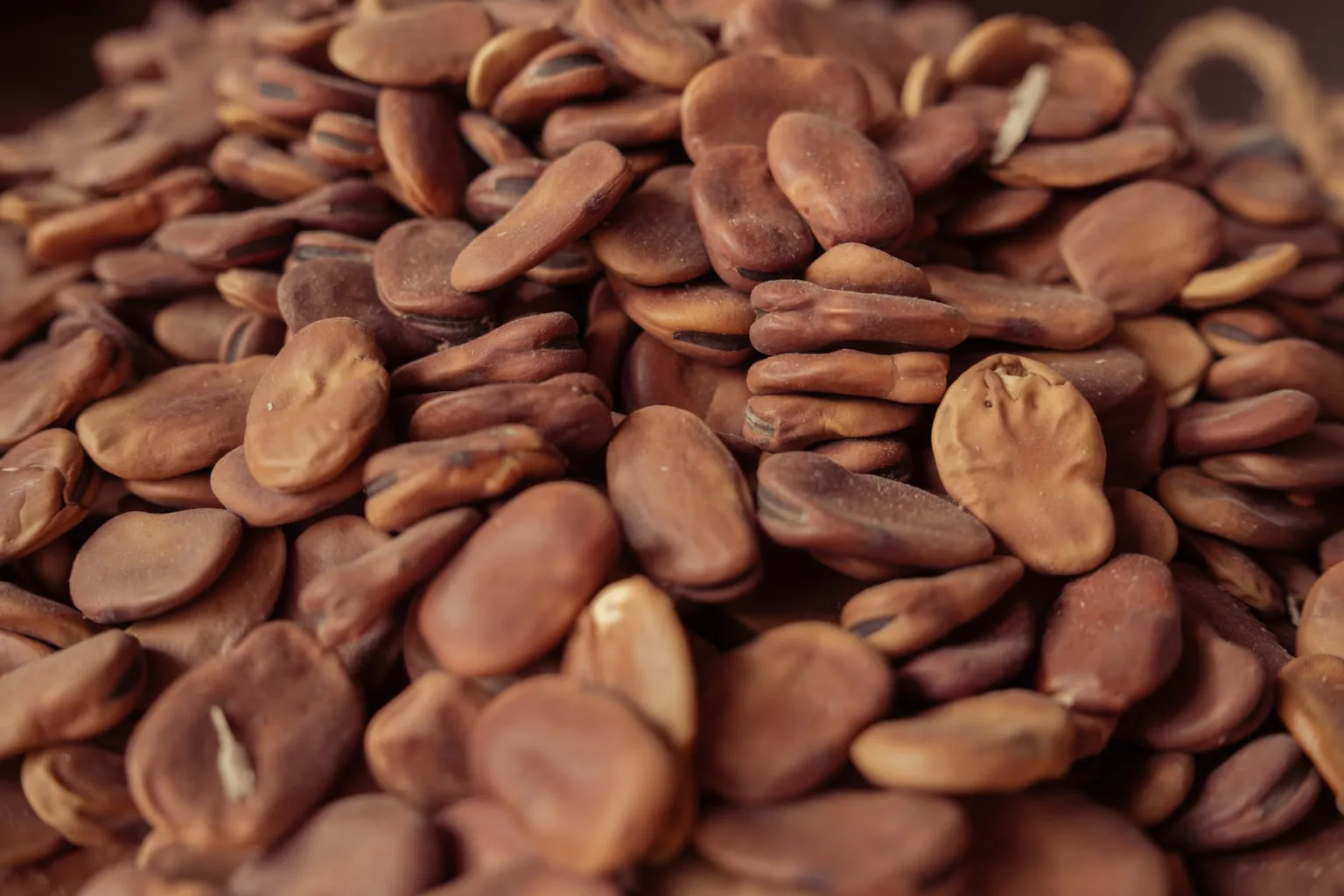
Choose dried beans that look reasonably uniform and show no visible moisture, insects or extensive damage. Their shade can range from deep red to reddish brown, depending on the variety, so there is no single correct color. Check the label and packaging to confirm whether the beans are dried or already cooked; the two forms need different preparation.
Storage
Keep dried beans in a clean, tightly closed container in a dry place, protected from moisture and pests. Store them away from strong-smelling ingredients. Check the package for storage guidance and a use-by or best-before date. Once cooked, follow the storage instructions on the product or in the recipe you are using.
Substitutions
Pinto beans or other beans of similar size and texture can replace red beans in many stews and rice dishes. The color and flavor may change, and varieties do not always soften in the same way, so check tenderness and adjust cooking. If replacing dried beans with cooked beans, change the preparation method too.
Common mistakes
Do not confuse dried red beans with fresh green beans or ready-cooked canned beans. Do not add dried beans to a recipe that only allows brief heating: they need preparation and cooking first. Avoid excessively vigorous cooking or letting the cooking liquid run dry. Check for tenderness and handle the beans gently if you want them to remain whole.
Safety and allergens
Cook dried beans before eating and follow the preparation directions on the package. Do not use a product with visible moisture, pests, an unusual odor or obvious damage. For cooked beans, follow the product or recipe instructions.
Culinary uses
- Base for soups and stews
- Ingredient in rice dishes, chili and bean salads
Recommended techniques
- Soak dried beans before cooking
- Simmer gently until tender
Pairs well with
- Rice
- Tomatoes and peppers
- Onion and garlic
- Vegetables and herbs
Frequently asked questions
Are the red beans in this profile fresh or dried?
This profile describes mature dried beans. Ready-cooked canned red beans are a different form and can be added according to their package or recipe instructions.
Do dried red beans need soaking?
Soaking is a common preparation for dried beans. Drain them afterward and cook in fresh water until tender; the result depends on the variety.
What dishes work well with red beans?
They are used in stews, soups, rice dishes and chili-style preparations. They also pair with vegetables and can be partly mashed to thicken a dish.
Ingredient allergens
Allergen listThere are no verified associations for these ingredients yet.
Estimated nutrition
- Fat
- 1.33 g
- Saturates
- 0 g
- Carbohydrate
- 61.3 g
- Sugars
- 2.67 g
- Fibre
- 14.7 g
- Protein
- 22.7 g
- Salt
- 0.03 g
Sources and review
Automatically researched, cross-checked and validated content. Sources consulted:
- Client Challenge doi.org/10.2307/jj.27939689.16
- The Essential Glossary of Cooking Terms for the Culinary Arts - Escoffier www.escoffier.edu/blog/culinary-arts/the-essential-glossary-of-cooking-terms-for-the-culinar…
- Las alubias o habichuelas: origen, variedades, beneficios y recetas para cocinar la legumbre más extendida del mundo www.directoalpaladar.com/ingredientes-y-alimentos/alubias-habichuelas-origen-variedades-bene…
- Agencia Española de Seguridad Alimentaria y Nutrición www.aesan.gob.es/
- Nutrition After Your Transplant - Health Online healthonline.washington.edu/sites/default/files/record_pdfs/Nutrition-After-Your-Transplant-…
- EFNEP Hispanic Heritage Recipes | Community Nutrition | Extension/College of Agriculture, Health & Natural Resources | University of Connecticut communitynutrition.cahnr.uconn.edu/efnep-hispanic-heritage-recipes/
- Choice Salsa - National Center for Home Food Preservation nchfp.uga.edu/how/can/canning-salsa/choice-salsa/
- Exploring Basque Gastronomy Identity through Recipes ... ebiltegia.mondragon.edu/bitstream/handle/20.500.11984/14465/Urkiaga%20et%20al.%202025_Basque…
- Diferencia entre alubia blanca y alubia roja - Periòdic del Camp de Túria www.infoturia.com/publirreportatge/71774-diferencia-entre-alubia-blanca-y-alubia-roja.html
- - YouTube www.youtube.com/watch?v=Sl5MijBFn_E
- Food Control upcommons.upc.edu/bitstreams/bef7251f-5c8a-42ba-9a39-44cad2a32ad7/download
- April garden calendar | Servicio de Extensión de OSU extension.oregonstate.edu/es/catalog/em-9476-april-garden-calendar
- Alubias rojas con verduras: receta rápida, sana y con sabor casero | Conservas El Juncal conservaseljuncal.com/alubias-rojas-con-verduras/?srsltid=AYCX9vJI3hYUo-ZVev2Jh2q9kWxhqV4ycQ…
- Alubias rojas estofadas a la montañesa | Mandarinas y miel mandarinasymiel.blogspot.com/2016/03/alubias-rojas-estofadas-la-montanesa.html