- Category
- Pulses
- State
- Dry
- Usual unit
- cup
What it is
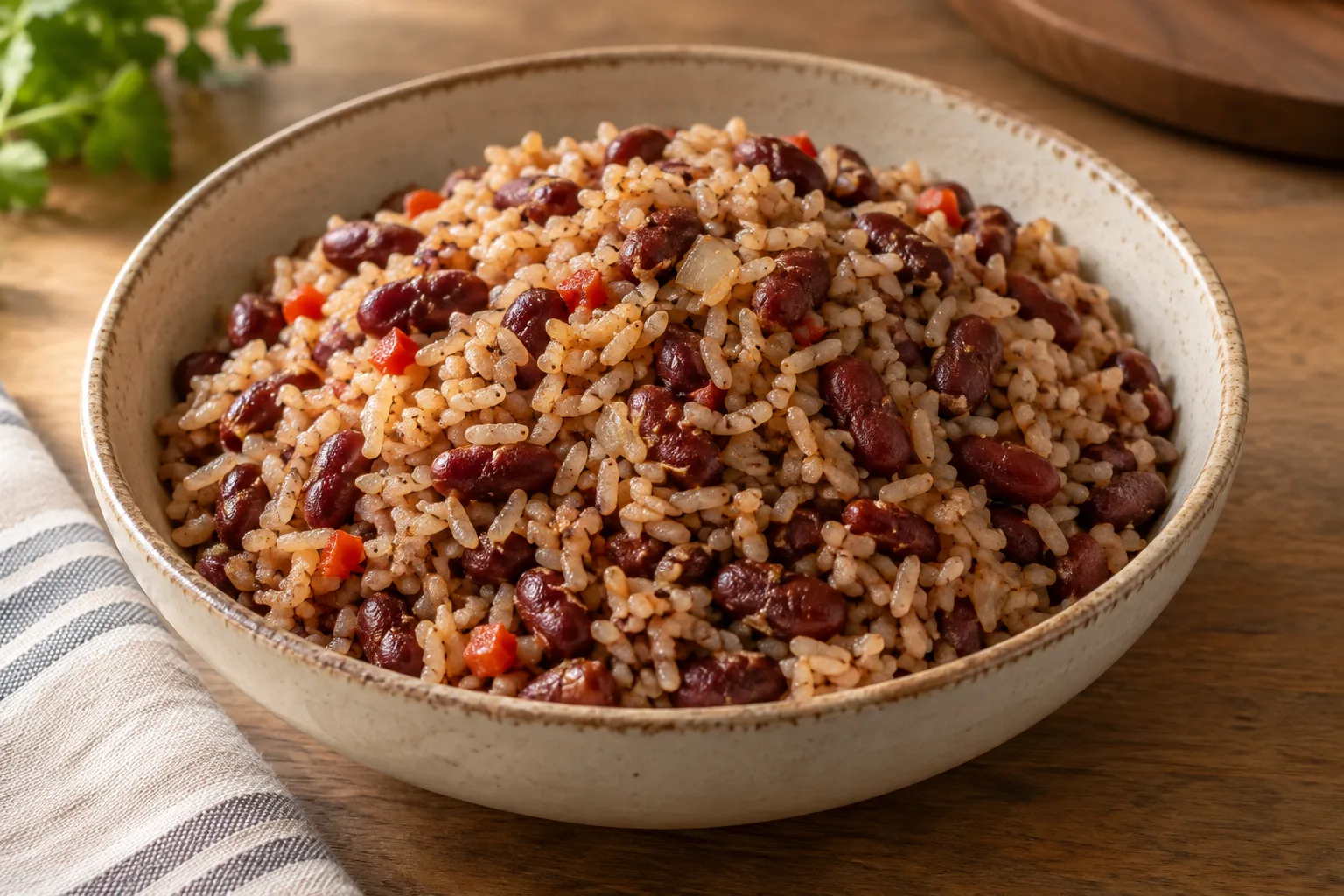
Red beans are edible seeds from legume plants. The name can cover varieties that differ in size, shade and texture; some familiar red beans are dark red and kidney-shaped. They are sold dried and canned, so check the form before beginning a recipe. Dried beans need soaking and cooking until tender, while canned beans can be added directly to a dish or warmed through. They are commonly used in soups, stews, rice dishes, salads and chili. There is no single flavor or texture shared by every product: variety and form affect the result. Treat the label as the best guide to the particular beans you have, especially when adapting a recipe that specifies a certain type.
When to use it
Use red beans when you want to add substance and a tender texture to soups, stews or rice dishes, or when you need a filling ingredient for a salad. Dried beans work well when you can plan for soaking and cooking; canned beans are convenient when time is short because they can be added directly to a dish. In slow-cooked recipes, they pair well with tomatoes, onion, garlic and peppers. For salads, drain them and combine with vegetables and a pronounced dressing. Choose a variety according to the texture and appearance you want, and remember that beans of different types may cook or hold their shape differently.
How to use it
Before cooking dried beans, sort through them and remove any damaged beans or foreign material. Soak them in cold water, drain, and simmer in fresh water until fully tender; cooking time varies with the beans' size and age. Do not rely on the clock alone: check their texture before using them in a recipe. Add cooked beans to soups, stews or chili, or serve them with rice. To thicken a pot, mash some of the cooked beans and stir them back into the liquid. Canned beans can be added directly to a dish or warmed gently; drain them if the recipe calls for less liquid. For salads, combine them with tomatoes, onion, garlic, olives or a bold dressing. Season to taste after the beans have been added.
Flavour and texture
Their flavor is often described as mild, earthy and slightly sweet, though it varies among varieties and products. Once cooked, the beans are usually tender and somewhat floury or creamy, while some types hold a firmer shape. Cooking and serving style change the texture: whole beans work in salads and rice dishes, while partly mashed beans add body to soups and stews.
How to choose it
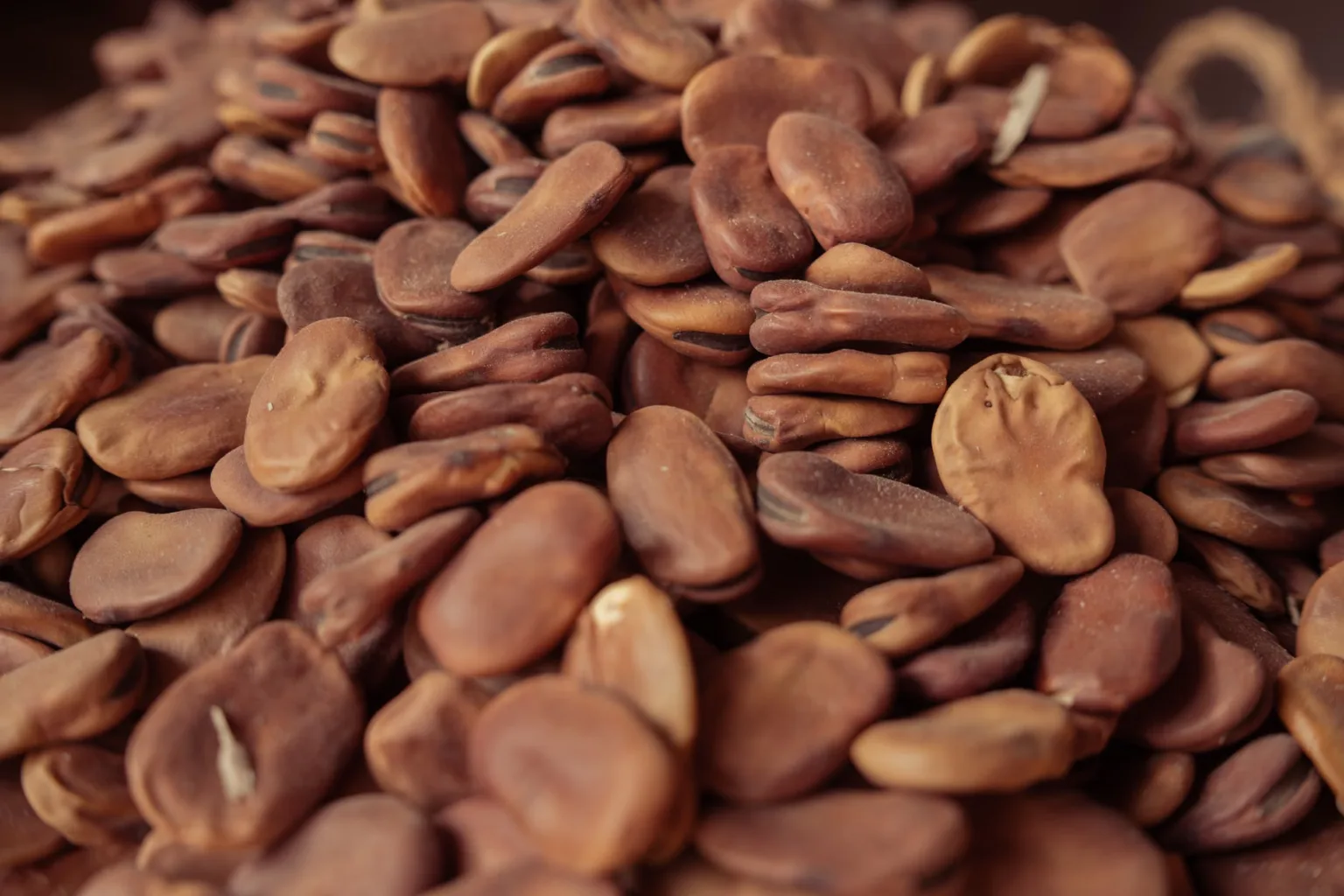
First decide whether you need dried or canned beans: dried beans require soaking and cooking, while canned beans are quicker to use. For dried beans, look for whole seeds without visible moisture or obvious damage. Check that the package is intact and read the label to identify the bean type and any added ingredients. Size, shade and texture can differ between varieties, so do not expect all red beans to look or cook exactly alike.
Storage
Keep dried beans in a tightly closed container in a cool place away from light. Keeping them dry helps preserve their quality; older beans may take longer to soften. For canned beans, follow the package directions and avoid cans that are damaged or leaking. Once opened, refrigerate leftovers in a clean, covered container and use them promptly; the evidence provided does not specify an exact storage period for opened leftovers.
Substitutions
In soups, stews or chili, pinto or black beans can stand in for red beans if you are comfortable with changes in color, flavor and texture. Black beans may remain firmer and taste earthier; pinto beans may break down more readily. Adjust liquid and cooking time to suit the form and package directions. For a closer result, choose another bean with a similar size and consistency.
Common mistakes
Do not treat dried beans as if they were already cooked: they need soaking and cooking before they go into a dish. Avoid assuming every variety needs exactly the same cooking time. Check that dried beans are tender before serving, and handle canned beans gently if you want them to stay whole.
Safety and allergens
Sort dried beans and cook them thoroughly until tender before eating; do not serve them raw or hard. Follow the package directions for canned beans, and refrigerate opened leftovers in a covered container.
Culinary uses
- Main ingredient in soups, stews and bean pots
- Filling addition to salads, rice dishes and chili
Recommended techniques
- Soak dried beans, then simmer in water until tender
- Add canned beans directly to a dish or warm them gently
- Mash some cooked beans to thicken soups and stews
Pairs well with
- Rice, tomatoes, onion, garlic and peppers
- Chili spices, herbs, and vegetables such as pumpkin or squash
Frequently asked questions
Do dried red beans need soaking?
Soaking dried beans in cold water before cooking is a common preparation method. Drain them afterward and cook in fresh water until tender.
Can canned red beans be used straight from the can?
Yes. They can be added directly to many dishes or warmed gently. Drain them if you do not want to add the canning liquid.
What dishes go well with red beans?
They work well in soups, stews, chili, salads and rice dishes. Tomatoes, onion, garlic and peppers are common companions.
Ingredient allergens
Allergen listThere are no verified associations for these ingredients yet.
Estimated nutrition
- Fat
- 1.33 g
- Saturates
- 0 g
- Carbohydrate
- 61.3 g
- Sugars
- 2.67 g
- Fibre
- 14.7 g
- Protein
- 22.7 g
- Salt
- 0.03 g
Sources and review
Automatically researched, cross-checked and validated content. Sources consulted:
- Client Challenge doi.org/10.2307/jj.27939689.16
- El frijol rojo | La Fundación Louis Bonduelle www.fondation-louisbonduelle.org/es/verdura/el-frijol-rojo/
- ¿Qué son los frijoles? Descubre tipos y variedades-Blog goya.es/blog/que-son-los-frijoles-descubre-sus-tipos-y-variedades
- Frijol - Wikipedia, la enciclopedia libre es.wikipedia.org/wiki/Frijol
- Frijoles colorados: receta cubana con chorizo y calabaza | Cocina Cubana - CiberCuba www.cibercuba.com/cocina/recetas/frijoles-colorados-con-cerdo
- Frijoles rojos: características y cómo | Recetas.com www.recetas.com/reportajes/frijoles-rojos-caracteristicas-y-como-usarlos-en-la-cocina.html
- Todo sobre los frijoles: una guía para principiantes | HerbaZest www.herbazest.com/es/bienestar/todo-sobre-los-frijoles-una-guia-para-principiantes
- 3 formas de hacer frijoles rojos - wikiHow es.wikihow.com/hacer-frijoles-rojos
- Project MUSE -- Verification required! muse.jhu.edu/pub/25/article/256967
- Frijoles Rojos Colombianos - My Colombian Recipes www.mycolombianrecipes.com/es/frijoles-rojos-colombianos/
- Frijoles colombianos, receta tradicional colombiana fácil, sencilla y deliciosa www.directoalpaladar.com/recetas-de-legumbres/frijoles-colombianos-cremoso-plato-cuchara-tra…