- Category
- Drinks
- State
- Liquid
- Usual unit
- ml
What it is
Red wine is a fermented grape beverage used both at the table and in cooking. In a recipe, it can bring aroma, acidity and color to a dish; as it heats and concentrates in a sauce, its flavor may become more pronounced. Red wines are not all alike: their intensity, acidity, sweetness and tannin can vary, so consider the style of wine and the other ingredients before choosing one. There is no need to reserve an expensive bottle for cooking, but it should be pleasant to taste. Red wine is not interchangeable with white wine in every recipe: its color and flavor profile can change the result. It is also served as a beverage, though serving choices and food pairings depend on the particular wine and personal preference.
When to use it
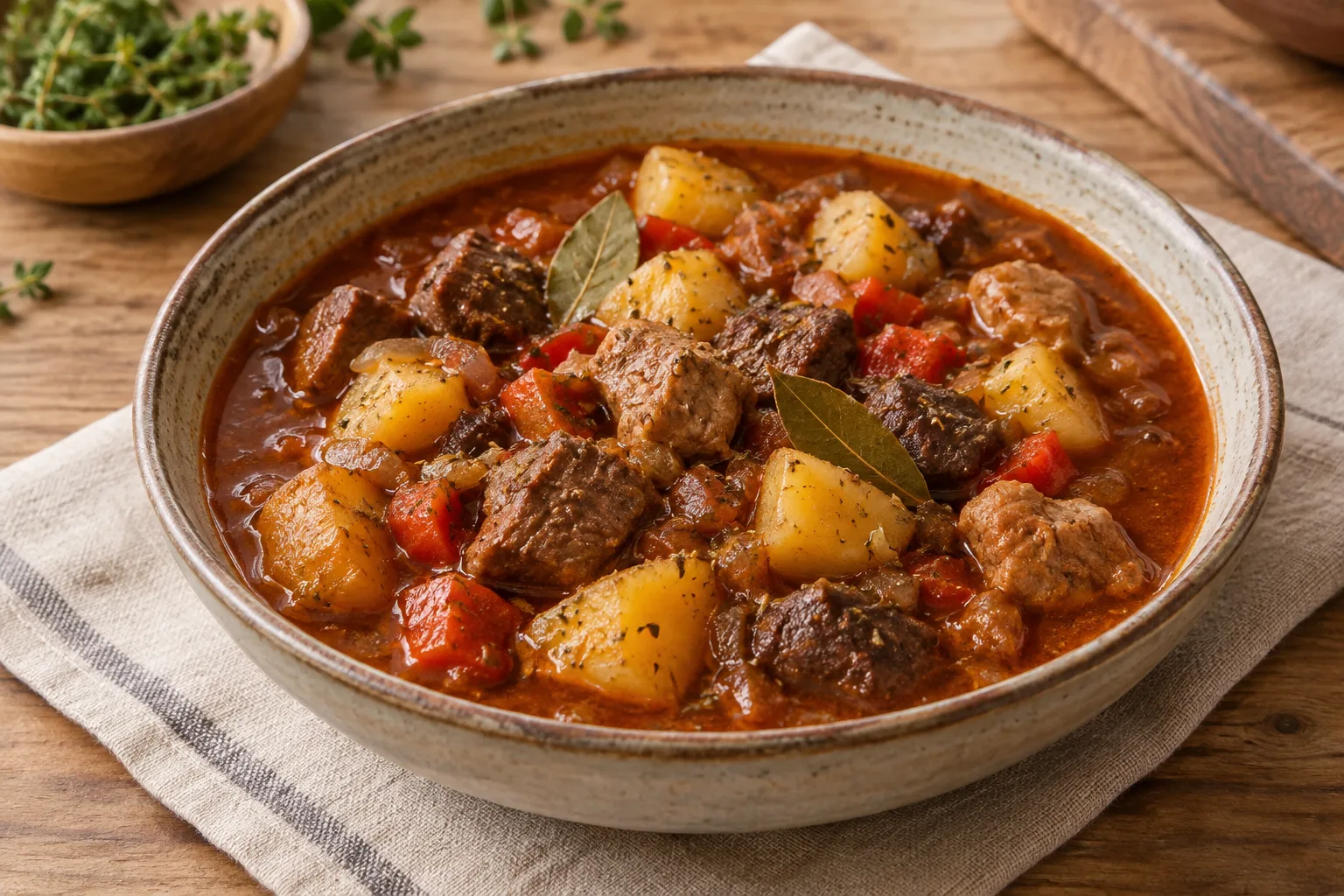
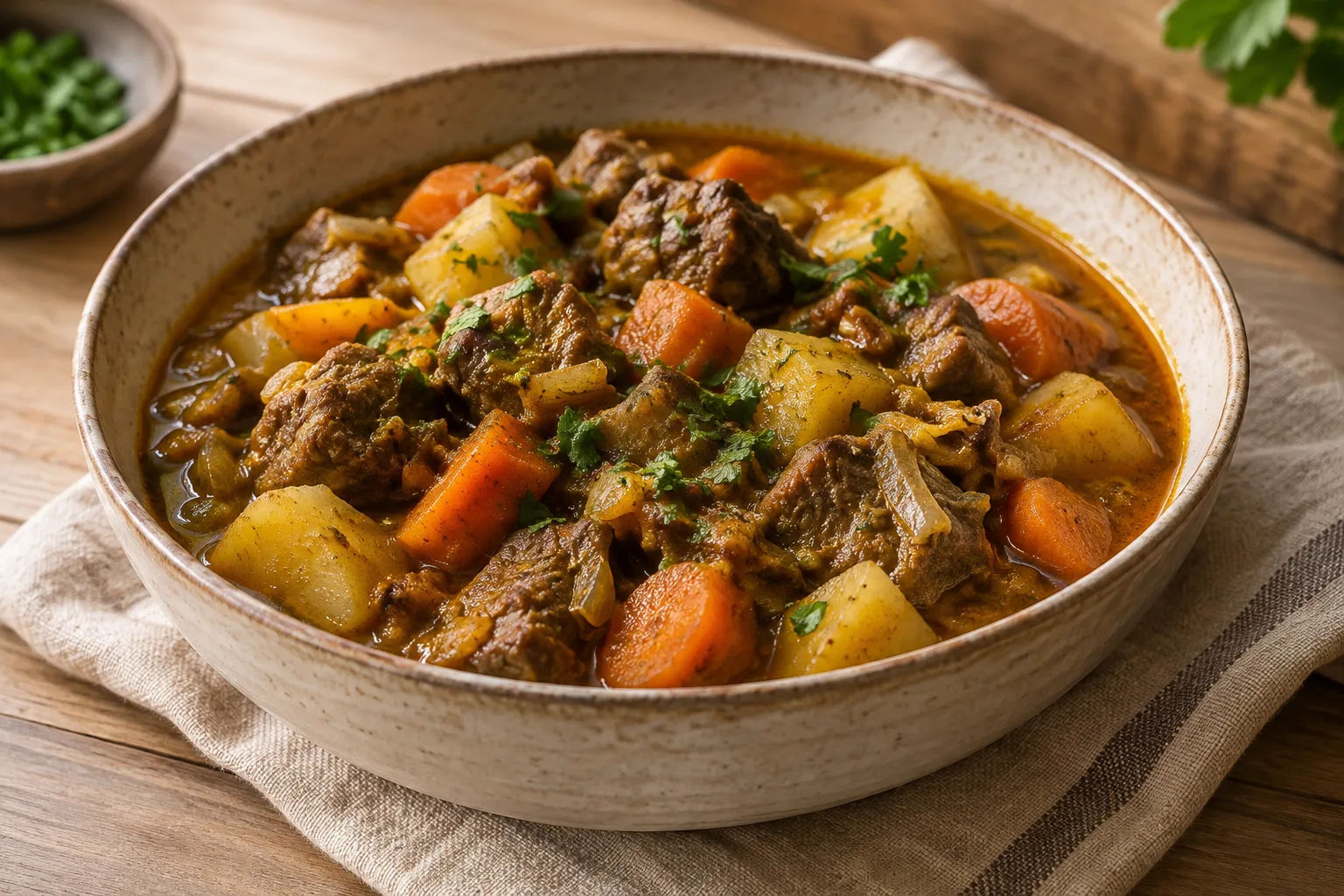
Use red wine when you want to add depth, acidity and aroma to stews, braises, dark sauces or marinades, especially when the other ingredients can stand up to a pronounced flavor. It can work well with red meat and hearty preparations; it is also used with pork, meatballs and some sauces. In delicate dishes, the color and flavor of red wine may be too assertive, so consider whether a lighter wine or a wine-free alternative would fit better. In a sauce, reduction or stew, begin with a modest amount and taste before adding more. If you need to avoid alcohol, do not rely on cooking alone to remove it: replace the wine with a suitable alternative.
How to use it
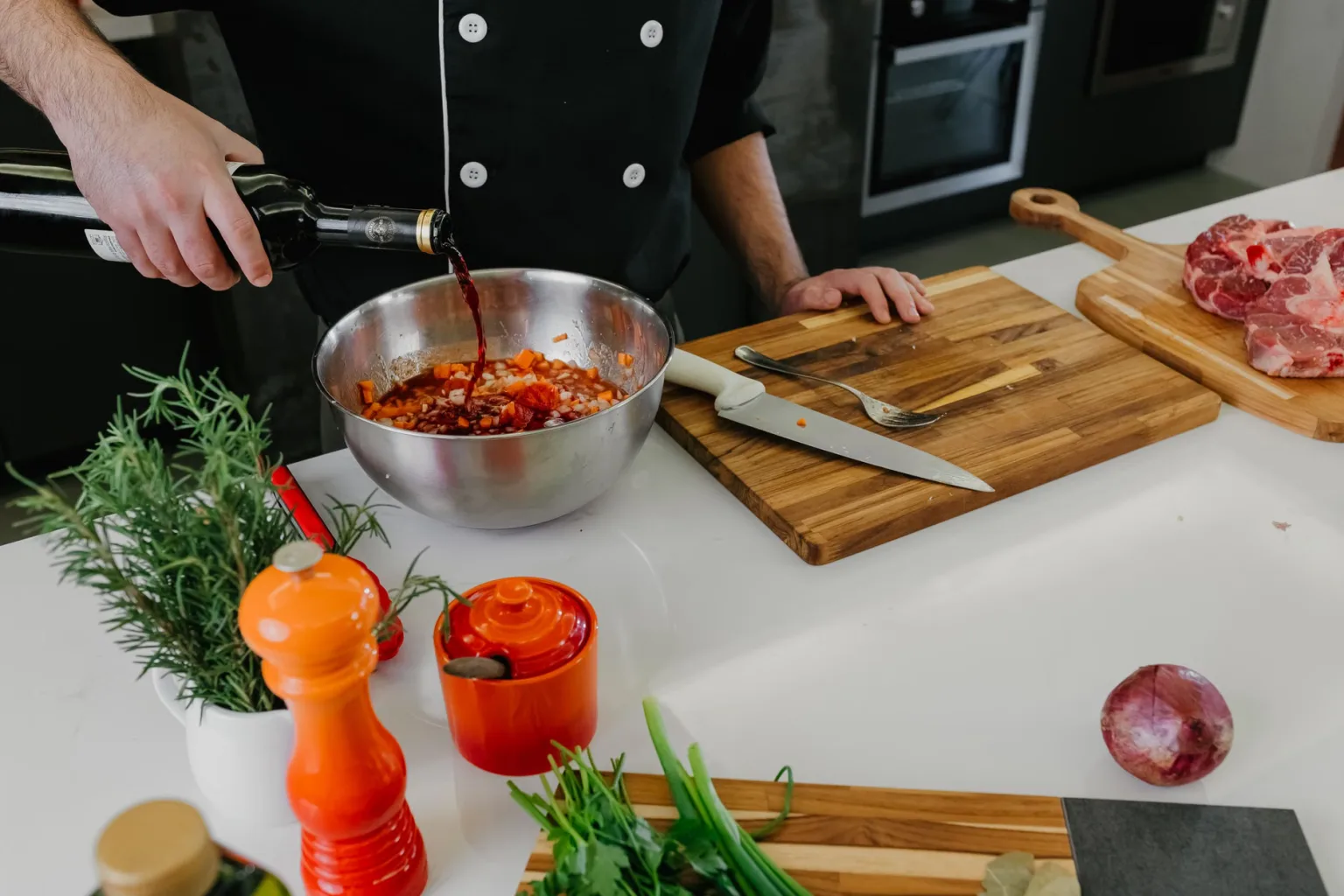
To deglaze, add wine to the pan after browning ingredients and stir to loosen the browned juices; then let the liquid become part of the sauce or stew. In a braise, use it as part of the cooking liquid and adjust it alongside stock and the other ingredients. For a marinade, combine it with aromatics and other recipe components; if raw meat is marinated, handle it hygienically and cook the food safely. You can also reduce wine to make a more concentrated sauce, tasting as you go so its flavor does not overpower the dish. Start with a small amount: the wine's acidity, color and character can become more pronounced as it reduces. Use a wine you enjoy drinking, not a spoiled bottle or a product labeled specifically for cooking if you dislike its flavor. If you need to avoid alcohol, replace the wine rather than assuming cooking removes it completely.
Flavour and texture
Red wine varies by style: it may offer fruit, spice or toasted notes, and range from light to intense. Its acidity can balance rich dishes and its color tints cooking liquids; reduction concentrates its aromas and flavors. Tannins can create a drying sensation, so a very assertive wine may overwhelm a delicate sauce. Taste the wine before adding it and check the dish again as it cooks.
How to choose it
Choose a red wine whose flavor you enjoy and that suits the recipe; an expensive bottle is not necessary for cooking. For savory dishes, consider a dry, balanced wine if you do not want to add sweetness. Red wines differ in acidity, intensity and tannin, and a very powerful style may dominate a sauce or stew. Read the label and do not use wine that has spoiled.
Storage
If you have wine left in an opened bottle, close it tightly and keep it in the refrigerator; aim to use it soon. The available evidence does not establish an exact storage period here, so do not assume it will remain in good condition for a set number of days. For an unopened bottle, follow its label directions and avoid conditions that could cause it to deteriorate.
Substitutions
To cook without red wine, try vegetable or meat stock with a little vinegar for depth and acidity, adding it gradually and tasting as you go. A non-alcoholic red wine suitable for cooking may retain some wine-like character, though the result depends on the product. No substitute exactly reproduces the color, aroma and flavor of red wine; adjust the recipe's other liquids and seasonings.
Common mistakes
Adding too much wine can make its acidity, color or flavor dominate a dish, especially as the liquid reduces. Avoid cooking with a bottle whose flavor you dislike or that has spoiled. Do not assume all red wines behave alike, or that cooking a dish with wine guarantees it will be alcohol-free. Taste and adjust before serving.
Safety and allergens
If you need to avoid alcohol, replace the wine rather than assuming cooking removes all of it. If a marinade has contacted raw meat, handle it hygienically and cook it as part of the preparation; do not reuse it uncooked.
Culinary uses
- Cooking liquid for stews and braises
- Base or flavoring for sauces and reductions
- Marinade ingredient for meat
- Table beverage
Recommended techniques
- Deglazing
- Braising and stewing
- Marinating
- Reducing into a sauce
Pairs well with
- Red meats and robust stews
- Pork and meatballs
- Rich or fatty dishes
- Cheeses with a similar intensity
Frequently asked questions
What red wine should I use for cooking?
Choose one whose flavor you enjoy and that suits the dish. For savory recipes, a dry, balanced wine can help avoid unintended sweetness.
Can red wine be used in a marinade?
Yes. It can be combined with aromatics and other recipe ingredients. If it contacts raw meat, handle it hygienically and cook the preparation safely.
Does the alcohol disappear when red wine is cooked?
Do not assume that it disappears completely. If you need to avoid alcohol, choose a wine-free alternative.
Ingredient allergens
Allergen listDepends on the product
-
Eggs
Red wine
-
Milk and milk products
Red wine
-
Sulphur dioxide and sulphites
Red wine
Sources and review
Automatically researched, cross-checked and validated content. Sources consulted:
- The Essential Glossary of Cooking Terms for the Culinary Arts - Escoffier www.escoffier.edu/blog/culinary-arts/the-essential-glossary-of-cooking-terms-for-the-culinar…
- ¿Quién decide qué es realmente un vino ‘natural’? doi.org/10.64628/aao.ehdw6ykvs
- Gastronomy and Geography of Southern Spain aquila.usm.edu/cgi/viewcontent.cgi?article=1349&context=honors_theses
- Recipes | Institute of Culinary Education www.ice.edu/blog/all/recipes
- El vino, también un ingrediente en tu cocina | Vivanco vivancoculturadevino.es/blog/2015/10/20/vino-ingrediente-cocina/
- HMGT2402 Goodlad Spring 2017 | "We Study Wine" | Page 6 openlab.citytech.cuny.edu/hmgt2402s17/page/6/?cat=-1
- Culinary Arts Degree Advanced Skills | ECPI University www.ecpi.edu/college-of-culinary-arts/degrees/culinary-arts-degree-advanced-skills
- El vino tinto y la gastronomía | masymas supermercados www.supermasymas.com/blog/el-vino-tinto-y-la-gastronomia/
- - YouTube www.youtube.com/watch?v=-WpTCldOm3Q
- Vino tinto para cocinar: Cuál elegir para tus recetas www.elalmacendepredicadores.com/vino-tinto-para-cocinar/
- Wine labelling - GOV.UK www.gov.uk/government/publications/wine-labelling/wine-labelling