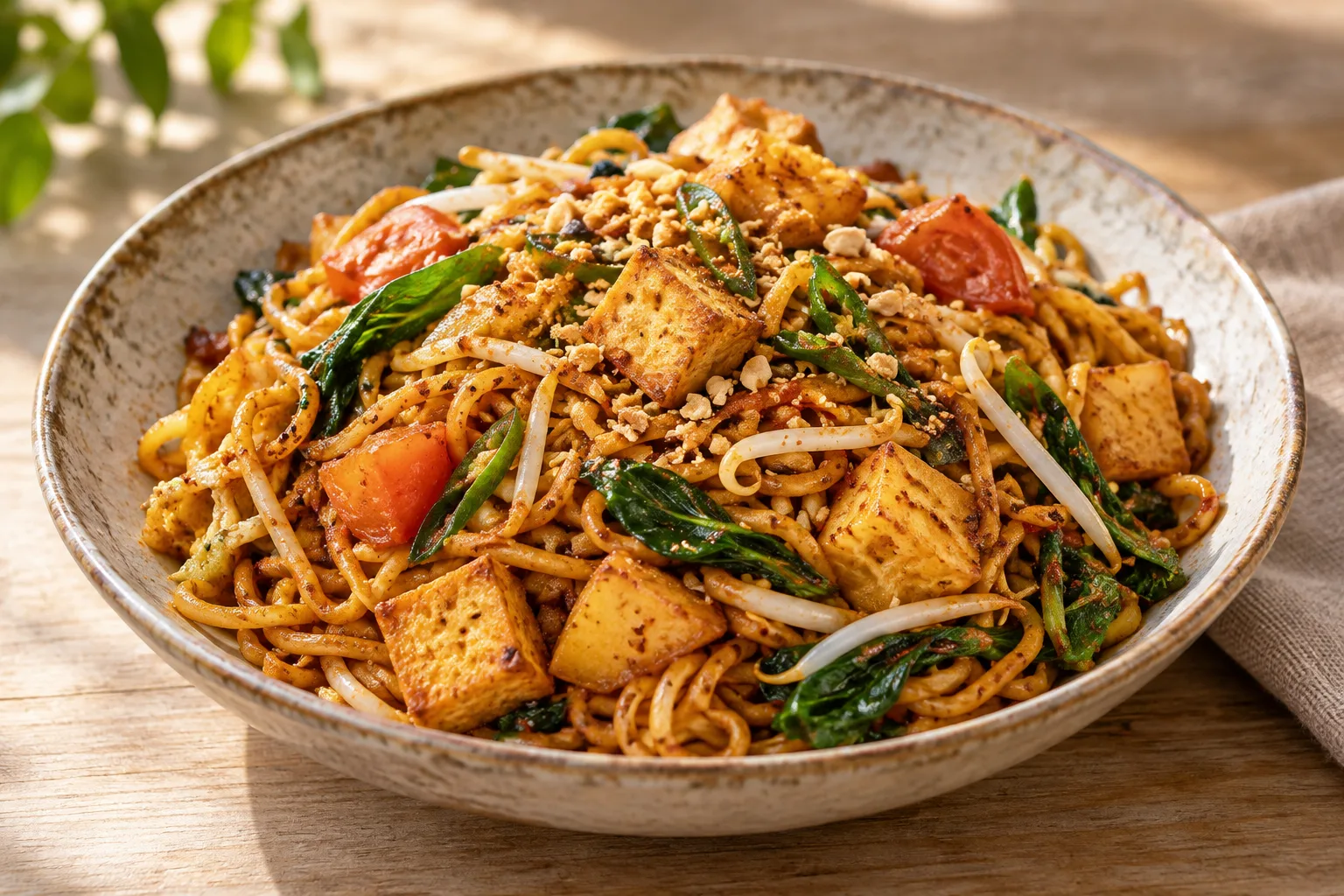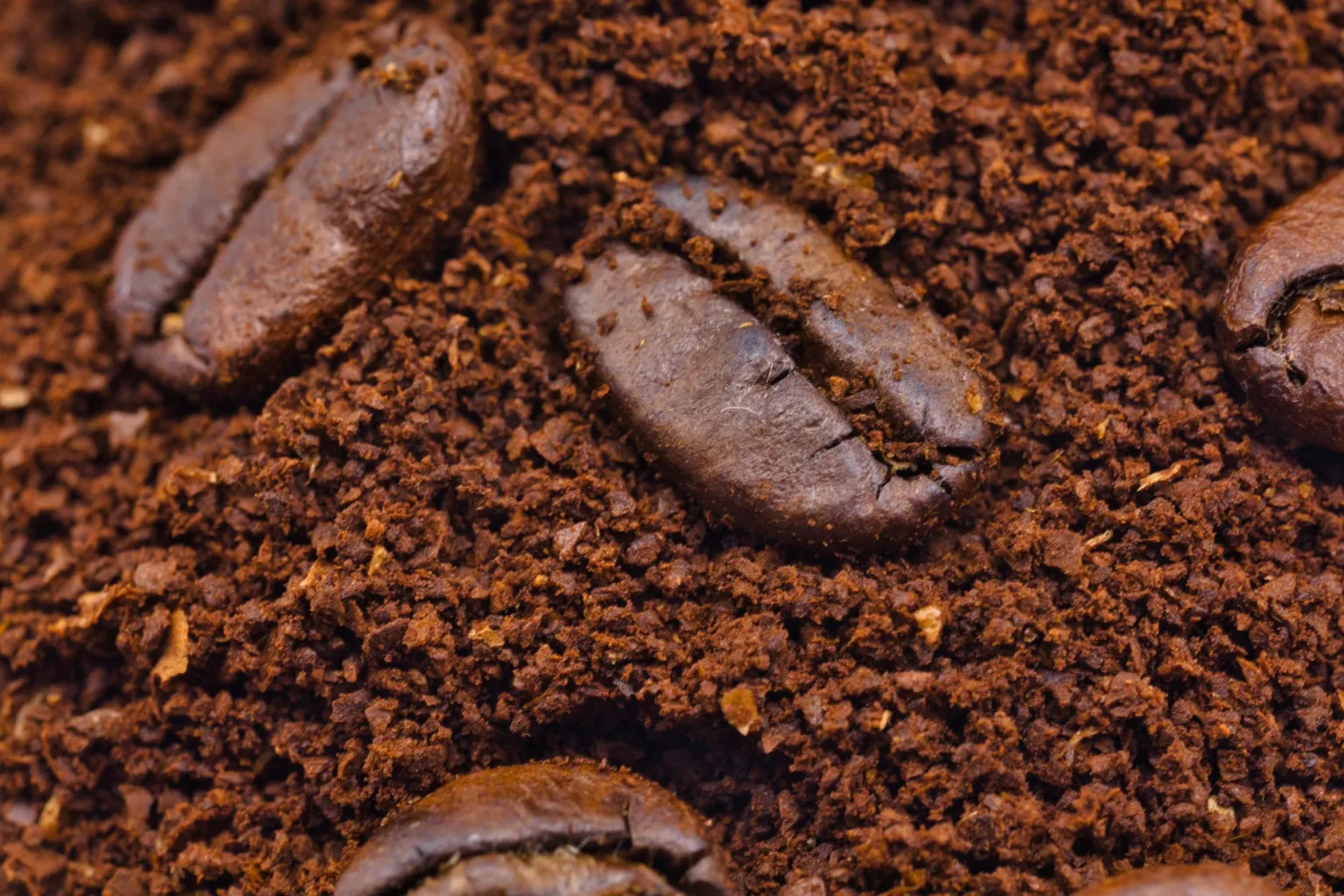
- Category
- Nuts and seeds
- State
- Powdered
- Usual unit
- tablespoon
What it is
Ground roasted peanuts are roasted peanut kernels crushed into fine particles or a coarser meal, depending on the grind. They have the characteristic toasted peanut flavour and can add flavour and body to a dish. They are not necessarily the same as peanut flour: flour may be made from roasted peanuts that have been ground and defatted, while ground peanuts may retain their natural fat. Particle size, moisture and the presence of salt or other ingredients depend on the product. Check the name and ingredient list on the package, especially if you need a plain product without additions.
When to use it
Use ground roasted peanuts when you want peanut flavour distributed through a dish rather than added in large pieces. They work in sauces and dressings, where they can add body, and in batters, toppings and sweets, where they pair with chocolate or caramel. They are useful for building flavour gradually: start with a small amount, mix and taste before adding more. The result depends on the grind and on whether the product contains salt, sugar or other ingredients.
How to use it
Gradually add ground peanuts to sauces, dressings or sweet mixtures, stirring until evenly distributed. For a sauce, start with a liquid base and add the powder until you reach the flavour and body you want; if it becomes too thick, add liquid gradually and mix again. You can also incorporate it into batters, toppings or fillings for toasted peanut flavour, taking care to prevent lumps. Peanut butter can replace ground peanuts in a sauce, but the texture will be more creamy; adjust the liquid a little at a time. For confectionery such as nougat, ground almonds can be another option, with a different flavour and texture.
Flavour and texture
The flavour is distinctly toasted and recognisably peanut-like. Texture depends on the grind: it may be fine and easy to mix, or coarser with small pieces you can feel. When added to liquid, it can give a dish body; the degree of thickening depends on the amount used and the product’s formulation. Roasted peanuts are also used in spreads, sauces and sweet preparations.
How to choose it
Choose a product clearly labelled as ground roasted peanuts and check the ingredient list to see whether it contains only peanuts or also salt, sugar, oil or other additions. Particle size can vary and affect the texture of your recipe. Check that the package is intact and read its allergen information. If cooking for someone with an allergy, do not assume that a different product or a bulk-prepared ingredient is suitable: check its composition and the information provided.
Storage
Keep the product sealed in a cool, dry place and follow the specific package instructions. A tightly closed container helps limit exposure to moisture and preserve aroma. Avoid leaving the powder open near heat or sources of moisture. Do not use it if its smell, appearance or texture has changed. Storage instructions can differ between products, particularly when they contain added ingredients.
Substitutions
In sauces, peanut butter can serve a similar role and add peanut flavour, but it is creamier than the powder; add liquid gradually to adjust the texture. In nougat and some confectionery, ground almonds can replace peanuts, although the result will have a different flavour and texture. There is no universal equivalent: adjust to the recipe and the product.
Common mistakes
Adding all the powder at once can leave lumps or make a sauce too thick. Add it gradually and adjust the consistency with liquid a little at a time. Another mistake is assuming every product is plain peanuts: commercial versions may contain salt, sugar, oil or other ingredients, so read the label before cooking.
Safety and allergens
Peanuts are an allergen that must be declared when used as an ingredient in food sold in the EU. If you have a peanut allergy, avoid this ingredient and check the information for the specific product and preparation. Composition and labelling can vary between brands.
Culinary uses
- Aportar sabor tostado y textura a salsas y aderezos
- Añadir sabor y textura a preparaciones dulces
Recommended techniques
- Mezclar en salsas y aderezos; añadir líquido poco a poco para ajustar la consistencia
- Incorporar molido a masas, coberturas o mezclas dulces
Pairs well with
- Chocolate y caramelo
- Salsas para pollo o cerdo, y aderezos para ensalada
Frequently asked questions
Are ground roasted peanuts the same as peanut flour?
Not necessarily. Peanut flour may be made from roasted peanuts that are ground and defatted; ground peanuts may retain their natural fat. Check the product description and ingredient list.
How can I prevent lumps in a sauce?
Add the powder in small amounts while stirring. If the sauce becomes too thick, gradually mix in liquid until it reaches the consistency you want.
Which allergen does this ingredient contain?
It contains peanuts, which are among the allergens that must be declared in the EU when used as an ingredient. Check the label of the specific product as well.
Ingredient allergens
Allergen listDocumented presence
-
Peanuts
Roasted groundnuts, ground
Sources and review
Automatically researched, cross-checked and validated content. Sources consulted:
- Client Challenge doi.org/10.2307/jj.27939689.16
- Mantequilla de cacahuete - Wikipedia, la enciclopedia libre es.wikipedia.org/wiki/Mantequilla_de_cacahuete
- Usos del cacahuete en la cocina y en la industria | Itac Professional www.itac-professional.com/blog/cacahuete-industria-alimentaria/
- Cacahuetes: qué son, origen, propiedades nutricionales y usos en la cocina www.abc.es/recetasderechupete/cacahuetes-que-son-origen-propiedades-nutricionales-y-usos-en-…
- Cacahuete: qué es, propiedades y usos culinarios bonviveur.com/es/noticias/cacahuete
- Cacahuete: propiedeades y beneficios del falso fruto seco que también sirve para cocinar www.lavanguardia.com/magazine/buena-vida/20210917/7697917/cacahuete-saludable-legumbre-sabia…
- El universo de los sentidos: sabores, colores y olores del Nuevo Mundo | OpenAlex openalex.org/W2189936295
- Allergies - Food Safety - European Commission food.ec.europa.eu/food-safety/campaign-2026/allergies_en
- Food Allergies | FDA www.fda.gov/food/nutrition-food-labeling-and-critical-foods/food-allergies
- Food allergen labelling and information requirements technical guidance - GOV.UK www.gov.uk/government/publications/food-allergen-labelling-and-information-requirements-tech…
- Advertencia para personas con alergia al cacahuete: Presencia de cacahuete no declarado en uno de los campos del etiquetado en helado procedente de España (Ref. ES2026/575) www.aesan.gob.es/alertas/2026_68
- Cacahuete: Descubre todos sus secretos | Just Spices | JUST SPICES® www.justspices.es/blog/cacahuete-descubre-sus-secretos
- Cacahuetes: propiedades, beneficios y cómo elegir los mejores para tus recetas dulces aliciascake.es/cacahuetes-propiedades/
- Cacahuetes. Propiedades y beneficios - Blog Life Pro Nutrition www.lifepronutrition.com/blog/general/cacahuetes-conoce-sus-multiples-propiedades-y-benefici…
- Cacahuate: propiedades, beneficios y su papel en los mejores dulces y recetas artesanales doncaramelo.es/cacahuate-propiedades/