- Category
- Grains, flour and pasta
- State
- Powdered
- Usual unit
- kg
What it is
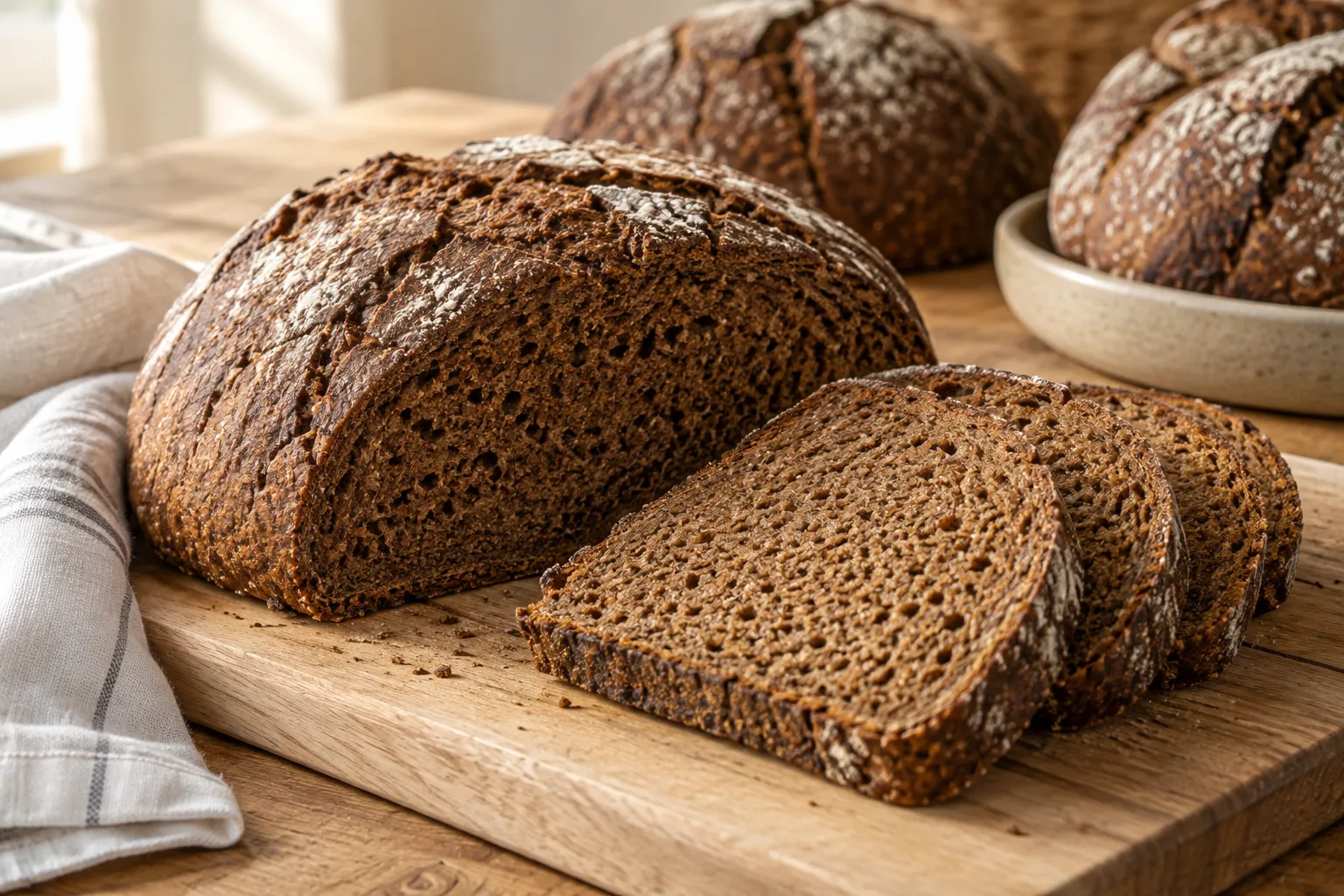
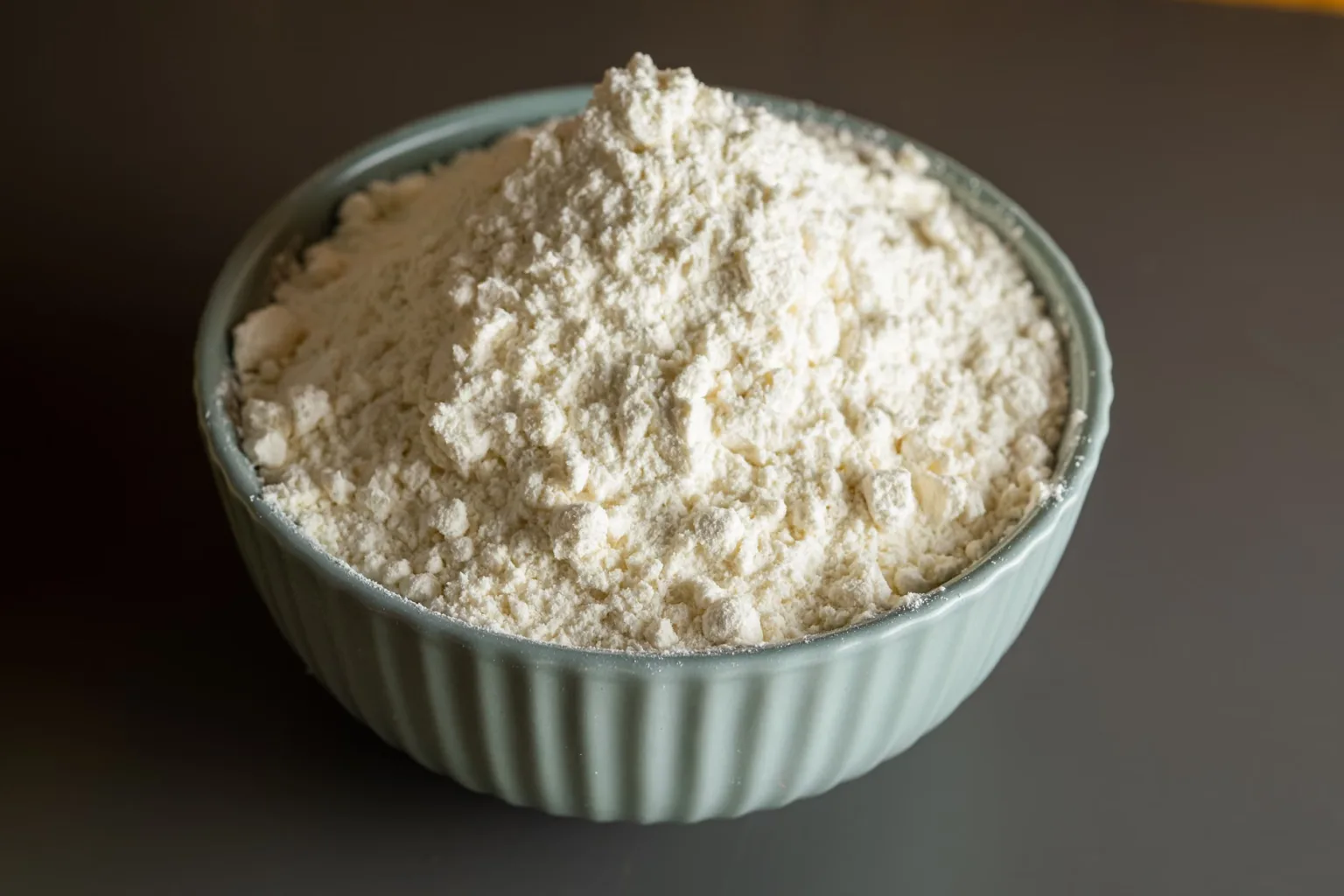
Rye flour is the powdered product of milling rye grain, a cereal. It is sold in different extraction and milling grades: lighter versions may contain mostly endosperm, while darker varieties retain more of the outer parts of the grain. As a result, color, texture, and baking behavior can vary by product. Rye flour is commonly used for rye breads and fermented doughs, either on its own in recipes designed for it or blended with wheat flour. Rye contains gluten proteins, so rye flour is not suitable for people with coeliac disease.
When to use it
Choose rye flour when you want a distinctive, robust cereal flavor in bread, rolls, or fermented dough, or when you want to include rye in a mixed-flour loaf. A lighter flour may suit a less dark result, while wholegrain or coarser options provide a more pronounced character. Rye flour can also be used in biscuits, pancakes, pasta, or pizza dough, although the proportions and results depend on the recipe. If you want a lighter, more elastic crumb, blending it with wheat flour can be an option.
How to use it
Weigh the flour according to your recipe and combine it with the other dry ingredients before adding liquids, unless the recipe specifies another method. For bread, use rye flour alone in a formula designed for rye, or blend it with wheat flour if you want a less dense, more elastic crumb; the result depends on the flour type and proportion. It can also be used in rolls, pancakes, biscuits, pasta, and pizza dough. Do not assume every rye flour absorbs liquid in the same way or that a direct substitution will work unchanged: follow the recipe and adjust the dough as needed. Do not serve it to someone with coeliac disease.
Flavour and texture
Rye flour has a pronounced cereal flavor, which can seem tangy or toasted in baked goods. Its color ranges from pale to dark brown depending on milling and extraction. Breads made with a high proportion of rye tend to be denser and less elastic than wheat breads, so the same crumb structure should not be expected.
How to choose it
Read the product name and package information to identify whether the flour is light, medium, wholegrain, or another grind. Color alone does not replace the label: extraction and fineness can vary from one product to another. Check the ingredient list and allergen information, particularly for premixed products or flour sold in bulk. Choose a texture suited to your recipe and follow any product-specific directions.
Storage
Follow the storage directions on the package and protect the flour from moisture and contamination by other foods. If you transfer it to another container, use one that is clean and tightly closed, and label it so it is not confused with other flours. There is no single storage duration that applies to every product; check the package date and conditions, and discard the flour if it shows signs of deterioration.
Substitutions
Wheat flour can replace some rye flour in certain doughs, but it changes the flavor and structure of the bread. Barley flour is another cereal flour that may be considered depending on the recipe, but an exact equivalence should not be assumed. Adjust proportions and liquid according to the formula. A substitution does not make a recipe suitable for someone with coeliac disease if rye remains in it.
Common mistakes
Expecting a dough made with a high proportion of rye to have the same elasticity, volume, and crumb as wheat dough can lead to a different-than-expected result. Another common mistake is treating light, wholegrain, and coarse rye flours as identical or substituting them without considering the recipe. Check the label too: rye contains gluten and is unsuitable for people with coeliac disease.
Safety and allergens
Rye contains gluten. Do not use rye flour for someone with coeliac disease. Check the label and allergen information, especially for blends, bulk products, or preparations with multiple ingredients. Follow the package directions for storage and use.
Culinary uses
- Main flour for rye breads and sourdough loaves
- Flavoring and partial flour in baked goods, pancakes, pasta, and pizza dough
Recommended techniques
- Mix with wheat flour when a lighter, more elastic loaf is desired
- Use in sourdough and other fermented doughs
- Choose the grind and extraction level to suit the intended crumb and flavor
Pairs well with
- Wheat flour in mixed-grain bread dough
- Dark beer in rye rolls
- Sourdough cultures in rye bread
Frequently asked questions
Does rye flour contain gluten?
Yes. Rye contains gluten proteins, so rye flour is not suitable for people with coeliac disease.
Why does rye flour come in different colors?
Its color can vary with the extraction level and how much of the grain is retained during milling.
Can rye flour be blended with wheat flour?
Yes. Blending the two is an option for some breads and can produce a lighter, more elastic crumb than a dough with a very high proportion of rye.
Ingredient allergens
Allergen listThere are no verified associations for these ingredients yet.
Estimated nutrition
- Fat
- 3.33 g
- Saturates
- 0 g
- Carbohydrate
- 73.3 g
- Sugars
- 0 g
- Fibre
- 16.7 g
- Protein
- 10 g
- Salt
- 0 g
Sources and review
Automatically researched, cross-checked and validated content. Sources consulted:
- En el etiquetado alimentario hay algunas menciones que son obligatorias eletiquetadocuentamucho.aesan.gob.es/obligatoria.html
- Harina - Wikipedia, la enciclopedia libre es.wikipedia.org/wiki/Harina
- Evaluación de harina de amaranto como ingrediente antioxidante para la preparación de matrices alimentarias funcionales doi.org/10.35537/10915/162211
- Washington State Food Access English-Spanish Glossary wpcdn.web.wsu.edu/wp-snaped/uploads/sites/2/2025/10/Food-Access-Spanish-Glossary.pdf
- NUTRITION IN ACTION Beans & Peas • Frijoles & ... www.stonybrookmedicine.edu/sites/default/files/Grocery_List_FAM.pdf
- Harina de centeno: qué es y en que nueve recetas aprovechar al máximo sus propiedades www.directoalpaladar.com/ingredientes-y-alimentos/harina-centeno-que-que-nueve-recetas-aprov…
- Publicaciones de Seguridad alimentaria www.aesan.gob.es/actualidad/publicaciones-seguridad-alimentaria
- Cocina Fácil de la Despensa a la Mesa Enlaces de Nutrición - Número # 2 extension.psu.edu/cocina-facil-de-la-despensa-a-la-mesa-enlaces-de-nutricion-numero-2/
- Food & Fun Afterschool - Whole Grains Parent Handout hsph.harvard.edu/wp-content/uploads/2024/10/Food-Fun-Parent-Handout-Whole-Grains.pdf
- Low-Fiber Diet – Spanish - Health Online healthonline.washington.edu/sites/default/files/record_pdfs/Low-Fiber-Diet-SP.pdf
- ELABORACIÓN DE PAN DE HARINA DE CENTENO, AVENA ... biblioteca.galileo.edu/tesario/handle/123456789/2098
- Asuntos Familiares jeffco.extension.colostate.edu/wp-content/uploads/sites/6/2022/02/February-2022-Spanish-Fami…
- Harina de centeno | Gastronomía & Cía www.gastronomiaycia.com/harina-de-centeno/amp/
- Food allergen labelling and information requirements technical guidance - GOV.UK www.gov.uk/government/publications/food-allergen-labelling-and-information-requirements-tech…