- Category
- Drinks
- State
- Liquid
- Usual unit
- tablespoon
What it is
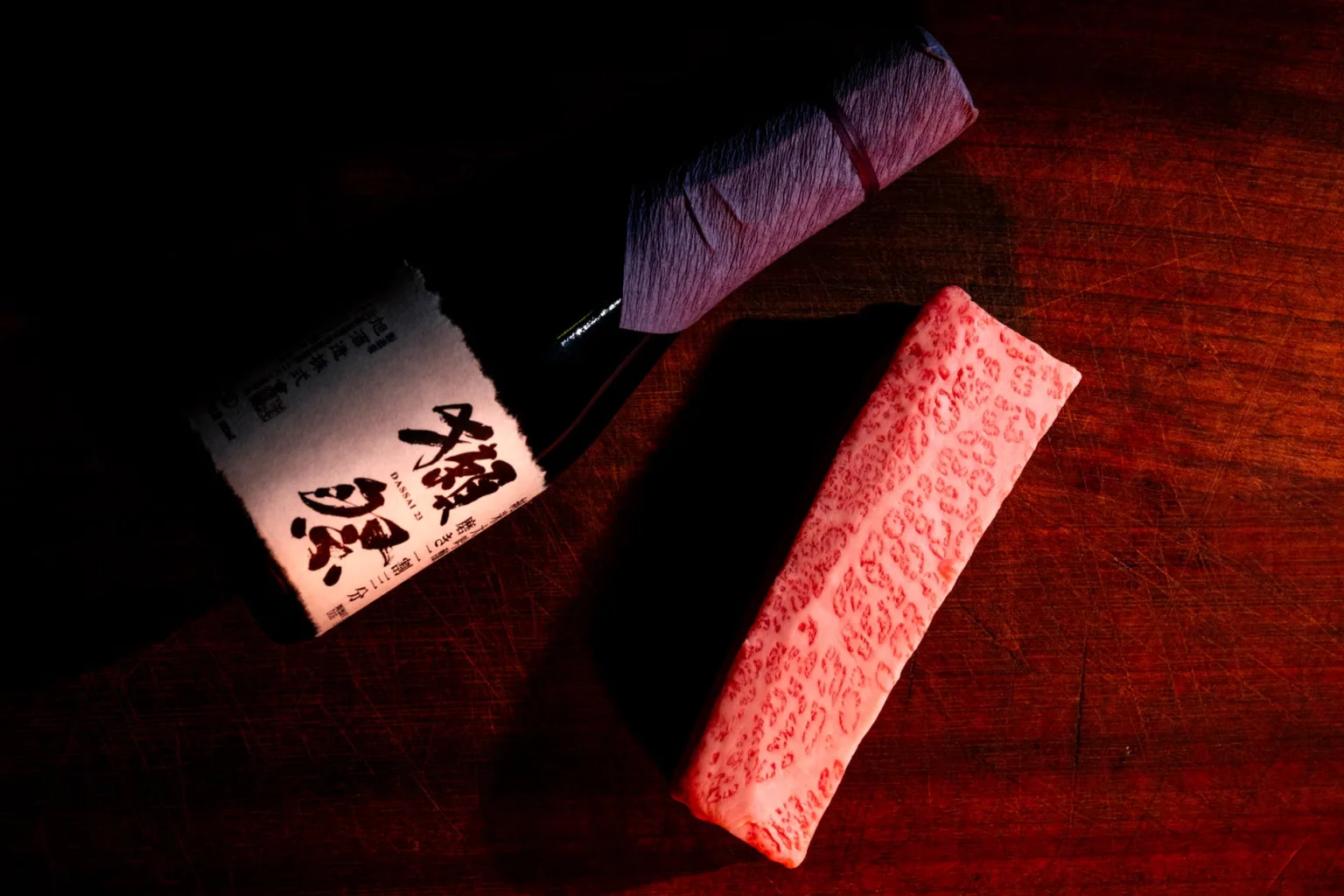
Sake, also called nihonshu in Japan, is a fermented beverage made primarily from rice, water, and koji, a culture that helps turn rice starch into fermentable sugars. Although it is often called rice wine, its production is a fermentation process rather than winemaking from grapes. Rice polishing, filtration, and other production choices create distinct styles. Some sake is clear and bright; other styles, such as nigori, retain rice particles and look cloudy. Aroma, flavor, and mouthfeel can vary considerably, so the word “sake” does not describe one single profile.
When to use it
Serve sake when you want a fermented beverage alongside a meal or want to compare styles in a tasting. Pair delicate styles with moderately flavored dishes and try more expressive styles with foods of stronger character. Sake is not limited to Japanese cuisine: it can accompany sushi, sashimi, tempura, fish, seafood, and some cheeses. Serving temperature also shapes the experience; some sake is enjoyed chilled, while other styles may be served at room temperature or warm. Choose according to the style stated on the bottle and your own preferences.
How to use it
Check the label for the style and serving guidance, then pour a small amount so you can notice the aroma and flavor before pairing it with food. Sake may be served chilled, at room temperature, or warm; there is no single suitable temperature for every style. Taste it on its own first and then with a bite of food, noticing whether the drink complements or overwhelms the dish. For a simple tasting, compare clear, filtered sake with cloudy nigori: their appearance and texture can differ. At the table, match the drink's intensity to the food and choose according to your own taste rather than treating pairing as a strict rule.
Flavour and texture
Sake does not have one fixed flavor. Depending on the style, it can be delicate or more pronounced, with differences in aroma, perceived sweetness, and mouthfeel. Filtered sake is usually clear; nigori retains rice particles and appears cloudy. Carbonated and aged versions also exist. These variations make it useful to assess each bottle on its own instead of assuming all sake tastes alike.
How to choose it
Choose a bottle with a clear label that identifies its style. Sake varies widely between styles and producers, so select it for the profile you want to explore rather than relying only on the general name of the beverage. For a clear appearance, look for a filtered style; for a cloudy drink with rice particles, consider nigori. Check the producer's storage and serving directions as well.
Storage
Follow the storage directions on the label, since needs can differ by style. Some unpasteurized sake is less stable in aroma and flavor than pasteurized sake, so following the producer's guidance is especially important. Once the bottle is open, check its label for storage and use instructions rather than assuming all sake keeps in the same way.
Substitutions
If you do not have the named style, another sake can be an alternative, although its aroma, flavor, and texture may differ. A clear sake can replace another clear style; nigori may suit a situation where a cloudy drink with rice particles is wanted. These are not identical swaps, so choose the alternative that best fits the dish and the experience you want.
Common mistakes
Do not assume all sake is the same or that it must always be served hot or always chilled. Style affects appearance, aroma, and texture, and temperature can change how the drink is perceived. Pairings are not limited to sushi: try sake with fish, seafood, tempura, or cheese, and judge the balance between the drink and the dish.
Safety and allergens
Sake is an alcoholic beverage. If you avoid alcohol, do not consume it, and check the label if you are unsure about a product. Follow the producer's storage directions, particularly for unpasteurized sake.
Culinary uses
- Fermented beverage served with food
- Tasting drink for comparing fermentation styles
- Pairing drink for Japanese and other cuisines
Recommended techniques
- Serve chilled, at room temperature, or warm according to the style and preference
- Compare filtered and cloudy styles to notice differences in appearance and mouthfeel
- Match the intensity of the sake to the intensity of the dish
Pairs well with
- Sushi and sashimi
- Seafood and fish
- Tempura
- Cheese
Frequently asked questions
Is sake rice wine?
Sake is a fermented rice beverage, but it is not made like grape wine. Its production is a fermentation process more comparable to other brewed beverages.
Is sake always served warm?
No. It may be served chilled, at room temperature, or warm. The choice depends on the style, the bottle's guidance, and your preference.
What is nigori sake?
Nigori is a cloudy style that retains rice particles, giving it a different appearance and texture from clear, filtered sake.
Ingredient allergens
Allergen listThere are no verified associations for these ingredients yet.
Estimated nutrition
- Fat
- 0 g
- Saturates
- 0 g
- Carbohydrate
- 3.33 g
- Sugars
- 3.33 g
- Protein
- 0 g
- Salt
- 1.33 g
Sources and review
Automatically researched, cross-checked and validated content. Sources consulted:
- Sake Samurai with Roger Dagorn | Institute of Culinary Education www.ice.edu/blog/sake-samurai-with-roger-dagorn
- ACF Professional Culinary Competition Manual www.cincinnatistate.edu/wp-content/uploads/2024/05/Culinary-Competition-Manual.pdf
- Storing Home Canned Foods - National Center for Home Food Preservation nchfp.uga.edu/how/can/general-information/storing-home-canned-foods/
- DESCUBRE EL ARTE DEL MARIDAJE CON SAKE sushisom.net/blog-sushisom/descubre-el-arte-del-maridaje-con-sake
- Principios de maridaje de sake y alimentos | hogar www.vintecclub.com/es-la/articulos-de-vino/consejos-de-sommelier/principios-de-emparejamient…
- Trucos para maridar sake correctamente - Kenshô www.kenshosake.com/maridar-sake/
- Sake y queso: cómo el aroma, la textura y el umami definen el maridaje – We are wine defender winedefender.org/es/sake-meets-cheese-how-aroma-texture-and-umami-shape-the-pairing-2/
- Estilos y variedades de sake y cómo maridarlos - Japonismo japonismo.com/blog/estilos-y-variedades-de-sake
- Sake: Historia, técnica y maridajes de un elixir japonés – Vinos y Pasiones | Historias y sabores vinosypasiones.com/2025/10/01/sake-historia-tecnica-y-maridajes-de-un-elixir-japones/