- Category
- Fish and seafood
- State
- Preserved
- Usual unit
- g
What it is
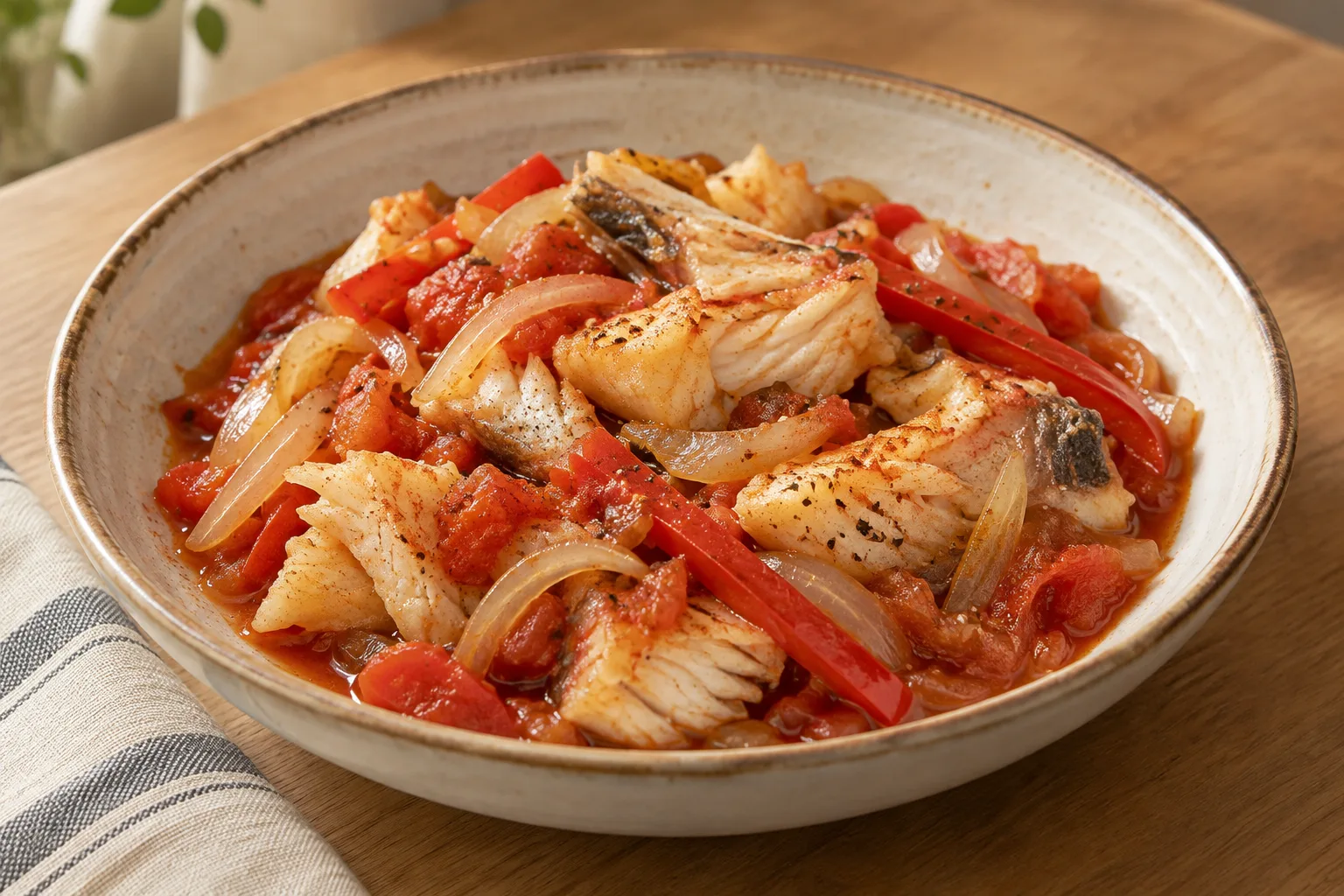
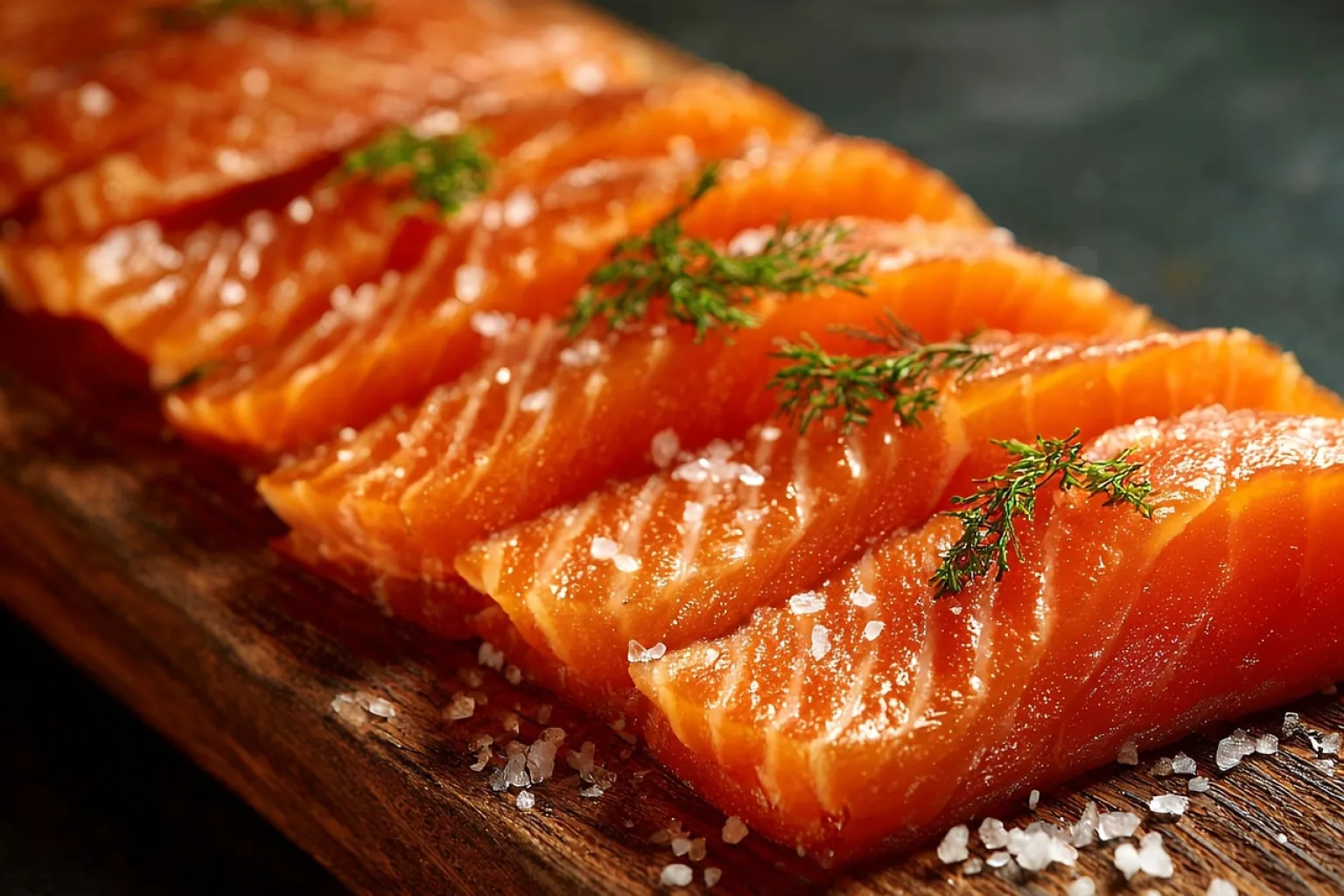
Salted fish is fish prepared with salt as part of its preservation. It can be made from different species; examples include tuna, mackerel and sardine. Depending on the fish and its size, it may be cut into pieces or left whole. One traditional preparation layers fish with salt and may add brine and a weight, but methods and timing vary by fish and product. “Salted fish” therefore does not describe one species, texture or level of saltiness. It is not the same as fresh fish cooked beneath a crust of salt: in salted fish, salt is part of the ingredient’s treatment before it is cooked or served.
When to use it
Use salted fish when you want a pronounced salty flavor in a dish, or serve it cold in thin slices as an appetizer. For stews and salads, desalt it beforehand if the product is very salty or the recipe calls for it; the amount of desalting needed depends on the piece. Because species and product forms vary, taste carefully before adding salt to the rest of the dish. It is not a direct like-for-like choice when a recipe needs mild-tasting fresh fish.
How to use it
First read the label and package instructions, since the cut and salt level can vary. If the product needs desalting, follow its specific directions; the available evidence does not establish one universal soaking time. Drain it and taste it before seasoning the dish. Add it in flakes or pieces to stews and salads, allowing its flavor to spread without overwhelming the other ingredients. To serve it cold, slice it thinly and pair it with a little oil or bread. Do not automatically salt the recipe: taste the fish and the finished preparation first.
Flavour and texture
Salted fish generally brings a pronounced, savory saltiness, but intensity depends on the species, cut and treatment. Texture also varies between whole fish and cut pieces. Thin slices work well for cold serving, while pieces can give stews or salads more substantial bites. Taste the product before cooking to judge its saltiness.
How to choose it
Choose a product clearly identified as salted fish and check the species, form, and preparation and storage directions. Make sure the package is intact and the label is clear about how to use it. Saltiness and presentation vary, so do not assume that two products can be exchanged in equal amounts without adjusting the recipe.
Storage
Store the product according to its package directions, including any instructions for after opening. There is no universal storage period that applies to every species, cut and salting method. If clear directions are missing, ask the seller or manufacturer before storing or eating it; do not infer its shelf life from the fact that it is salted.
Substitutions
Another salted fish may stand in for it, but the species, texture and saltiness will differ. Unsalted fish can provide fish in a dish, but it will not reproduce the preserved flavor; adjust seasoning separately and taste before adding salt.
Common mistakes
A common mistake is salting the dish before tasting the fish. Another is assuming all salted fish have the same flavor or need the same preparation. Desalt it when appropriate, but follow the product directions: no universal timing is established here.
Safety and allergens
Buy salted fish intended for consumption and follow the package’s storage and preparation instructions. Salting alone does not establish that every product or storage practice is safe; if directions are missing or unclear, ask the seller or manufacturer.
Culinary uses
- Salty, savory ingredient for stews and salads
- Cold appetizer served in thin slices
Recommended techniques
- Desalting before cooking or serving, when needed
- Slicing thinly for cold servings
- Salt-curing, with salt layers and sometimes brine, as a preservation preparation
Pairs well with
- Olive oil
- Bread
- Salads
- Stews
Frequently asked questions
Does salted fish always need desalting?
Not necessarily. Depending on the product and recipe, it may be served cold or used in a dish after desalting. Follow the package directions and taste a small portion before seasoning.
Which fish may be sold salted?
Examples include tuna, mackerel and sardine. Check the label to confirm the species in the product you buy.
How can I serve salted fish?
Serve it cold in thin slices, for example with oil or bread, or desalt it first and add it to stews or salads.
Ingredient allergens
Allergen listThere are no verified associations for these ingredients yet.
Estimated nutrition
- Fat
- 25.1 g
- Saturates
- 7.15 g
- Carbohydrate
- 0 g
- Sugars
- 0 g
- Fibre
- 0 g
- Protein
- 18.5 g
- Salt
- 11.12 g
Sources and review
Automatically researched, cross-checked and validated content. Sources consulted:
- Gastronomía de la provincia de Valencia - Wikipedia, la enciclopedia libre es.wikipedia.org/wiki/Gastronom%C3%ADa_de_la_provincia_de_Valencia
- Agencia Española de Seguridad Alimentaria y Nutrición www.aesan.gob.es/
- Kimchi casero: guía científica para una fermentación segura | CAES Field Report fieldreport.caes.uga.edu/publications/C1362-SP/kimchi-casero/
- ¿Por qué el mar es salado? doi.org/10.64628/aao.gqqdwagtm
- Encounters with Animals in the New World A Dissertation ... trace.tennessee.edu/server/api/core/bitstreams/22ca24a7-cbb5-410c-b2f7-7a631bd722e1/content
- Estudio de la actividad antioxidante de diversas plantas ... upcommons.upc.edu/bitstreams/2ba9295d-50ba-4beb-8513-47ed2974095a/download
- Growing Raspberries in Your Home Garden | Servicio de Extensión de OSU extension.oregonstate.edu/es/catalog/ec-1306-growing-raspberries-your-home-garden
- Diferencia entre revisiones de «Pescados salados» - EcuRed www.ecured.cu/index.php?diff=3447452&oldid=2169782&title=Pescados_salados
- Formas de cocinar pescado | Peix a Casa www.peixacasa.cat/es/blog/formas-de-cocinar-pescado/?srsltid=AYCX9vJa0C8i2rCrPBBWA4ejqSEKeir…
- Cómo cocinar pescados y mariscos. Técnicas de cocina www.directoalpaladar.com/curso-de-cocina/como-cocinar-pescados-y-mariscos-tecnicas-de-cocina
- Food allergen labelling and information requirements technical guidance - GOV.UK www.gov.uk/government/publications/food-allergen-labelling-and-information-requirements-tech…