- Category
- Sauces and condiments
- State
- Paste
- Usual unit
- tablespoon
What it is
Sambal paste is a thick chili condiment, but the name covers many different preparations. Some versions are simple and focus on chili; others include ingredients such as garlic, onion, vinegar, sugar or shrimp paste. Sambal therefore has no single standard recipe, fixed heat level or universal ingredient list. It can be served as a condiment, added during cooking, or used as a starting point for other sambals and dishes. Its texture varies too: a crushed paste may retain small pieces, while some commercial products are more uniform. Check the variety and the ingredient list on each container before using it, especially when heat level or a particular ingredient matters.
When to use it
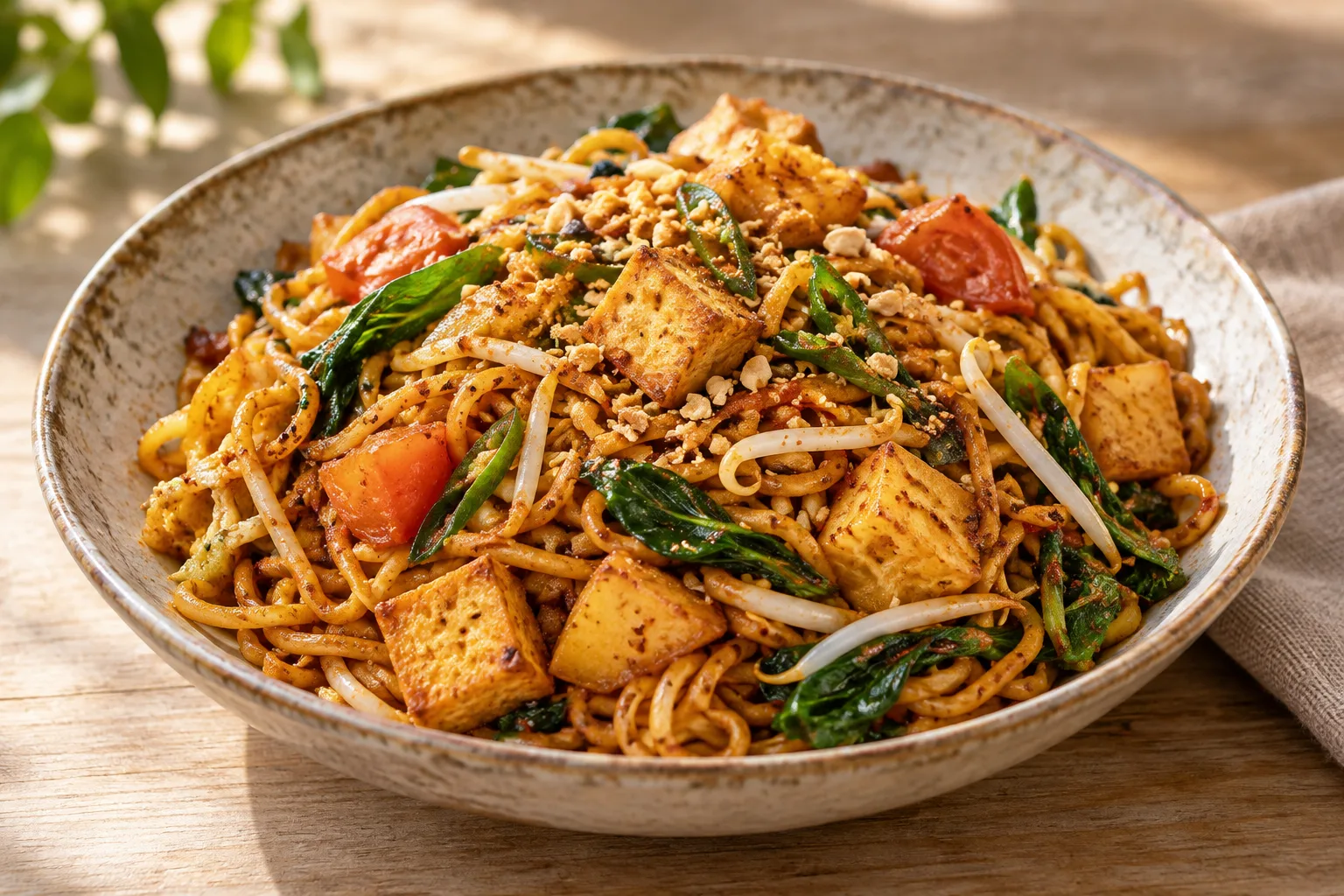
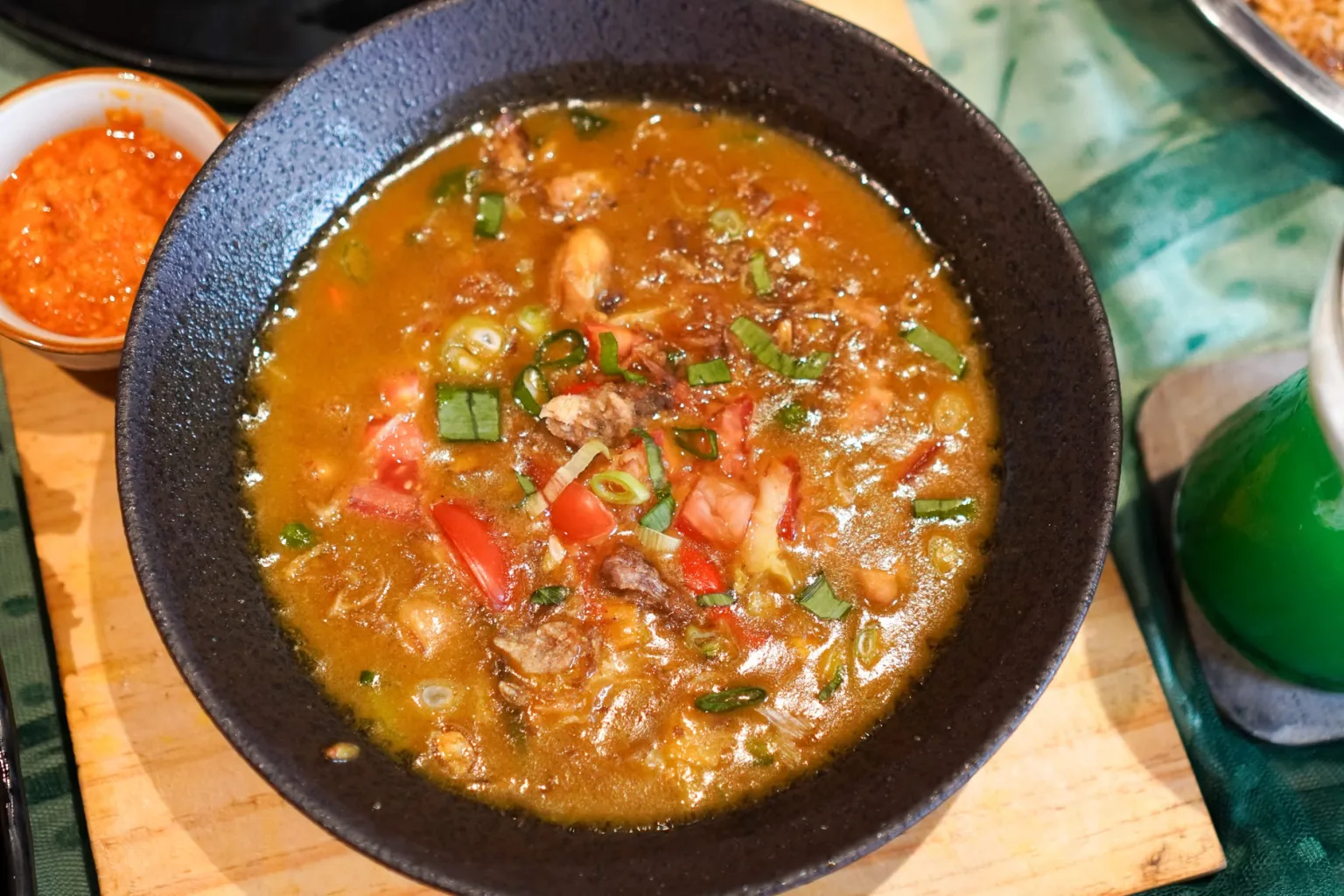
Use sambal when you want to add chili heat and concentrated flavor to a meal, or serve it separately so each person can choose how much to add. It can season rice, noodles, stir-fries, soups, vegetables, and meat, fish or seafood dishes. Choose a simpler variety when you want chili to lead, or a version with additional ingredients when those flavors suit the dish. Recipes and heat levels vary, so start with a little and taste before adding more. If a recipe calls for a particular cooked or raw sambal, do not assume that every commercial paste is interchangeable.
How to use it
Start with a small amount of paste and stir it thoroughly into the dish; taste, then add more gradually if you want greater heat. You can also serve it as a table condiment, add it to a stir-fry, soup, rice or noodles, or mix it into a sauce or marinade. To anticipate the result, check the ingredients first: some varieties are mainly chili, while others include additions such as shrimp paste, garlic or vinegar. Do not automatically substitute one variety for another, because heat, saltiness, acidity and texture can differ. If you only need chili heat, chopped fresh chili can be a partial substitute, but it will not by itself reproduce the full profile of the paste.
Flavour and texture
The flavor is usually led by chili and can be very hot, although intensity depends on the variety and the chilies used. Some pastes taste direct and simple; others include notes from ingredients such as garlic, vinegar or shrimp paste. The consistency can be coarse and flecked or more uniform. Do not assume all sambal pastes are equally salty, acidic or hot: check the container and taste a little before seasoning a whole dish.
How to choose it
Check the variety name and full ingredient list, because sambal can be a simple chili paste or include other ingredients. Some varieties contain shrimp paste, while others have different flavor profiles and ingredients. Choose according to the heat and flavors you want in the dish; if you need to avoid a particular ingredient, do not rely on the word sambal alone—check the specific product label.
Storage
Follow the storage instructions on the container, since recipes and commercial products vary. Close the container securely after use and use a clean utensil to serve the paste. If the manufacturer specifies refrigeration after opening or gives other directions, follow that information. Do not infer storage life from the product name or assume it is the same for every variety.
Substitutions
Chopped fresh chili can add heat if you do not have sambal, but it will not necessarily provide the same texture, saltiness or acidity. Another sambal variety may work if its ingredients suit the recipe; its heat and flavor profile may differ. Add any substitute gradually and adjust by tasting.
Common mistakes
Adding a large amount before tasting can make a dish too hot. Another common mistake is treating all sambal pastes as identical: recipes may include additional ingredients and differ in texture and intensity. Check the label, start with a little, and adjust gradually.
Safety and allergens
Composition depends on the product: check the ingredient list and allergen information on the container, especially if you need to avoid a particular food. Labels help identify allergenic ingredients; do not assume all varieties have the same composition.
Culinary uses
- A spicy table condiment served alongside a meal.
- A chili-based seasoning stirred into dishes or used as a starting point for other sambal sauces.
Recommended techniques
- Stir a small amount into a dish and taste before adding more; heat varies by chili and sambal variety.
- Mix into a sauce or marinade, or cook it with other ingredients when the recipe calls for cooked sambal.
Pairs well with
- Rice and noodles.
- Stir-fries, soups, vegetables, meat, fish and seafood.
Frequently asked questions
Are all sambal pastes equally hot?
No. Heat varies with the chilies and the variety. Start with a small amount, taste the dish and add more if you wish.
How can I use sambal paste?
Serve it as a condiment or gradually stir it into rice, noodles, stir-fries, soups, sauces or marinades. Check its ingredients and taste before adjusting.
Does sambal paste always contain shrimp?
No. Some varieties include shrimp paste and others have different compositions. Read the ingredient list for the specific product.
Ingredient allergens
Allergen listThere are no verified associations for these ingredients yet.
Sources and review
Automatically researched, cross-checked and validated content. Sources consulted:
- ¿Por qué la muerte es origen de miedos y tabúes? doi.org/10.64628/aao.fccyk3qj3
- SAMBAL, RECETA www.cocinayaficiones.com/sambal-receta/
- Sambal - Wikipedia, la enciclopedia libre es.wikipedia.org/wiki/Sambal
- Técnicas para potenciar el sabor de las especias en platos especiaselexplorador.com/tecnicas-para-potenciar-el-sabor-de-las-especias/
- - YouTube www.youtube.com/watch?v=94ao2n9_3PE
- Hierbas y Especias: cultura, identidad y alimentación de la ciudad de Medellín | OpenAlex openalex.org/W4360997451
- Vinos y platos de pasta: Maridajes sencillos y deliciosos - Familia Bellido familiabellido.es/blog/vinos-y-platos-de-pasta-maridajes-sencillos-y-deliciosos/
- Food allergens | EFSA www.efsa.europa.eu/en/safe2eat/food-allergens
- food hypersensitivity assets.publishing.service.gov.uk/media/69c552404a06660f085442d1/fsa-sfbb-chinese-cuisine-cro…
- Allergen labelling for food businesses | Food Standards Australia New Zealand www.foodstandards.gov.au/business/labelling/allergen-labelling
- Allergenic Content of New Alimentary Pasta Made of ... pubmed.ncbi.nlm.nih.gov/35921022/
- Food allergen labelling and information requirements technical guidance - GOV.UK www.gov.uk/government/publications/food-allergen-labelling-and-information-requirements-tech…
- Information on Food Allergy & Intolerance www.sfa.gov.sg/food-safety-tips/food-risk-concerns/food-allergy-intolerance
- ¿Qué es el sambal? La salsa picante de Indonesia | Pikantista pikantista.com/es/pages/que-es-sambal-salsa-picante-indonesia?srsltid=AYCX9vIaHdiKfam9suY4sv…
- Sambal - Receta Tradicional de Indonesia | 196 flavors www.196flavors.com/es/indonesia-sambal/?srsltid=AYCX9vIkSQ0rVBvDGYnUquBwytgbpB-AMOSh1_RmNRwj…
- Pasta Sambal Oelek 200g - Compra Online | Cocinista.es www.cocinista.es/web/es/pasta-sambal-oelec-200g-10929.html
- Salsa sambal: calorías e información nutricional | EatBetter www.eatbetter.app/es/alimento/salsa-sambal
- Salsa Sambal Oelek: análisis y comparativa de las mejores opciones asiáticas para tus recetas y sushi sukimotril.es/salsa-sambal-oelek/