- Category
- Vegetables
- State
- Fresh
- Usual unit
- unit
What it is
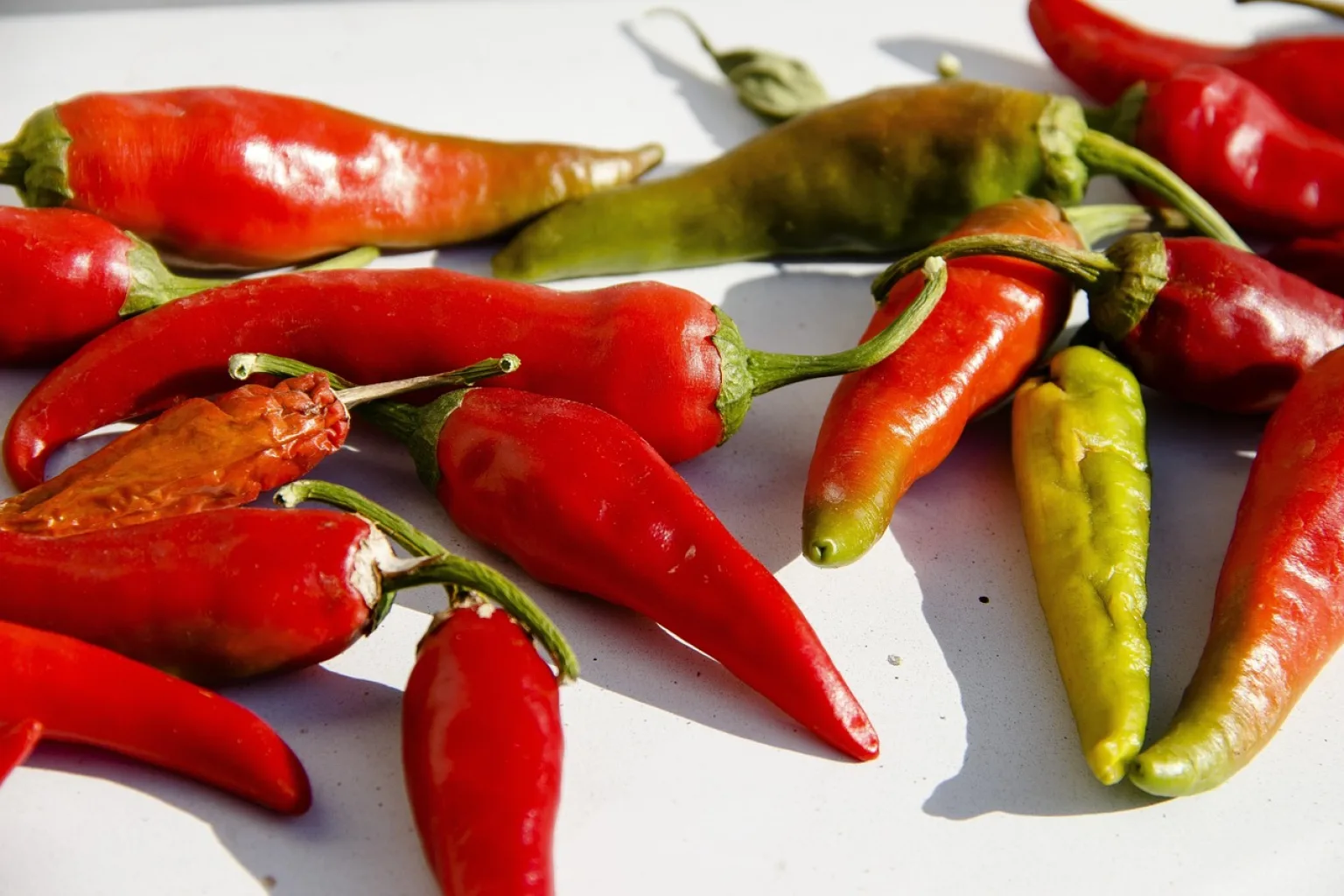
Seasoning pepper is a fresh pepper used to flavor a range of dishes. The common name alone does not identify one specific variety: peppers can differ in shape, color, sweetness, and pungency. This profile therefore gives general guidance for fresh peppers rather than assigning the ingredient a particular shape or heat level. In the kitchen, peppers can serve as both a vegetable and a seasoning: eat them raw, chop them into a salsa, or add them to cooked dishes. This profile covers fresh peppers, not dried, ground paprika or dried peppers that need rehydrating.
When to use it
Use it when you want to add flavor, color, or texture without relying on a dried or powdered ingredient. Raw, it can bring freshness to salads or be served with a dip. Cooked, it fits soups, stews, stir-fries, and casseroles, or can be chopped into a sauce. Since the name does not predict heat and pepper varieties can differ, taste a small amount before adding it to a delicate dish or a recipe intended for several people.
How to use it
Wash the pepper with water and remove the stem. Cut it open and, if desired, remove the seeds and fibrous inner parts before using; rinse the inside if needed to dislodge loose seeds. For raw dishes, slice or dice it for salads or dips. For cooked dishes, add pieces to soups, stews, stir-fries, or casseroles, or chop them into a sauce or fresh salsa. You can also sauté slices until tender but still firm. If the variety is unfamiliar or might be hot, handle it carefully and begin with a small amount.
Flavour and texture
Flavor depends on variety and maturity: peppers can be sweet or hot, and the name alone does not always indicate their intensity. Fresh flesh is generally firm and crisp when the pepper is in good condition, then softens with cooking. Color and shape vary too. If the pepper is unfamiliar, taste a small piece before deciding how much to use, especially in mild-tasting dishes.
How to choose it
Choose peppers that feel firm and crisp and look fresh, with bright color. Avoid those with soft spots, pronounced wrinkles, cracks, bruises, or damaged skin. Because the name seasoning pepper does not by itself identify a specific variety, check the pepper and ask about its heat if you need a mild result. Do not rely on color alone to establish sweetness or pungency.
Storage
Keep fresh peppers refrigerated and use them while they remain firm and fresh. Avoid letting them become damp or accidentally freeze, as excess moisture and very cold conditions can harm quality. Before preparation, wash with water; do not use soap, detergent, or bleach on the produce. For longer storage, use tested instructions designed for the specific preservation method rather than improvising a home-preserving process.
Substitutions
For a mild pepper flavor, use another fresh sweet pepper. If you want more pungency, a mild fresh chili can work, but start with a small amount and adjust after tasting. The swap will not be exact: varieties differ in sweetness, shape, and heat. Choose according to the pepper's role in the recipe, and do not assume that two common names mean the products are interchangeable.
Common mistakes
Do not assume every seasoning pepper is sweet or has the same heat level. Avoid adding a large amount of an unfamiliar variety before tasting it. Also avoid buying peppers that are soft, wrinkled, or damaged, and do not wash produce with soap or detergent. Roast the skin for peeling only when the recipe calls for it.
Safety and allergens
Wash the pepper with water before cutting it; do not use soap, detergent, or bleach to clean it. If it is hot, use gloves or a utensil to handle it to reduce skin irritation, and avoid touching your eyes. If its heat is unfamiliar, taste a small amount before adding it to a dish.
Culinary uses
- Seasoning and flavor base
- Garnish
- Raw vegetable for salads or dips
- Ingredient in cooked dishes
Recommended techniques
- Chop and add to soups, stews, stir-fries, or casseroles
- Serve raw in salads or with a dip
- Sauté slices until tender but still firm
- Roast and peel when the recipe calls for peeled peppers
Pairs well with
- Soups and stews
- Stir-fries and casseroles
- Salsas and sauces
- Rice or meat fillings
Frequently asked questions
Is seasoning pepper always sweet?
That cannot be assumed. Peppers vary in sweetness and heat, so taste a small piece before using a larger amount.
Can I eat it raw?
Yes. Wash and slice or chop it for salads, or serve it with a dip; remove any parts you do not want to eat.
How can I use it in cooked food?
Chop or slice it and add it to soups, stews, stir-fries, casseroles, or sauces. If the variety is unfamiliar, start with a small amount.
Ingredient allergens
Allergen listThere are no verified associations for these ingredients yet.
Sources and review
Automatically researched, cross-checked and validated content. Sources consulted:
- ¿Por qué la muerte es origen de miedos y tabúes? doi.org/10.64628/aao.fccyk3qj3
- El pimiento rojo:¿ una verdura o un condimento? - Grupo Gastronómico El Almirez ggelalmirez.com/el-pimiento-rojo-una-verdura-o-un-condimento/
- Pimentón: un condimento que no puede faltar en todas las cocinas www.cerditomio.es/blog/el-pimenton-y-sus-variedades/
- Selecting, Storing, and Serving Ohio Peppers | Ohioline ohioline.osu.edu/factsheet/hyg-5528
- New Mexico Favorites- Chile and Pecans | New Mexico State University - BE BOLD. Shape the Future. pubs.nmsu.edu/_circulars/CR517/index2.html
- Pimentón | CreatiVegan.net creativegan.net/archives/pimenton/
- El Pimiento Y Su Importancia En La Gastronomía Española - Restaurante Romero restaurante-romero.es/el-pimiento-y-su-importancia-en-la-gastronomia-espanola/
- El pimiento ecológico: un ingrediente principal en nuestras cocinas www.afuegolento.com/articulo/el-pimiento-ecologico-ingrediente-principal-nuestras-cocinas/51…
- Salsa, Peppers and Spices ucanr.edu/media/331513
- - YouTube www.youtube.com/watch?v=2KZFTzD3As8
- Food Preservation — The Learning Store learningstore.extension.wisc.edu/collections/food-preservation
- New Scandinavian Cooking | A World of Flavors | Season 10 | Episode 1008 | WILL-TV video.will.illinois.edu/video/a-world-of-flavors-RgiuH8/