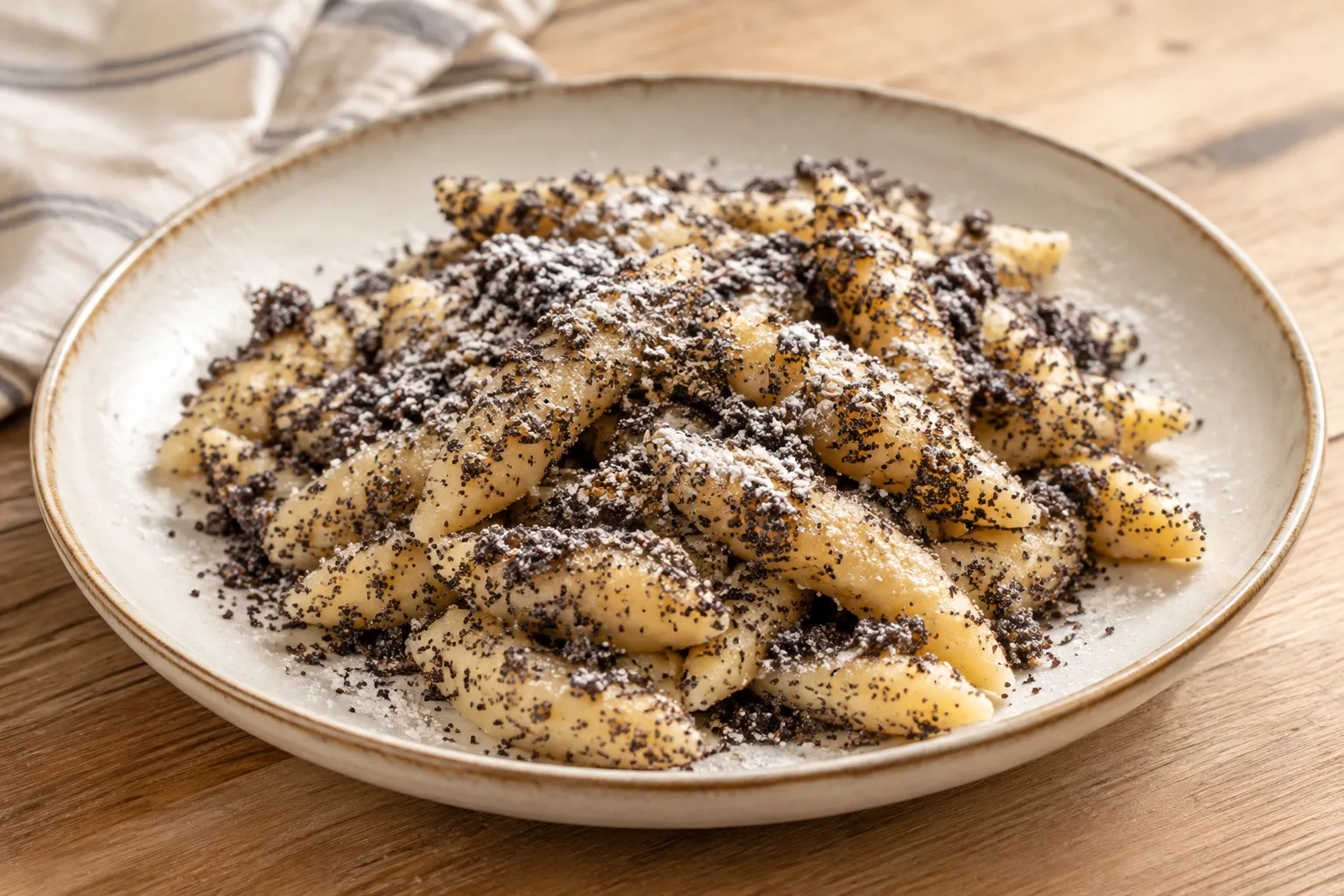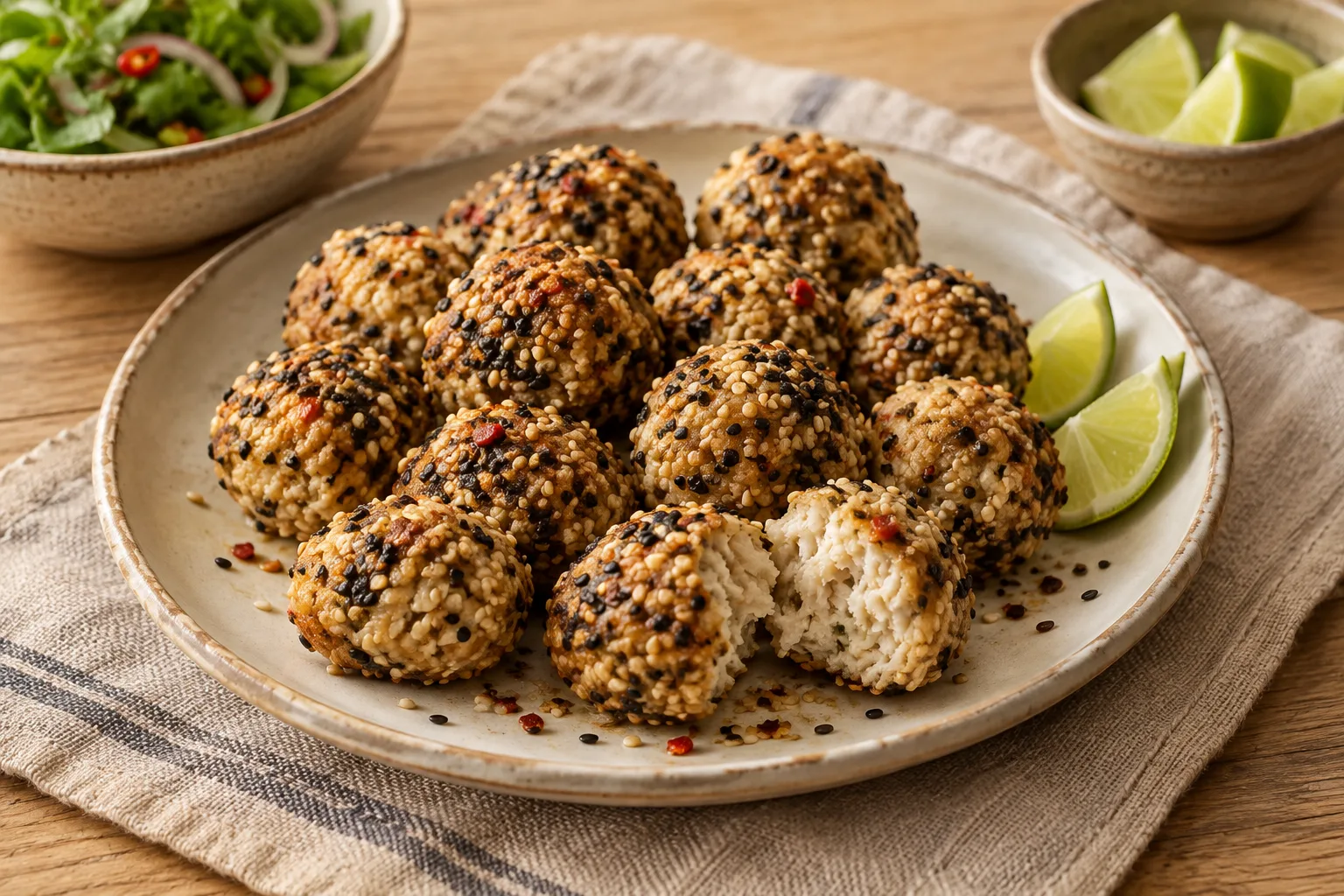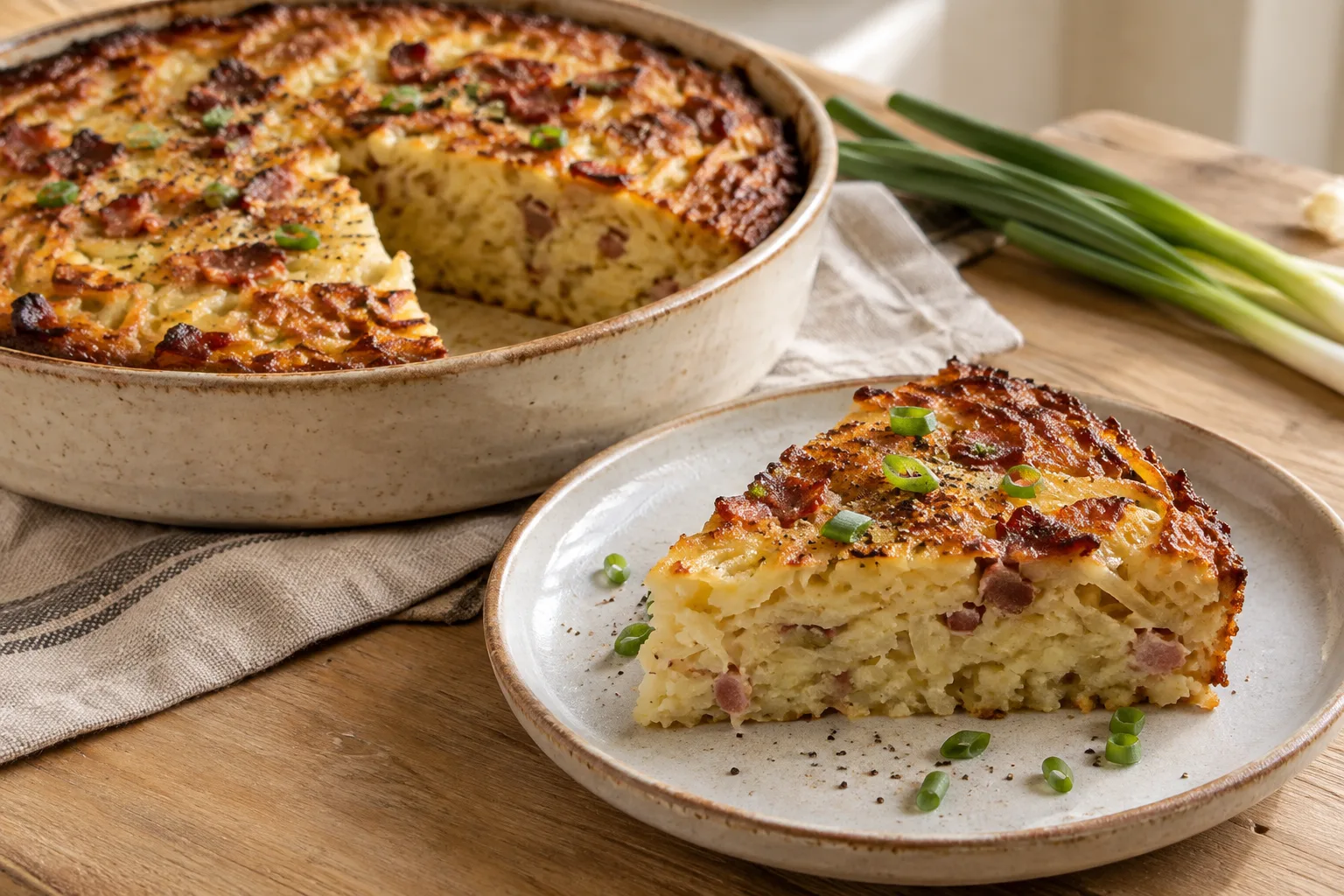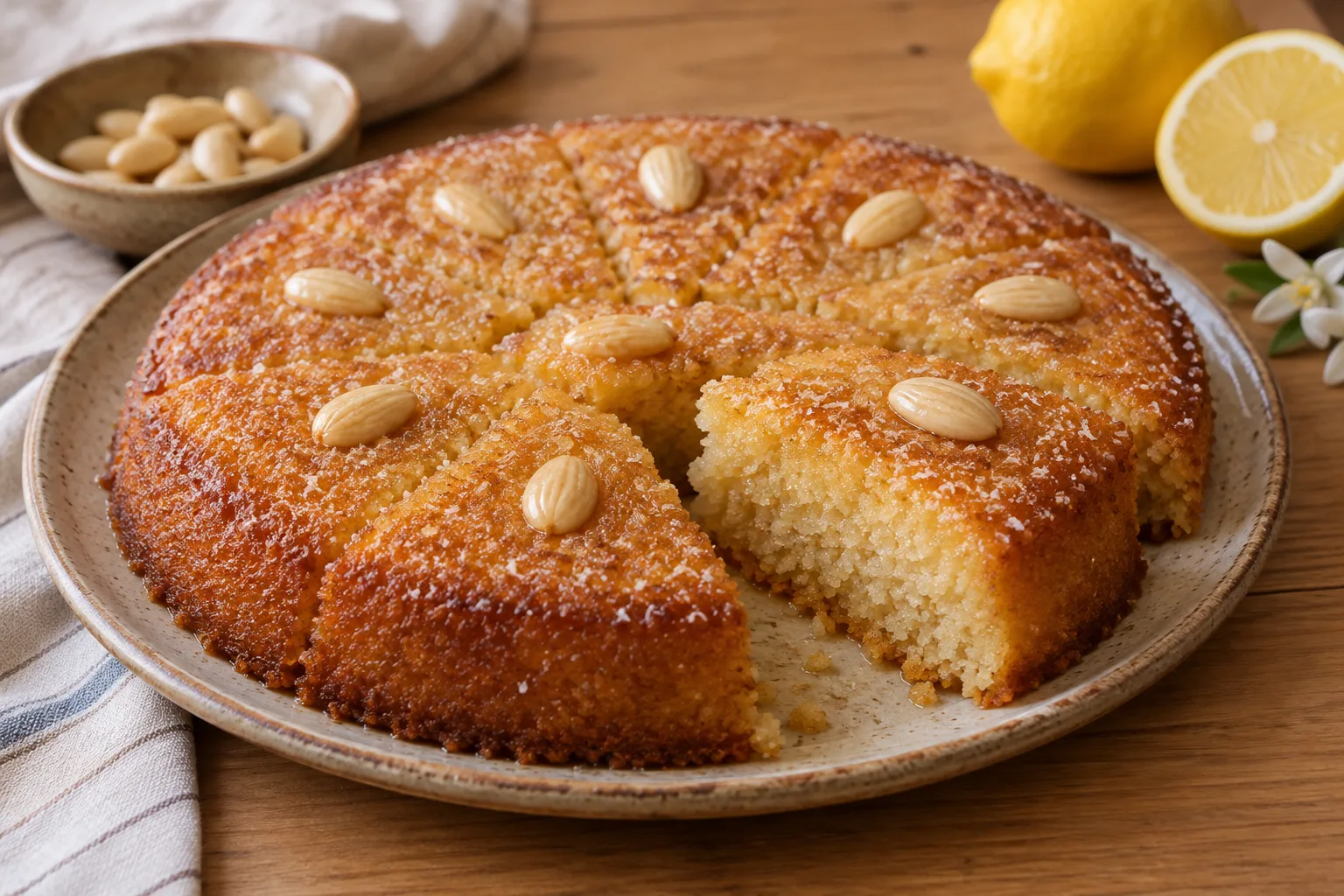
- Category
- Grains, flour and pasta
- State
- Dry
- Usual unit
- g
What it is
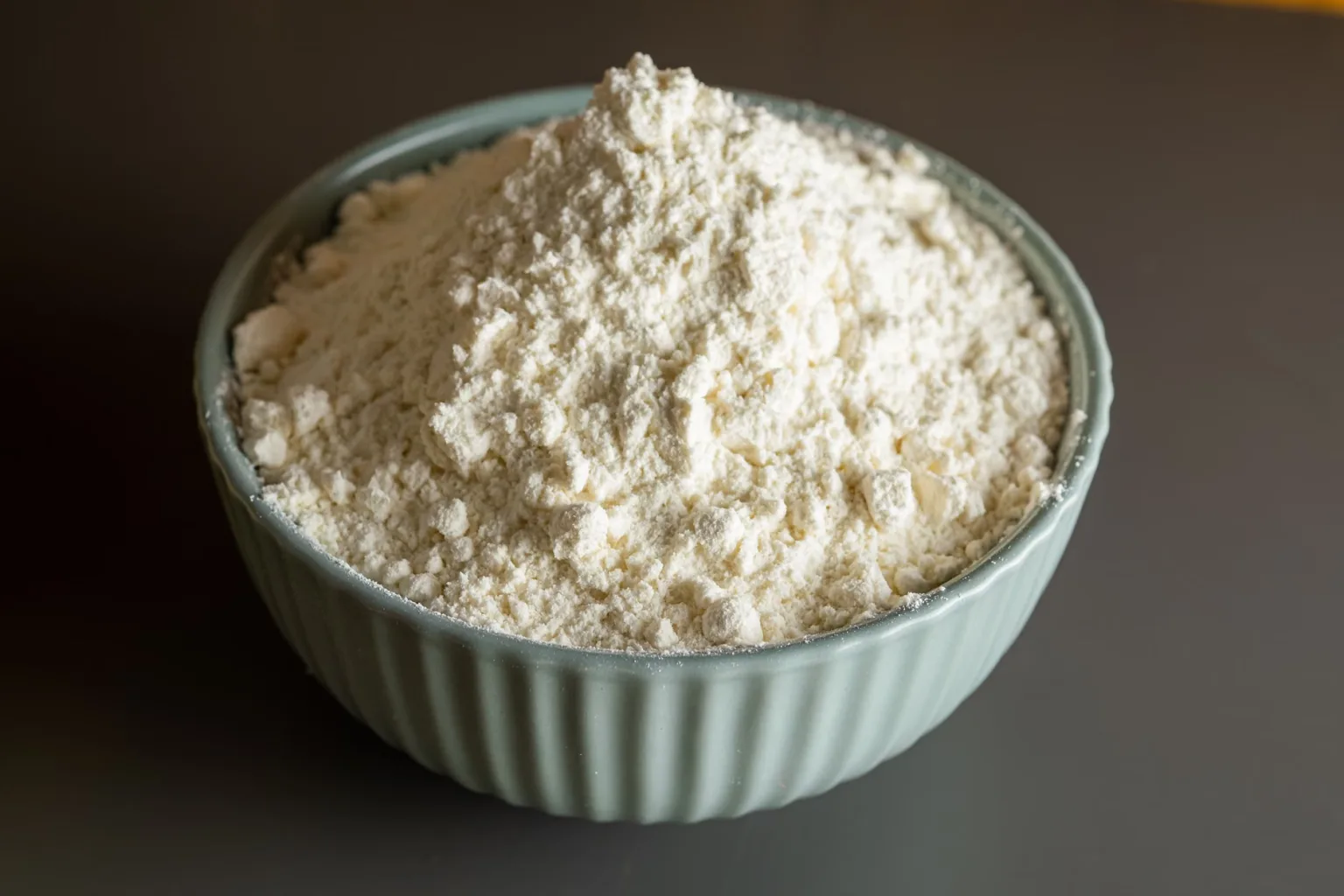
Durum semolina is made by milling the endosperm of durum wheat and separating relatively coarse particles from finer flour. It usually looks granular and golden, and its particle size distinguishes it from fine flour. The word semolina can also describe products milled from other grains, so check the grain named on the package. This profile focuses primarily on durum wheat semolina, used for pasta and couscous. It is not the same as finely milled durum flour, which has a finer texture.
When to use it
Choose durum semolina when a recipe specifically calls for it, especially for making pasta or certain couscous products. It can be used in some baked goods, although it is not the usual flour for most breads. It also appears in recipes for porridge, soups, and desserts, but the result depends on the grain and particle size. If a recipe calls for corn, rice, or another grain’s semolina, do not assume wheat semolina will behave the same way.
How to use it
Check the package to confirm that the product is durum wheat semolina and that its particle size suits the recipe. For pasta, combine it with the ingredients specified by the formula and work the dough until it is suitable for rolling or shaping; proportions and method depend on the recipe. For couscous, use the product and preparation directions specified on its package or in the recipe. In soups, porridge, and desserts, add it as directed: grain size affects the final texture. Do not automatically replace it with fine flour or semolina from a different grain.
Flavour and texture
Durum semolina has a mild, cereal-like, slightly sweet flavor and a characteristic golden color. When dry, its particles are granular and coarser than fine flour. Once cooked, its texture depends on grain size and method: it can become tender in a soft preparation or provide structure in dough and pasta. Semolina made from other grains can have different characteristics.
How to choose it
Read the package to identify the source grain: durum wheat, corn, rice, or another grain. Check whether it is coarse semolina, fine semolina, or more finely milled flour, since these products may not behave alike in a recipe. Choose an intact package and check its use and storage directions. For pasta, look for durum wheat semolina when that is what the recipe specifies.
Storage
Keep dry semolina in a tightly closed container in a cool, dry place, protected from moisture and strong odors. If buying in bulk, keeping it in its original packaging inside a covered container helps protect it. In hot or humid conditions, check the label and consider the manufacturer’s refrigeration guidance. Follow the package instructions and inspect the product before use.
Substitutions
Fine durum wheat flour may work in some doughs if the recipe can accommodate a finer texture, but it will not necessarily behave like granular semolina. Corn, rice, or other grain semolina is an alternative only when the recipe specifically allows that grain; texture and results will differ. Choose a substitute based on the recipe, not just the product name.
Common mistakes
A common mistake is treating all semolina as durum wheat: products are also made from other grains. Another is swapping granular semolina and fine flour without considering their different milling. Check the grain and particle size before cooking, and do not assume a substitute will produce the same result unless the recipe supports the change.
Safety and allergens
Durum semolina is made from wheat and contains gluten, so it is not suitable for a gluten-free preparation. Check the grain and allergen information on the package, especially when cooking for someone with an allergy or intolerance. Keep the product dry and follow its storage directions.
Culinary uses
- Pasta-making ingredient
- Couscous ingredient
- Coarse cereal for savory or sweet dishes
Recommended techniques
- Mix into dough for pasta or noodles
- Cook into a soft cereal or porridge
- Use in couscous and selected baked goods
Pairs well with
- Pasta sauces
- Soups and broths
- Vegetables and savory accompaniments
Frequently asked questions
Is semolina the same as flour?
Not exactly. Durum semolina is more coarsely milled and granular; durum flour is finer.
Is all semolina made from wheat?
No. The term also applies to products made from corn, rice, and other grains. Check the ingredient named on the package.
Can I substitute durum flour for semolina?
In some doughs, yes, if the recipe can accommodate a finer texture. It is not a universal swap and may change the result.
Ingredient allergens
Allergen listDocumented presence
-
Cereals containing gluten
Semolina
Estimated nutrition
- Fat
- 2.17 g
- Saturates
- 0 g
- Carbohydrate
- 78.3 g
- Sugars
- 0 g
- Fibre
- 2.2 g
- Protein
- 10.9 g
- Salt
- 0.06 g
Sources and review
Automatically researched, cross-checked and validated content. Sources consulted:
- Selecting & Storing Cereals & Grains | Home & Garden Information Center hgic.clemson.edu/factsheet/selecting-storing-cereals-grains/
- Client Challenge doi.org/10.2307/jj.27939689.16
- The Essential Glossary of Cooking Terms for the Culinary Arts - Escoffier www.escoffier.edu/blog/culinary-arts/the-essential-glossary-of-cooking-terms-for-the-culinar…
- Qué es la sémola: usos, tipos y diferencias www.legumbresmiau.es/que-es-la-semola/
- ¿Qué es la sémola? Todo lo que necesitas saber | Garofalo www.pasta-garofalo.com/es/news/que-es-la-semola-todo-lo-que-necesitas-saber/
- Storing Staple Ingredients in the Kitchen extension.psu.edu/storing-staple-ingredients-in-the-kitchen/
- Para la ciudadanía www.aesan.gob.es/para-la-ciudadania
- Vegetarian Cookery - Cooking By the Book - Research Guides at Princeton University libguides.princeton.edu/c.php?g=394131&p=3135671
- W.C. Shuey, C.A. Watson, R.D. Maneval, R.D. Crawford; COMPARISON OF DURUM SEMOLINA AND PASTA PRODUCTS FROM VARIOUS COUNTRIES.; CEREAL FD. WORLD 22(7):278-283; 1977 | Special Collections Finding Aids library.ndsu.edu/AS2.pub/repositories/5/archival_objects/235411
- Three Artisanal Tastes of Pasadena | Institute of Culinary Education www.ice.edu/blog/pasadena-california-food-artisans
- Human verification www.lekue.com/es/blog/lo-necesitas-saber-la-semola?srsltid=AYCX9vINHXmrfCzsiZbztedaAKMmn8Mwl…
- 5 Sémolas Altamente Saludables: Beneficios, Propiedades y Usos | Veritas www.veritas.es/aprende/5-semolas-altamente-saludables/?srsltid=AYCX9vKCCIGxDy2o5vG5d9fnRP6wU…