- Category
- Herbs and spices
- State
- Dry
- Usual unit
- teaspoon
What it is
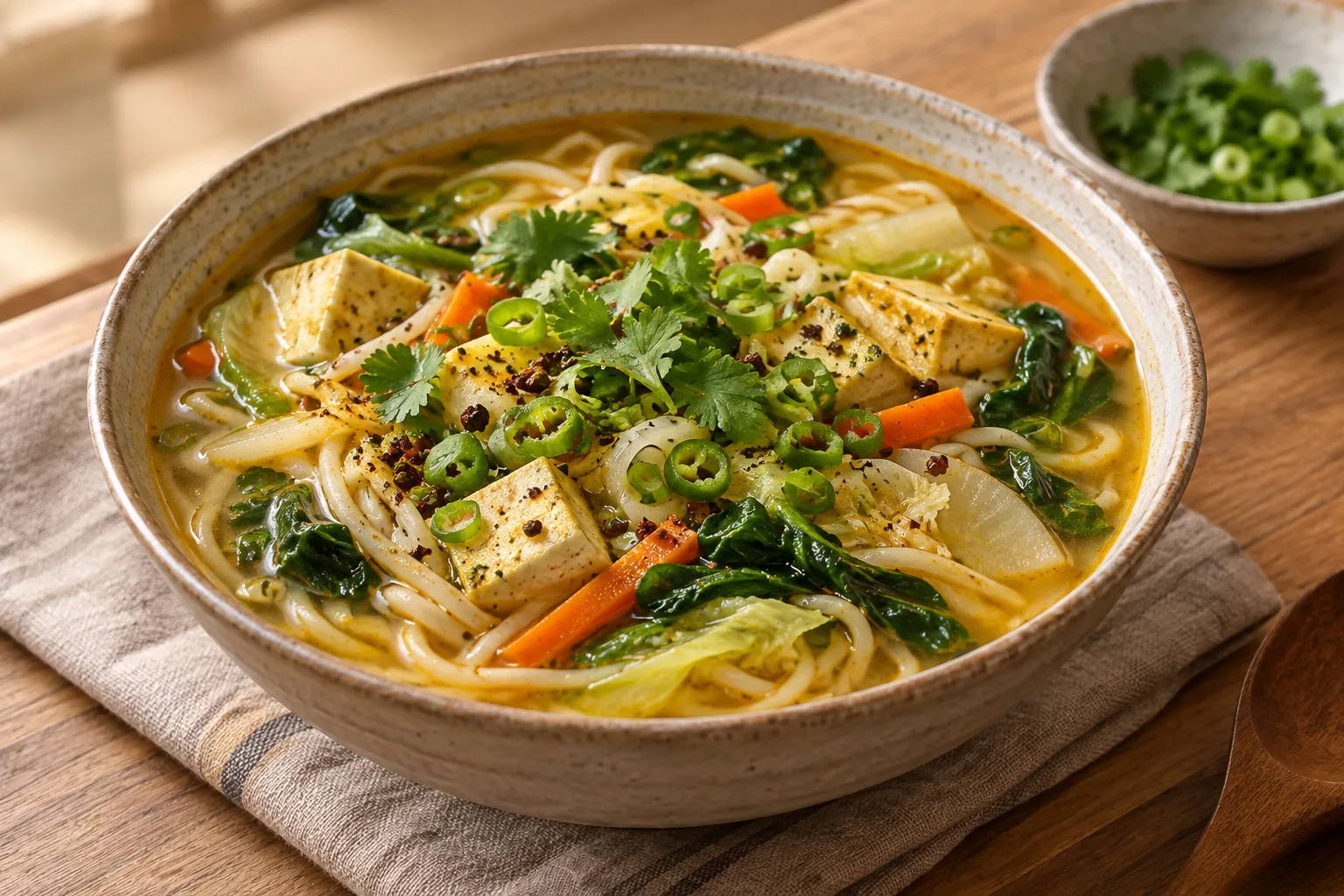
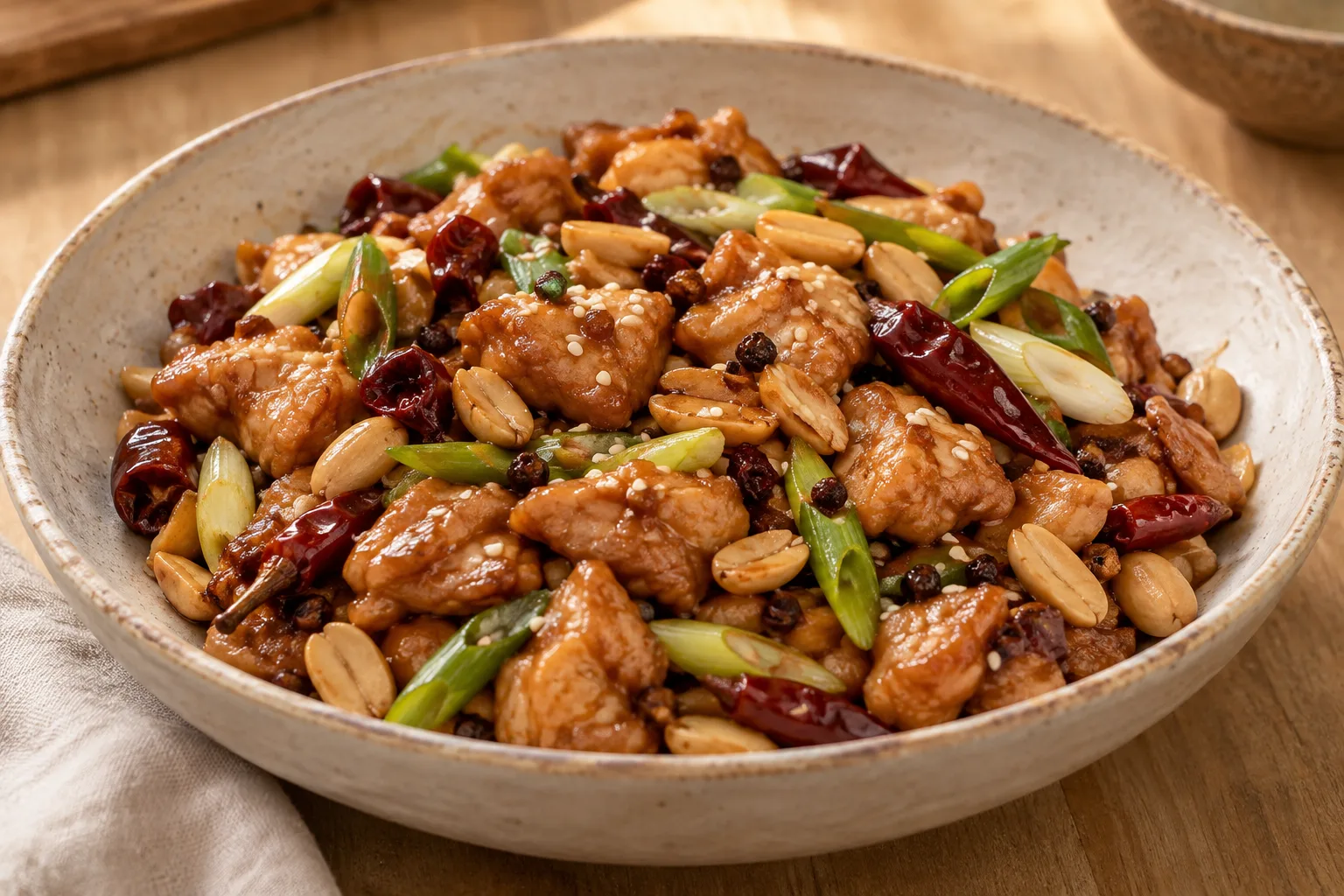
Sichuan pepper is the culinary name for the dried husks of fruits from certain trees in the Zanthoxylum genus. Despite its name, it is not black pepper and is not a chili. It is used as a spice, whole, crushed, or ground. Its profile combines citrus and floral aromas with a distinctive tingling, vibrating, or prickling sensation on the lips and tongue. Some people experience this as mild numbness; it is not the same as the intense heat of a chili. The name can cover products from related species, so aroma and intensity may vary. It is used in Sichuan-style cooking and can season meat, fish, and soups.
When to use it
Use it when you want to add a citrusy aroma and a lively mouthfeel to a savory dish, especially meat, fish, or soup. It suits Sichuan-inspired cooking and can be added crushed or ground for a more even distribution. Because the tingling sensation is a noticeable part of its character, begin with a small amount if you are unfamiliar with the spice and adjust to taste. It can also add an aromatic contrast when you want something different from ordinary black pepper. Do not choose it solely for strong heat: its best-known effect is the tingling sensation.
How to use it
Check that the spice is dry and aromatic, then measure a small amount. Crush the husks and add them directly, or briefly warm them in a dry pan and grind them afterward to bring out toasted notes. Watch carefully and remove them before they burn, as excessive heat can harm their aroma. Add the spice to meat, fish, or soup, either on its own or with other seasonings. Increase the amount gradually: the citrus aroma and tingling can stand out even when the quantity seems small. If using whole husks, let diners know they may encounter pieces in the dish.
Flavour and texture
Its aroma is often described as citrusy, fresh, and floral, with notes that may suggest lemon or bergamot. Toasting can bring out woodier notes. In the mouth, it creates a distinctive tingling and, for some people, a mild numbing feeling on the lips and tongue. This tactile sensation differs from the intense heat of chilies and accompanies a more moderate peppery spice. Species, freshness, and toasting can all change the balance and intensity of its aroma.
How to choose it
Choose a product that still has a noticeable, fresh, citrusy aroma rather than a dull or stale one. Whole husks let you crush the spice just before use; ground spice is convenient, but its aroma may fade sooner. Check the package to make sure it is Sichuan pepper, not black pepper, chili, or a similar-looking spice. Products can differ in intensity, so start with a small amount until you know the one you have.
Storage
Keep the dried spice tightly sealed in a cool, dry place away from moisture and heat. Protect it from light and open the container only to take what you need. Whole husks generally retain their aroma better for grinding just before use; once ground, the spice gradually loses aromatic freshness. No specific storage life is established here, so check its aroma and follow the package directions.
Substitutions
Sansho can be an approximate alternative because it also comes from Zanthoxylum and offers citrus notes and tingling, although its intensity is not identical. Black pepper can supply a peppery character but will not reproduce Sichuan pepper’s distinctive buzzing sensation. Neither substitute is exact; start moderately and adjust according to the flavor you want to preserve.
Common mistakes
Do not confuse it with black pepper or expect it to have exactly the heat of a chili. Adding too much at once can let the tingling dominate the dish. If toasting, do not burn it: excessive heat can reduce its citrus notes and produce a less clean flavor. Grind only what you need for the dish to preserve its aroma.
Safety and allergens
A tingling or mildly numbing sensation in the mouth is characteristic of this spice. Start with a small amount if you have not tried it before, and stop eating it if you experience an unexpected reaction. Check the product label if you need to avoid a particular ingredient.
Culinary uses
- Condimento aromático para platos salados
- Aporte de notas cítricas y de hormigueo
Recommended techniques
- Tostar brevemente en una sartén seca, evitando que se queme
- Moler o triturar antes de añadir a la preparación
Pairs well with
- Carnes
- Pescados
- Sopas
- Platos de la cocina de Sichuan
Frequently asked questions
Is Sichuan pepper a true pepper?
No. It is a spice from trees in the Zanthoxylum genus; its culinary name does not make it black pepper.
Why does it make the tongue tingle?
The spice creates a characteristic prickling or mildly numbing sensation on the tongue and lips.
Should I toast it before using it?
Toasting is optional. You can grind it and add it directly, or briefly toast it in a dry pan before crushing.
Ingredient allergens
Allergen listThere are no verified associations for these ingredients yet.
Estimated nutrition
- Fat
- 11.7 g
- Saturates
- 0 g
- Carbohydrate
- 13.3 g
- Sugars
- 10 g
- Fibre
- 0 g
- Protein
- 3.33 g
- Salt
- 2 g
Sources and review
Automatically researched, cross-checked and validated content. Sources consulted:
- ¿Por qué la muerte es origen de miedos y tabúes? doi.org/10.64628/aao.fccyk3qj3
- The Essential Glossary of Cooking Terms for the Culinary Arts - Escoffier www.escoffier.edu/blog/culinary-arts/the-essential-glossary-of-cooking-terms-for-the-culinar…
- Pimienta de Sichuan - Propiedades y beneficios para la saud www.conasi.eu/blog/consejos-de-salud/la-pimienta-de-sichuan/
- Pimienta de Sichuan | Gastronomía & Cía www.gastronomiaycia.com/pimienta-de-sichuan/
- Pimienta de Sichuán | Umami Madrid www.umami-madrid.com/2008/05/26/pimienta-de-sichuan/
- PIMIENTA DE SICHUAN: DESCUBRIENDO SUS EFECTOS EN LA NUTRICIÓN Y LA PATOLOGÍA blogs.ugr.es/masternutricionhumana/pimienta-de-sichuan-descubriendo-sus-efectos-en-la-nutric…
- Development and Characterization of Films Containing ... upcommons.upc.edu/bitstreams/84c45014-e370-4b9f-89e8-766f1cc57cf5/download
- Profile - Chemical Engineering | University of Utah www.che.utah.edu/department/people/faculty/john_david_mclennan
- Spring Garden Fair Peppers/Chiles | UC Master Gardeners of Santa Clara County ucanr.edu/site/uc-master-gardeners-santa-clara-county/spring-garden-fair-peppers-chiles
- Pimienta de Sichuan | Grupo Gourmets www.gourmets.net/salon-gourmets/2019/catalogo-expositores/regional-co/pimienta-de-sichuan
- El Trío Aromático Chino: Pimienta de Sichuan, Anís Estrellado y Casia - Quaterni quaterni.es/2025/11/21/especias-esenciales-china/?srsltid=AYCX9vLn0tGxewuboU9YsTiSaFGi_5TAnh…