- Category
- Herbs and spices
- State
- Powdered
- Usual unit
- teaspoon
What it is
Smoked paprika is a powdered seasoning made from dried, ground peppers. Drying with smoke gives it a distinctive aroma reminiscent of wood or a grill, alongside the flavor of pepper and a red hue. Its intensity, color, and heat level can vary with the pepper variety and production method. Smoked does not necessarily mean hot: some products are mild, while others are spicy, so check the label. In a marinade, it adds aroma and color and works well with oil, garlic, and other seasonings. A small amount can make its character noticeable, so add it gradually.
When to use it
Use it when you want smoky notes in a marinade without relying on a grill or ingredients that have already been smoked. It works well in marinades for meat and vegetables, and can also add character to potatoes, legumes, soups, stews, and sauces. Adjust the amount to the paprika and the other ingredients: a hot or strongly aromatic product can overwhelm a delicate preparation. If you are unsure how potent yours is, start with a pinch, mix, and taste before adding more. Smoked paprika contributes flavor as well as color, so it should not be treated as a neutral coloring agent.
How to use it
For a simple marinade, mix the paprika with oil and seasonings such as garlic, pepper, or herbs, then coat the food. The mixture can also season vegetables before roasting or add flavor to potatoes and legumes. Start with a small amount, mix thoroughly, and taste before adding more; products differ in intensity and heat. If adding it to a sauce or stew, stir it in toward the end or blend it into the liquid or preparation without frying it for too long: intense heat can harm its flavor. You can also sprinkle it over cooked food with a little oil. For a mild result, choose a sweet variety and check the label.
Flavour and texture
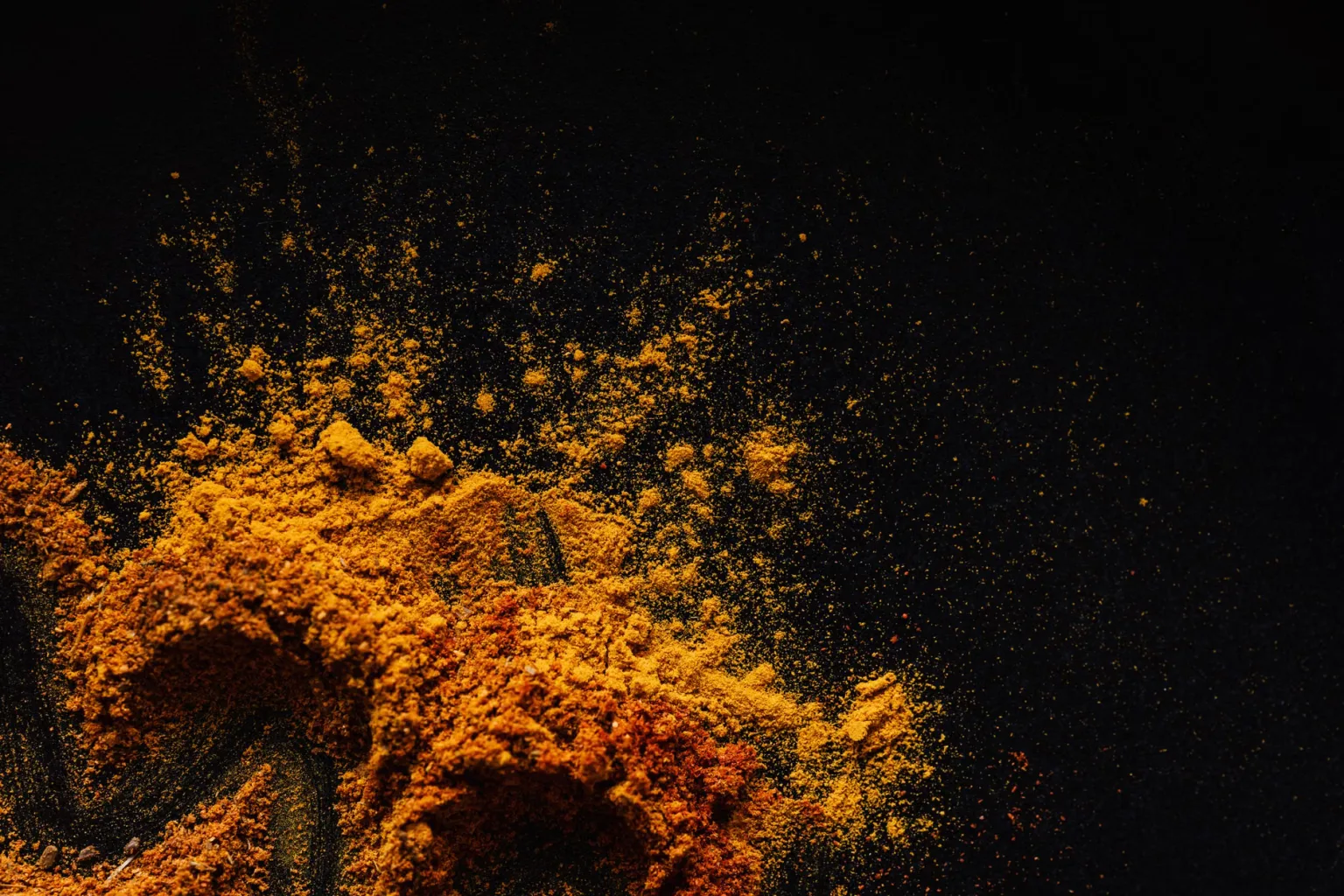
It is a fine red powder with smoky aroma and flavor alongside notes of dried pepper. Depending on the product, it may be mild, sweet, or hot, and the smoke intensity varies too. The powder blends readily into oils, marinades, and sauces; use it sparingly so it complements rather than masks other flavors.
How to choose it
Check the label to distinguish sweet, hot, and bittersweet varieties: the word smoked alone does not tell you how hot the product is. Choose a well-sealed package, and confirm that it is smoked pepper powder if that is the quality you want. Since intensity and color vary between products, begin with a small amount when cooking.
Storage
Keep smoked paprika in a tightly closed container in a dry, dark place. Do not leave the package open near steam or moisture, and use a dry spoon to scoop it. These steps help preserve its aromatic and coloring qualities; follow the package’s storage directions as well.
Substitutions
Sweet, unsmoked paprika can provide color and pepper flavor, but the result will lack some of the smoky aroma. Hot paprika can add more heat, but it will not necessarily add smoke. Check the label and adjust the amount to the flavor of the alternative; the substitutes are not identical.
Common mistakes
Do not assume that all smoked paprika is hot or that every variety has the same intensity. Avoid frying it or cooking it over high heat for too long, as this can diminish its flavor. Adding a large amount all at once can also make the smoke dominate a marinade; start small and taste.
Safety and allergens
Keep the product dry, tightly closed, and protected from moisture, and follow the storage directions on its package. Check the ingredient list if you need to avoid a particular ingredient, since product formulations can vary.
Culinary uses
- Aporta aroma y sabor ahumados
- Añade color rojo y profundidad a marinadas y platos
Recommended techniques
- Mezclar con aceite y otros condimentos para preparar una marinada
- Incorporar en poca cantidad hacia el final de la cocción; evitar freírlo en exceso
Pairs well with
- Ajo y aceite de oliva
- Carnes, verduras y patatas
- Legumbres, sopas y salsas
Frequently asked questions
Is smoked paprika always hot?
No. Smoked describes the aroma associated with the drying process; heat depends on the pepper variety. Check the label to choose a sweet or hot option.
How do I use it in a marinade?
Mix it with oil and other seasonings, such as garlic or herbs, and use the mixture to season the food. Start with a small amount and adjust to taste.
When should I add it to a stew or sauce?
Stir it in toward the end or mix it into the preparation without frying it for too long, so intense heat does not harm its flavor.
Ingredient allergens
Allergen listThere are no verified associations for these ingredients yet.
Sources and review
Automatically researched, cross-checked and validated content. Sources consulted:
- Client Challenge doi.org/10.2307/j.ctvndv9t9.22
- The Essential Glossary of Cooking Terms for the Culinary Arts - Escoffier www.escoffier.edu/blog/culinary-arts/the-essential-glossary-of-cooking-terms-for-the-culinar…
- Gastronomía de Galicia - Wikipedia, la enciclopedia libre es.wikipedia.org/wiki/Gastronom%C3%ADa_de_Galicia
- Pimentón Ahumado: todo lo que debes saber - LA CHINATA lachinata.es/todo-lo-que-debes-saber-sobre-el-pimenton-ahumado/
- Pimentón Ahumado | PAPRIMUR paprimur.es/productos/pimenton-ahumado/
- Qué es Twitch y por qué es importante para el español doi.org/10.64628/aao.ff347t6cj
- Ankorstore x Nomie, le goût des épices - Pimentón ahumado ecológico (en polvo), tarro de 30ml es.ankorstore.com/brand/nomie-le-gout-des-epices-53/paprika-fume-poudre-bio-petit-pot-de-30m…
- ¿Para qué se usa el pimentón ahumado? Usos y consejos SEO munozypujante.com/para-que-se-usa-el-pimenton-ahumado/
- Cómo usar el pimentón ahumado en sopas, carnes y salsas - Olmeda Orígenes olmedaorigenes.com/como-usar-el-pimenton-ahumado-en-sopas-carnes-y-salsas/
- Pimentón: tipos, sabor y usos para tiendas y hostelería | Alveus www.alveus.eu/es/blog/pimenton/
- El uso del Pimentón Ahumado en la cocina - Pimentón de la Vera las Hermanas pimentonlashermanas.com/uso-pimenton-ahumado-cocina/
- Ankorstore x Nomie, le goût des épices - Pimentón ahumado (polvo) BIO, tarro grande de 60 ml es.ankorstore.com/brand/nomie-le-gout-des-epices-53/paprika-fume-poudre-bio-grand-pot-de-60-…
- Gastronomía de Salta - Wikipedia, la enciclopedia libre es.wikipedia.org/wiki/Gastronom%C3%ADa_de_Salta