- Category
- Herbs and spices
- State
- Powdered
- Usual unit
- teaspoon
What it is
Smoked paprika is a powdered spice made by drying ripe red peppers in a process that involves smoke and then grinding them. The smoke gives it a toasted aroma that differs from paprika dried without smoke. Its color, intensity and flavor can vary with the peppers and production method. Smoked does not necessarily mean hot: both sweet and hot varieties are available, so check the label. It is a convenient way to add smoky notes to a dish without smoking its other ingredients directly.
When to use it
Use it when you want a stew to have a toasted aroma and greater depth, or want to add color and character to a sauce, marinade or vegetables. It works well with potatoes, legumes and rice, and can season meat or fish when its smoky flavor will not mask the other ingredients. Choose a sweet variety for aroma without heat; a hot version adds spiciness as well as smoke. Since intensity varies between products, start with a small amount and adjust after tasting.
How to use it
Stir paprika into a sofrito or the base of a stew so its flavor spreads through the ingredients, or mix it with oil, garlic and other seasonings to make a marinade. It can also go into sauces, soups, rice dishes, potatoes and vegetables. Begin with a small amount, mix well and taste before adding more: too much can make the smoky flavor dominate. Check whether the product is sweet or hot before seasoning. In a liquid preparation, stir to disperse the powder; in a marinade, coat the food evenly.
Flavour and texture
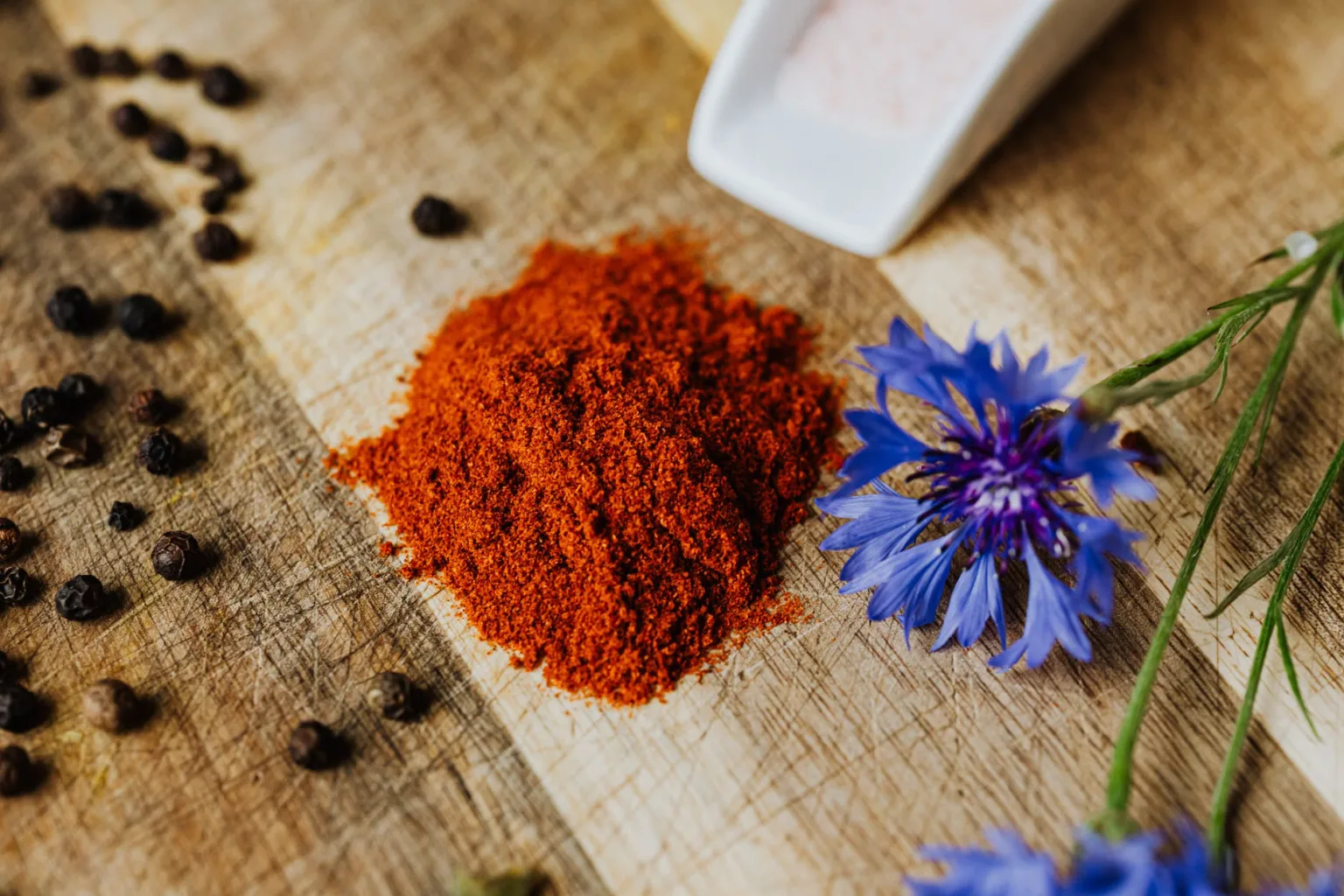
It is a fine powder, with shades of red that can vary, and a smoky, toasted aroma and flavor. Depending on the product, the profile may be sweet or hot; smoke alone does not indicate its heat level. Its concentrated flavor can add depth and color in a small quantity, but too much can overwhelm a dish.
How to choose it
Read the label to confirm that the product is smoked paprika and to distinguish sweet from hot varieties. Products are not identical: smoky character, color and intensity can vary with the peppers and production method. Choose a profile that suits the dish and your preferred heat level. If the label does not make the heat clear, taste a pinch before adding it to the whole preparation.
Storage
Follow the storage directions on the package, since the available information does not establish universal conditions or a shelf life for every product. Close the container after each use and avoid transferring the spice to an unlabeled container: this helps you identify whether it is sweet or hot and find the manufacturer's directions when needed.
Substitutions
Sweet, unsmoked paprika can add color and pepper flavor, but it will not reproduce the smoky notes. Substituting a hot variety may increase the heat; check whether it is smoked too. Adjust while tasting, as intensity varies between products and there is no exact equivalence.
Common mistakes
Do not assume all smoked paprika is sweet: smoke and heat are separate characteristics. Avoid adding a large amount at once, because the aroma can dominate a stew. Also, an unsmoked variety will not reproduce the same profile; the result will change even if some pepper flavor remains.
Safety and allergens
Use a product labeled for food use and follow its package directions. Check whether it is sweet or hot before serving, especially when you want to control the dish's heat level.
Culinary uses
- Aporta sabor ahumado, color y profundidad a guisos
- Condimenta adobos, salsas y verduras
Recommended techniques
- Incorporar a un sofrito o a una base de guiso
- Mezclar con aceite para preparar un adobo
Pairs well with
- Patatas, legumbres y verduras
- Ajo, aceite de oliva, carnes y salsas de tomate
Frequently asked questions
Is smoked paprika always hot?
No. Smoked describes the flavor associated with the drying process; both sweet and hot varieties exist. Check the label.
What dishes can I use it in?
It can be added to stews, sauces, soups, rice dishes, marinades, potatoes and vegetables. Adjust the amount so the smoke does not dominate.
Can I substitute sweet paprika?
Yes, but the dish will lose much of its smoky aroma. Add the alternative gradually and taste as you go.
Ingredient allergens
Allergen listThere are no verified associations for these ingredients yet.
Sources and review
Automatically researched, cross-checked and validated content. Sources consulted:
- Client Challenge doi.org/10.2307/j.ctvndv9t9.22
- Pimentón Ahumado: todo lo que debes saber - LA CHINATA lachinata.es/todo-lo-que-debes-saber-sobre-el-pimenton-ahumado/
- Pimentón | CreatiVegan.net creativegan.net/archives/pimenton/
- Chorizo - Wikipedia, la enciclopedia libre es.wikipedia.org/wiki/Chorizo
- Recetas para comer fuera de casa: Guiso de patatas con albóndigas www.cordonbleu.edu/madrid/recetas-para-comer-fuera-de-casa-guiso-patatas-albondigas/es
- Qué es Twitch y por qué es importante para el español doi.org/10.64628/aao.ff347t6cj
- lemmas.txt downloads.cs.stanford.edu/nlp/data/CoNLL17_Parser_Models/Spanish/Spanish-Parser/lemmas.txt
- ¿Para qué se usa el pimentón ahumado? Usos y consejos SEO munozypujante.com/para-que-se-usa-el-pimenton-ahumado/
- Cómo usar el pimentón ahumado en sopas, carnes y salsas - Olmeda Orígenes olmedaorigenes.com/como-usar-el-pimenton-ahumado-en-sopas-carnes-y-salsas/
- Pimentón: tipos, sabor y usos para tiendas y hostelería | Alveus www.alveus.eu/es/blog/pimenton/
- Ankorstore x Nomie, le goût des épices - Pimentón ahumado (polvo) BIO, tarro grande de 60 ml es.ankorstore.com/brand/nomie-le-gout-des-epices-53/paprika-fume-poudre-bio-grand-pot-de-60-…
- Pimenton Ahumado | Urbano CA urbanococinaamericana.com.ar/productos/pimenton-ahumado/
- Pimentón Dulce, Picante o Ahumado: ¿Cuál Elegir? – CosasDeCocineros www.cosasdecocineros.es/blogs/mezclas-de-especias/pimenton-dulce-vs-picante-vs-ahumado-difer…
- Recetas para comer fuera de casa: Guiso de calamares y mejillones con arroz www.cordonbleu.edu/madrid/recetas-para-comer-fuera-de-casa-guiso-calamares-mejillones-arroz/…