- Category
- Meat
- State
- Other
- Usual unit
- kg
What it is
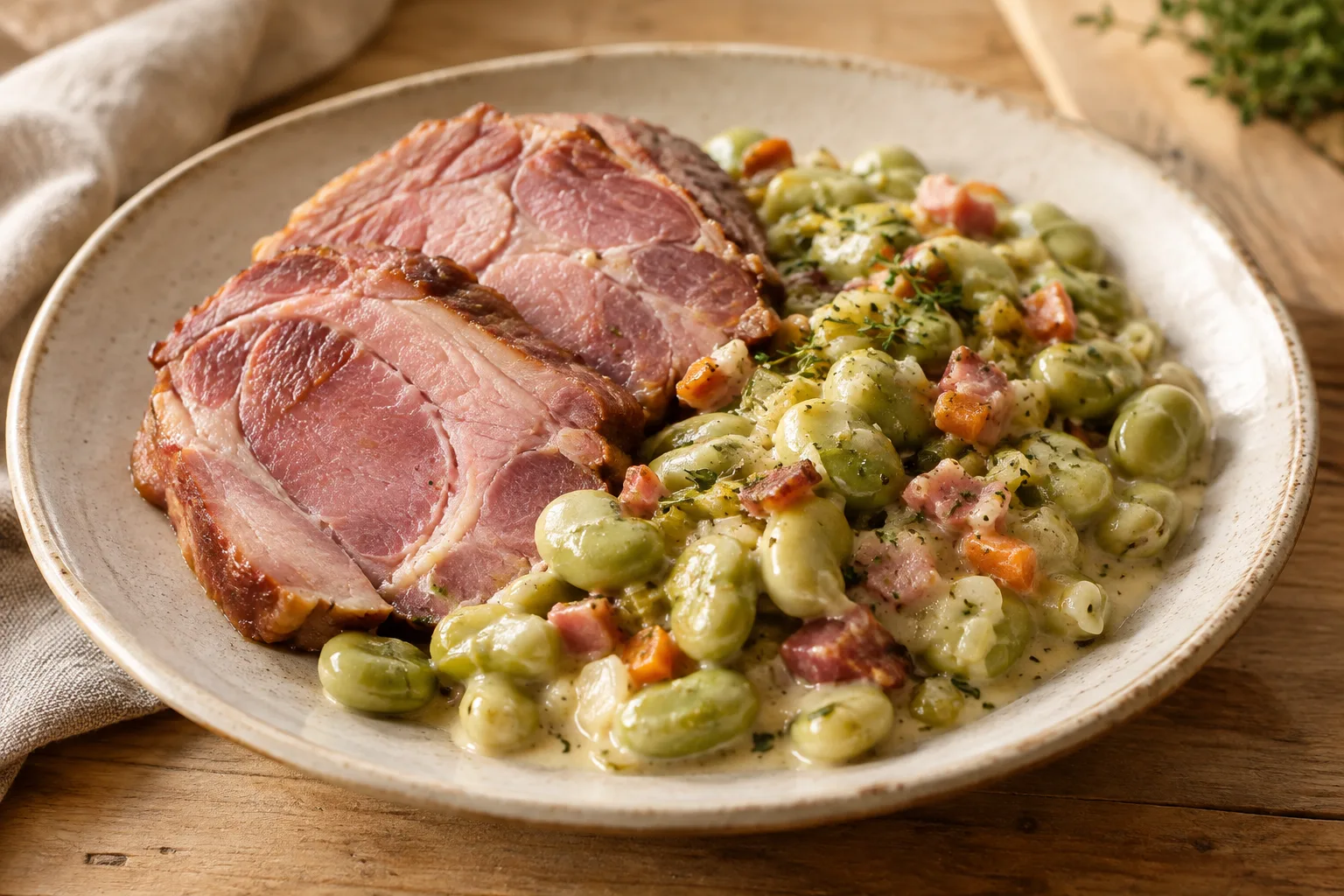
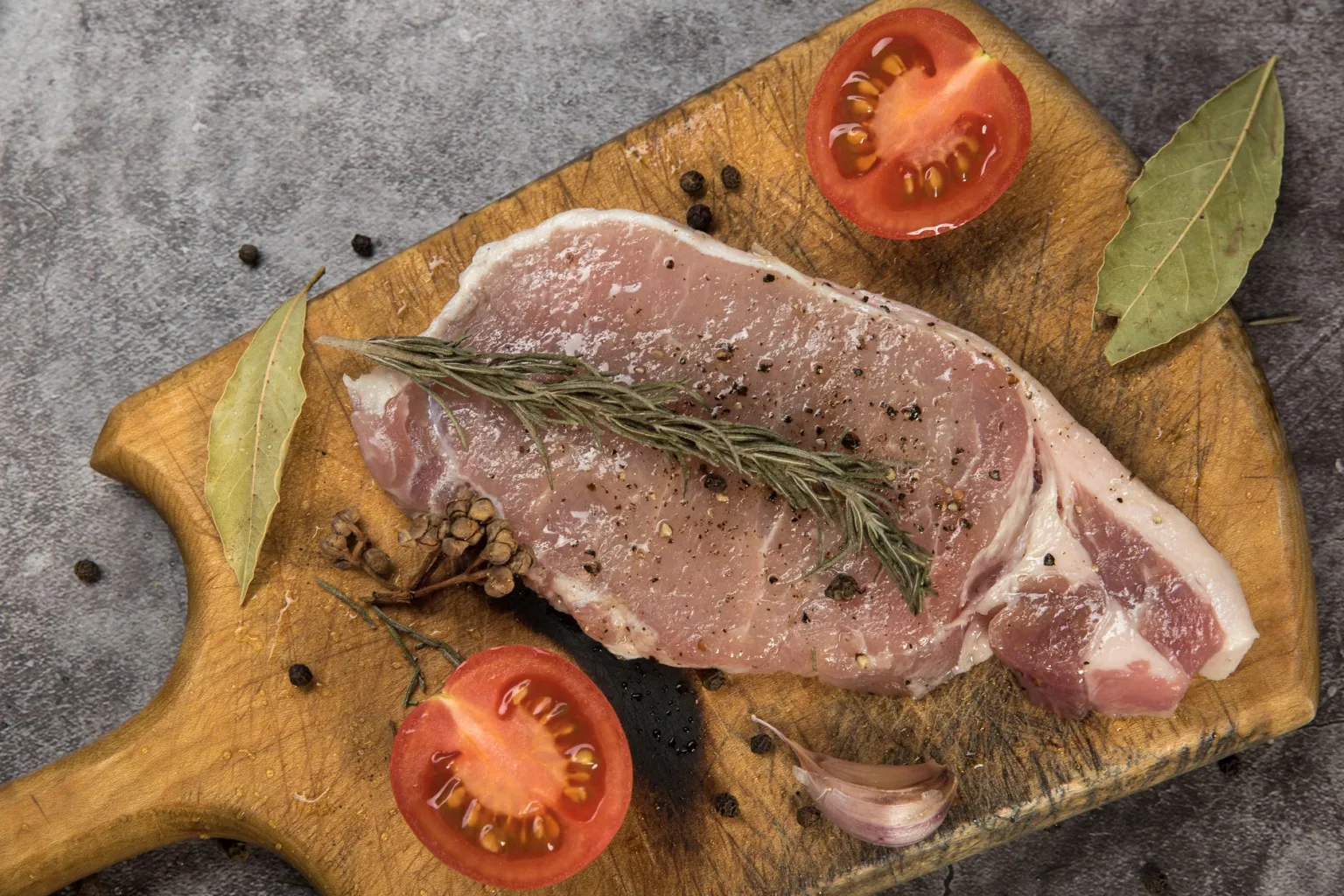
Smoked pork neck is a product whose name identifies a pork cut and a smoking treatment. The name alone does not establish whether the meat is raw, cooked, cured or ready to eat; that depends on the specific product and should be checked on its package. It may be sold whole, sliced or portioned. Pork neck is also used in preparations such as roasts, but a smoked product may differ in processing and intended use. In cooking, it can be a main part of a dish or be used to add flavor to other ingredients. Saltiness, fat content, texture and smoke intensity can vary from one product to another.
When to use it
Use it when you want to include pork in a stew, soup or legume dish, or when the package says the piece is suitable for roasting. When combining it with other ingredients, bear in mind that saltiness can vary and taste the dish before seasoning. Also check whether the product is ready to eat or needs cooking: do not infer its intended use from its color, aroma or the fact that it is smoked. If the label says it needs cooking, prepare it according to those instructions; if it is ready to eat, follow the package directions for serving or adding it to a recipe.
How to use it
First read the label to check whether the product is ready to eat or needs cooking, then follow the package instructions for preparation and storage. If it suits the recipe, cut it into cubes or slices and add it to a soup, stew or legume dish. You can also cook it whole if the package specifies that use. Taste the dish before adding salt, since saltiness can differ between products. Do not apply a generic cooking time: cut, size and processing can vary. If the product must be cooked, do not treat it as already cooked; use the product-specific package information. Pork neck is also used in roast preparations, but that does not by itself determine how this smoked version should be prepared.
Flavour and texture
Smoking is part of the product description, but its particular intensity cannot be determined from the name alone. Flavor and saltiness can vary between products, so taste before seasoning the dish. Texture also depends on the cut and its processing; a whole piece and slices may not behave the same way in cooking. Check the package for the intended use and adapt the recipe to the product you have.
How to choose it
Choose an intact package and check the product name, date, and preparation and storage directions. In particular, confirm whether it is described as ready to eat or as needing cooking; do not infer this from its appearance or aroma. Products can differ in format and characteristics, so compare labels if you want a whole piece, slices or specific usage instructions. If important information is missing or unclear, ask the seller or manufacturer before deciding how to prepare it.
Storage
Follow the package storage directions before and after opening. The word “smoked” is not enough to determine whether this product needs refrigeration or how long it can be kept. Store it under the conditions specified by the manufacturer and check the directions for an opened package. If the label is unavailable or unreadable, ask the seller or manufacturer rather than assuming it can be kept at room temperature.
Substitutions
Unsmoked pork neck can replace it if the recipe suits that cut; you can add a separate smoky-flavored ingredient if you want a closer profile, although the result will not be identical. Cooked pork shoulder may work in some stews, but its texture and fat content can differ. Choose an alternative according to the ingredient’s role: a piece used to flavor a dish may not work like meat intended to be served in slices.
Common mistakes
Do not assume that every smoked product is cooked or ready to eat: check the label. Avoid salting a dish before tasting, since saltiness can vary. Do not apply one universal cooking time to pieces of different sizes or processing, or infer storage requirements from smoking alone. Use the product directions to decide how to prepare and store it.
Safety and allergens
Check the package to see whether the product is ready to eat or needs cooking, and follow its preparation and storage directions. If essential information is missing or unclear, ask the seller or manufacturer before eating it.
Culinary uses
- Ingrediente cárnico para guisos, sopas y platos de legumbres
- Pieza para asar cuando el envase indique que ese uso es adecuado
Recommended techniques
- Cortar en lonchas o dados para incorporarlo a una preparación
- Asar o cocinar según las instrucciones específicas del envase
Pairs well with
- Legumbres, como alubias o lentejas, en guisos
- Patatas y otras verduras, según el plato y el nivel de sal del producto
Frequently asked questions
Is smoked pork neck always cooked?
The word “smoked” alone does not establish that it is cooked. Check the label to see whether it is ready to eat or needs cooking.
How can I add it to a stew?
If the package and recipe allow, cut it into cubes or slices and add it to the stew. Taste before adding salt and follow the product’s cooking instructions.
Can it be stored outside the refrigerator?
Do not assume so because it is smoked. Follow the package storage directions and contact the manufacturer if they are unavailable.
Ingredient allergens
Allergen listThere are no verified associations for these ingredients yet.
Estimated nutrition
- Fat
- 26.6 g
- Saturates
- 9.21 g
- Carbohydrate
- 1.98 g
- Sugars
- 0 g
- Fibre
- 0 g
- Protein
- 12.1 g
- Salt
- 2.12 g
Sources and review
Automatically researched, cross-checked and validated content. Sources consulted:
- ¿Por qué la muerte es origen de miedos y tabúes? doi.org/10.64628/aao.fccyk3qj3
- Gastronomía de México - Wikipedia, la enciclopedia libre es.wikipedia.org/wiki/Gastronom%C3%ADa_de_M%C3%A9xico
- Qué es (y qué no es) la estadística, usos y abusos de una disciplina clave en la vida de los países y las personas | Estudios económicos doi.org/10.52292/j.estudecon.2015.740
- Carne - Wikipedia, la enciclopedia libre es.wikipedia.org/wiki/Carne
- Comité Científico www.aesan.gob.es/dam/jcr%3A37c06c87-ec8b-4abb-b7ea-16b9f9c582b8/comite_cientifico_1.pdf
- "THE ADVENTURES OF HUCKLEBERRY FINN -- LAS AVENTURAS DE HUCKLEBERRY FINN " people.duke.edu/~garci/cybertexts/TWAIN-MARK/HUCKLEBERRY-FINN/HUCKLEBERRY-FINN-BILI.HTM
- Copyright by Ann Deviney Jasper 2003 repositories.lib.utexas.edu/bitstreams/c1d7c5dd-865c-4ac4-a07e-c439fae1408a/download
- - YouTube www.youtube.com/watch?v=KeZioPfqvqs
- ¿Cuáles son las Partes del Cerdo que se comen? www.google.com/goto?url=CAESxAEB6zswFZIsWr6AQzfS0-oBJmGPY8l3uDjUvw8kbX-EILCV4TTbMVo_fCrNYYAC…
- Cuello de cerdo asado: delicioso y jugoso | Carne de cerdo rica y sana www.google.com/goto?url=CAESjgEB6zswFUdwWSaJAFsvr4ParOskhgK_c2oIs9-0DRng9Q4z5h2F3101Wf0-xV2T…