- Category
- Grains, flour and pasta
- State
- Powdered
- Usual unit
- cup
What it is
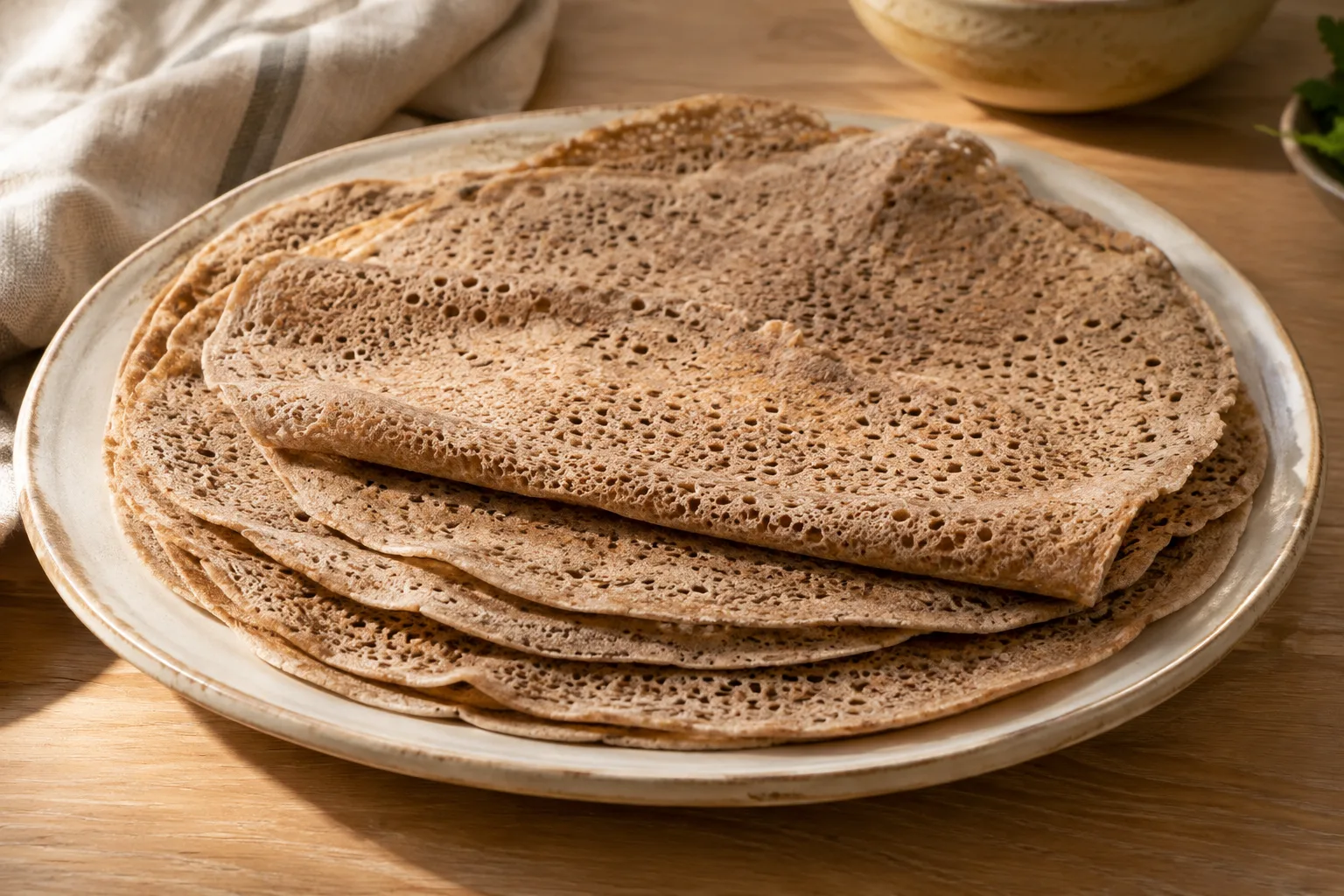
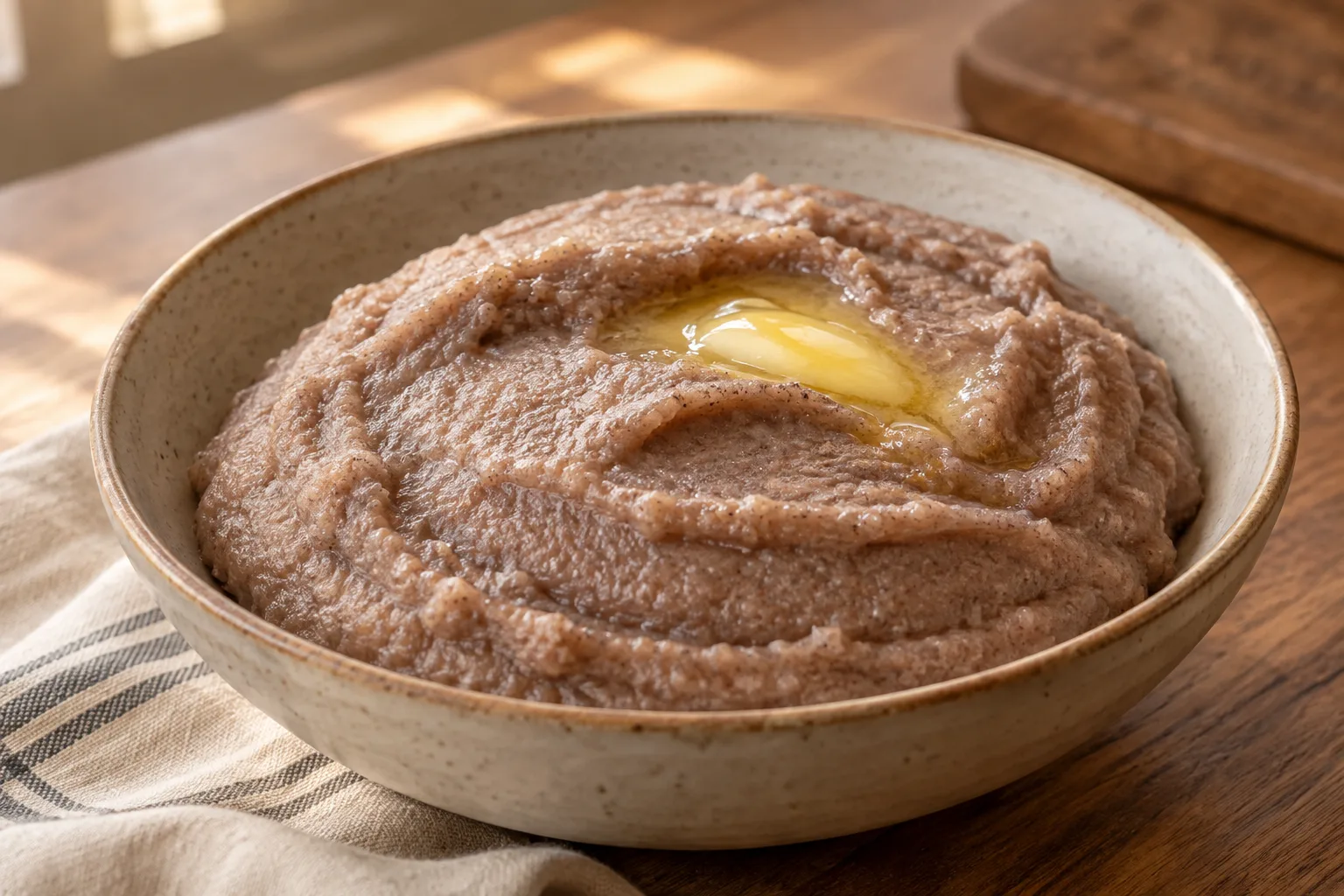
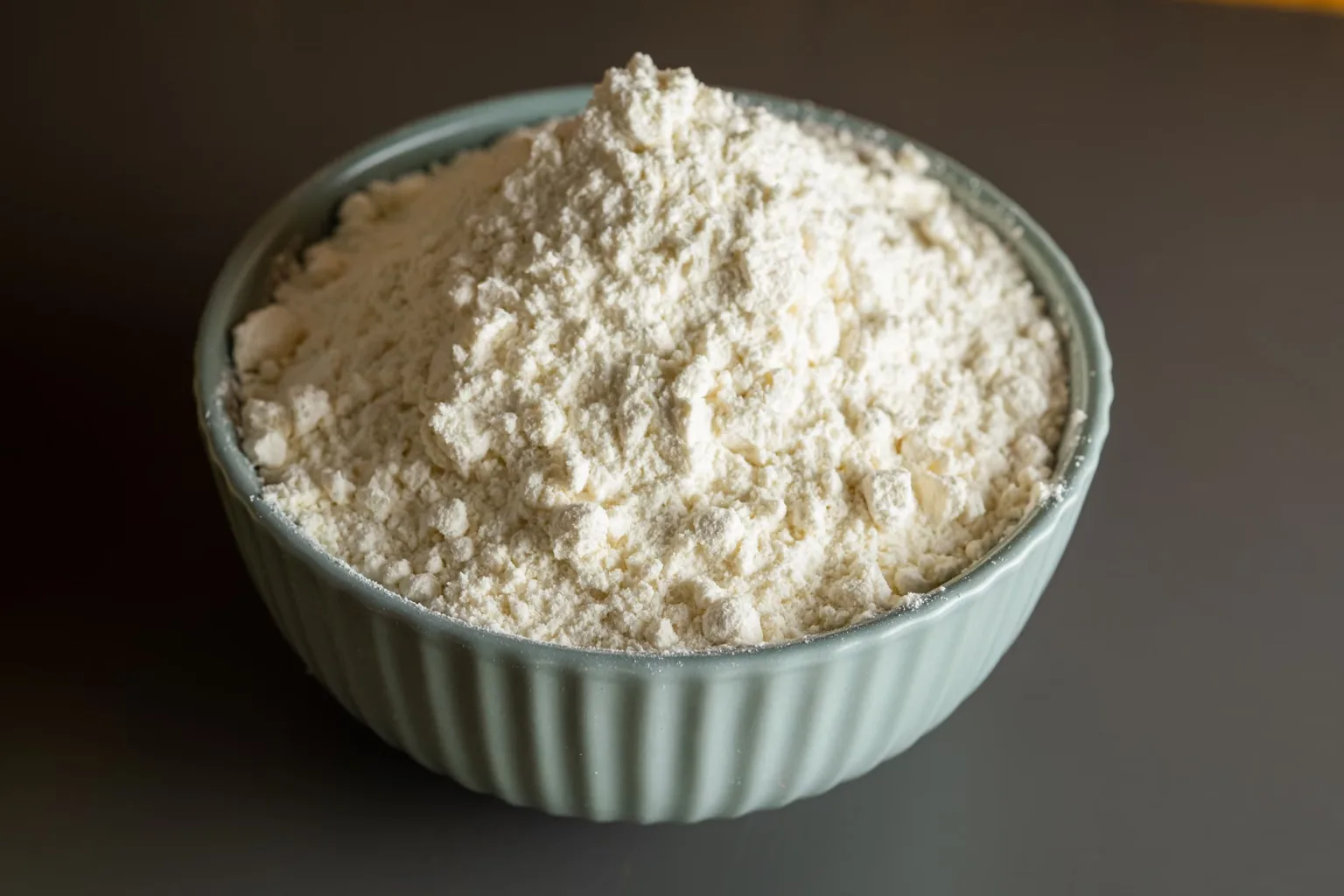
Sorghum flour is a milled product made from sorghum grain, a cereal grain. It is sold as a dry flour and its color can vary with the grain and the degree of refining. In the kitchen, it can be used for porridge, breads, pancakes, biscuits, and other batters or doughs. As with other cereal flours, the result depends on the milling, the recipe, and whether it is used alone or with other ingredients. It is not the same as whole sorghum grain: flour can be mixed directly into batters and liquids, while whole grain is cooked as a cereal.
When to use it
Use it for porridge, pancakes, biscuits, or breads, or when you want a mild-tasting flour for sweet or savory recipes. It can also be added to some soups and sauces as a thickener; mix it with liquid first to help prevent lumps. In baked doughs, sorghum may be used alone in some recipes or blended with other flours. Results vary by formula, so replacing all the flour in a recipe without considering the structure and texture it needs may not work well.
How to use it
For porridge, stir the flour with some of the liquid until smooth. Add this mixture to hot liquid and cook, stirring, until it softens and thickens; add more liquid if needed to adjust the consistency. For breads, biscuits, and pancakes, measure the flour according to the recipe and consider blending it with other flours if the mixture needs a different structure. To thicken soup or sauce, first disperse the flour in cold liquid, then add it while stirring. Sorghum flour can also be part of a coating mixture. Follow the proportions and cooking method of the recipe you are using.
Flavour and texture
Its flavor is generally mild and cereal-like, so it can suit both sweet and savory recipes. The color can vary with the sorghum variety and refining. When cooked thoroughly in porridge, it can produce a creamy texture; in baked goods, texture depends on the recipe and whether it is blended with other flours.
How to choose it
Choose a dry, well-sealed package with a readable label. Check whether the flour is whole-grain or refined, as processing can affect its color and how it behaves in a batter. If you need to avoid gluten, check the label and cross-contact information: sorghum is naturally gluten-free, but that does not by itself guarantee that every packaged product has been kept free from contact with other grains.
Storage
Keep the flour in a clean, dry, tightly closed container in a dry place, and follow the package directions. Protect it from moisture and pests. Discard it if you notice dampness, mold, or signs of infestation; dry storage helps reduce problems associated with stored grains.
Substitutions
Millet flour can work in some porridge-style preparations, although the consistency may change. In some baking recipes, wheat flour can replace only part of the sorghum flour; it is not an appropriate swap if the dish must be gluten-free.
Common mistakes
Replacing all the flour in a recipe with sorghum without adjusting the blend can change the structure of breads and doughs. Another common problem is adding flour straight to hot liquid; mixing it with liquid first helps prevent lumps. Check the label as well if you need to avoid gluten.
Safety and allergens
Keep the flour dry and check the package before use. If you need to avoid gluten, choose a product whose label and manufacturing information meet that need, because cross-contact can occur during processing or packaging.
Culinary uses
- Base flour for baked goods
- Thickener for soups and sauces
- Ingredient for porridge and pancakes
Recommended techniques
- Whisk into liquid before heating to help distribute it evenly
- Blend with other flours in doughs and batters
- Cook thoroughly in porridge or other cooked preparations
Pairs well with
- Milk or sour milk in porridge
- Sugar or lemon in porridge
- Herbs and spices in savoury batters
Frequently asked questions
Is sorghum flour naturally gluten-free?
Sorghum is described as a naturally gluten-free grain, but packaged products may be subject to cross-contact. Check the label if you need to avoid gluten strictly.
Can I use sorghum flour for bread?
Yes. It can be used in breads and other baked goods, on its own in some recipes or blended with other flours. The final texture depends on the formula.
How can I keep sorghum porridge from becoming lumpy?
First mix the flour with some of the liquid until smooth. Add it to the hot liquid while stirring and continue stirring as it cooks.
Ingredient allergens
Allergen listThere are no verified associations for these ingredients yet.
Estimated nutrition
- Fat
- 2.94 g
- Saturates
- 0 g
- Carbohydrate
- 73.5 g
- Sugars
- 0 g
- Fibre
- 8.8 g
- Protein
- 11.8 g
- Salt
- 0 g
Sources and review
Automatically researched, cross-checked and validated content. Sources consulted:
- Evaluación de harina de amaranto como ingrediente antioxidante para la preparación de matrices alimentarias funcionales doi.org/10.35537/10915/162211
- Washington State Food Access English-Spanish Glossary wpcdn.web.wsu.edu/wp-snaped/uploads/sites/2/2025/10/Food-Access-Spanish-Glossary.pdf
- Rolando A. Flores aces-dean.nmsu.edu/documents/flores-vita.pdf
- El sorgo y el mijo en la nutrición humana - Inhibidores nutricionales y factores tóxicos, Recetas a base de sorgo y mijos www.fao.org/4/t0818s/T0818S0l.htm
- Harina de Sorgo para Uso en la Industria de la Panificación digitalcommons.unl.edu/cgi/viewcontent.cgi?article=1035&context=intsormilpubs
- Contenido nutricional de harinas de sorgo (Sorghum ... bdigital.zamorano.edu/items/2e60add5-908d-44ab-8254-303378d54ccf
- Caribbean Food Crops Society - AgEcon Search ageconsearch.umn.edu/record/256773/files/28.pdf
- "Biochemical and molecular nutrition blocks as dietary supplements in l" by Janette Illanes Callejas scholarsarchive.byu.edu/etd/5379/
- Sorgo, el cereal sin gluten que revoluciona la cocina 'healthy': qué es, propiedades, beneficios y cómo cocinarlo www.directoalpaladar.com/ingredientes-y-alimentos/sorgo-cereal-naturalmente-gluten-que-revol…
- Qué es el sorgo y qué beneficios aporta al organismo – Leon the baker leonthebaker.com/blogs/blog/sorgo-beneficios?srsltid=AYCX9vLlGY2GdeZXCehbdVye4zm0BYfhF1x5nB5…
- Harina de sorgo: Propiedades - Harinera El Molino harineraelmolino.com/harina-de-sorgo-propiedades/
- La harina de sorgo refinada puede ofrecer beneficios a la salud www.dicyt.com/noticias/la-harina-de-sorgo-refinada-puede-ofrecer-beneficios-a-la-salud
- Sorgo: propiedades y usos en la dieta sin gluten | Dr. Schär Institute www.drschaer-institute.com/es-ES/learn/estudios-e-investigacion/sorgo-propiedades-y-usos-en-…