- Category
- Dairy and eggs
- State
- Fresh
- Usual unit
- ml
What it is
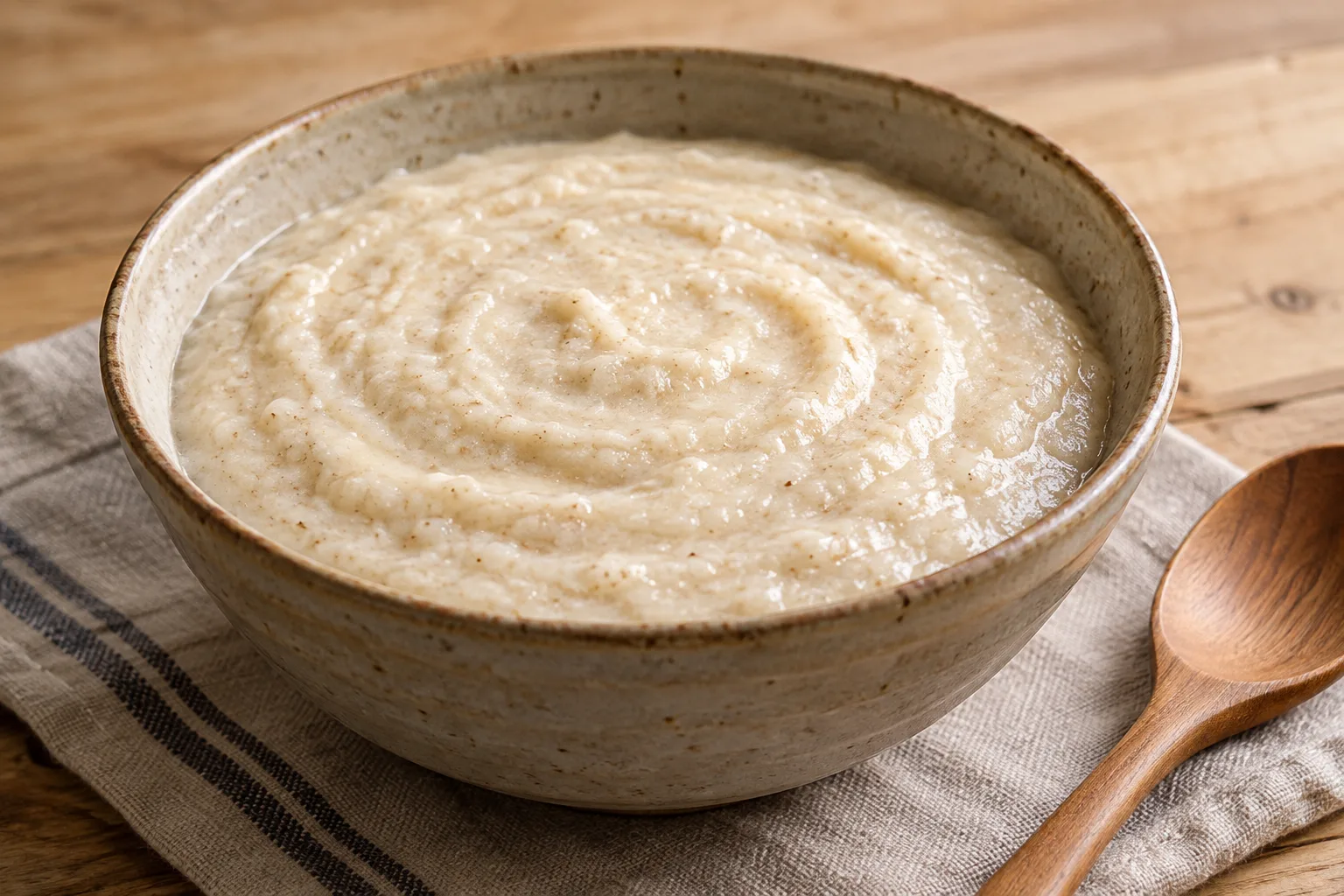
Sour cream is a dairy product made by fermenting cream with lactic cultures. Fermentation gives it a tangy flavor and a thicker texture than unfermented cream. Its acidity and consistency can vary with the product and how it is made. It can be served as a condiment or mixed into sauces, soups and some baked preparations. Sour cream is not identical to crème fraîche: both are fermented creams, but they can differ in tang, fat content and how they behave during cooking. The name supplied for this ingredient identifies a 35%-fat version; check the package to confirm the composition of the product you have.
When to use it
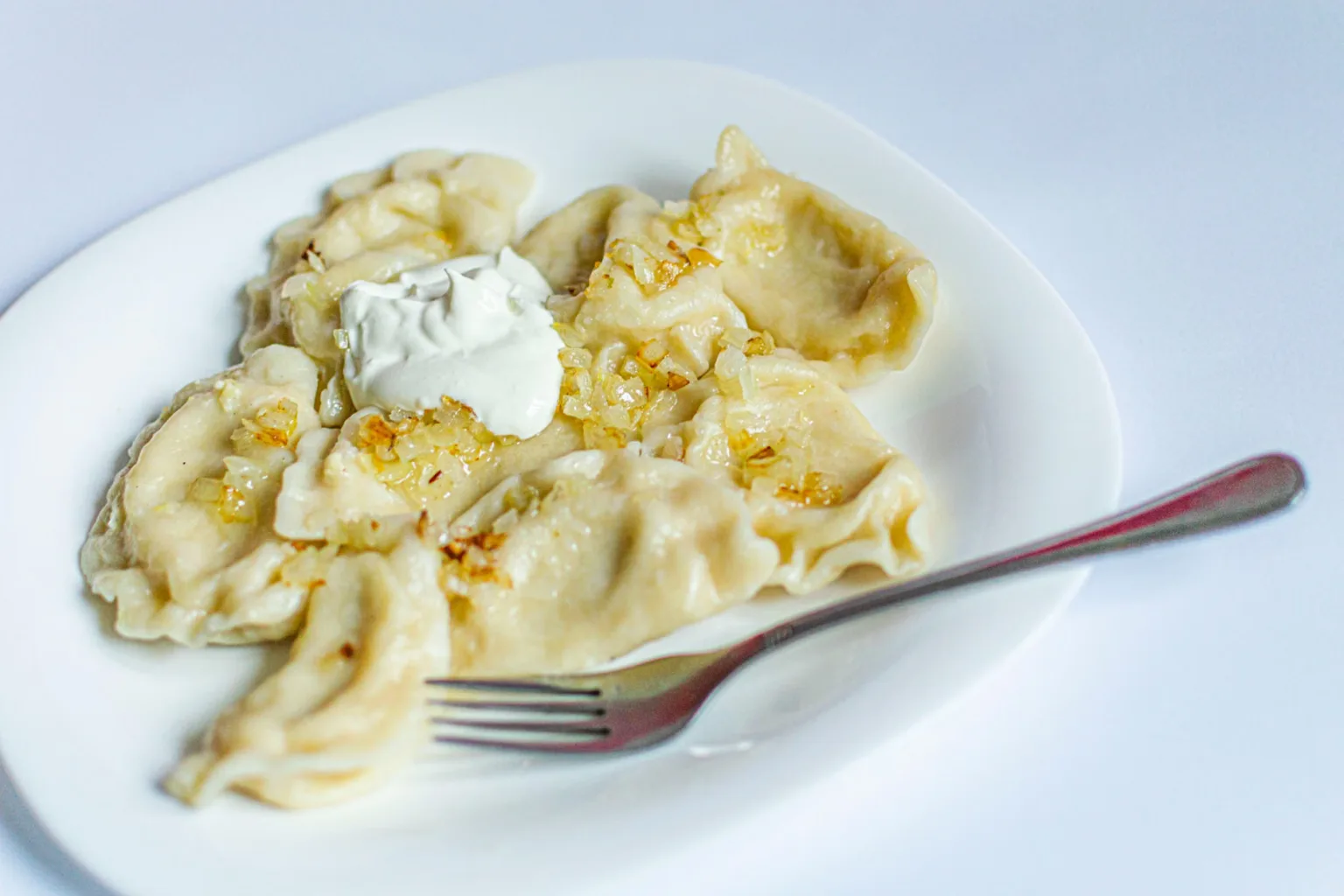
Use sour cream when a dish would benefit from a creamy, slightly tart contrast. It works as a topping for baked potatoes, tacos, nachos and burritos, and as an accompaniment to soups and vegetables. It can also be mixed into dressings, dips and some baked preparations. For hot dishes, add it after the bubbling has subsided or take the pan off the heat first, especially when stirring it into a soup or sauce. For prolonged or particularly vigorous cooking, crème fraîche may be more resistant, although it will not give exactly the same flavor or texture.
How to use it
Serve it cold on baked potatoes, tacos, nachos, burritos or soup, or offer it as a dip with raw vegetables. To make a dressing, mix it with the other ingredients and adjust seasoning to suit the dish. For hot soups, stews or sauces, remove the pan from the heat or let the contents cool slightly; add the sour cream gradually and stir gently, then avoid bringing the mixture to a boil. High heat can cause it to curdle. In some baking, sour cream can replace yogurt, though the flavor and texture will change. For sandwiches, it can stand in for mayonnaise or be combined with mayonnaise for a less tangy result.
Flavour and texture
Sour cream tastes creamy and mildly tart, with a thick, smooth consistency. Its acidity gives contrast to rich or mild foods, while the cream contributes body. Tang and thickness are not identical across all products, so taste it before adjusting the seasoning of a dish.
How to choose it
Check the package for the product name, stated fat content, ingredients and storage directions. Products can differ in thickness, acidity and whether they contain stabilizers, so choose a consistency suited to serving, mixing or cooking. If you need a specific composition, verify the label rather than assuming a fat percentage from the common name alone.
Storage
Follow the storage instructions and date on the package, and keep the container closed between uses. Use a clean utensil when serving and avoid leaving the product outside the conditions specified by its maker. After opening, check the label for the recommended use period; there is no single time limit that applies to every product.
Substitutions
Crème fraîche can replace sour cream in soups and sauces and is generally more tolerant of gentle cooking, but its flavor and texture may differ. Yogurt can work in some baked preparations, with a different result. In sandwiches and dressings, mayonnaise can replace sour cream or be blended with it to soften the tang.
Common mistakes
Do not let sour cream boil in a soup or sauce: high heat can make it curdle. Adding it all at once to a very hot dish can also produce an uneven texture, so stir it in gradually and gently. Do not assume every sour cream has the same tang, thickness or composition; check the package and taste it before seasoning.
Safety and allergens
Contains milk; avoid it if you have a milk allergy. Follow the storage and use directions on the package; a single storage period cannot be specified for every product.
Culinary uses
- Condimento cremoso para platos salados
- Ingrediente para salsas, aderezos y preparaciones horneadas
Recommended techniques
- Servir frío o añadir como acabado
- Incorporar a platos calientes cuando hayan perdido algo de calor y mezclar suavemente
Pairs well with
- Patatas asadas, tacos, nachos y burritos
- Sopas, ensaladas, verduras crudas y frutos rojos
Frequently asked questions
Is sour cream the same as crème fraîche?
No. Both are fermented creams, but they can differ in acidity, fat content and heat tolerance. Crème fraîche generally handles gentle cooking better.
Can I add sour cream to hot soup?
Yes. Take the soup off the heat or let it cool slightly, stir in the sour cream gradually, and avoid bringing it back to a boil.
Can yogurt replace sour cream?
It can in some baked preparations, but the flavor, texture and final result may change.
Ingredient allergens
Allergen listThere are no verified associations for these ingredients yet.
Estimated nutrition
- Fat
- 1.3 g
- Saturates
- 0.8 g
- Carbohydrate
- 15.1 g
- Sugars
- 7.2 g
- Fibre
- 0 g
- Protein
- 4.7 g
- Salt
- 0.18 g
Sources and review
Automatically researched, cross-checked and validated content. Sources consulted:
- ¿Por qué la muerte es origen de miedos y tabúes? doi.org/10.64628/aao.fccyk3qj3
- Desarrollo de un pan de masa madre rico en GABA y péptidos ... diposit.ub.edu/bitstreams/c65d2e73-d41c-4715-b8e0-cc85adfa9c24/download
- - YouTube www.youtube.com/watch?v=NdrqoSrqiOw
- Crema agria, el equilibrio perfecto entre acidez y cremosidad - GEO GASTRONÓMICA geogastronomica.com/crema-agria-el-equilibrio-perfecto-entre-acidez-y-cremosidad/
- La Crema Agria | La Boulette www.laboulette.com/blog/la-crema-agria
- Supervivencia Básica: Alimentos | Servicio de Extensión de OSU extension.oregonstate.edu/es/catalog/em-9331-s-supervivencia-basica-alimentos
- Principales usos de la crema agria en la cocina - Revista Mia miarevista.okdiario.com/recetas/16325.html
- Food allergen labelling and information requirements technical guidance - GOV.UK www.gov.uk/government/publications/food-allergen-labelling-and-information-requirements-tech…