- Category
- Meat
- State
- Fresh
- Usual unit
- g
What it is
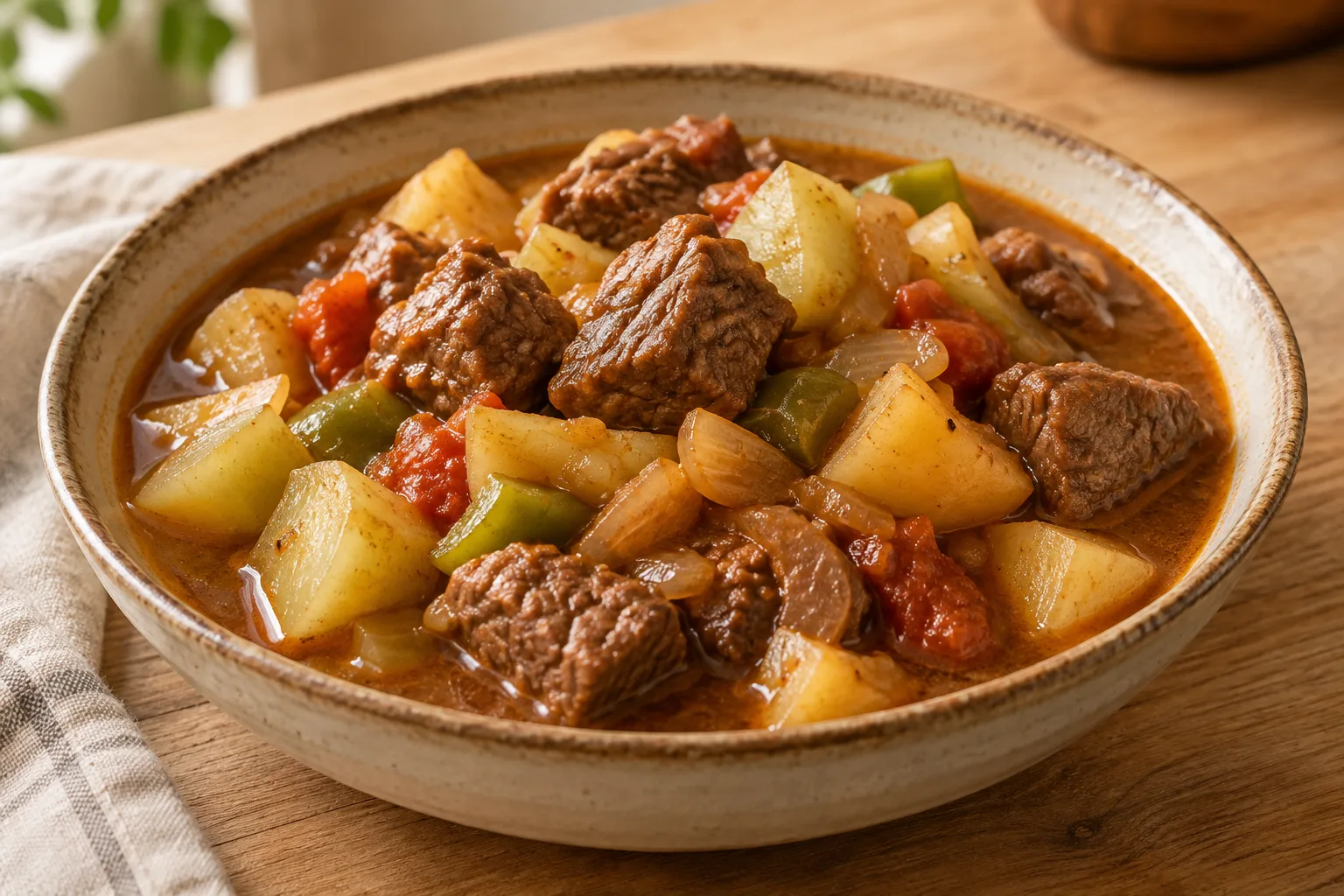
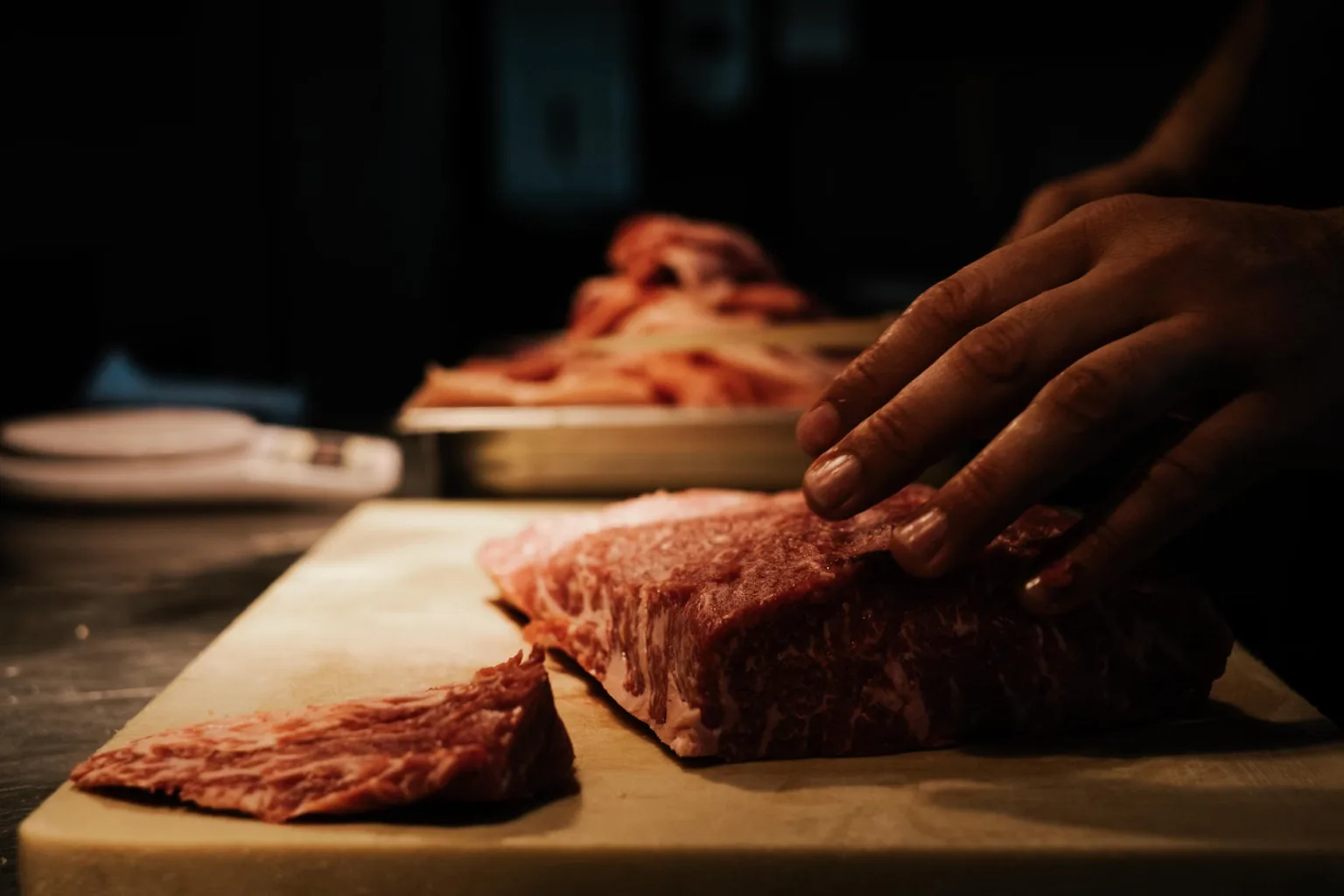
Stewing beef is a cooking label for pieces of beef intended for stews, braises, and substantial soups, rather than the name of one specific anatomical cut. It may come from cuts such as chuck or shoulder, shank, brisket, or flank. Cuts with connective tissue often suit slow, moist cooking: as they cook, the tissue softens and can give the cooking liquid a fuller texture. The amount of fat, shape of the pieces, and final texture vary from cut to cut, so ask which cut is in the package if the label is general. Stewing beef should not be assumed to behave like a tender, lean cut meant for quick cooking. A prolonged cook can dry out a lean cut, while a connective-tissue-rich piece may need more time to become tender.
When to use it
Choose stewing beef when a recipe calls for beef pieces in a stew, braise, hearty soup, or sauce-based dish cooked gently with liquid. Chuck, shoulder, shank, brisket, or flank may suit longer cooking, while cleaner, leaner cuts can be used in some shorter stews with a different result. If you want tender slices cooked quickly, select a cut intended for that use rather than assuming any package labeled stewing beef will work the same way. The cut and size of the pieces affect how long they need, so follow the recipe and check texture rather than relying on one universal cooking time. It is useful for dishes where the beef can share flavor with broth, vegetables, and aromatics.
How to use it
Keep the beef refrigerated until you are ready to prepare it, and use clean hands, utensils, and work surfaces. If the pieces are wet, pat them dry before browning to improve contact with the pan. Brown in batches if needed, then add the liquid and aromatics called for in the recipe and cook gently until tender. It can be prepared in a covered pot or in a pressure cooker, using the appliance instructions and a reliable recipe. Add vegetables according to their cooking needs so they do not break down before the beef is ready. Do not decide that the dish is finished solely because a set number of minutes has passed: the cut, piece size, and method all matter. Check that the beef is thoroughly cooked and has the texture the recipe calls for.
Flavour and texture
Stewing beef has the characteristic flavor of beef, with richness varying according to the cut and its fat content. In a moist, prolonged cook, pieces from cuts with connective tissue can become tender and give broth or sauce a more rounded, gelatinous body. Other cuts may hold their shape as cleaner, leaner cubes without contributing the same texture. Cube size, visible fat, and doneness all affect the experience. The generic label does not promise identical texture from one package to another, so identifying the cut can help you choose a suitable method and know what result to expect.
How to choose it
Buy beef that has been kept refrigerated and choose a shop with clean handling areas. Check the package label for the cut and date information, and ask the butcher what cut is included if it is sold only as stewing beef. Pieces from cuts suited to slow cooking are generally a better match for a long stew than very lean, tender cuts. If you need a shorter cook, explain that when buying and ask for a cut suited to it. Choose a quantity and piece size that fit your recipe, and do not assume that all cubes in a display or package come from the same muscle or have the same cooking needs.
Storage
Keep raw beef refrigerated and do not leave it at room temperature while planning the meal. Available guidance for fresh meat is to use it within two days of purchase or freeze it; keep it cold and also follow the package directions. If freezing, wrap it suitably and thaw it safely before cooking, keeping raw juices away from ready-to-eat foods. Wash hands and clean cutting boards, knives, utensils, and surfaces after handling raw meat. Do not improvise home canning in jars: beef is a low-acid food and safe canning requires a validated pressure-canning process.
Substitutions
Depending on availability and the dish, replace stewing beef with cubed chuck or shoulder, or use shank, brisket, or flank. These cuts do not produce identical textures or require identical cooking: a piece with more connective tissue may need longer than a leaner cut. Bone-in shank can also work in a braise, though it changes the ratio of meat to liquid. When changing cuts, adjust the cooking based on tenderness rather than relying only on a time written for a different piece of beef.
Common mistakes
Do not assume every package labeled stewing beef contains the same cut or needs the same cooking time. A lean, tender piece can dry out during prolonged cooking, while a connective-tissue-rich piece may remain tough if removed too soon. Avoid crowding the pan so much that the beef cannot brown, and keep raw-meat hygiene in mind. Do not use a generic cooking time as the only test for doneness: the cut, piece size, and cooking method all affect the result.
Safety and allergens
Keep beef refrigerated; available guidance says to use fresh meat within two days of purchase or freeze it. Wash hands and clean boards, utensils, and work surfaces after handling raw beef. Cook it thoroughly and prevent raw juices from contacting ready-to-eat food. For jarred meat, use only a validated pressure-canning process; boiling-water canning alone is not sufficient.
Culinary uses
- Main ingredient in stews and braises
- Beef component in hearty soups
Recommended techniques
- Brown or sear before adding liquid
- Cook gently in liquid until tender
Pairs well with
- Root vegetables, squash, and cabbage
- Onion, garlic, herbs, and broth
- Rice, potatoes, or noodles
Frequently asked questions
Is stewing beef one specific cut?
Not necessarily. The label can cover different cuts, including chuck, shoulder, shank, brisket, or flank. Check the package or ask the butcher which cut it contains.
How do I make stewing beef tender?
It depends on the cut. Pieces with connective tissue often suit gentle, moist cooking until tender; a lean cut can become dry if cooked for too long.
Can I freeze stewing beef?
Yes. Beef can be frozen. Keep it cold, package it appropriately, and thaw it safely before cooking.
Ingredient allergens
Allergen listThere are no verified associations for these ingredients yet.
Sources and review
Automatically researched, cross-checked and validated content. Sources consulted:
- Client Challenge doi.org/10.2307/j.ctvndv9t9.22
- Los mejores cortes de carne según su cocinado northbridge.edu/es-pr/publicaciones/cortes-carne/
- Vamos a Conservar Alimentos: Carnes extension.psu.edu/vamos-a-conservar-alimentos-carnes/
- Conservación de alimentos en el hogar: Carne, pescado y aves | Extensión de la UMN es.extension.umn.edu/food/preparing/cooking-at-home/food-preservation/meat-fish-and-poultry
- Cuál es la mejor carne para guisar y estofar - Grupo Miguel Vergara www.miguelvergara.com/actualidad/blog/la-mejor-carne-para-guisar-y-estofar/
- ¿Cuál es la Mejor Carne para Guisar? | Las Viandas de Julián lasviandasdejulian.es/consejos/cual-es-la-mejor-carne-para-guisar/
- Soup Joumou (Haitian-Inspired Beef and Squash Soup – Community Nutrition Security Research Group web.uri.edu/community-nutrition/soup-joumou-haitian-inspired-beef-and-squash-soup/
- Frequently asked questions about using custom-exempt slaughter and processing facilities in Oregon | Servicio de Extensión de OSU extension.oregonstate.edu/es/catalog/em-9345-frequently-asked-questions-about-using-custom-e…
- Carne Guisada [Video+Receta] Res Guisada Dominicana www.cocinadominicana.com/carne-res-guisada
- - YouTube www.youtube.com/watch?v=MpqitasRW_E
- ¿Cuál es la Mejor Carne para Guisar? Consejos y Secretos para elegir – Raza Nostra www.razanostra.com/blogs/blog-2/cual-es-la-mejor-carne-para-guisar-consejos-y-secretos-para-…