- Category
- Vegetables
- State
- Fresh
- Usual unit
- unit
What it is
Sweet pepper is the fresh fruit sold as a sweet or bell pepper, distinguished in culinary use from hot peppers. This profile is about the fresh vegetable, not paprika: paprika is a powdered seasoning and is a different ingredient. Sweet pepper can be eaten raw or added to cooked preparations such as casseroles. Before using it, wash it under running water and remove the stem, seeds and inner membrane. Then cut it into strips or dice, depending on the recipe. The evidence available supports these preparation and use options but does not establish a single flavor profile for every type of sweet pepper.
When to use it
Use sweet pepper raw when you want a crisp vegetable in an uncooked dish, such as a vegetable wrap. It also works in cooked dishes and casseroles; for those, you can use either fresh or frozen sweet pepper. If you freeze it for later, expect it to retain some crispness after thawing, though it may not have the same texture as freshly cut pepper. Choose strips or dice according to how you plan to use it.
How to use it
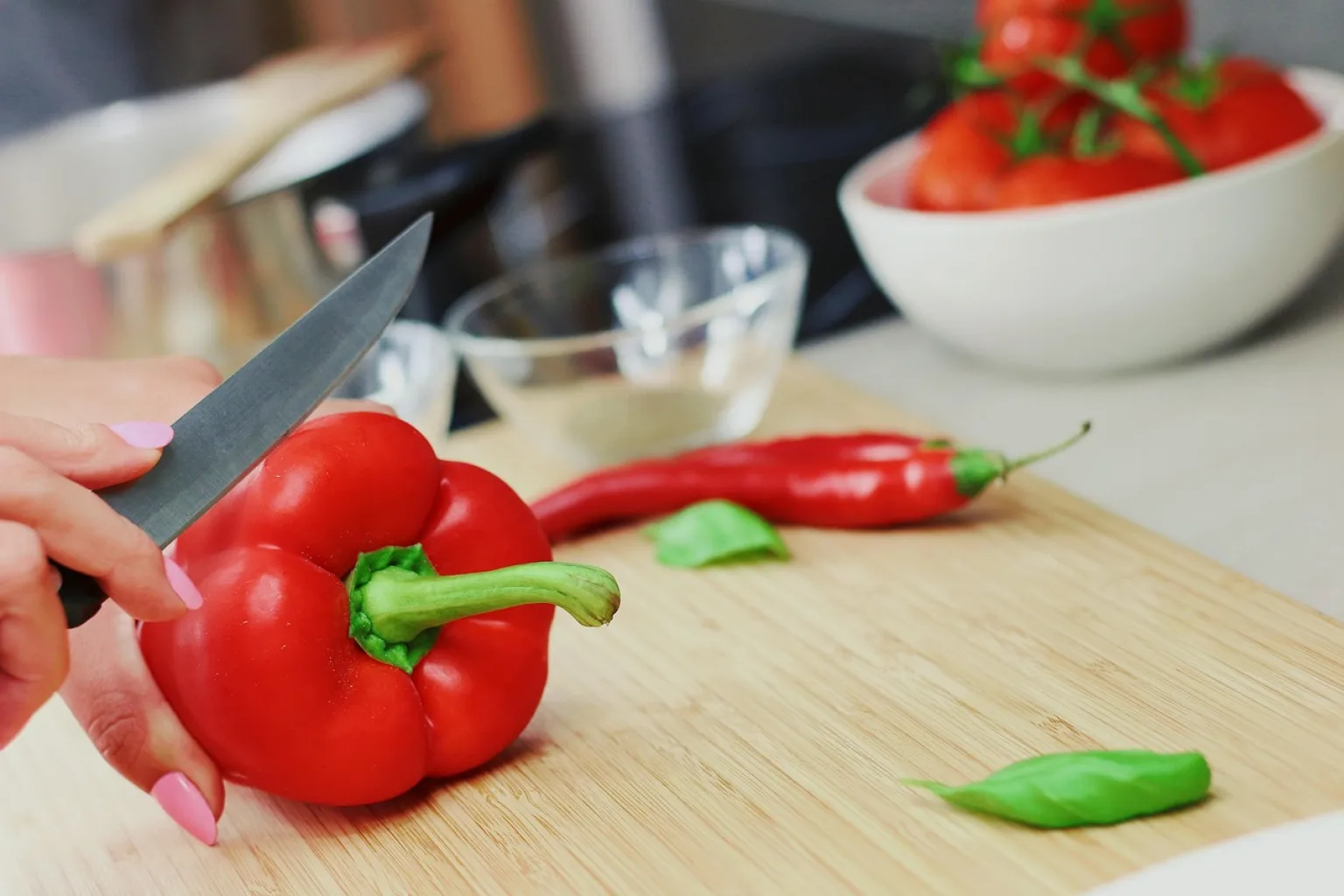
Wash the pepper under running water, rubbing the surface with a clean vegetable brush. Cut around the stem and remove it; open the pepper and remove the seeds and inner membrane. Slice it into strips, slices or dice to suit the recipe. Serve it raw or add it to a cooked dish such as a casserole. To freeze it, cut it into the shape you plan to use and freeze the pieces in a single layer on a tray until firm. Transfer them to a freezer-safe bag and press out as much air as possible before sealing. Frozen pepper can be used in cooked dishes or, if suitable for your preparation, raw. Once thawed, it retains some crispness, although its texture may change.
Flavour and texture
This profile describes fresh sweet pepper chiefly as a crisp ingredient that can be eaten raw or cooked. After freezing and thawing, it retains some crispness, though it may not feel exactly like freshly cut pepper. The available information does not establish precise flavor notes for every variety, so expect the profile to vary with the pepper you buy.
How to choose it
Choose peppers that are crisp and tender if you plan to freeze them. For other uses, select a piece that suits the cut and quantity you need. Check that the product is sold as fresh sweet pepper rather than paprika powder: these are different ingredients and are used differently.
Storage
The available information does not establish a specific storage life or detailed storage conditions for fresh sweet pepper. Follow the package or retailer’s directions, and use cut pieces promptly. To freeze pepper, wash it, remove the stem, seeds and inner membrane, and cut it into strips or dice. Freeze the pieces in a single layer first, then pack them in a freezer-safe bag or container with as little air as possible.
Substitutions
For a cooked dish, frozen sweet pepper strips or dice can stand in for fresh pepper. The cut can affect the texture and how the pieces fit into the dish. Thawed pepper retains some crispness, but may not be as firm as fresh. For a raw preparation, consider that difference before substituting.
Common mistakes
Do not confuse fresh sweet pepper with paprika, which is a powdered product. Before preparing the pepper, wash its surface, remove the stem, and take out the seeds and inner membrane. If using frozen pepper, do not assume it will have exactly the same texture as fresh pepper after thawing.
Safety and allergens
Wash the pepper under running water and rub the surface with a clean vegetable brush before cutting or eating it. If it is packaged, follow the storage and use directions on the package.
Culinary uses
- A crisp ingredient for raw dishes
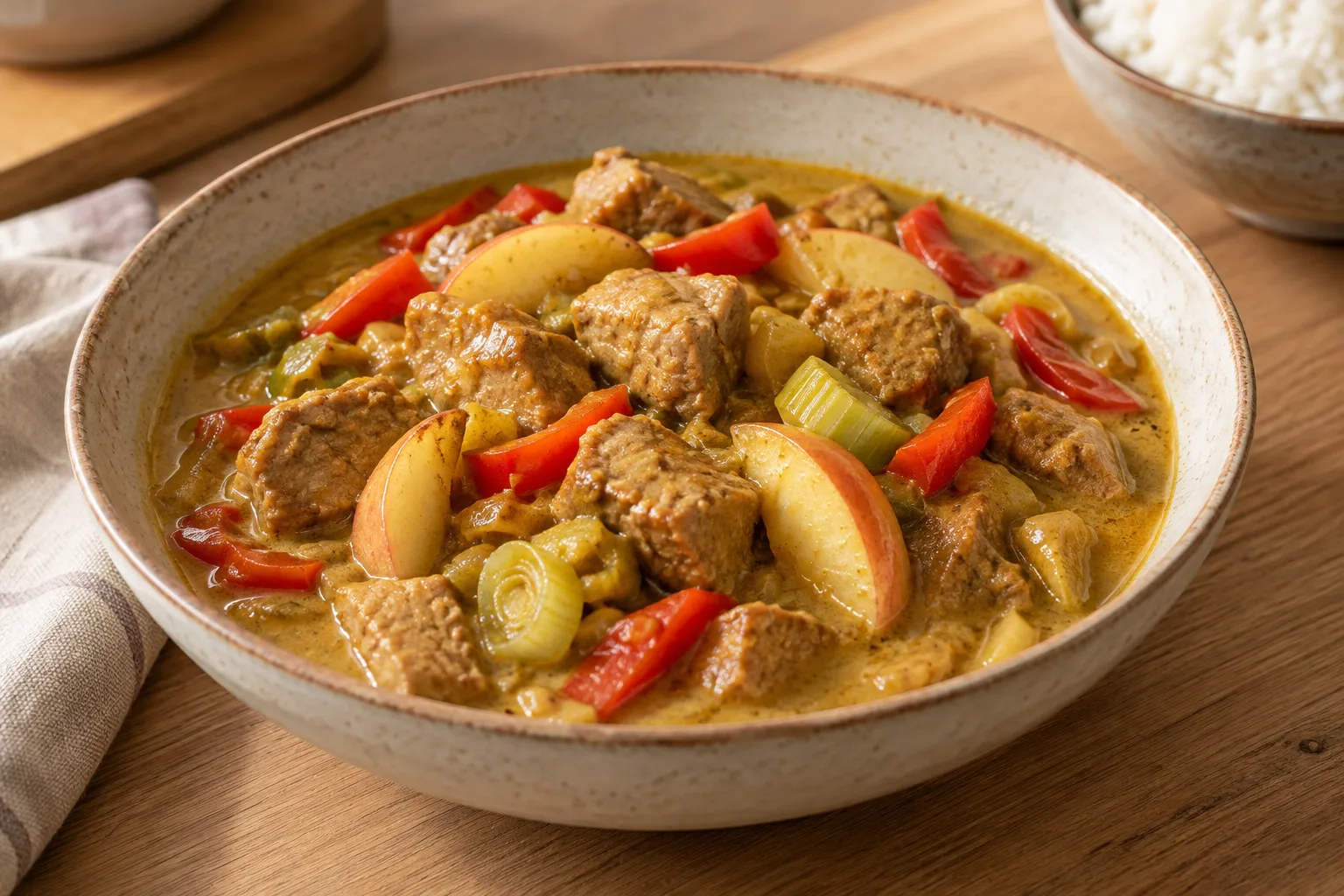
- A vegetable for cooked dishes and casseroles
Recommended techniques
- Wash under running water, rubbing the surface with a clean vegetable brush
- Remove the stem, seeds and inner membrane, then slice or dice
- Use raw or add to cooked dishes
- Freeze cut pieces for later use
Pairs well with
- Raw vegetable wraps
- Casseroles
- Other vegetables in raw or cooked dishes
Frequently asked questions
Can sweet pepper be eaten raw?
Yes. It can be used raw; wash it under running water and remove the stem, seeds and inner membrane before cutting.
How should I prepare sweet pepper for cooking?
Wash it, remove the stem, seeds and inner membrane, then cut it into strips or dice to suit the recipe. It can be added to cooked dishes and casseroles.
Can I freeze fresh sweet pepper?
Yes. Cut it into strips or dice and freeze the pieces in a single layer first, then transfer them to a freezer-safe bag. It retains some crispness after thawing and can be used in cooked dishes.
Ingredient allergens
Allergen listThere are no verified associations for these ingredients yet.
Estimated nutrition
- Fat
- 12.8 g
- Saturates
- 1.56 g
- Carbohydrate
- 6.57 g
- Sugars
- 4.28 g
- Fibre
- 1.8 g
- Protein
- 1.04 g
- Salt
- 0.05 g
Sources and review
Automatically researched, cross-checked and validated content. Sources consulted:
- En el etiquetado alimentario hay algunas menciones que son obligatorias eletiquetadocuentamucho.aesan.gob.es/obligatoria.html
- ¿Por qué la muerte es origen de miedos y tabúes? doi.org/10.64628/aao.fccyk3qj3
- Client Challenge doi.org/10.2307/jj.27939689.16
- Pimentón dulce: sabor y color en tus platos | Recetas Nestlé www.recetasnestle.com.ec/escuela-de-sabor/tips-de-recetas/pimenton-dulce
- Pimiento choricero - Wikipedia, la enciclopedia libre es.wikipedia.org/wiki/Pimiento_choricero
- How to Freeze Sweet, Bell and Hot Peppers | UNL Food | Nebraska food.unl.edu/article/freezing-peppers/
- Informe de resultados del estudio prospectivo para la ... www.aesan.gob.es/dam/jcr:ee696fed-8f9b-4c08-9978-5bf8a82a5d0f/Frutos_secos_pimentones_especi…
- Ají - Wikipedia, la enciclopedia libre es.wikipedia.org/wiki/Aj%C3%AD
- Pimentón | CreatiVegan.net creativegan.net/archives/pimenton/
- Maíz dulce (Spanish) - National Center for Home Food Preservation nchfp.uga.edu/how/can/canning-vegetables-and-vegetable-products/maiz-dulce-spanish/
- Pimentón dulce: sabor y color en tus platos | Recetas Nestlé www.google.com/goto?url=CAESiwEB6zswFXSyIeHKKdizkHwJY5Uwd9-dKsSZNQ34DX4XCS7ONRluTFLqj1PJtl9N…