- Category
- Fruit
- State
- Dry
- Usual unit
- cup
What it is
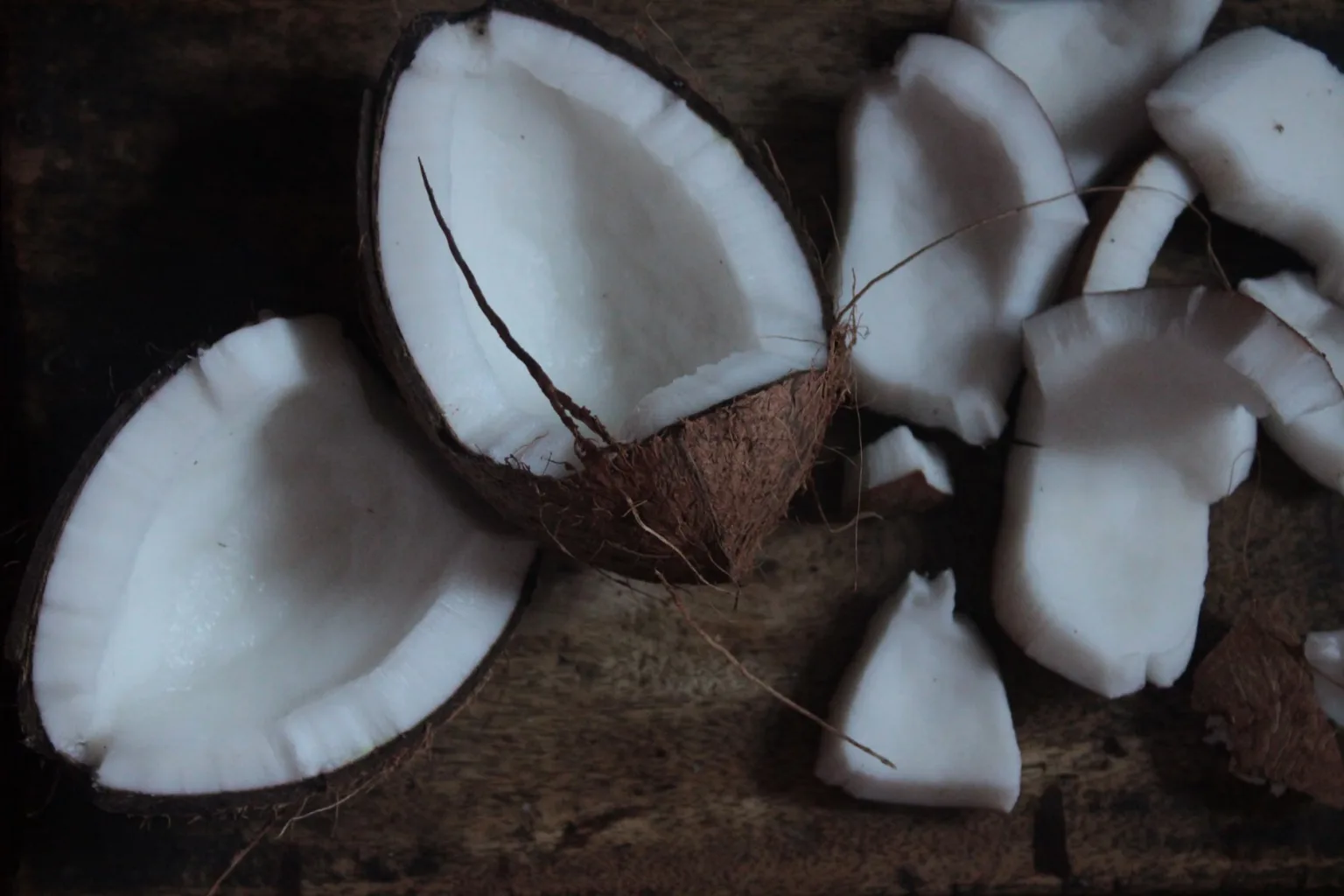
This ingredient is coconut flesh that has been shredded, dried, and sweetened. It is available in different cuts, from fine shreds to larger pieces, and products may receive different treatments. It is not the same as coconut flour or coconut milk: it retains pieces and fibers of coconut flesh, adding texture as well as flavor. The amount and type of sweetener, along with any other ingredients, depend on the specific product. Read the ingredient list rather than assuming that different packages can be used in the same proportions.
When to use it
Use it when you want to add both sweetness and a distinct coconut note to cookies, cakes, fillings, toppings, or cereal mixtures. It can also be sprinkled over yogurt, fruit, or desserts just before serving. A small amount may complement savory dishes such as rice, sauces, or curry, but remember that this product is already sweetened. If a recipe calls for unsweetened coconut, choose an unsweetened version or adjust the recipe's added sugar carefully.
How to use it
First check the shred size and ingredient list. To distribute the coconut through a batter, mix it with the dry ingredients or fold it in near the end, depending on the texture you want. For a filling or topping, spread it evenly and account for the added sweetness when balancing the rest of the recipe. For a garnish, sprinkle it on shortly before serving if you want its texture to stand out. You can also toast it gently in a dry pan, stirring and watching closely so it does not become too dark; toasting brings out a stronger aroma. Products differ, so adjust the amount to taste and follow the package directions.
Flavour and texture
It has a coconut flavor and noticeable sweetness, with intensity depending on the formulation. Its fibers give it a texture that can range from fine and tender to coarser and chewier. Gentle toasting adds roasted notes and a more pronounced aroma. Shred size and processing vary between products, so the texture is not identical from one package to another.
How to choose it
Choose the shred size for the intended use: fine shreds blend readily into batters and fillings, while larger pieces stand out in toppings and mixtures. Read the ingredient list to identify the sweetener and compare products; also check for other added ingredients or treatments. Make sure the package is intact and follow any product-specific directions.
Storage
Store it according to the package instructions in a dry place away from moisture. After opening, reseal the bag securely or transfer the coconut to a clean, airtight container if the original package will not close properly. There is no single storage duration that applies to every product; use the date and directions on the package and avoid storage conditions that conflict with them.
Substitutions
You can substitute unsweetened dried shredded coconut and add sugar or another sweetener only if the recipe needs it. Adjust the amount because the alternative may differ in cut, moisture, and flavor intensity. Coconut flakes can also work as a topping, though their size gives a different texture.
Common mistakes
A common mistake is treating it like unsweetened coconut while leaving the recipe's sugar unchanged. Replacing fine shreds with large flakes can also produce an unexpected texture. Check the ingredients and cut, start with a moderate amount, and adjust sweetness before adding more.
Safety and allergens
Check the package ingredient and allergen information, especially when cooking for someone else. Use clean, dry utensils and follow the storage directions provided for that product.
Culinary uses
- Sweet topping and garnish
- Texture and coconut flavor in baking and desserts
- Sweet ingredient in cereals and snack mixes
Recommended techniques
- Fold into batters, fillings, or cereal mixtures
- Sprinkle on dishes before serving
- Toast gently for a more pronounced roasted aroma
Pairs well with
- Chocolate and cocoa
- Yogurt, cereals, and fruit
- Curry, rice, and other savory dishes
Frequently asked questions
Is it the same as unsweetened shredded coconut?
No. This version has added sweetener; check the ingredient list for the details of the specific product.
Can I use it in savory dishes?
Yes. In moderate amounts it can add texture and coconut flavor to savory dishes. Account for the added sweetness and taste before adding more.
Can I toast it?
Yes. Toast it gently in a dry pan, stirring and watching closely so it does not become too dark. Toasting strengthens its aroma.
Ingredient allergens
Allergen listThere are no verified associations for these ingredients yet.
Estimated nutrition
- Fat
- 35.5 g
- Saturates
- 31.5 g
- Carbohydrate
- 47.7 g
- Sugars
- 43.2 g
- Fibre
- 4.5 g
- Protein
- 2.88 g
- Salt
- 0.66 g
Sources and review
Automatically researched, cross-checked and validated content. Sources consulted:
- ¿Por qué la muerte es origen de miedos y tabúes? doi.org/10.64628/aao.fccyk3qj3
- Client Challenge doi.org/10.2307/jj.27939689.16
- Gastronomía de México - Wikipedia, la enciclopedia libre es.wikipedia.org/wiki/Gastronom%C3%ADa_de_M%C3%A9xico
- El coco rallado: Historia, Curiosidades y Usos ruca.es/el-coco-rallado-historia-curiosidades-y-usos/
- Propiedades del Coco Rallado | Beneficios y Contradicciones frutossecoshernandez.es/coco-rallado-propiedades/
- Aceite de coco y otros derivados | Recetas Nestlé www.recetasnestle.com.ec/escuela-sabor/trucos-caseros/derivados-del-coco
- Beneficios y propiedades del coco rallado - Olalá olala.fritravich.com/beneficios-y-propiedades-del-coco-rallado/
- Coco rallado deshidratado | Especificaciones | Cardassilaris www.cardassilaris.com/es/dried-fruits/desiccated-coconut
- Bol coco: Historia, ingredientes y recetas tradicionales - BlogQPack www.puntoqpack.com/blog/es/bol-coco-historia-ingredientes-y-recetas-tradicionales/?srsltid=A…
- 4 Derivados del coco para tu cocina – Casa Perris casaperris.com/blogs/general/4-derivados-del-coco-para-tu-cocina?srsltid=AYCX9vJ0x_1Ftc-uJ6D…
- ¿Coco deshidratado o Coco fruto seco? Aprendamos - ¿Lo Sabía? www.secofrut.com/coco-deshidratado-o-coco-fruto-seco/?srsltid=AYCX9vK6kw5qw9kBS7k-TuzRE2ST3u…
- Cocina Tradicional y Cocina Patrimonial cuencana sus recetas e ingredientes | OpenAlex openalex.org/W2944805631
- Coco rallado: análisis y comparación de los mejores dulces y chocolates chocomechocolates.es/coco-rallado/?srsltid=AYCX9vJrfmVvBeWO2HB3Uf-eHqiLsbG4UznwoTPo-SQrT09Ah…
- Productos de Coco | Rallado, Harina, Chips y Escamas | Nutrada nutrada.com/es/blog/productos-de-coco
- - YouTube www.youtube.com/watch?v=LvVFcIrfffw